The ultimate guide to VPN services without registration: save money with BeFreeVPN
Why pay for a VPN when you can have the same benefits for free? A VPN service without registration can help protect your connection, reduce personal data sharing, and avoid subscription costs. In this guide, you will learn how no-registration VPNs work, why they are becoming popular, and how BeFreeVPN offers a free option for private browsing without asking users to create an account first.
Table of Contents
- Introduction to VPN Services without Registration
- Understanding the Cost of VPN Services
- How BeFreeVPN Works: A Deep Dive
- Comparative Analysis of Free vs. Paid VPNs
- User Privacy: Why No Registration Matters
- Advanced Features of VPN Services without Registration
- Key Takeaways
Introduction to VPN Services without Registration
A virtual private network, or VPN, is a privacy tool that creates an encrypted tunnel between your device and a VPN server. Instead of sending traffic directly through your internet service provider, your browsing data passes through that secure tunnel. This can help protect activity on public Wi-Fi, reduce exposure to local network snooping, and mask your IP address from websites and apps.
Typical VPN services ask users to register before connecting. The registration process often includes an email address, password, payment method, and sometimes device or billing details. For paid VPNs, this is expected because the company needs to manage subscriptions. However, registration also creates an account record that may connect your identity to the service.
No-registration VPN services remove that step. You install or open the VPN, choose a connection option, and start browsing through a protected tunnel. This simpler approach appeals to people who want quick privacy, less friction, and fewer personal details stored by yet another online service.
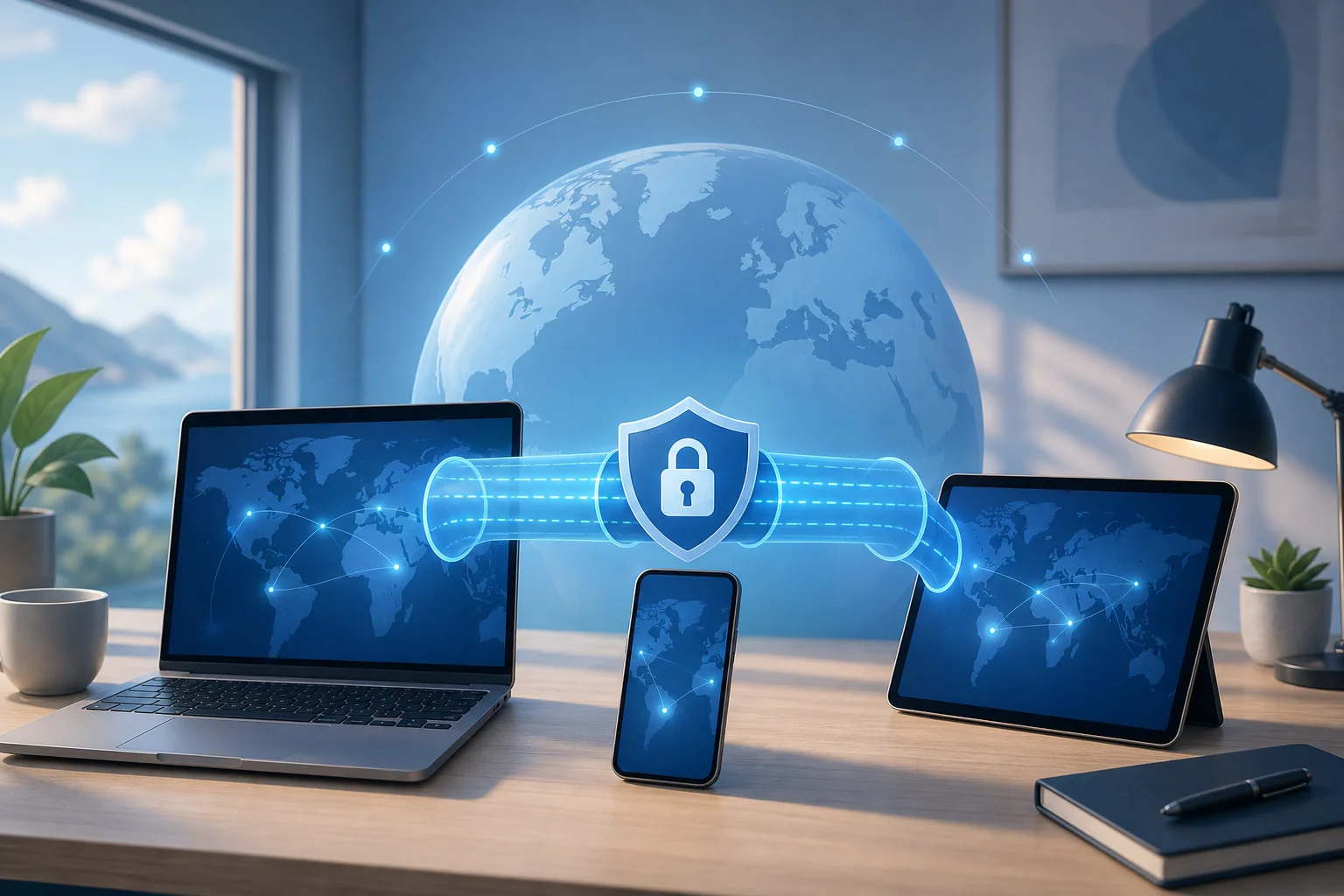
No-registration options are gaining popularity for three main reasons:
- Less data sharing: Users do not need to provide an email address or billing information just to connect.
- Faster setup: A VPN can be used in minutes, which is useful for travel, public Wi-Fi, and casual browsing.
- Lower cost: Free VPN services without registration can remove monthly fees while still offering basic connection protection.
That said, users should choose carefully. A free VPN should still have clear privacy practices, secure encryption, and transparent service limits. BeFreeVPN is positioned around this simple idea: make online privacy easier by offering a free VPN service without registration that works across common devices.
Understanding the Cost of VPN Services
Paid VPNs often look inexpensive at first. Many advertise a low monthly equivalent price, but that figure usually applies only when you pay for a long plan upfront. The real cost depends on the billing model, renewal terms, and extra features.
Common pricing structures for paid VPN services
Most paid VPN services use one of these models:
| Pricing model | How it works | What to watch |
|---|---|---|
| Monthly subscription | Pay every month with no long commitment | Usually the most expensive monthly rate |
| Annual plan | Pay for 12 months upfront | Lower monthly equivalent, but larger upfront cost |
| Multi-year plan | Pay for two or more years in advance | Bigger discount, but renewal prices may rise |
| Freemium plan | Basic version is free, advanced features cost money | Free tier may have strict limits |
| Add-on pricing | Extra features cost more | Dedicated IPs, password managers, or storage can increase cost |
For some users, a paid VPN is worth it. Businesses, heavy streamers, frequent travelers, and people who need specific server locations may prefer premium plans. However, not everyone needs that level of service. If your main goal is basic privacy on public networks, a free VPN service without registration may be enough.
Hidden costs associated with paid VPNs
The price on a landing page is not always the full picture. Consider these possible hidden costs:
- Automatic renewal: A discounted first term may renew at a higher standard price.
- Long commitments: The best advertised rates often require one or two years of payment upfront.
- Unused features: You may pay for specialty servers, extra tools, or high device limits you never use.
- Payment data exposure: Even privacy-focused services may require billing details through a payment processor.
- Time cost: Creating accounts, managing passwords, and canceling subscriptions takes effort.
These costs do not mean paid VPNs are bad. They mean users should match the product to the actual need. Paying for a premium VPN when you only need occasional secure browsing may be unnecessary.
How free VPN services eliminate unnecessary expenses
A free no-registration VPN can reduce cost in a direct way: there is no subscription to maintain. You do not need to compare renewal prices, wait for promotions, or remember cancellation dates. You also avoid sharing payment details for a tool you may only use sometimes.
BeFreeVPN fits this cost-saving use case. It is designed for users who want a practical VPN connection without creating an account or paying before they can start. For students, travelers, remote workers on public Wi-Fi, and anyone trying to cut digital subscription expenses, that simplicity matters.
Still, free services can have trade-offs. They may offer fewer server locations, less customization, or usage limits. The best approach is to understand what you need, then decide whether a free option like BeFreeVPN meets that need.
How BeFreeVPN Works: A Deep Dive
BeFreeVPN is a free VPN option focused on ease of use and no-registration access. The main value is simple: users can connect to a VPN without going through a long signup process. That makes it suitable for everyday privacy needs, especially when you want to secure a connection quickly.
What BeFreeVPN does
At a high level, BeFreeVPN works like other VPN tools:
- You open the VPN on your device.
- The app or service establishes a secure VPN tunnel.
- Your internet traffic is routed through a VPN server.
- Websites see the VPN server IP address instead of your direct IP address.
- Your local network has less visibility into the content of your traffic.
This process can be helpful when using public Wi-Fi in cafes, airports, hotels, libraries, or shared workplaces. Encryption is especially valuable on networks you do not control.
User-friendly features that enhance security
A good VPN should not require advanced technical knowledge. BeFreeVPN is useful because its core experience is built around quick access. User-friendly security features may include:
- No account creation before use: Fewer personal details are required.
- Simple connection flow: Users can connect without configuring complex network settings.
- Device-friendly design: The service is intended to work across common devices.
- IP masking: Your visible IP address is replaced by the VPN server address.
- Encrypted traffic tunnel: Data is protected between your device and the VPN server.
For most people, the biggest benefit is consistency. A VPN that is easy to use is more likely to be used when it matters. If connecting takes only a moment, users are more likely to turn it on before joining public Wi-Fi.
Compatibility across various devices
Modern users move between phones, laptops, tablets, and sometimes smart devices. A useful VPN service should support the devices people actually use. BeFreeVPN is promoted as a no-registration VPN service that works seamlessly across devices, making it a practical option for everyday browsing.
Before relying on any VPN for a specific device, check current compatibility details from the provider. Look for support for major platforms such as:
- Windows laptops and desktops
- macOS computers
- Android phones and tablets
- iPhone and iPad
- Browser-based access or extensions, when available
Compatibility is important because privacy gaps often happen during device switching. For example, you may protect your laptop but forget your phone. A cross-device VPN habit reduces that risk.
Comparative Analysis of Free vs. Paid VPNs
Choosing between a free VPN and a paid VPN is not only about price. It is about the balance between privacy, speed, server choice, reliability, support, and trust. The right answer depends on how you use the internet.
Pros and cons of paid VPN services
Paid VPN services can be strong options for advanced users. Many offer large server networks, specialty modes, customer support, and extra tools. However, they also come with costs and account requirements.
| Paid VPN advantage | Why it matters |
|---|---|
| More server locations | Useful for travel and region-specific access |
| Higher capacity | Can support heavy streaming or frequent downloads |
| Advanced settings | Helpful for technical users |
| Customer support | Useful when troubleshooting connection issues |
| Bundled features | May include malware blocking or breach alerts |
Paid VPNs also have drawbacks:
- They usually require registration.
- They often need payment information.
- The best prices require long commitments.
- Some features may be unnecessary for casual users.
- Renewal terms can be easy to overlook.
What free VPN services like BeFreeVPN offer
Free VPN services without registration focus on accessibility. They are not always built to replace every premium feature. Instead, they solve a different problem: helping users get basic VPN protection with less cost and less friction.
BeFreeVPN may be a strong fit if you want:
- A free VPN connection for everyday browsing
- No account signup before use
- A simple way to improve privacy on public Wi-Fi
- A cost-saving alternative to monthly VPN subscriptions
- A VPN service that is easy for beginners
However, users should still evaluate free VPNs carefully. Check whether the service explains its privacy approach, offers secure protocols, and provides a stable connection. Free should not mean careless.
Free vs. paid VPN comparison table
| Feature | Free no-registration VPN such as BeFreeVPN | Paid VPN service |
|---|---|---|
| Upfront cost | No subscription required | Usually requires payment |
| Registration | No account needed for basic use | Usually required |
| Setup speed | Fast and simple | May require signup and billing |
| Server choice | May be more limited | Often broader |
| Advanced controls | May focus on essentials | Often more customizable |
| Best for | Casual privacy, public Wi-Fi, saving money | Heavy use, specific locations, advanced needs |
User testimonials and real-world experience signals
When comparing VPNs, testimonials can be useful, but only if they are verifiable. Avoid relying on anonymous marketing quotes that cannot be checked. Instead, look for real user feedback in app stores, independent forums, product review platforms, and security-focused communities.
For BeFreeVPN, useful real-world experience signals include whether users mention:
- Quick connection without signup
- Stable browsing during everyday use
- Ease of use for non-technical users
- Positive experiences on multiple devices
- Clear expectations about free service limits
In other words, the best testimonial is not the most dramatic quote. It is a pattern of consistent user experiences across trusted sources. If many real users value the no-registration setup and cost savings, that supports the core benefit of BeFreeVPN.
User Privacy: Why No Registration Matters
Privacy is one of the main reasons people use VPNs. A VPN can reduce exposure to local networks and mask your IP address from websites. But privacy also depends on what information the VPN provider collects from you.
Registration can create a link between your identity and VPN usage. Even if the service is trustworthy, an account may include an email address, payment details, login history, device identifiers, or support messages. Each additional data point increases your digital footprint.
How registration can compromise user data
Registration does not automatically mean a VPN is unsafe. Many reputable paid VPNs have strong privacy policies. Still, account creation introduces risks:
- Data breach exposure: If an account database is compromised, user emails and related data may leak.
- Payment trail: Credit cards and payment processors can connect identity to subscription history.
- Tracking across devices: Account logins can associate multiple devices with one profile.
- Marketing data: Some services may send emails, promotions, or analytics tied to your account.
- Password reuse risk: Users may reuse passwords, increasing security exposure.
A VPN service without registration reduces these risks by collecting less at the start. Less collected data means less data that can be exposed, shared, or misused.
BeFreeVPN's approach to user anonymity
BeFreeVPN's no-registration approach supports privacy by limiting the personal information required to begin. If you do not need to create an account, you do not need to hand over an email address or billing details just to use the VPN.
This is important for people who want practical anonymity. It does not make someone invisible online. No VPN can promise that. Websites may still use cookies, browser fingerprints, account logins, and other tracking methods. However, a no-registration VPN can reduce one major source of identity linkage: the VPN account itself.
For stronger privacy, combine BeFreeVPN with good browsing habits:
- Use private browsing when appropriate.
- Limit third-party cookies.
- Avoid logging into personal accounts during sensitive sessions.
- Keep your operating system and browser updated.
- Use strong, unique passwords.
- Turn on multi-factor authentication for important accounts.
A VPN is one layer. No-registration access makes that layer easier and less invasive.
Advanced Features of VPN Services without Registration
No-registration does not have to mean basic or weak. A well-designed free VPN can still use modern security methods and a careful network approach. The key is to focus on features that protect users without making setup complicated.
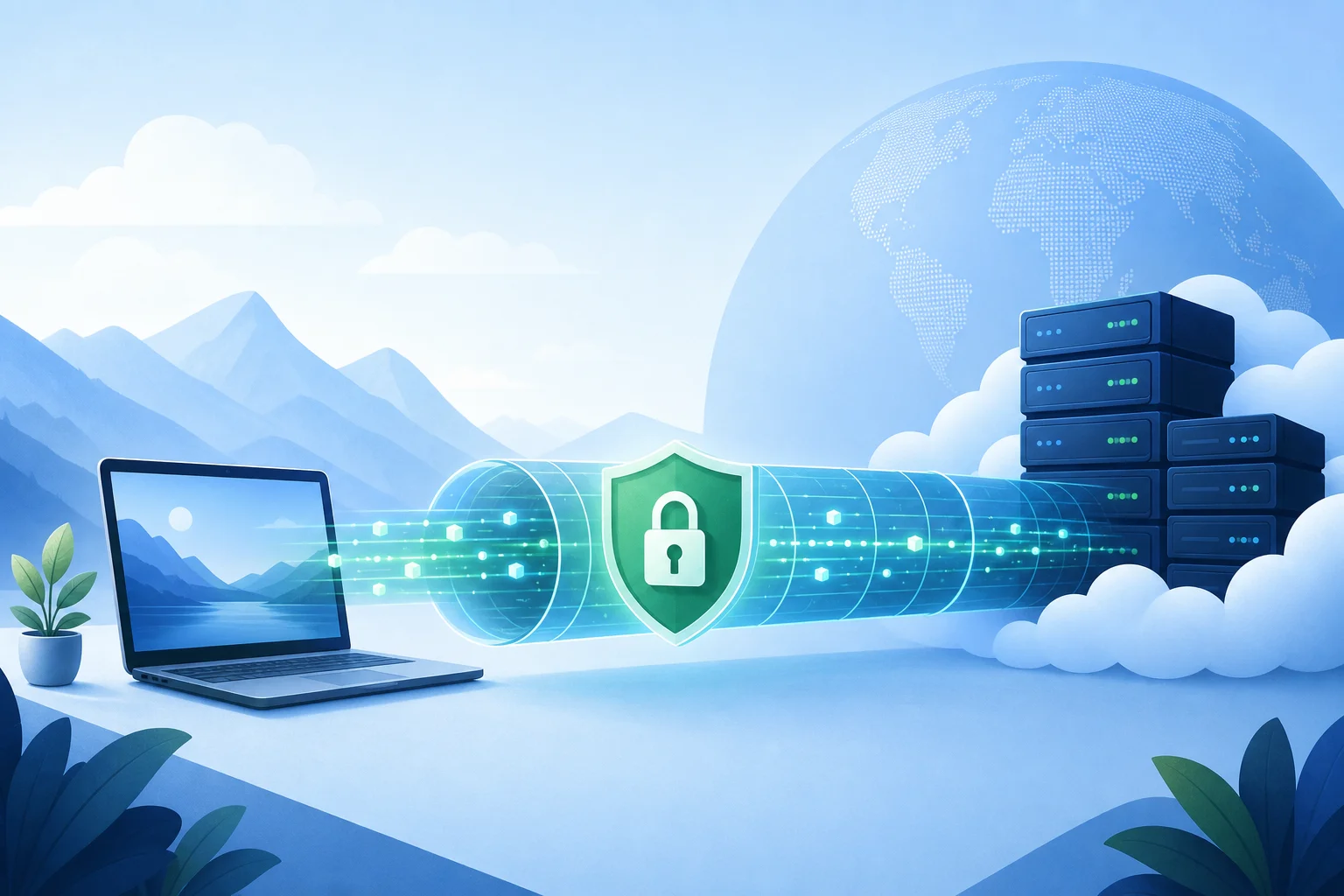
Advanced security features available with BeFreeVPN
BeFreeVPN focuses on removing barriers while helping users browse more privately. Depending on the current version and platform, important VPN security features to look for include:
- Encrypted VPN tunnel: Protects data traveling between your device and the VPN server.
- IP address masking: Helps prevent websites from seeing your direct network address.
- Public Wi-Fi protection: Reduces risk on shared or unsecured networks.
- Automatic connection options: Helps users avoid forgetting to turn on protection.
- DNS leak protection: Helps keep DNS requests from bypassing the VPN tunnel.
- Kill switch support: Can block traffic if the VPN connection drops, where available.
Always check the latest BeFreeVPN documentation or app details for the exact features supported on your device.
Understanding encryption methods used by no-registration VPNs
Encryption is the core of VPN security. It scrambles data so that outsiders on the same network cannot easily read it. Modern VPNs commonly use protocols and encryption suites designed for performance and security.
Common VPN technologies may include:
- WireGuard: Known for speed, modern cryptography, and simpler code design.
- OpenVPN: A widely used protocol with a long security track record.
- IKEv2/IPsec: Often used on mobile devices because it can handle network changes well.
The exact protocol matters, but so does implementation. A secure protocol can still be weakened by poor configuration. That is why transparency, updates, and clear privacy practices are important.
How BeFreeVPN manages speed and bandwidth without compromising security
Speed is one of the biggest concerns with any VPN. Because your traffic travels through a VPN server, performance can be affected by distance, server load, protocol choice, and local network quality.
A no-registration VPN such as BeFreeVPN can support better performance by keeping the user experience simple and routing traffic efficiently. While free services may have practical limits, users can improve speed by following these steps:
- Choose the nearest suitable VPN location if options are available. Shorter distance often means lower latency.
- Use a stable Wi-Fi or mobile connection. A VPN cannot fix a weak base connection.
- Close unused bandwidth-heavy apps. Cloud backups and video streams can slow the connection.
- Update the VPN app or client. Updates may improve protocols, stability, and security.
- Test at different times. Free servers can be busier during peak hours.
- Avoid stacking privacy tools unnecessarily. Running multiple VPNs or proxies can reduce speed.
Security and speed are not opposites. A modern VPN can offer both when it uses efficient protocols and well-managed servers. The realistic goal is not maximum speed in every situation. It is dependable protection with performance that feels smooth for normal browsing, messaging, and everyday app use.
Key Takeaways
A VPN service without registration is a practical option for users who want better privacy without creating another account. It reduces friction, avoids unnecessary subscription costs, and limits the personal details shared with a VPN provider.
Key points to remember:
- A VPN encrypts traffic between your device and the VPN server.
- Traditional VPN registration can require email, password, and payment details.
- No-registration VPNs are popular because they are fast, simple, and privacy-friendly.
- Paid VPNs can be useful, but not every user needs premium features.
- Free VPN services like BeFreeVPN can help reduce subscription spending.
- Privacy improves when fewer personal details are collected.
- A VPN works best when combined with safe browsing habits.
FAQ: Is a VPN service without registration safe?
It can be safe if the provider uses strong encryption, clear privacy practices, and reliable VPN technology. No-registration access is a privacy advantage because it reduces the personal information needed to start. However, users should still choose a service carefully.
FAQ: Can I use BeFreeVPN for public Wi-Fi?
Yes, BeFreeVPN is a practical option for public Wi-Fi because it can encrypt your connection and reduce exposure on shared networks. This is useful in airports, hotels, cafes, and other places where you do not control the network.
FAQ: Is a free VPN better than a paid VPN?
Not always. A free VPN is better when your goal is simple, low-cost privacy without registration. A paid VPN may be better if you need many server locations, advanced controls, or dedicated support.
FAQ: Does no registration mean complete anonymity?
No. No registration reduces the personal data you give to the VPN provider, but it does not make you invisible. Websites, cookies, browser fingerprinting, and personal account logins can still identify you.
FAQ: How do I choose the best no-registration VPN?
Look for clear privacy practices, secure encryption, easy setup, device compatibility, stable performance, and transparent limits. BeFreeVPN is worth considering if you want a free VPN service without registration that focuses on simple access and everyday privacy.
Online privacy should not be complicated or expensive. If you want to reduce your digital footprint, protect browsing on public networks, and avoid another monthly subscription, a no-registration VPN is a smart place to start. Explore the benefits of online privacy with BeFreeVPN, your free, no-registration VPN service that works seamlessly on all devices.