How sarah discovered the best paid VPN for streaming seamlessly
Discover how Sarah overcame her streaming frustrations with a simple VPN solution that unlocked endless entertainment possibilities. In this case study, we follow her search for the best paid VPN for streaming, why free tools failed, and how BeFreeVPN helped her enjoy smoother access to geo-restricted content across her devices.
Streaming should feel simple. You choose a show, press play, and relax. Yet for Sarah, an avid viewer with a growing watchlist, that easy routine often ended with a frustrating message: “This title is not available in your region.” Her journey shows what many streamers learn the hard way: speed, reliability, and ease of use matter just as much as access.
Meet Sarah: The Avid Binge-Watcher
Sarah is the kind of viewer who plans her evenings around season premieres. She follows international dramas, documentaries, comedy specials, and limited series from multiple streaming platforms. When a new show trends overseas, she wants to understand the conversation, not wait months for a local release.
At first, she assumed every subscription gave her the same library as everyone else. But the more she searched, the more she noticed gaps. Friends in other countries could watch shows she could not find. Trailers appeared in her recommendations, but the full episodes stayed locked. Sometimes a platform showed the title page, only to block playback at the final step.
That mismatch made streaming feel unpredictable. Sarah was not trying to avoid paying for content. She already subscribed to legitimate services. She simply wanted to access the entertainment available through her accounts while traveling, browsing international catalogs, or catching releases that were not yet available in her region.
So she began looking for a practical answer. Her goal was clear: find the best paid VPN for seamless streaming without turning every movie night into a technical project.
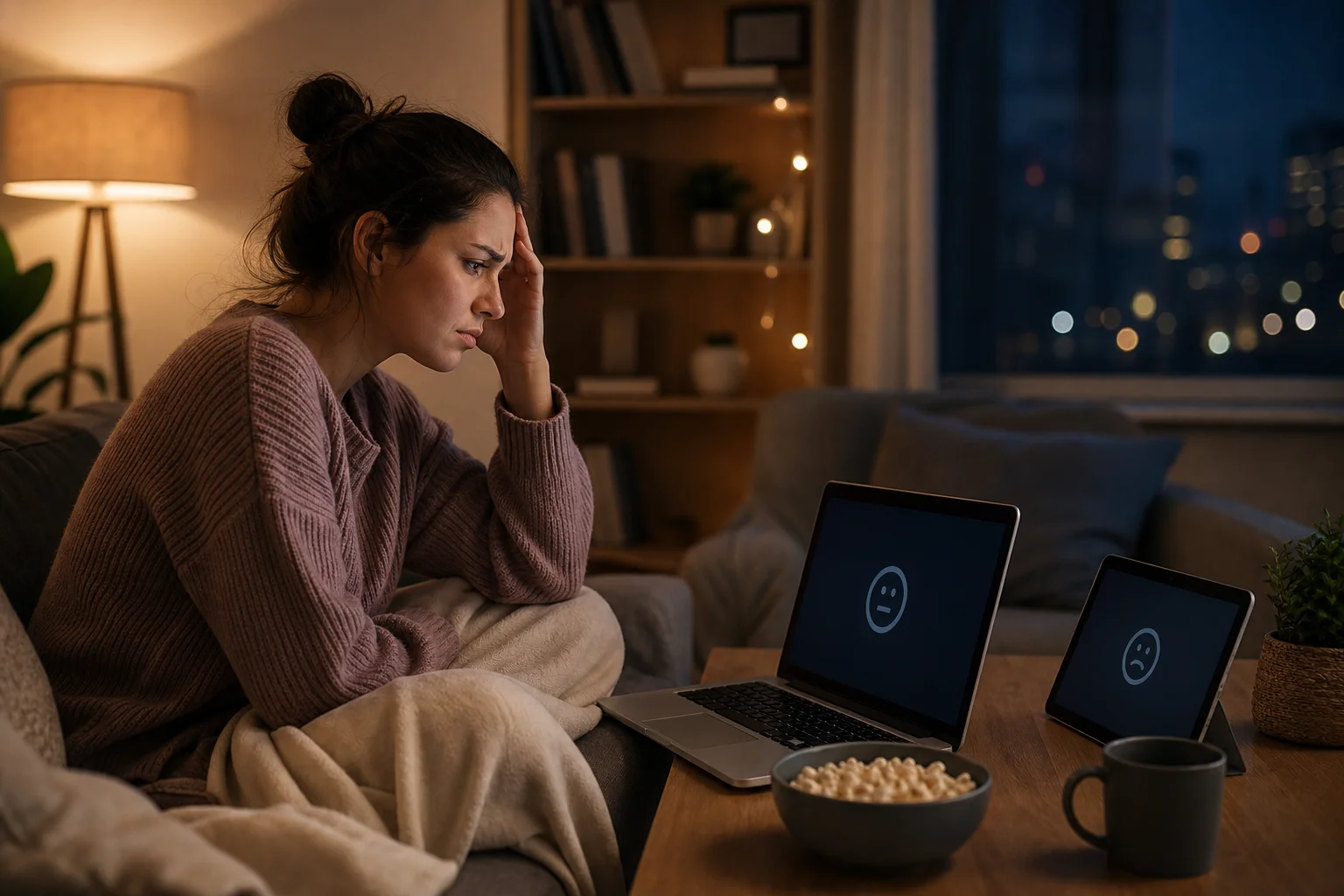
The Streaming Challenge: Geo-Restrictions Unveiled
Geo-restrictions are one of the most common reasons viewers see different content libraries. Streaming platforms license shows and films by country or region. As a result, a series available in one location may be unavailable in another, even on the same service.
For Sarah, this created three recurring problems:
- Missing titles: Shows promoted online did not appear in her local app.
- Blocked playback: Some titles appeared but would not stream from her location.
- Inconsistent access while traveling: A series she started at home could disappear abroad.
A VPN can help by routing internet traffic through a server in another location. This may allow a user to access content catalogs associated with that region. However, viewers should always respect local laws and the terms of their streaming platforms. A VPN is also not a magic switch. Some services actively block VPN traffic, so quality and reliability matter.
Why free VPNs failed Sarah’s streaming needs
Before paying for a VPN, Sarah tried free options. They seemed attractive because they required little commitment. But once she used them for real streaming sessions, the drawbacks became obvious.
| Streaming need | Free VPN experience | Why it mattered |
|---|---|---|
| Stable speed | Frequent buffering and quality drops | HD and 4K streaming need consistent bandwidth |
| Server choice | Few locations available | Limited locations reduced content access options |
| Reliability | Connections failed during peak hours | Movie nights became unpredictable |
| Data allowance | Monthly caps ran out quickly | A few episodes could exhaust the limit |
| Ease of use | Cluttered apps and repeated prompts | Setup felt harder than it should |
The biggest issue was not one single failure. It was the combination. A free VPN might work for light browsing, but Sarah needed long sessions, stable video quality, and servers that did not collapse under demand.
That is when she realized a reliable paid VPN for streaming was less of a luxury and more of a practical tool.
Finding the Ideal Solution: The VPN Quest
Sarah approached her search like an informed consumer. She did not want to choose the loudest ad or the most complicated feature list. Instead, she focused on the factors that affect streaming in everyday use.
Sarah’s criteria for the best paid VPN options
She narrowed her decision to four core requirements:
-
Speed for smooth playback
A VPN adds an extra step between the device and the internet. If the service is slow, streaming quality suffers. Sarah wanted fast connections that could handle HD viewing without constant buffering. -
Reliable access to multiple regions
A streaming VPN should offer useful server locations and stable connections. Sarah wanted the flexibility to access geo-restricted content when traveling or when a title was available in a different catalog. -
Simple setup across devices
She watched on a laptop, phone, tablet, and sometimes a TV setup. A good VPN had to be easy enough to use on a busy weekday evening. -
Cost-effectiveness
Sarah did not want to overpay for features she would never use. She wanted a paid option that balanced performance, privacy, and value.
During her research, Sarah found many VPN providers with long feature pages. Some were built for advanced users. Others focused mainly on corporate security. Then she came across BeFreeVPN, which stood out because it matched her actual streaming routine: simple access, no registration required, and compatibility across devices.
Step-by-step: how Sarah tested BeFreeVPN for streaming
To avoid guessing, Sarah created a simple test process. This helped her compare real results instead of relying on marketing claims.
-
She listed the platforms she used most.
This included the streaming apps where she already had valid subscriptions. -
She identified the shows that were blocked or missing.
Instead of testing random titles, she focused on the series she actually wanted to watch. -
She connected to a relevant VPN location.
She chose a server region where the show was available, then reopened the streaming app. -
She checked playback quality.
Sarah watched for buffering, resolution drops, audio delays, and connection interruptions. -
She repeated the test on different devices.
A VPN that works on a laptop but feels awkward on mobile would not solve her everyday problem. -
She compared the experience with her free VPN attempts.
This made the improvement easy to measure: fewer interruptions, faster loading, and less frustration.
BeFreeVPN did not require Sarah to become a networking expert. That mattered. The best VPN for streaming is not only the one with technical power. It is also the one people can use consistently.
Results: Streaming Without Borders
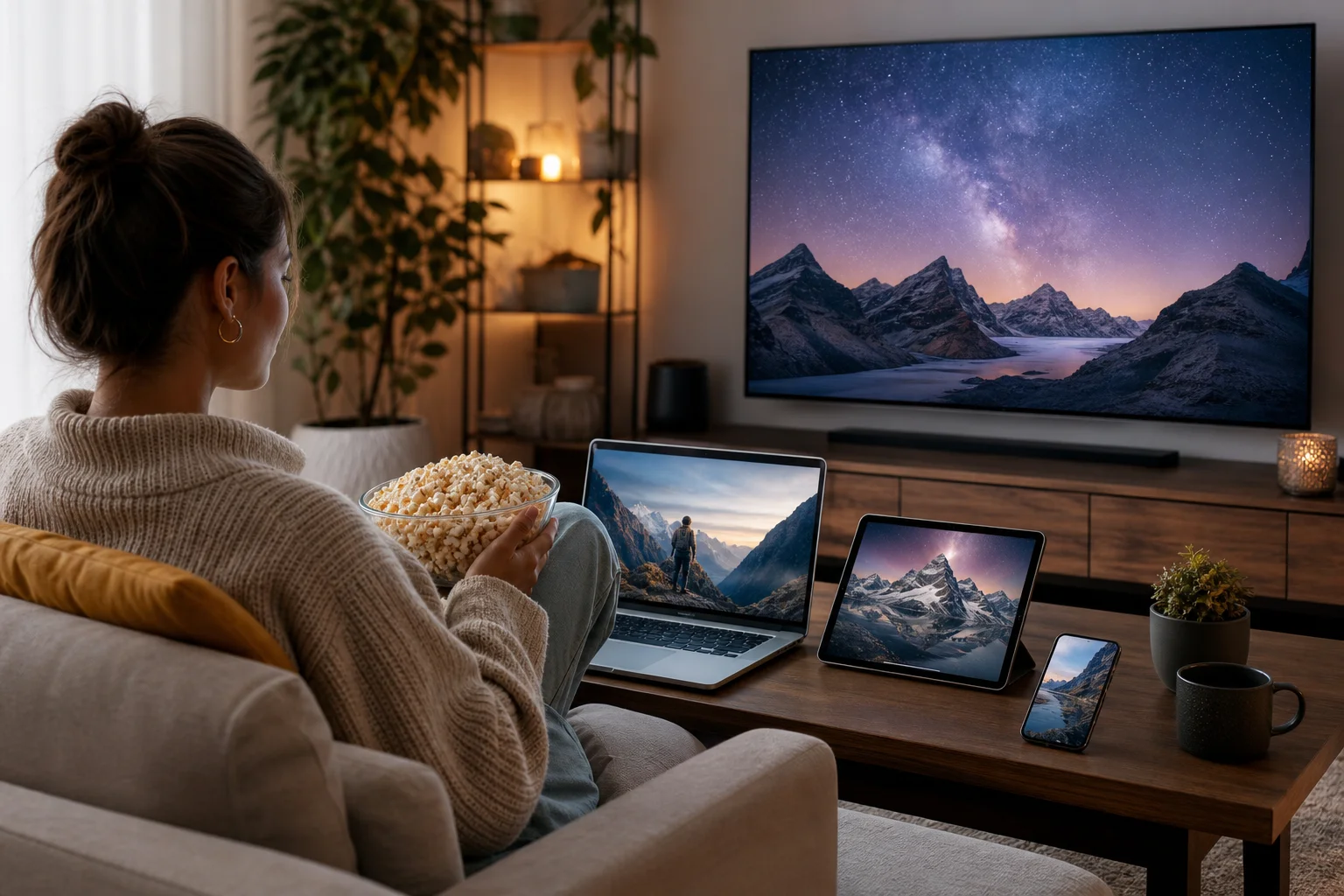
After switching to BeFreeVPN, Sarah’s streaming routine changed. She could open her device, connect to the location she needed, and start watching with far fewer interruptions. Shows that were previously unavailable became accessible when supported by the relevant streaming catalog and her account.
The most noticeable improvement was stability. Instead of pausing every few minutes or dropping to low resolution, streams loaded more smoothly. She could finish full episodes without restarting the app or switching servers repeatedly.
For Sarah, this was the real win. Access was important, but uninterrupted viewing made the difference between a tool she would keep and a tool she would abandon.
What improved in Sarah’s viewing experience
- Fewer playback interruptions: Her sessions felt more consistent than with free VPNs.
- Better video quality: Stable speeds helped maintain clearer playback.
- More useful regional access: She could explore content available in different regions while using her subscriptions.
- Less setup friction: No registration required meant she could get started quickly.
- Device flexibility: She could use the VPN across the devices she already relied on.
Sarah also became more realistic about VPN use. She learned that no VPN can guarantee access to every streaming service or title at all times. Licensing changes, platform policies, and VPN detection can affect availability. Still, compared with her previous setup, BeFreeVPN gave her a better balance of simplicity, performance, and cost.
Takeaways: Lessons from Sarah’s VPN Journey
Sarah’s case is useful because it reflects a common streaming problem. Many viewers do not need a complex security stack or dozens of advanced settings. They need a dependable paid VPN that supports smooth streaming, protects everyday browsing, and works without constant troubleshooting.
Key factors to consider when choosing a VPN for streaming
When comparing paid VPN services, focus on the features that shape real viewing quality:
- Connection speed: Look for stable performance, not just impressive speed claims.
- Server locations: More relevant locations can improve your chances of accessing the catalogs you need.
- Streaming reliability: The VPN should maintain long sessions without frequent disconnects.
- Device compatibility: Make sure it works on your phone, laptop, tablet, and preferred streaming setup.
- Ease of use: A clean, simple app helps you connect quickly.
- Privacy basics: A VPN should encrypt traffic and avoid unnecessary complexity.
- Fair pricing: The best paid VPN for streaming should offer value, not just a long feature list.
Why paid VPNs usually beat free VPNs for streaming
Free VPNs can be useful for occasional browsing, but streaming exposes their limits quickly. Video requires steady bandwidth. Regional access requires dependable servers. Long viewing sessions require connections that do not cut out halfway through an episode.
Paid VPNs are generally better suited to these demands because they can support stronger infrastructure, more consistent speeds, and fewer restrictive limits. For Sarah, that difference turned VPN use from a workaround into a normal part of her entertainment routine.
Where BeFreeVPN fit Sarah’s needs
BeFreeVPN helped Sarah find the middle ground she wanted. It was simple enough for quick use, practical for streaming, and cost-effective for someone who cared more about reliable access than complicated settings. Most importantly, it solved the problem she actually had: watching the content available through her services with fewer regional roadblocks.
FAQ: Choosing the Best Paid VPN for Streaming
What makes a VPN good for streaming?
A good streaming VPN offers stable speed, useful server locations, simple apps, and reliable connections. It should reduce buffering and make it easy to switch regions when appropriate.
Is a paid VPN better than a free VPN for streaming?
In most cases, yes. Paid VPNs are usually more reliable for streaming because they tend to offer better speeds, fewer data limits, and more consistent server access than free services.
Can a VPN unlock every streaming service?
No VPN can guarantee access to every title or platform. Streaming services may change licensing rules or block VPN traffic. A strong VPN improves flexibility, but users should follow platform terms and local laws.
Why did Sarah choose BeFreeVPN?
Sarah chose BeFreeVPN because it matched her priorities: smooth streaming, ease of use, cost-effectiveness, no registration required, and compatibility with the devices she used every day.
Conclusion: A Better Way to Stream Across Borders
Sarah’s experience shows that the right VPN can turn a frustrating streaming routine into a smoother one. By moving beyond limited free tools and choosing a reliable paid option, she gained better speed, fewer interruptions, and easier access to geo-restricted content through her existing subscriptions.
Try BeFreeVPN today to experience effortless access to geo-restricted content, with no registration required and complete compatibility with all your devices.