9 posts tagged with "geo-restrictions"

View All Tags

Unlock seamless streaming on Apple TV: A case study with BeFreeVPN

· 12 min read

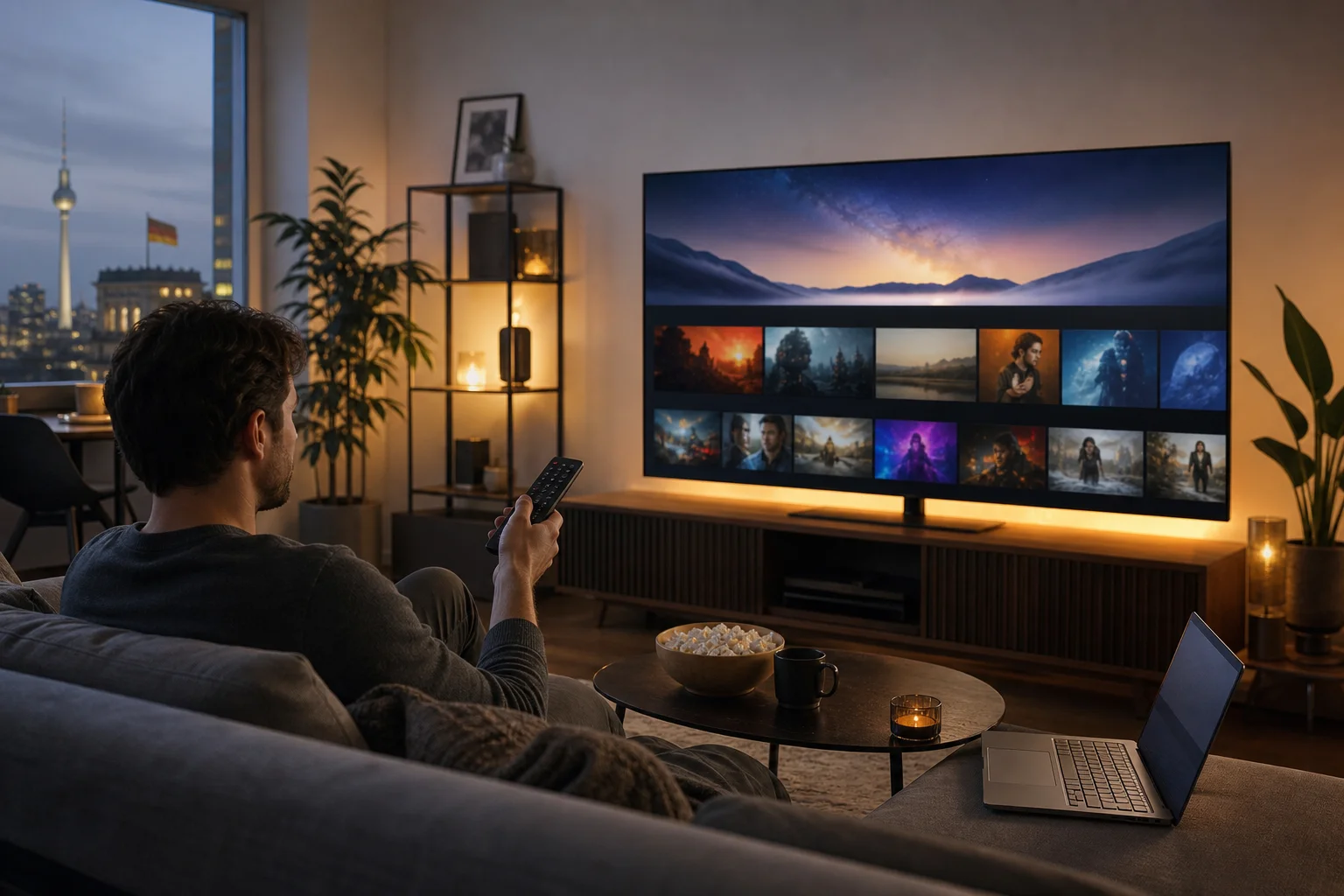
How did Alex, an avid streaming enthusiast, overcome regional restrictions on his Apple TV to access content from around the world? This case study follows his search for a vpn for apple tv for streaming, the problems he ran into, and how BeFreeVPN helped him turn a frustrating living-room setup into a more flexible way to watch the shows and films available through his own streaming subscriptions.

Alex’s story is familiar to many Apple TV users. The device is fast, polished, and ideal for a large-screen streaming experience. Yet the moment he tried to follow international releases, travel with his subscriptions, or compare catalogs across regions, he hit the same wall again and again: geo-restrictions.

This article breaks down what happened, what Alex tested, and what other Apple TV users can learn from his experience.

Meet Alex, the avid streamer​

Alex is the kind of viewer who plans Friday evenings around new film releases. He follows crime dramas from Europe, documentaries from the United States, anime releases from Japan, and indie films that often appear in one country long before another.

Apple TV was his preferred device because it kept everything simple. His streaming apps were organized in one place. The interface was smooth. The picture quality on his TV was excellent. For most everyday viewing, it worked exactly as he wanted.

However, his frustration started when friends recommended shows that were not available in his region. Sometimes he could see an article about a new season, but the title did not appear in his app. At other times, he would travel and find that his usual catalog looked different. In a few cases, a show appeared in search results but could not be played from his location.

Alex was not looking for shortcuts or illegal access. He already paid for several streaming services. His goal was practical: he wanted more consistent access to content libraries while using his Apple TV, especially when traveling or watching international releases that his subscriptions supported in other regions.

Because Alex is reasonably tech-savvy, he did not stop at generic advice. He compared options, read about VPNs, checked how Apple TV handles network settings, and looked for a tool that would not make streaming feel slower or more complicated.
vpn for apple tv streaming setup

The challenge: geo-restrictions on Apple TV​

Geo-restrictions are location-based content rules. Streaming platforms use your IP address and other signals to decide which catalog, language options, or playback rights apply to your session. That means two users with the same subscription can sometimes see different content depending on where they are.

For Alex, the issue became clear in three situations:

  • A series recommended by a friend was available abroad but missing from his local catalog.
  • While traveling, his usual watchlist changed and some titles became unavailable.
  • Certain international releases arrived late in his region, even though reviews and discussions were already everywhere online.

On a laptop or phone, using a VPN can be straightforward. Apple TV, however, has historically been more restrictive than desktop devices. Depending on the Apple TV model, tvOS version, and VPN provider, users may need to use a dedicated tvOS VPN app, configure a VPN on a router, or share a protected connection from another device.

Alex first tried workarounds that did not fully solve the problem. AirPlay from a laptop was inconsistent for long viewing sessions. Browser-based viewing was less convenient than using native Apple TV apps. Changing app store regions created more friction than value. None of these options felt like a living-room solution.

His ideal solution had to meet four requirements:

  1. Work well with Apple TV streaming. It had to fit the way he actually watched content.
  2. Protect speed. Buffering would ruin the point of watching in 4K or HD.
  3. Be easy to start. He did not want a long registration process or complex account setup.
  4. Feel reliable. A VPN that disconnects often is not useful for movie nights.

In short, Alex needed a VPN for Apple TV that focused on streaming performance, simple access, and stable viewing.

The solution: Discovering BeFreeVPN​

Alex found BeFreeVPN while comparing lightweight VPN options for streaming devices. What caught his attention was the promise of a free VPN experience with no registration required. For someone who had already tested tools that demanded accounts, email confirmations, and upsell screens before basic use, this stood out.

He still had doubts. Free VPN tools can vary widely in quality, and Alex cared about privacy, speed, and stability. So he treated BeFreeVPN as a test rather than an instant fix. His plan was to evaluate it the same way he would evaluate any streaming setup: install or connect, pick a location, open the streaming apps he already used, and check whether playback remained smooth.

How Alex approached setup on Apple TV​

The exact setup path for a VPN on Apple TV can depend on your tvOS version and the VPN features available in your region. Alex kept the process practical and followed a simple checklist.

  1. Check the Apple TV software version.
    He first confirmed that his Apple TV was updated. Newer tvOS versions offer better support for VPN apps than older setups.

  2. Look for the simplest BeFreeVPN connection method.
    Where a direct Apple TV app or supported setup was available, he preferred that route. It kept the experience closer to using any other TV app.

  3. Consider router-level VPN use if needed.
    As a backup, he reviewed whether his home router could route Apple TV traffic through a VPN. This can protect every device connected to that router, but it requires more care.

  4. Select a relevant VPN location.
    Alex chose locations based on the catalog or region he wanted to access, then tested one streaming service at a time.

  5. Test playback before a full movie night.
    He played trailers, skipped through episodes, and watched for buffering before committing to a long film.

  6. Keep expectations realistic.
    A VPN does not create subscriptions, remove platform rules, or guarantee that every title will work. It can help with location-based access, but streaming services may change detection methods over time.

Why BeFreeVPN stood out for Alex​

Alex compared his experience with the common problems he had seen in other VPN tools.

NeedWhat Alex wantedHow BeFreeVPN helped in his case
Easy startNo long signup processBeFreeVPN required no registration to begin using it
Streaming comfortSmooth playback on Apple TVHis tests showed stable viewing with fewer interruptions
FlexibilityAccess to international catalogsHe could test different locations for supported services
Low commitmentTry before relying on itThe free model made testing simple
Living-room usabilityA setup that did not feel technical every timeOnce configured, it fit into his normal Apple TV routine

This comparison did not make Alex careless. Instead, it made him more confident. BeFreeVPN reduced the friction that had stopped him from using a VPN consistently on Apple TV.
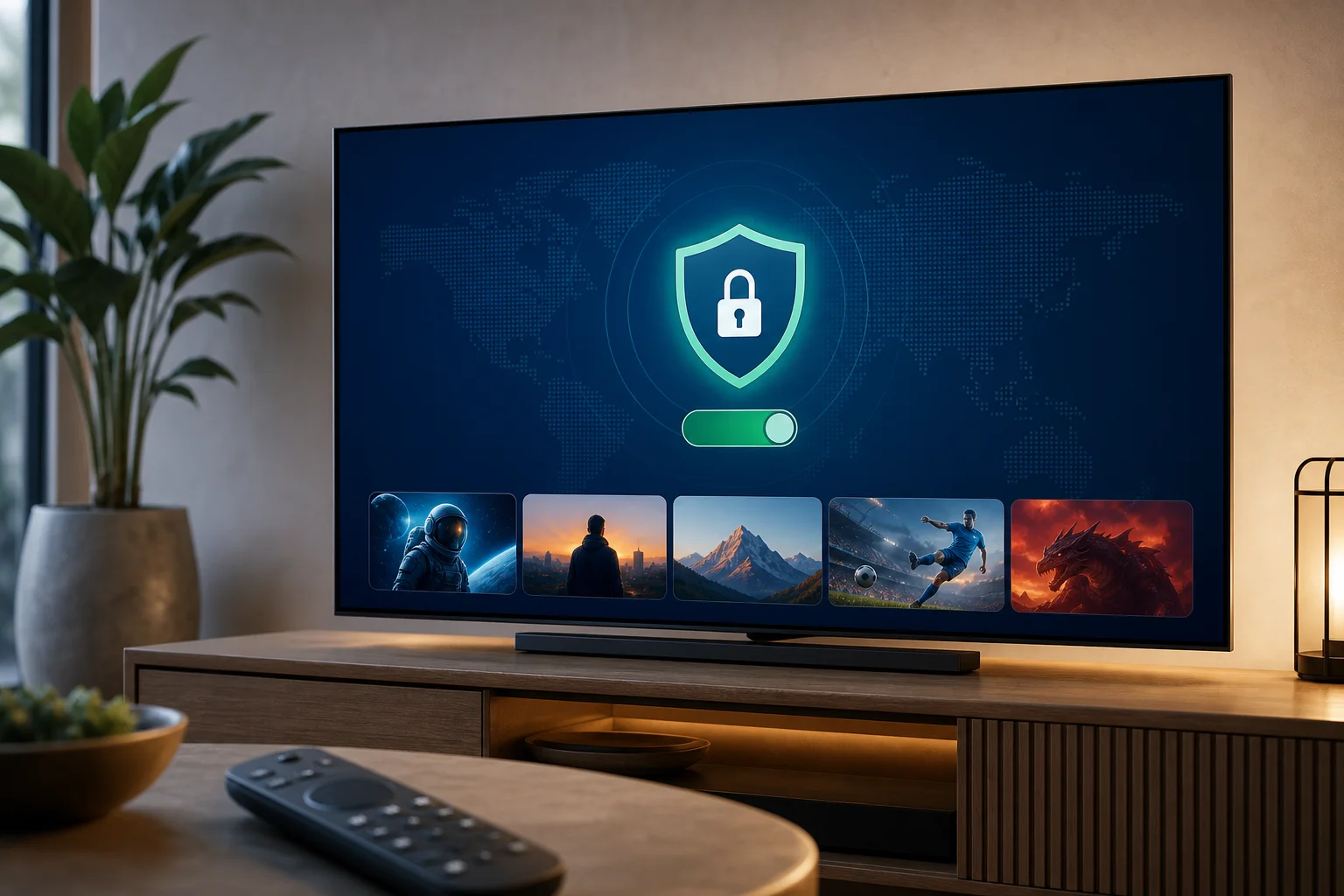
BeFreeVPN streaming on Apple TV

Results: Unlocked streaming potentials​

After setup, Alex started with the titles that had caused the most frustration. He opened the streaming apps he already subscribed to, selected the appropriate VPN location, and checked whether the missing catalogs or titles appeared.

In his tests, the biggest improvement was consistency. Instead of switching devices or searching for awkward workarounds, he could use Apple TV as intended. His watchlist became easier to manage. International recommendations from friends were more useful. Travel-related catalog changes were less disruptive.

Playback quality also mattered. Alex expected some speed loss because VPNs encrypt and reroute traffic. However, he found that his normal viewing remained smooth when he selected nearby or well-performing server locations. For everyday HD streaming, the experience was stable enough that he stopped thinking about the VPN and focused on the show.

Alex described the change this way:

“Before using BeFreeVPN, I felt like Apple TV was powerful but boxed in. After setting it up, I could explore more of the content I already cared about without turning movie night into a technical project.”

He also noticed a less obvious benefit: discovery improved. When he could view different regional catalogs, he found documentaries, local dramas, and older films that rarely appeared in his default recommendations. This made Apple TV feel less like a closed shelf and more like a global entertainment hub.

Still, Alex kept sensible habits. He did not assume every service would work every time. He tested locations before inviting friends over for a specific title. He also made sure he respected the terms of the streaming platforms he used and understood that licensing rules can change.

For him, the result was not magic. It was better control. BeFreeVPN gave him a practical way to reduce geo-blocking friction without abandoning the Apple TV experience he already liked.

Takeaways: What Alex learned​

Alex’s experience offers a useful blueprint for other intermediate Apple TV users who want better streaming access without overcomplicating their setup.

Key benefits he found with BeFreeVPN​

Alex identified several benefits that mattered most for Apple TV streaming:

  • No registration barrier. He could start testing without creating another account.
  • Free access. This lowered the risk of trying a VPN for Apple TV before building it into his routine.
  • More flexible streaming. He could explore region-based catalogs through his existing services.
  • Better living-room workflow. Once configured, Apple TV remained the center of the experience.
  • Stable viewing in real use. The setup worked best when he chose suitable locations and tested playback first.

These points made BeFreeVPN a practical option for his needs. More importantly, they helped him avoid the usual trap of choosing a tool based only on marketing claims. He judged it by the actual streaming experience on his TV.

Advice for Apple TV users facing similar issues​

If you are considering a VPN for Apple TV for streaming, Alex’s process is a good starting point.

  1. Update your Apple TV first. Newer software may offer better VPN support and app compatibility.
  2. Use a VPN location that matches your goal. Do not choose a random country. Pick the region related to the catalog you want to access.
  3. Test with short content first. Try an episode preview, trailer, or a short show before starting a long film.
  4. Prioritize speed and stability. The fastest VPN location is often geographically closer, but results can vary.
  5. Keep your subscriptions active. A VPN changes location signals; it does not replace paid streaming access.
  6. Have a backup setup. If direct Apple TV use is not available, router-level configuration may be worth exploring.

By following these steps, users can avoid many common mistakes, such as blaming the streaming app when the real issue is a weak server choice or outdated device software.

Common questions about using a VPN on Apple TV​

Can I use a VPN on Apple TV for streaming?​

Yes, in many cases. Depending on your Apple TV model, tvOS version, and VPN provider, you may be able to use a dedicated tvOS VPN app or route Apple TV traffic through a VPN-enabled router. The goal is to change the network location used by your streaming apps.

Will a VPN improve Apple TV streaming speed?​

A VPN does not automatically make streaming faster. In fact, encryption can add overhead. However, a stable VPN connection can reduce location-related blocks and may provide smooth playback when the server is well chosen and your base internet speed is strong.

Does BeFreeVPN require registration?​

BeFreeVPN is designed to be free and require no registration, which was one of the reasons Alex tested it. That made it easier for him to try the service on his Apple TV setup without committing to a long signup process.

Is using a VPN the same as getting free streaming content?​

No. A VPN does not give you subscriptions or paid titles for free. Alex used BeFreeVPN with services he already paid for. A VPN can help with regional access, privacy, and network routing, but streaming platform rules and content licenses still apply.

What should I do if a streaming app still blocks content?​

Try another VPN location, restart the app, check your Apple TV software, and confirm that the title is included with your subscription in that region. If it still does not work, the platform may be blocking VPN traffic or limiting access based on account rules.

Conclusion: Turning Apple TV into a more flexible streaming hub​

Alex’s case shows that the right VPN setup can make Apple TV more useful for international streaming. His challenge was not a lack of subscriptions or interest. It was the friction caused by geo-restrictions, travel changes, and fragmented content libraries. By testing BeFreeVPN carefully, he found a simple way to access more of the entertainment he cared about while keeping Apple TV at the center of his home setup.

Experience the freedom Alex felt by using BeFreeVPN on your Apple TV — it's free, requires no registration, and elevates your streaming adventures effortlessly.
Unlock streaming potential: How BeFreeVPN transformed Harold's TV experience

· 11 min read

Imagine wanting to stream your favorite international TV shows, only to be blocked by geo-restrictions. This was Harold's reality until he found a seamless solution. In this case study, we look at how Harold chose a VPN for television for streaming, why BeFreeVPN fit his needs, and what changed in his weekly viewing routine after he set it up on his smart TV and streaming devices.

Harold was not trying to build a complicated home network. He simply wanted dependable access to more shows, smoother regional browsing, and fewer dead ends when opening streaming apps. His story is useful for anyone who understands the basics of VPNs but wants a practical, TV-first example.

VPN for television streaming setup

Meet Harold: The avid streamer​

Harold is the kind of viewer who treats television as a way to explore the world. During the week, he watches British crime dramas, Japanese variety shows, European documentaries, and the occasional international film recommended by friends. He subscribes to several streaming platforms and uses a smart TV in the living room, plus a streaming stick in the bedroom.

He is semi-tech-savvy. He can install apps, update device settings, and troubleshoot Wi-Fi, but he does not want to spend an evening adjusting router firmware or reading advanced networking guides. For Harold, a good technology tool should be simple enough to use after work and reliable enough to forget about once it is running.

That expectation shaped his search for a VPN for TV streaming. He wanted three things:

  • A simple setup that worked with his television environment.
  • Access to more regional content libraries when available through his streaming subscriptions.
  • A low-friction experience without complex registration steps.

Harold had read about VPNs before. He understood that a virtual private network can route traffic through a server in another location, helping with privacy and sometimes making regional streaming catalogs accessible. However, he also knew that not every VPN works well for television. Some are built mainly for laptops. Others need manual configuration. Many require accounts, passwords, or multi-step sign-ins that feel awkward on a TV remote.

So, while Harold was interested, he was cautious. He did not want another app that promised a lot but added more problems to his routine.

The challenge: Facing geo-restrictions​

Harold's main frustration was regional availability. A show would appear in an online recommendation thread, but when he searched for it on his streaming app, it was missing. Sometimes a trailer was visible, yet the full episodes were unavailable in his country. At other times, a platform promoted a series that friends abroad could watch, while Harold saw a different catalog.

This did not happen once. It became part of his weekly entertainment routine. Every Friday, he would build a short watchlist. By Saturday night, several titles were blocked, unavailable, or hidden behind regional licensing limits.

Geo-restrictions are common in streaming because licensing rights differ by country. A service may have permission to show a series in Japan, the UK, or Canada, but not in Harold's location. For viewers, the result feels inconsistent. The same app can offer different libraries depending on where the connection appears to come from.

Harold had already tried other VPN options. Yet each attempt had a drawback:

Option Harold triedWhat went wrongWhy it mattered for TV streaming
Browser-based VPN extensionsWorked only on his laptop browserHis main screen was the living room TV
Router-level VPN setupToo technical and time-consumingHe did not want to risk disrupting the whole home network
VPN apps with long sign-up flowsAnnoying to use with a remoteLogging in on a TV felt slow and clumsy
Inconsistent VPN serversStreaming apps often detected or blocked themHe still could not reach the shows he wanted

The problem was not that Harold disliked technology. The problem was that most solutions were not designed around the way he actually watched television. He wanted to sit down, open a streaming app, choose a region when needed, and enjoy the show.

Instead, he spent too much time troubleshooting. That frustration slowly reduced his interest in discovering international content. The experience had become less about entertainment and more about barriers.

The solution: Discovering BeFreeVPN​

Harold first heard about BeFreeVPN in a trusted online community focused on streaming setups, smart TV apps, and practical cord-cutting advice. The discussion was not full of hype. Users were comparing what worked on real devices, what was easy to install, and what did not require advanced network changes.

Two points caught Harold's attention right away: BeFreeVPN was described as easy to use, and it offered a no-registration experience. For someone who wanted less friction, that mattered. He did not want to create yet another account before testing whether a VPN could improve his TV streaming setup.

He also checked device compatibility. BeFreeVPN fit his situation because it could work with his smart TV and other streaming devices. That meant he did not have to force a laptop-based workaround or cast every show from another screen.

How Harold set up BeFreeVPN for TV streaming​

Harold's process was simple enough to repeat. For readers looking for a featured-snippet-style summary, here is the basic flow he followed:

  1. He confirmed his device path. Harold checked whether BeFreeVPN could be used directly on his smart TV or through his streaming device.
  2. He installed or opened the VPN option. He followed the device instructions instead of changing router settings.
  3. He selected a relevant location. For UK shows, he chose a UK connection. For Japanese content, he selected Japan when available.
  4. He opened his streaming app. After connecting through BeFreeVPN, he launched the platform tied to the region he wanted to browse.
  5. He tested playback. He watched a few minutes of video to check loading time, picture quality, and stability.
  6. He saved a simple routine. Once he knew what worked, he repeated the same steps for future viewing sessions.

This approach gave Harold what he wanted: control without complexity. He did not need to learn networking jargon. He did not need to register before trying the service. Most importantly, the process matched how he watched TV.

Why BeFreeVPN matched Harold's needs​

BeFreeVPN worked for Harold because it solved the practical parts of the problem. It was not only about changing a virtual location. It was about making that change easy from the couch.

The main benefits were clear:

  • No registration barrier: Harold could start without creating an account.
  • TV-friendly use: The setup worked with his smart TV and streaming devices.
  • Regional flexibility: He could choose locations based on the content he wanted to explore.
  • Low hassle: He avoided router changes and complex manual configurations.
  • Better entertainment flow: He spent more time watching and less time fixing access issues.

Harold also stayed realistic. A VPN does not change subscription requirements, remove paywalls, or override a streaming service's terms. He still needed valid access to the platforms he used. BeFreeVPN simply helped him reduce location-based barriers where regional access was the issue.

The results: Unmatched streaming experience​

After using BeFreeVPN, Harold's TV routine changed quickly. The biggest difference was not just the number of shows he could find. It was the reduction in friction. Instead of ending the night annoyed by unavailable titles, he could explore different regional libraries with a more predictable process.

In his usual viewing sessions, Harold found that playback felt smooth and he did not notice extra buffering when using suitable servers and a stable home connection. That detail mattered because many viewers worry that a VPN will slow down video. While speeds can vary by network, server distance, and device, Harold's experience was strong enough that he kept using BeFreeVPN as part of his regular setup.

His streaming options expanded. He began exploring:

  • Japanese dramas and variety programs recommended by online communities.
  • UK documentaries and mystery series that were not visible in his default catalog.
  • International films that appeared in regional collections.
  • New releases discussed by friends abroad.

international TV streaming with VPN

More importantly, Harold regained the feeling of discovery. Before BeFreeVPN, his watchlist felt limited by blocks and missing titles. Afterward, it felt open again. He could follow recommendations more easily and compare what different catalogs offered.

Before and after BeFreeVPN​

AreaBefore BeFreeVPNAfter BeFreeVPN
Finding international showsFrequent dead ends and missing titlesMore regional libraries to explore
Setup experienceComplicated apps or router-level confusionSimple, TV-friendly routine
Account frictionSign-ups and login steps slowed testingNo-registration access made starting easier
Weekly viewing moodFrustration and abandoned watchlistsMore relaxed exploration
Device fitLaptop workarounds did not suit TV viewingSmart TV and streaming device compatibility helped

The change was practical, not magical. Harold still checked platform availability, kept his subscriptions active, and understood that streaming rules can change. However, his VPN for television streaming problem was finally manageable.

Takeaways: A new world of entertainment​

Harold's case shows that the best VPN choice is often the one that fits real habits. He did not need the most complicated setup. He needed a free VPN with no registration that worked well enough on television and did not interrupt his evening.

His main takeaways were simple:

  • Ease matters. A VPN can have strong features, but if it is awkward on a TV, it may not become part of daily use.
  • No registration lowers the barrier. Harold appreciated being able to try BeFreeVPN without a long onboarding process.
  • Device compatibility is essential. A VPN for television for streaming should work where people actually watch: smart TVs, streaming sticks, and living room setups.
  • Streaming access is about consistency. The value came from repeating a simple process whenever Harold wanted to explore a different region.
  • Recommendations become more useful. When friends suggested shows from Japan, the UK, and other regions, Harold could investigate them with less frustration.

Because the experience worked for him, Harold started recommending BeFreeVPN to friends and family who had similar problems. His advice was practical: check your device, connect to the right region, keep your streaming subscriptions valid, and test the shows you want to watch.

He also reminded people to respect local laws and streaming service terms. A VPN is a privacy and connectivity tool, not a guarantee that every title will be available everywhere. Still, for Harold, it made international TV discovery far more enjoyable.

Common questions about using a VPN for television streaming​

Can I use a VPN on a smart TV for streaming?​

Yes, in many cases you can use a VPN with a smart TV or a connected streaming device. The exact setup depends on the TV platform and the VPN app or connection method. Harold chose BeFreeVPN because it fit his TV-focused routine without requiring complex router changes.

Will a VPN always unblock every streaming service?​

No. Streaming access depends on licensing, platform rules, VPN server availability, and detection systems. A VPN can help with regional access, but it does not guarantee that every service or title will work every time.

Does a VPN slow down TV streaming?​

A VPN can affect speed because traffic is routed through another server. However, the impact varies. Harold's experience was smooth when he used a stable home connection and selected an appropriate region. For best results, choose a nearby relevant server when possible and test playback before starting a long movie.

Is a no-registration VPN useful for streaming?​

A no-registration VPN can be useful if you want to test access quickly and avoid extra account steps on a TV remote. Harold valued this feature because it made BeFreeVPN easy to try and simple to keep using.

What should I check before choosing a VPN for TV streaming?​

Check device compatibility, ease of setup, server locations, privacy features, and whether the VPN works with your normal streaming workflow. Also confirm that you have valid subscriptions for the services you want to watch.

Conclusion: Harold's streaming setup became simpler and broader​

Harold's story is a practical example of how the right VPN can improve television streaming without turning entertainment into a technical project. By choosing BeFreeVPN, he reduced geo-restriction frustration, expanded his international watchlist, and kept his setup simple enough for everyday use.

Join Harold and enhance your streaming experience with BeFreeVPN — the free, no-registration VPN that opens up a world of content on your television.

How BeFreeVPN transformed streaming on Samsung TV: a case study

· 10 min read

Ever wondered how Alex finally accessed his favorite global shows on his Samsung TV? Discover the simple VPN trick that changed his streaming experience forever. This case study shows how a VPN for Samsung TV for streaming helped Alex reduce geo-blocking frustration, compare setup options, and use BeFreeVPN to make international streaming libraries easier to reach from his home in Germany.

Meet Alex: avid streamer and tech enthusiast​

Alex lives in Germany, works in product support, and enjoys testing new gadgets after hours. His living room setup is simple but capable: a Samsung Smart TV, a fast fiber connection, a soundbar, and subscriptions to several major streaming services. On paper, he had everything he needed for relaxed movie nights.

In practice, his streaming choices often felt smaller than expected. Friends in the UK talked about shows he could not find. US-based podcasts recommended documentaries that did not appear in his local app catalog. Even when a title had the same name, the available seasons were sometimes different from region to region.

Alex understood why this happens. Streaming platforms license shows by country, and apps on a Samsung TV usually determine the available catalog based on location, account region, DNS information, IP address, and service rules. Still, knowing the reason did not make the experience less annoying.

What made the problem more frustrating was that Alex was not a beginner. He could configure a router, troubleshoot Wi-Fi, and compare network settings without feeling lost. Yet he wanted a clean solution, not a weekend project. His goal was clear: access UK and US streaming libraries more easily from Germany while keeping the Samsung TV experience as simple as using a normal app.

vpn for Samsung TV streaming setup

The streaming challenge: geo-restrictions on Samsung TV​

Geo-restricted content is one of the most common barriers for international streamers. A show may be available in one country but hidden in another because the platform only has distribution rights in certain markets. As a result, two people using the same streaming app may see different catalogs.

Samsung TVs add an extra challenge. Unlike phones or laptops, many Samsung Smart TVs do not support installing a standard VPN app directly from the TV app store. Samsung’s Tizen-based system is built for media apps, not always for advanced VPN clients. That means users often need a network-level workaround.

Before choosing BeFreeVPN, Alex tried several approaches:

  • Searching the Samsung TV app store for a native VPN app, but finding no simple option.
  • Casting from a laptop, which worked sometimes but felt clunky for everyday viewing.
  • Changing app settings, which did not reliably change the streaming library.
  • Testing DNS tweaks, which helped with some services but lacked the privacy and routing benefits of a VPN.
  • Using a browser on another device, which defeated the point of watching comfortably on the big screen.

These workarounds were not useless, but they were inconsistent. Some required too many steps. Others broke when an app refreshed location data. Alex needed a smoother way to route his Samsung TV traffic through another region when he wanted to explore a different content library.

What Alex needed from a Samsung TV VPN setup​

Alex made a short checklist before choosing a tool:

RequirementWhy it mattered for streaming
Easy setupHe did not want a complex manual configuration every time he watched TV.
UK and US access optionsThese were the main libraries he wanted to explore from Germany.
No registration frictionHe wanted to test quickly without a long sign-up process.
Multiple-device supportHis phone, laptop, and TV setup all needed flexibility.
Stable performanceStreaming needs reliable speed and low interruptions.
Simple switchingHe wanted to move between regions without rebuilding the setup.

This checklist pushed him toward BeFreeVPN because it focused on quick access, easy use, and a no-registration experience.

Finding the solution: BeFreeVPN to the rescue​

Alex discovered BeFreeVPN while looking for a practical VPN for Samsung TV streaming. The important detail was that he did not need a native Samsung TV VPN app to benefit from it. Instead, he could run BeFreeVPN through a supported device or network method and then connect the Samsung TV through that route.

Because Samsung TV models and router settings vary, Alex considered two realistic setup paths.

Step-by-step: how Alex set up BeFreeVPN for Samsung TV streaming​

  1. He checked his Samsung TV network settings. Alex confirmed whether the TV was connected by Wi-Fi or Ethernet and noted the current network name.
  2. He chose the VPN connection method. Since his TV did not support a direct VPN app, he used a shared connection approach from a device running BeFreeVPN. A router-based setup can also work when the router supports VPN configuration.
  3. He opened BeFreeVPN and selected a region. For UK shows, he chose a UK location. For US libraries, he switched to a US location.
  4. He connected the Samsung TV to the VPN-routed network. This made the TV’s streaming traffic use the selected route.
  5. He restarted the streaming app. Closing and reopening the app helped refresh location-related data.
  6. He tested playback with a familiar title. Alex checked whether the catalog changed and whether playback remained smooth.
  7. He saved the setup for repeat use. Once the connection worked, he kept the steps simple so he could repeat them on movie nights.

This process was faster than his earlier experiments because BeFreeVPN reduced the usual friction. The no-registration flow made it easy to start. The interface did not require him to dig through advanced settings. Also, because BeFreeVPN could be used across devices, Alex was not limited to the TV. He could test the same region on his laptop or phone before watching on the Samsung screen.

Why BeFreeVPN fit the use case​

For Alex, BeFreeVPN was not just about changing an IP address. It solved a practical living-room problem. He wanted to sit down, open an app, and watch. The features that mattered most were:

  • No registration required: Alex could start quickly without creating another account.
  • Simple region selection: He could choose UK or US access depending on what he wanted to watch.
  • Device flexibility: He could use BeFreeVPN with more than one device in his home setup.
  • Beginner-friendly controls: The app avoided making a simple task feel like network administration.
  • A smoother TV workflow: Once configured, the Samsung TV felt closer to a normal streaming experience.

Alex also kept expectations realistic. VPN access can depend on the streaming service, the selected region, and the platform’s own detection systems. He used BeFreeVPN to improve access and reduce friction, while understanding that no VPN can guarantee every title on every service at all times.

Results: unlocking a world of content​

After configuring BeFreeVPN, Alex noticed the biggest change immediately: his Samsung TV no longer felt locked to only one local catalog. When he selected a UK route, the content options in supported apps aligned more closely with what he expected from UK availability. When he switched to a US route, he could explore a wider range of American shows and documentaries.

The improvement was not only about more titles. It was about convenience. Instead of connecting a laptop to the TV or juggling casting sessions, Alex could use the Samsung TV interface he already liked. He could browse with the remote, use the streaming apps installed on the TV, and keep his living-room routine intact.

Samsung TV streaming with BeFreeVPN

What changed in Alex’s streaming routine​

Before BeFreeVPN, Alex’s routine involved trial and error. He would hear about a show, search for it, fail to find it, then try another device. Sometimes he gave up and watched something else.

After BeFreeVPN, the process became more direct:

  • He chose the content region he wanted to explore.
  • He connected through BeFreeVPN using his chosen setup method.
  • He reopened the streaming app on the Samsung TV.
  • He browsed a larger set of available shows.
  • He watched on the big screen without switching devices mid-session.

Streaming quality also felt more consistent than his casting workaround. Casting depended on both the source device and the TV connection. With the TV using a VPN-routed network, playback was easier to manage. As with any VPN, speed could vary by server, distance, and home network conditions. However, Alex found the experience smoother than his previous patchwork of fixes.

Most importantly, Alex could access both UK and US streaming libraries with less hassle. That met his original goal. He did not need to become a network engineer, and he did not need to give up the comfort of watching directly on his Samsung TV.

Takeaways: the power of BeFreeVPN for streamers​

Alex’s case shows why the right VPN setup matters for Samsung TV owners. A TV is not the same as a phone. You may not be able to install a VPN directly on it, but you can still use a VPN-routed connection to improve access to global content.

The main benefits Alex experienced were straightforward:

  • More content discovery: BeFreeVPN helped him explore UK and US streaming catalogs from Germany.
  • Less setup frustration: The no-registration approach made testing faster.
  • Better living-room usability: He could keep using the Samsung TV interface instead of relying on casting.
  • Flexible device support: He could test regions on other devices before watching on the TV.
  • A repeatable process: Once the setup worked, it was easy to use again.

For intermediate users, this is often the sweet spot. You understand the basics of VPNs and geo-restrictions, but you still want a solution that respects your time. BeFreeVPN gave Alex a way to unlock more viewing options without turning every streaming session into a troubleshooting task.

FAQ: using a VPN for Samsung TV streaming​

Can I install a VPN directly on a Samsung TV?​

Usually, no. Many Samsung Smart TVs do not support standard VPN apps directly. Most users connect the TV through a VPN-enabled router, a shared hotspot, or another supported network method.

Is BeFreeVPN useful if my Samsung TV has no VPN app?​

Yes. You can still use BeFreeVPN by routing the Samsung TV connection through a supported device or network setup. This lets the TV use the VPN connection without installing a VPN app on the TV itself.

Does a VPN guarantee access to every streaming library?​

No. Access depends on the streaming platform, licensing rules, account settings, and VPN detection systems. A VPN can help bypass location barriers, but results may vary by service and region.

Which locations should I choose for UK and US shows?​

Choose a UK location when you want to browse UK-focused libraries and a US location for American catalogs. After switching regions, restart the streaming app so it can refresh location data.

Will a VPN slow down Samsung TV streaming?​

Any VPN can affect speed because traffic takes an extra route. For the best result, use a stable home connection, choose a nearby suitable server when possible, and avoid overcrowded Wi-Fi networks.

Conclusion: a simpler path to global streaming​

Alex’s experience proves that a VPN for Samsung TV for streaming can be practical when it is set up in the right way. BeFreeVPN helped him move beyond local catalog limits, explore UK and US content more easily, and keep the comfort of watching on his Samsung TV. Unlock the full potential of your Samsung TV streaming experience with BeFreeVPN—effortlessly accessing geo-restricted shows without registration.

How BeFreeVPN transformed streaming on Google TV: a case study

· 12 min read

Meet Alex, a movie enthusiast frustrated by the limited streaming options on his Google TV due to regional restrictions. Here's how a simple solution transformed his viewing experience. In this case study, we look at how using a vpn for google tv for streaming helped Alex explore more international films, reduce friction, and make better use of the device already at the center of his living room.

Alex’s story is not about chasing shortcuts. It is about solving a practical streaming problem: content availability changes by region, and Google TV users often discover that the title they want is blocked, missing, or listed only in another country’s catalog. For Alex, BeFreeVPN became a simple way to test whether a VPN could fit into his normal viewing routine without extra accounts, complex setup, or ongoing hassle.

vpn for google tv streaming setup

1. Meet Alex: A Streaming Enthusiast​

Alex is the kind of viewer who keeps a watchlist for every mood. On weeknights, he likes slow-burn dramas. On weekends, he looks for international thrillers, classic European films, Korean series, documentaries, and festival picks that rarely show up on local homepages.

Google TV is his primary entertainment source. It brings his apps, recommendations, rentals, and subscriptions into one interface. Because of that, Alex expects it to be the easiest place to discover what to watch next.

However, his location often shaped what he could actually watch. Some titles appeared in articles, trailers, or friends’ recommendations but were not available in his region. Others showed up in search results only to lead to a dead end: unavailable, not included, or locked to a different catalog.

For an intermediate user like Alex, the problem was not a lack of interest or devices. He already had the hardware. He already paid for streaming services. What he needed was a more flexible way to access the content libraries available to him when traveling digitally between regions, while still keeping the experience simple enough for the living room.

Why Google TV mattered in Alex’s setup​

Alex used Google TV because it made streaming feel unified. Instead of opening each app one by one, he could search across services and continue watching from a central home screen. That convenience was important.

Still, convenience has limits when streaming catalogs are region-based. A smart interface can help users find content, but it cannot always overcome licensing restrictions by itself. That is where Alex began researching whether a VPN for Google TV streaming could help.

2. The Challenge: Geo-Restrictions on Google TV​

The main challenge was geo-blocking. Many streaming platforms organize their libraries by country or region because licensing agreements vary. As a result, Alex’s favorite shows and films were not always available where he lived.

This created three practical frustrations:

  • Missing international releases: Alex would read about a new series, only to find it absent from his local catalog.
  • Inconsistent search results: Google TV could surface a title, but the available provider options were limited or unavailable.
  • Fragmented viewing habits: Instead of watching what interested him, Alex spent time checking forums, app catalogs, and release notes.

Over time, this changed how he used Google TV. He stopped relying on discovery features and started assuming that many recommendations would not work. That made the device feel less powerful than it should have been.

His concern: Can you really use a VPN on Google TV?​

Alex had used VPN apps on phones and laptops before. Google TV felt different. It sits in the living room, connects to multiple streaming apps, and depends on a remote-control interface. He was unsure whether a VPN would be easy to install, whether it would slow down streams, and whether switching locations would interrupt playback.

He had three key questions:

  1. Would a VPN app work smoothly on Google TV?
  2. Would setup require advanced router changes?
  3. Would streaming quality suffer because of the VPN connection?

These are common concerns. Many people assume VPNs for TVs require complicated router configuration. In some cases, that may be true. But for Android-based TV platforms such as Google TV, app-based setup can be much more direct when the VPN supports the device.

3. The Solution: Implementing BeFreeVPN on Google TV​

Alex discovered BeFreeVPN while looking for a free VPN option that did not require registration. The appeal was immediate: he wanted to test a VPN for streaming on Google TV without creating another account or committing to a setup that might not fit his needs.

BeFreeVPN stood out for three reasons:

  • It was free to try.
  • It did not require registration.
  • It offered a simple interface that matched what Alex wanted from a TV app.

His goal was not to rebuild his home network. He wanted a practical streaming VPN setup that worked directly on Google TV and could be controlled with a remote.

Step-by-step: How Alex set up BeFreeVPN on Google TV​

The setup was straightforward. While exact steps can vary depending on device model and region, Alex’s process followed this simple path:

  1. Open Google TV home screen
    Alex started from the main Google TV interface and made sure the device was connected to Wi-Fi.

  2. Go to the apps section
    He opened the app search area from the Google TV menu.

  3. Search for BeFreeVPN
    Using the remote, he searched for the VPN app by name.

  4. Install the app
    Once he found it, he selected install and waited for the download to complete.

  5. Open BeFreeVPN
    After installation, he launched the app directly from Google TV.

  6. Choose a VPN location
    He selected a server region based on the content he wanted to access.

  7. Connect the VPN
    With one action, he connected and let the VPN establish a secure tunnel.

  8. Return to streaming apps
    Finally, he reopened his streaming apps and checked the available catalogs.

This step-by-step flow mattered because it kept the process within Google TV. Alex did not need to configure a router, sideload unknown files, or manage a separate desktop app.

BeFreeVPN on Google TV streaming

Setup experience: simple enough for everyday use​

The user-friendly interface made the biggest difference. On a TV, every extra menu feels heavier than it does on a phone. Alex needed large, clear choices and a connection process that did not require typing long credentials.

Because BeFreeVPN required no registration, there was less friction. Alex did not have to enter an email address using the TV remote or check a confirmation message on another device. He could install, open, connect, and test.

That simplicity made BeFreeVPN feel like part of the viewing workflow rather than a separate technical task.

Quick comparison: before and after BeFreeVPN​

AreaBefore BeFreeVPNAfter BeFreeVPN
Content accessLimited by local catalog availabilityBroader access to region-based libraries
Setup effortUnclear and intimidatingApp-based setup on Google TV
Viewing routineFrequent searching and disappointmentMore direct discovery and playback
Account frictionConcern about extra sign-upsNo registration required
Streaming confidenceUnsure if VPN would work on TVComfortable using VPN as needed

This comparison shows why the solution worked for Alex. It did not just unlock more content options. It also reduced the mental effort involved in getting started.

4. Results: Unlocked Streaming without Boundaries​

After setting up BeFreeVPN, Alex noticed the main change immediately: he had more control over what he could explore. Instead of accepting a narrow local catalog, he could check content availability from different regions and discover titles that had been out of reach.

That did not mean every title became available everywhere. Streaming access still depends on the platform, subscription status, licensing rules, and the VPN location selected. However, BeFreeVPN gave Alex a practical way to reduce regional barriers and make more informed choices about where and how he watched.

Broader access to global media​

The biggest win was variety. Alex could explore more international films and series from different regions. This changed his viewing habits in a healthy way. Instead of rewatching the same local recommendations, he began exploring:

  • International dramas and crime series
  • Documentaries from other regions
  • Foreign-language films
  • Regional streaming catalogs while traveling or researching content
  • Niche genres that were harder to find locally

For someone who loves global cinema, this felt like restoring the promise of streaming. Google TV became a discovery tool again.

Streaming quality and buffering experience​

Alex was especially concerned about buffering. A VPN can affect speed because traffic is routed through a remote server. However, in his experience, BeFreeVPN operated smoothly enough for normal streaming sessions.

Several factors helped:

  • He used a stable home Wi-Fi connection.
  • He selected VPN locations that matched his streaming goals.
  • He avoided switching regions during active playback.
  • He closed unused apps when performance felt heavy.

As a result, he did not feel that the VPN made streaming difficult. Instead, it became a background tool he used when needed.

A better relationship with Google TV​

The most interesting result was not only technical. It was behavioral. Alex started using Google TV more confidently.

Before BeFreeVPN, he often stopped searching after one or two unavailable titles. After setup, he was more willing to explore recommendations, compare catalogs, and try new genres. The device felt less restricted and more aligned with his interests.

That is the real value of a Google TV VPN for streaming: it can turn a passive, limited experience into an active discovery process.

5. Takeaways: The Game-Changer for Google TV Users​

Alex’s case offers several useful lessons for anyone facing similar streaming restrictions.

First, a VPN can be practical on Google TV when it is easy to install and operate. Many users avoid VPNs because they imagine advanced networking steps. In Alex’s case, app-based setup made the process manageable.

Second, no-registration access matters on a TV device. Typing emails, passwords, and verification codes with a remote can be annoying. BeFreeVPN reduced that friction, which made testing easier.

Third, streaming freedom is not only about access. It is about enjoyment. When Alex stopped worrying so much about unavailable titles, he spent more time watching and less time troubleshooting.

Key benefits Alex experienced​

  • More streaming options: He could explore a wider range of regional content.
  • Simpler setup: Installation happened directly on Google TV.
  • No registration barrier: He could try BeFreeVPN without creating an account.
  • Smooth daily use: The app fit naturally into his viewing routine.
  • Better content discovery: Google TV became more useful for international media.

What other Google TV users should consider​

If you are thinking about using a VPN for streaming on Google TV, keep a few best practices in mind:

  • Use a reliable internet connection.
  • Choose the VPN location based on the content region you need.
  • Check the terms of service of your streaming platforms.
  • Keep your Google TV software and apps updated.
  • Test performance with different servers if playback feels slow.

These habits help make the VPN experience smoother and more predictable.

FAQ: VPN for Google TV for Streaming​

Can I use a VPN on Google TV for streaming?​

Yes. Many Google TV devices support VPN apps, making it possible to install and run a VPN directly on the device. This can help with privacy and with accessing region-specific streaming catalogs, depending on the service and licensing rules.

Is BeFreeVPN free on Google TV?​

BeFreeVPN is positioned as a free VPN option with no registration required. That made it useful for Alex because he could test the setup quickly without creating another account.

Will a VPN improve streaming quality?​

A VPN is not designed to increase your base internet speed. In some cases, it may slightly reduce speed because traffic is routed through another server. However, with a stable connection and a suitable server, Alex was able to stream smoothly without major buffering issues.

Do I need to change my router settings to use a VPN on Google TV?​

Not always. If the VPN app is available for your Google TV device, you may be able to install it directly. Router setup is usually only needed when a device does not support VPN apps or when you want VPN coverage for every device on the network.

VPN use is legal in many countries, but laws vary by location. Also, streaming platforms may have terms that govern region access. Always follow local laws and review the terms of the services you use.

Conclusion: A Practical Streaming Upgrade for Google TV​

Alex’s experience shows how a simple VPN setup can change the way someone uses Google TV. He started with frustration: unavailable shows, limited catalogs, and uncertainty about whether a VPN would be too technical. By using BeFreeVPN, he found a practical way to explore more global content, keep setup simple, and enjoy Google TV as a more flexible streaming hub.

Ready to transform your Google TV streaming experience like Alex? Try BeFreeVPN for free — no registration required, and enjoy your favorite content seamlessly from anywhere.

How sarah discovered the best paid VPN for streaming seamlessly

· 10 min read

Discover how Sarah overcame her streaming frustrations with a simple VPN solution that unlocked endless entertainment possibilities. In this case study, we follow her search for the best paid VPN for streaming, why free tools failed, and how BeFreeVPN helped her enjoy smoother access to geo-restricted content across her devices.

Streaming should feel simple. You choose a show, press play, and relax. Yet for Sarah, an avid viewer with a growing watchlist, that easy routine often ended with a frustrating message: “This title is not available in your region.” Her journey shows what many streamers learn the hard way: speed, reliability, and ease of use matter just as much as access.

Meet Sarah: The Avid Binge-Watcher​

Sarah is the kind of viewer who plans her evenings around season premieres. She follows international dramas, documentaries, comedy specials, and limited series from multiple streaming platforms. When a new show trends overseas, she wants to understand the conversation, not wait months for a local release.

At first, she assumed every subscription gave her the same library as everyone else. But the more she searched, the more she noticed gaps. Friends in other countries could watch shows she could not find. Trailers appeared in her recommendations, but the full episodes stayed locked. Sometimes a platform showed the title page, only to block playback at the final step.

That mismatch made streaming feel unpredictable. Sarah was not trying to avoid paying for content. She already subscribed to legitimate services. She simply wanted to access the entertainment available through her accounts while traveling, browsing international catalogs, or catching releases that were not yet available in her region.

So she began looking for a practical answer. Her goal was clear: find the best paid VPN for seamless streaming without turning every movie night into a technical project.

streaming VPN setup

The Streaming Challenge: Geo-Restrictions Unveiled​

Geo-restrictions are one of the most common reasons viewers see different content libraries. Streaming platforms license shows and films by country or region. As a result, a series available in one location may be unavailable in another, even on the same service.

For Sarah, this created three recurring problems:

  • Missing titles: Shows promoted online did not appear in her local app.
  • Blocked playback: Some titles appeared but would not stream from her location.
  • Inconsistent access while traveling: A series she started at home could disappear abroad.

A VPN can help by routing internet traffic through a server in another location. This may allow a user to access content catalogs associated with that region. However, viewers should always respect local laws and the terms of their streaming platforms. A VPN is also not a magic switch. Some services actively block VPN traffic, so quality and reliability matter.

Why free VPNs failed Sarah’s streaming needs​

Before paying for a VPN, Sarah tried free options. They seemed attractive because they required little commitment. But once she used them for real streaming sessions, the drawbacks became obvious.

Streaming needFree VPN experienceWhy it mattered
Stable speedFrequent buffering and quality dropsHD and 4K streaming need consistent bandwidth
Server choiceFew locations availableLimited locations reduced content access options
ReliabilityConnections failed during peak hoursMovie nights became unpredictable
Data allowanceMonthly caps ran out quicklyA few episodes could exhaust the limit
Ease of useCluttered apps and repeated promptsSetup felt harder than it should

The biggest issue was not one single failure. It was the combination. A free VPN might work for light browsing, but Sarah needed long sessions, stable video quality, and servers that did not collapse under demand.

That is when she realized a reliable paid VPN for streaming was less of a luxury and more of a practical tool.

Finding the Ideal Solution: The VPN Quest​

Sarah approached her search like an informed consumer. She did not want to choose the loudest ad or the most complicated feature list. Instead, she focused on the factors that affect streaming in everyday use.

Sarah’s criteria for the best paid VPN options​

She narrowed her decision to four core requirements:

  1. Speed for smooth playback
    A VPN adds an extra step between the device and the internet. If the service is slow, streaming quality suffers. Sarah wanted fast connections that could handle HD viewing without constant buffering.

  2. Reliable access to multiple regions
    A streaming VPN should offer useful server locations and stable connections. Sarah wanted the flexibility to access geo-restricted content when traveling or when a title was available in a different catalog.

  3. Simple setup across devices
    She watched on a laptop, phone, tablet, and sometimes a TV setup. A good VPN had to be easy enough to use on a busy weekday evening.

  4. Cost-effectiveness
    Sarah did not want to overpay for features she would never use. She wanted a paid option that balanced performance, privacy, and value.

During her research, Sarah found many VPN providers with long feature pages. Some were built for advanced users. Others focused mainly on corporate security. Then she came across BeFreeVPN, which stood out because it matched her actual streaming routine: simple access, no registration required, and compatibility across devices.

Step-by-step: how Sarah tested BeFreeVPN for streaming​

To avoid guessing, Sarah created a simple test process. This helped her compare real results instead of relying on marketing claims.

  1. She listed the platforms she used most.
    This included the streaming apps where she already had valid subscriptions.

  2. She identified the shows that were blocked or missing.
    Instead of testing random titles, she focused on the series she actually wanted to watch.

  3. She connected to a relevant VPN location.
    She chose a server region where the show was available, then reopened the streaming app.

  4. She checked playback quality.
    Sarah watched for buffering, resolution drops, audio delays, and connection interruptions.

  5. She repeated the test on different devices.
    A VPN that works on a laptop but feels awkward on mobile would not solve her everyday problem.

  6. She compared the experience with her free VPN attempts.
    This made the improvement easy to measure: fewer interruptions, faster loading, and less frustration.

BeFreeVPN did not require Sarah to become a networking expert. That mattered. The best VPN for streaming is not only the one with technical power. It is also the one people can use consistently.

Results: Streaming Without Borders​

After switching to BeFreeVPN, Sarah’s streaming routine changed. She could open her device, connect to the location she needed, and start watching with far fewer interruptions. Shows that were previously unavailable became accessible when supported by the relevant streaming catalog and her account.

The most noticeable improvement was stability. Instead of pausing every few minutes or dropping to low resolution, streams loaded more smoothly. She could finish full episodes without restarting the app or switching servers repeatedly.

For Sarah, this was the real win. Access was important, but uninterrupted viewing made the difference between a tool she would keep and a tool she would abandon.

What improved in Sarah’s viewing experience​

  • Fewer playback interruptions: Her sessions felt more consistent than with free VPNs.
  • Better video quality: Stable speeds helped maintain clearer playback.
  • More useful regional access: She could explore content available in different regions while using her subscriptions.
  • Less setup friction: No registration required meant she could get started quickly.
  • Device flexibility: She could use the VPN across the devices she already relied on.

Sarah also became more realistic about VPN use. She learned that no VPN can guarantee access to every streaming service or title at all times. Licensing changes, platform policies, and VPN detection can affect availability. Still, compared with her previous setup, BeFreeVPN gave her a better balance of simplicity, performance, and cost.

paid VPN for streaming

Takeaways: Lessons from Sarah’s VPN Journey​

Sarah’s case is useful because it reflects a common streaming problem. Many viewers do not need a complex security stack or dozens of advanced settings. They need a dependable paid VPN that supports smooth streaming, protects everyday browsing, and works without constant troubleshooting.

Key factors to consider when choosing a VPN for streaming​

When comparing paid VPN services, focus on the features that shape real viewing quality:

  • Connection speed: Look for stable performance, not just impressive speed claims.
  • Server locations: More relevant locations can improve your chances of accessing the catalogs you need.
  • Streaming reliability: The VPN should maintain long sessions without frequent disconnects.
  • Device compatibility: Make sure it works on your phone, laptop, tablet, and preferred streaming setup.
  • Ease of use: A clean, simple app helps you connect quickly.
  • Privacy basics: A VPN should encrypt traffic and avoid unnecessary complexity.
  • Fair pricing: The best paid VPN for streaming should offer value, not just a long feature list.

Why paid VPNs usually beat free VPNs for streaming​

Free VPNs can be useful for occasional browsing, but streaming exposes their limits quickly. Video requires steady bandwidth. Regional access requires dependable servers. Long viewing sessions require connections that do not cut out halfway through an episode.

Paid VPNs are generally better suited to these demands because they can support stronger infrastructure, more consistent speeds, and fewer restrictive limits. For Sarah, that difference turned VPN use from a workaround into a normal part of her entertainment routine.

Where BeFreeVPN fit Sarah’s needs​

BeFreeVPN helped Sarah find the middle ground she wanted. It was simple enough for quick use, practical for streaming, and cost-effective for someone who cared more about reliable access than complicated settings. Most importantly, it solved the problem she actually had: watching the content available through her services with fewer regional roadblocks.

FAQ: Choosing the Best Paid VPN for Streaming​

What makes a VPN good for streaming?​

A good streaming VPN offers stable speed, useful server locations, simple apps, and reliable connections. It should reduce buffering and make it easy to switch regions when appropriate.

Is a paid VPN better than a free VPN for streaming?​

In most cases, yes. Paid VPNs are usually more reliable for streaming because they tend to offer better speeds, fewer data limits, and more consistent server access than free services.

Can a VPN unlock every streaming service?​

No VPN can guarantee access to every title or platform. Streaming services may change licensing rules or block VPN traffic. A strong VPN improves flexibility, but users should follow platform terms and local laws.

Why did Sarah choose BeFreeVPN?​

Sarah chose BeFreeVPN because it matched her priorities: smooth streaming, ease of use, cost-effectiveness, no registration required, and compatibility with the devices she used every day.

Conclusion: A Better Way to Stream Across Borders​

Sarah’s experience shows that the right VPN can turn a frustrating streaming routine into a smoother one. By moving beyond limited free tools and choosing a reliable paid option, she gained better speed, fewer interruptions, and easier access to geo-restricted content through her existing subscriptions.

Try BeFreeVPN today to experience effortless access to geo-restricted content, with no registration required and complete compatibility with all your devices.

How BeFreeVPN helps jane use a VPN without subscription without registration

· 12 min read

What if you could access your favorite international shows without any subscriptions or registrations? Meet Jane, who cracked the code. In this case study, we look at how she uses a vpn without subscription without registration to reduce friction, switch regions quickly, and enjoy a simpler path to global streaming with BeFreeVPN.

Jane is not trying to build a complex privacy lab or manage a long list of paid tools. She wants something practical. She wants to open an app, connect, and get back to watching the films, series, documentaries, and live cultural programming she already cares about. That simple goal is what makes her story useful for other viewers who value access, speed, and convenience.

Before we begin, one important note: streaming availability can depend on platform terms, licensing rules, and local laws. A VPN can help protect a connection and change the network location seen by websites, but access may vary by service. Jane’s experience is best understood as a practical case study in reducing barriers, not as a guarantee for every platform.

Meet Jane: An Avid Streaming Enthusiast​

Jane lives in a large city, works in digital marketing, and spends much of her free time exploring television and film from around the world. Her watchlist is broad. One week she might be watching a Nordic crime series. The next, she may want a Korean variety show, a French documentary, or an independent film from Latin America.

Because she follows international media closely, Jane often discovers new shows before they become widely available in her region. She reads reviews, follows creators on social platforms, and swaps recommendations with friends abroad. However, the excitement often fades when she opens a streaming app and sees a familiar problem: the title is not available where she is.

That frustration is not just about missing one show. It interrupts her whole viewing routine. Jane may spend 20 minutes finding a recommendation, checking reviews, and confirming where it streams, only to hit a regional restriction at the final step. For someone who enjoys global content, that feels like a dead end.

streaming with vpn without registration

Jane also has limited patience for tedious onboarding. She understands technology well enough to compare apps, read permissions, and adjust settings. Still, she does not want to create another account, verify another email address, enter payment details, or remember another password just to test a tool.

For Jane, the ideal streaming helper has three traits:

  • No subscription barrier: She does not want to commit before she knows whether the tool fits her routine.
  • No registration requirement: She prefers not to hand over personal details for a basic connection.
  • Fast setup: She wants to connect in minutes, not troubleshoot for an evening.

This is why the idea of a free VPN without account creation appealed to her. It matched her personality: technically aware, privacy-conscious, and impatient with unnecessary steps.

The Challenge: Facing Geo-restricted Content​

Jane’s main challenge was not a lack of options. In fact, the VPN market gave her too many choices. Many apps claimed to be simple, but the details told a different story. Some required an email address before download. Others pushed a free trial that asked for payment information. A few buried basic connection options behind confusing menus.

For Jane, geo-restricted content created three recurring problems.

1. Region-based streaming libraries changed what she could watch​

Streaming catalogs are often shaped by licensing agreements. A show available in one country may be absent in another. Jane found this especially frustrating when friends abroad recommended content she could not even preview from her location.

She did not need a complicated workaround. She needed a straightforward way to connect through another region and check whether the content was available to her account and platform.

2. Registration added friction before she could test anything​

Jane had tried tools that advertised quick access but required several steps before the first connection. The process usually looked like this:

  1. Download the app.
  2. Create an account.
  3. Verify an email address.
  4. Choose a plan or start a trial.
  5. Decline upsells.
  6. Finally connect.

Each step made the tool feel less immediate. Worse, Jane could not always tell whether the service would work for her streaming needs until after she had shared data or entered payment details.

3. Subscriptions felt excessive for casual, flexible viewing​

Jane did not object to paying for tools that clearly delivered value. However, she did not want another recurring subscription for occasional viewing checks, travel, or quick access needs. She wanted flexibility first.

In short, Jane needed a VPN with no registration and no subscription that still felt usable for an intermediate user. She did not want a mysterious tool. She wanted a clear interface, fast connection, and enough simplicity to avoid wasting time.

What Jane needed from a no-registration VPN​

NeedWhy it mattered to JaneWhat a good solution should do
No account creationReduces personal data sharing and setup timeLet her connect without email verification
No subscriptionAvoids recurring costs for casual useOffer free access without forcing payment details
Simple region selectionHelps test international availabilityMake server choice clear and quick
Fast connectionKeeps the focus on streamingConnect with minimal configuration
Practical privacyProtects traffic on public or shared networksEncrypt the connection and avoid needless onboarding

This comparison helped Jane define the problem more clearly. She was not looking for the most feature-heavy VPN. She was looking for the least obstructive path to global content.

The Solution: Discovering BeFreeVPN​

Jane discovered BeFreeVPN while searching for a practical VPN without subscription or registration. What stood out was the promise of immediate use. Instead of building the entire experience around account creation, BeFreeVPN positioned itself as a free solution that could be opened and used without the usual formalities.

For Jane, that was the key difference. She did not have to pause and decide whether to share an email address. She did not have to compare monthly and annual plans. She did not have to start a trial that might renew later. She could simply install the app, choose a connection, and test whether it suited her streaming workflow.

Jane’s setup process, step by step​

Jane’s first session with BeFreeVPN was intentionally simple:

  1. She installed BeFreeVPN on her device.
    She chose the version that matched her platform and completed the installation.

  2. She opened the app without creating an account.
    There was no long profile form, no email verification, and no payment page blocking the first use.

  3. She selected a VPN location.
    Jane picked a region relevant to the content she wanted to access.

  4. She connected to the VPN.
    Once connected, her traffic routed through the selected VPN server.

  5. She opened her streaming service.
    She checked the title availability and tested playback quality where access was permitted.

  6. She adjusted if needed.
    If a platform behaved differently than expected, she tried another available location or returned to her normal connection.

This process gave Jane something she had been missing: control without delay. BeFreeVPN did not require her to make a commitment before she could see whether the tool fit the job.

Why BeFreeVPN matched Jane’s technical comfort level​

Jane is an intermediate user. She understands that a VPN is not magic. It creates an encrypted tunnel between her device and a VPN server, and websites may see the VPN server’s location rather than her original network location. She also knows that some streaming platforms detect or restrict VPN traffic.

Even with that knowledge, she values simplicity. BeFreeVPN helped because it removed non-technical barriers rather than overwhelming her with advanced controls. She could focus on the outcome: connecting quickly, testing access, and returning to her content.

That balance mattered. A beginner might appreciate the lack of setup. An advanced user might want more configuration. Jane sat in the middle. She wanted enough control to choose a location, but not so many settings that streaming became a network administration task.

The Results: Unlimited Access, Streamlined Experience​

After adopting BeFreeVPN, Jane’s viewing routine became smoother. The biggest change was psychological as much as technical. She no longer felt blocked by the first hurdle. When she found a show from another region, she had a quick method to test access rather than abandoning the idea.

The no-registration model also made the experience feel lighter. Jane did not have to manage another account in her password manager. She did not have to worry about a trial expiring. She did not have to evaluate whether a monthly subscription made sense for a single show.

befreevpn global streaming access

What improved in Jane’s streaming workflow​

Before BeFreeVPN, Jane’s process was slow and uncertain. After using it, her workflow became more direct:

  • Discovery stayed exciting. When she found a foreign-language series, she could act on the recommendation quickly.
  • Testing was faster. She could connect to a location and check availability without signing up first.
  • Privacy felt more intentional. No registration meant fewer details shared during setup.
  • Costs stayed predictable. With no subscription required, there was no recurring VPN bill to track.
  • Her routine became more flexible. She could use the VPN when needed rather than building her streaming habits around a paid plan.

Jane’s satisfaction came from removing small obstacles that used to pile up. None of those obstacles was impossible on its own. But together, registrations, trials, payment forms, and region blocks made global streaming feel harder than it needed to be.

A realistic view of “unlimited access”​

The phrase “unlimited access” can sound absolute, so Jane treats it carefully. For her, it means fewer borders in her everyday discovery process and more chances to reach the content she is interested in. It does not mean every streaming service will always work in every country or that licensing rules disappear.

This realistic mindset helped her avoid disappointment. BeFreeVPN gave her a faster path and more options. It did not replace the need to follow platform terms or respect local regulations.

Takeaways: BeFreeVPN's Impact on Streaming Without Borders​

Jane’s case shows why a VPN without subscription without registration can be valuable for people who want fewer barriers. The benefit is not only about cost. It is also about time, attention, and control.

For streaming fans, every extra step matters. If a tool asks for registration before proving its usefulness, many users will leave. If it requires payment details for a trial, cautious users may hesitate. If it hides basic connection features behind a complex interface, even technically capable users may lose interest.

BeFreeVPN’s impact on Jane’s routine came from reducing that friction.

Key benefits Jane found​

  • Immediate access: She could start without waiting for account approval or email verification.
  • No subscription pressure: She did not have to commit to a recurring plan for casual streaming needs.
  • Simpler privacy posture: No registration meant less personal information at the start.
  • Better global discovery: She had a practical way to explore content availability across regions.
  • Lower cognitive load: The tool supported her goal instead of distracting from it.

Who is this approach best for?​

Jane’s experience is especially relevant for users who:

  • Watch international shows, films, or documentaries.
  • Travel and want a quick VPN option on shared networks.
  • Prefer not to create accounts for every utility app.
  • Want to test a free VPN before considering more complex tools.
  • Value speed and convenience over advanced configuration.

However, users with highly specific needs may still compare options. For example, someone who needs dedicated IP addresses, enterprise controls, or detailed protocol settings may want a more advanced VPN setup. Jane’s goal was different. She wanted hassle-free access and fewer formalities.

Quick FAQ: VPN Without Subscription or Registration​

Can I really use a VPN without registration?​

Yes, some VPN apps are designed to work without account creation. In Jane’s case, BeFreeVPN helped her connect without email verification, profile setup, or a traditional sign-up flow.

Is a free VPN without subscription useful for streaming?​

It can be useful for testing access and reducing setup friction. However, streaming results may vary by platform, region, and VPN detection systems. Always follow the terms of the services you use.

Does no registration mean better privacy?​

No registration can reduce the amount of personal information you provide during setup. Still, privacy also depends on the VPN provider’s policies, technical design, and how you use the service.

Why would an intermediate user choose BeFreeVPN?​

An intermediate user like Jane may understand VPN basics but still prefer a fast, lightweight tool. BeFreeVPN fits that need by focusing on immediate access without subscription or registration barriers.

What should I check before using any VPN for global content?​

Check local laws, streaming platform terms, connection quality, available regions, and the provider’s privacy information. A VPN is most useful when it fits both your technical needs and your legal responsibilities.

Conclusion: A Simpler Path to Global Streaming​

Jane’s story highlights a clear lesson: convenience can be the deciding factor. She did not need another complicated app, another subscription, or another account. She needed a simple way to explore global content with fewer delays. BeFreeVPN gave her that option by combining free access, no registration, and a streamlined connection experience.

If you're like Jane and want immediate access to your favorite shows across borders, try BeFreeVPN—it's free, requires no registration, and opens up a world of content effortlessly.

How Alex streamed the world with a VPN for free without registration

· 10 min read

Ever wondered how you could access all streaming content worldwide without spending a dime or signing up? Meet Alex, who did just that. In this case study, we follow how a remote worker used a vpn for free without registration to reduce travel-related streaming blocks, keep setup simple, and explore more regional content with BeFreeVPN. The focus is practical: what Alex needed, what changed, and what other streaming fans should consider before trying the same approach.

This is not a promise that every platform, country, or title will work every time. Streaming services change licensing rules and VPN detection methods often. However, Alex’s experience shows why a no-registration free VPN can be useful when convenience, privacy, and fast setup matter.

1. Meet Alex: The Global Content Enthusiast​

Alex is a remote worker who spends several months a year moving between countries. One month might be spent in Spain, the next in Thailand, and later in Canada. Work stays the same: video calls, project dashboards, and late-night deadlines. Entertainment, however, changes constantly.

After work, Alex likes watching movies, documentaries, live sports, and local shows from different regions. Streaming is part of the travel routine. It is also a way to stay connected with home. A familiar comedy series or weekend match can make a rented apartment feel less temporary.

The problem started when Alex noticed that the same streaming account looked different from country to country. A show available at home disappeared abroad. A sports replay worked in one region but not another. Even trailers and catch-up episodes could be blocked by location.

Alex did not want a complicated fix. Paid VPN plans looked useful, but many required creating an account, choosing a subscription, adding payment details, and managing renewals. Free trials often asked for a card upfront. Browser extensions looked easy, but some required registration before connecting.

So Alex’s ideal solution was clear:

  • It had to be free to start.
  • It had to work without registration.
  • It had to be simple enough to use while traveling.
  • It had to support everyday streaming, browsing, and basic privacy.
  • It had to avoid a long technical setup.

In short, Alex needed a free VPN without sign-up friction.

free VPN streaming traveler

2. The Challenge: Locked Doors to Global Streaming​

Geo-restrictions are common in streaming. They usually happen because content rights are licensed by country or region. A platform may own rights to stream a show in the United States, but not in Germany. Another service may show live sports in the UK, while the same event is blocked elsewhere.

For a frequent traveler like Alex, this creates a confusing experience. The device, account, and subscription may be the same, but the available library changes when the IP address changes. Streaming platforms use that IP address as one signal to estimate location.

What made the problem harder for Alex​

Alex’s situation had several layers:

NeedWhy it matteredWhat made it difficult
Access to familiar showsHelped Alex relax after workLibraries changed by country
Live sports availabilityEvents were time-sensitiveSome streams were region-limited
Quick setupAlex often used hotel or short-term rental Wi-FiRegistration and verification slowed things down
Privacy while travelingPublic and shared networks were commonFree tools were not always trustworthy
Predictable performanceStreaming needs stable speedSome VPNs caused buffering or failed to connect

The biggest issue was not only access. It was the repeated inconvenience. Every trip created a new location problem. Every new network raised another privacy concern. Alex wanted less friction, not another service to manage.

That is why a free VPN with no registration stood out. It removed two common barriers: cost and sign-up. For Alex, that meant testing a connection quickly before investing time or money.

It is also worth noting that VPNs should be used responsibly. Streaming platforms may have terms that restrict location changes or VPN use. Local laws can also vary. Alex’s goal was to access legitimate accounts and reduce travel friction, not to pirate content or bypass payment.

3. The Solution: Unlocking Content with BeFreeVPN​

Alex found BeFreeVPN while reading travel and remote-work forums. The comments were not full of technical language. Instead, users talked about simple needs: connect while abroad, avoid registration, and test streaming access without committing to a plan.

That matched Alex’s priorities. BeFreeVPN offered the kind of low-friction experience Alex wanted: download, open, connect. No long profile. No email confirmation. No payment step before testing.

Why no registration mattered​

For Alex, “no registration” was not just about speed. It also meant fewer personal details shared with another service. When traveling, Alex already had to manage airline accounts, hotel portals, coworking apps, and streaming subscriptions. Avoiding yet another login reduced digital clutter.

A no-registration VPN can be especially appealing to people who:

  • Need a quick connection while traveling.
  • Do not want to share an email address for basic use.
  • Prefer fewer accounts and passwords.
  • Want to test whether a VPN fits their streaming routine.
  • Value privacy and simplicity over advanced configuration.

Alex’s step-by-step setup process​

Here is the simple flow Alex followed:

  1. Downloaded BeFreeVPN from the official source for the device in use.
  2. Opened the app without creating an account.
  3. Selected a server location that matched the content region Alex wanted to test.
  4. Connected to the VPN and waited for the status to show an active connection.
  5. Opened the streaming service and checked whether the desired title or event appeared.
  6. Tested playback quality for a few minutes before settling in to watch.
  7. Changed servers when needed if a stream did not load or if speeds felt slower.

This process helped Alex treat BeFreeVPN like a travel tool. It was not a complicated networking project. It was closer to switching Wi-Fi networks: choose, connect, test, and continue.

The user experience in plain English​

Alex cared less about protocols and more about outcomes. Could the VPN connect quickly? Could it stay connected during an episode? Could it help access a regional library while abroad? Could Alex use it without explaining personal details or card information?

In Alex’s experience, the answer was mostly yes. Some services still detected VPN traffic, which can happen with any provider. But the overall process was simple enough that Alex kept using BeFreeVPN as a first option when streaming access changed during travel.

BeFreeVPN no registration setup

4. Results: Open Access to the World​

After using BeFreeVPN during several trips, Alex noticed a major improvement in day-to-day streaming flexibility. Instead of accepting that a favorite show had vanished from the library, Alex could try connecting through another region and check again.

The most memorable success came while Alex was staying in Portugal and wanted to watch a UK-exclusive series discussed by friends online. After connecting through a suitable location, Alex was able to view the catalog and stream the episodes available through the service. That made the experience feel less restricted by travel.

Another useful moment involved sports. Alex followed a match that had different availability depending on location. With BeFreeVPN, Alex could test access through a region where the event was offered by a legitimate streaming provider. This did not replace a subscription. It helped Alex use access already available through the correct service and region.

What improved for Alex​

Several practical benefits stood out:

  • Less frustration: Alex no longer assumed a missing title was impossible to watch while abroad.
  • Faster setup: No registration meant less time spent creating accounts.
  • More control: Server choice gave Alex a way to test different regional libraries.
  • Better travel privacy: VPN use added a layer of protection on shared networks.
  • Steady enough performance: Alex was surprised that many sessions were reliable for normal streaming.

Connection speeds varied, as they do with any VPN. Hotel Wi-Fi, server load, device performance, and distance to the chosen server all affected quality. Still, Alex found the experience consistent enough for regular viewing, especially after learning to switch locations when one server felt slow.

The key result was not perfection. It was freedom from constant dead ends. A free VPN without registration gave Alex a practical way to explore legal streaming options across regions without adding cost or account management.

5. Takeaways: A Game-Changer for Content Access​

Alex’s case shows why a VPN for free without registration can be valuable for people who travel, stream, and want fewer barriers. It is not only about unblocking content. It is about making digital life easier when location keeps changing.

For intermediate users, the lesson is simple: you do not always need a complex setup to solve a common access problem. A user-friendly VPN can be enough for quick tests, travel browsing, and regional streaming checks.

What readers can learn from Alex’s experience​

  • Start with simplicity. If you only need basic streaming access and privacy, a no-registration VPN may be enough.
  • Test before relying on it. Try playback before an important live event or movie night.
  • Use legitimate services. A VPN should not be used as a shortcut for piracy or unpaid access.
  • Respect platform rules. Streaming terms can vary, so read them if you are unsure.
  • Keep expectations realistic. Some services block VPN traffic, and performance can change.

BeFreeVPN worked well for Alex because it matched the problem. Alex did not need a dashboard full of advanced settings. The priority was quick access, no sign-up, and a smoother streaming routine while traveling.

FAQ: Using a Free VPN Without Registration for Streaming​

Can I use a VPN for free without registration?​

Yes. Some VPN services, including BeFreeVPN, allow users to connect without creating an account. This can be useful when you want a quick setup, fewer shared personal details, and no upfront payment.

Will a free VPN always unblock streaming services?​

No. Streaming platforms may block VPN traffic, and access can change over time. A free VPN can help you test regional availability, but it cannot guarantee every show, sport, or service will work.

Is it safe to use a no-registration VPN?​

It depends on the provider. Look for a service with a clear product, official downloads, and a privacy-focused approach. Avoid unknown apps that request unnecessary permissions or come from unofficial sources.

Does a VPN replace a streaming subscription?​

No. A VPN changes your network route and visible location, but it does not replace paid access. You still need valid subscriptions or free legal streaming services to watch content responsibly.

Why did Alex choose BeFreeVPN?​

Alex chose BeFreeVPN because it was free to try, did not require registration, and was simple to use while moving between countries. That combination matched Alex’s need for convenience and privacy.

Conclusion: A Simpler Path to Global Streaming​

Alex’s story shows how the right tool can turn travel-related streaming frustration into a smoother routine. BeFreeVPN helped Alex test regional access, reduce sign-up friction, and enjoy more content while working abroad. It was practical, simple, and accessible.

Experience what Alex did—download BeFreeVPN to stream your favorite shows globally for free, without any registration hassle.

Unlocking the world: how Alex streamed with an online VPN for computer

· 11 min read

Meet Alex, a remote worker who craved access to global streaming services but faced constant geo-restrictions on his computer. This case study follows how he used an online VPN for computer streaming to reduce location-based barriers, protect his privacy, and make his viewing routine simpler. Instead of a generic feature list, we will look at Alex’s real-world problem, the steps he took with BeFreeVPN, and the practical results he noticed when watching international shows and movies from his laptop.

For Alex, streaming was not just a way to relax. It was also part of how he stayed connected to different cultures, languages, and colleagues around the world. Yet each time he opened a platform and saw “not available in your region,” the experience became frustrating.

1. Meet Alex: The Remote Worker​

Alex works for an international company with teammates across Europe, North America, and Asia. His workday often includes calls with people in different time zones, reading regional news, and following cultural references that come up in meetings. Because of that, he likes to watch shows, documentaries, and movies from different countries.

His main device is his computer. It is where he works, researches, streams, and plans travel. While he sometimes uses a phone or tablet, his laptop gives him the best screen size, keyboard control, and browser access. So when Alex searches for a series recommended by a colleague in another country, he usually does it from his computer first.

However, he kept running into the same issue. Popular streaming platforms, including services such as Netflix and Hulu, display different libraries depending on the viewer’s location. A show available to one teammate was missing from Alex’s account. Another movie appeared in search results, but the play button was blocked because it was not licensed for his region.

At first, Alex assumed this was a minor inconvenience. Over time, it became a pattern. He would hear about a new release, open his streaming account, and find that the title was unavailable. He wanted a practical way to browse more freely while still keeping his computer secure.

online vpn for computer streaming setup

2. The Challenge: Streaming Restrictions​

The challenge was not that Alex lacked subscriptions or interest. The challenge was regional access. Streaming providers often license content country by country. As a result, a film, comedy special, anime season, or documentary can be visible in one location but hidden in another.

Alex discovered this in several ways:

  • A colleague recommended a thriller that appeared only in another country’s catalog.
  • A documentary he needed for a weekend watchlist was blocked from his home location.
  • A show he had started during a trip disappeared when he returned home.
  • Search results on fan sites did not match what he saw inside his streaming apps.

These restrictions disrupted his viewing. Instead of sitting down to watch, he had to search for availability, compare regions, or wait for a local release date. Sometimes he gave up entirely.

Alex also wanted the experience to be smooth. He did not want constant buffering, repeated logins, or complicated settings. Since he used his computer for both work and entertainment, he needed a tool that was simple enough for everyday use but reliable enough to stay connected during a full episode or movie.

Privacy mattered too. As a remote worker, Alex spends many hours online. He uses home Wi-Fi, hotel networks, coworking spaces, and airport lounges. A VPN for computer use could help add a layer of privacy by routing traffic through an encrypted connection, especially on networks he does not fully control.

Still, Alex had concerns. Would a VPN slow down his connection? Would setup take too long? Would he have to create another account, share payment details, or manage a complicated dashboard? These were the questions he needed answered before trying anything new.

3. The Solution: Discovering BeFreeVPN​

Alex learned about BeFreeVPN while looking for a free, no-registration online VPN for computer use. The promise was simple: install it, choose a virtual location, and connect without a lengthy sign-up process.

That mattered to him. He did not want to spend an afternoon comparing technical settings. He wanted to test whether a VPN could help him stream more comfortably from his laptop, with less friction and more control over his virtual location.

BeFreeVPN stood out for three reasons:

Alex’s needWhy it matteredHow BeFreeVPN helped
Simple computer setupHe wanted to start quickly without advanced networking knowledge.BeFreeVPN was easy to install and use within minutes.
No registrationHe did not want to create another account just to test a VPN.BeFreeVPN allowed access without registration.
Virtual location choiceHe needed a way to view content availability from other regions.He could choose a desired VPN location before streaming.
Privacy while browsingHe often used shared or public networks.A VPN connection helped add privacy to his online activity.

How Alex set up BeFreeVPN on his computer​

To keep the process simple, Alex followed a short step-by-step routine:

  1. He downloaded BeFreeVPN on his computer.
    He chose the version suitable for his device and installed it like a normal app or browser-based VPN tool, depending on his setup.

  2. He opened BeFreeVPN without creating an account.
    Because there was no registration step, he did not need to confirm an email address or enter payment information before trying it.

  3. He selected a virtual location.
    Alex picked a location connected to the streaming catalog he wanted to access. This helped him browse as if he were connecting from that region.

  4. He connected before opening his streaming platform.
    To avoid session conflicts, he started the VPN first, then refreshed or reopened his streaming service.

  5. He tested streaming quality.
    He played a short episode first, checked the loading time, and watched for buffering before starting a full movie.

  6. He kept privacy and platform rules in mind.
    Alex understood that streaming services may have their own terms for regional access. He used the VPN responsibly and checked service rules where needed.

This workflow gave Alex what he wanted most: a low-effort way to test international streaming access from his computer. He did not need to become a network expert. He only needed to connect, choose a location, and start watching.

4. Results: A World of Content Unlocked​

After using BeFreeVPN, Alex noticed a clear change in his routine. The shows and movies he had struggled to access were easier to find when he selected the right virtual location. Instead of hitting a regional block and abandoning the search, he could explore different catalogs more efficiently.

The biggest improvement was convenience. Alex no longer treated geo-restrictions as an automatic dead end. When a colleague recommended a series, he could check whether changing his virtual location made it available. When a title disappeared after travel, he had a way to continue his search from his computer.

Streaming performance also mattered. A VPN can sometimes affect speed because traffic is routed through an extra server. In Alex’s case, he found the sessions smooth enough for regular viewing. He tested shorter videos first, then moved to full-length episodes. During his typical sessions, he did not experience the constant buffering he had worried about.

There was another benefit: peace of mind. Alex knew a VPN was not a magic shield against every online risk, but it helped protect his connection on networks outside his home. When he worked from a coworking space and later streamed during a break, using BeFreeVPN gave him more confidence than connecting directly through shared Wi-Fi.

vpn for computer unlocking global content

Before and after using an online VPN for computer streaming​

AreaBefore BeFreeVPNAfter BeFreeVPN
Content discoveryMany recommended titles appeared unavailable.Alex could test access through different virtual locations.
Setup effortHe expected a complex technical process.Setup was quick and simple.
Account frictionHe wanted to avoid extra sign-ups.No registration made testing easier.
Streaming confidenceHe worried about interruptions and blocked catalogs.He had a repeatable process for smoother viewing.
PrivacyPublic Wi-Fi felt exposed.VPN use added a privacy layer to browsing and streaming.

The result was not only more content. It was a better process. Alex gained a practical tool he could use whenever streaming access became limited by location.

5. Takeaways: Embracing Freedom with BeFreeVPN​

Alex’s experience shows why an online VPN for computer use can be valuable for people who stream across borders, travel often, or work with international teams. The main benefit is control. Instead of relying only on the default region assigned by his internet connection, Alex could choose a virtual location and explore content more flexibly.

Several lessons stand out:

  • A simple VPN is easier to use consistently. If setup takes too long, most people stop using the tool. BeFreeVPN’s no-registration approach helped Alex start fast.
  • Computer streaming benefits from stable setup. A laptop or desktop often provides better screen size and browser control than a phone, making it a natural place to use a VPN.
  • Virtual location choice is useful for global content. It helps users check regional availability without switching devices or networks.
  • Privacy still matters during entertainment. Streaming may feel casual, but online activity can still reveal location and connection details.
  • Responsible use is important. VPN users should understand local laws and the terms of the platforms they use.

For Alex, BeFreeVPN became part of a broader digital routine. He used it when traveling, when browsing on shared networks, and when exploring international streaming catalogs. Most importantly, he felt less limited by location-based restrictions.

FAQ: Online VPN for Computer Streaming​

What is an online VPN for computer use?​

An online VPN for computer use is a tool that routes your internet connection through a secure VPN server. This can help mask your visible IP address, add privacy, and let you choose a virtual location for browsing or streaming.

Can a VPN help with geo-restricted streaming content?​

Yes, a VPN can help you access content based on a selected virtual location. However, streaming availability depends on platform licensing and terms of service, so it is wise to use a VPN responsibly.

Is BeFreeVPN free to use on a computer?​

BeFreeVPN is presented as a free VPN option with no registration required, making it convenient for users who want to try VPN access without creating an account first.

Will a VPN always improve streaming speed?​

Not always. A VPN may improve privacy and location flexibility, but speed depends on your internet connection, the VPN server, distance, network congestion, and the streaming platform. Choosing a nearby or stable server can help.

Why did Alex choose BeFreeVPN instead of a complicated VPN service?​

Alex wanted quick access, simple setup, and no account creation. BeFreeVPN matched those needs, so he could test international streaming on his computer without a long onboarding process.

Conclusion: A More Open Streaming Routine​

Alex’s story is a practical example of how the right VPN can change everyday streaming. He began with a common problem: regional restrictions blocking shows and movies on his computer. By trying BeFreeVPN, he found a simple way to choose a virtual location, explore more global content, and add privacy to his online sessions.

If you're like Alex and want to unlock a world of streaming possibilities, try BeFreeVPN today — it's free, requires no registration, and works seamlessly on your computer!