4 posts tagged with "no-ads"

View All Tags

5 VPNs for Android: Free, No Payment, No Ads

· 7 min read

Ever struggled to find a VPN for your Android device that doesn’t bombard you with ads or require a credit card? Look no further! If you want a vpn without payment with no ads, the best options focus on simple setup, transparent free plans, and clean mobile apps. Below are five Android VPNs worth considering, with notes on data limits, privacy, usability, and what to check before you install.

Free VPNs can be useful for public Wi-Fi, basic privacy, and occasional streaming or browsing. However, free plans often include limits such as fewer server locations, reduced speeds, or monthly data caps. So, the goal is to choose a service that stays honest about those limits while avoiding intrusive ads and payment walls.
android vpn without payment

Quick comparison: free Android VPNs with no payment and no ads

VPNPayment required?Ads in app?Best forMain limit to check
BeFreeVPNNoNoFast, simple Android useServer availability may vary
Windscribe FreeNo paid plan requiredNo typical ad clutterFlexible browsing with extra toolsData allowance and account rules
Proton VPN FreeNoNoUnlimited data and privacyFewer free server choices
TunnelBear FreeNoNoBeginners who want simple controlsSmall free data allowance
Hide.me FreeNoNoSecurity features and speedFree server and data limits

1. BeFreeVPN: The Truly Free Option

BeFreeVPN is a strong first pick if your main requirement is simple: a free Android VPN that does not ask for payment details and does not interrupt the experience with ads. For many users, that is the difference between a tool they use daily and an app they uninstall after five minutes.

Why it stands out

  • No payment or credit card required: BeFreeVPN is designed for users who want to connect without entering card details or starting a trial.
  • Ad-free experience: The app avoids the pop-ups and banner ads that can make some free mobile VPNs feel slow or distracting.
  • Easy Android interface: Connection is quick, which matters when you are on public Wi-Fi or moving between networks.

BeFreeVPN is a good fit for users who want privacy protection without a complicated setup. It is especially useful if you do not want to create accounts, compare trial terms, or remember cancellation dates.

2. Windscribe Free: Limitless Browsing Potential

Windscribe Free is one of the better-known free VPN services for Android. It is popular because it combines a free plan with practical privacy tools, including built-in blocking features that can reduce trackers and unwanted web content.

What Android users get

  • Low-friction setup: You can start by downloading the app, though account requirements and free data rules may depend on the current version and region.
  • Ad-blocking functionality: Windscribe includes tools designed to block ads, trackers, and malicious domains when configured.
  • Generous free data: The free plan has historically offered a useful data allowance compared with many competitors, making it suitable for regular light browsing.

Windscribe is a good choice if you want more control over your VPN settings. However, always check the current free plan details in the Android app before relying on it for heavy use.

3. Proton VPN: Security Without Intrusions

Proton VPN is a strong option for anyone who values privacy and wants an ad-free Android VPN experience. The free plan is known for one major benefit: unlimited data. That makes it more practical than many free VPNs if you browse often or keep your VPN connected for long sessions.

Why it works well

  • Unlimited data: Proton VPN Free does not impose a standard monthly data cap, which is ideal for browsing, messaging, and longer sessions.
  • No-logs approach: Proton VPN has a clear privacy focus and states that it does not log user activity.
  • No ads: The free app experience is clean, with no ad clutter inside the VPN interface.

The trade-off is that free users usually get access to fewer server locations and may not get the fastest routes at peak times. Even so, Proton VPN is one of the strongest free choices when unlimited data matters more than location choice.

4. TunnelBear: Simplicity Meets Privacy

TunnelBear is best for people who want a VPN that feels friendly from the first tap. Its Android app is simple, visual, and beginner-focused. You do not need to understand advanced VPN settings to get started.

Key benefits

  • User-friendly design: TunnelBear makes connecting easy, which is helpful for first-time VPN users.
  • Ad-less operation: The free version does not rely on disruptive in-app ads to function.
  • Privacy-conscious design: TunnelBear keeps its free plan simple and focuses on basic privacy protection.

The biggest limit is data. TunnelBear’s free plan is usually more suitable for testing, travel, or short public Wi-Fi sessions than for daily streaming. If you only need a no-payment VPN occasionally, it can still be a comfortable choice.
free vpn no ads comparison

5. Hide.me: Speed Without the Cost

Hide.me offers a capable free VPN plan for Android users who want strong security basics without paying upfront. It is often praised for a clean app experience and a privacy-focused setup.

What makes it useful

  • No payment needed: You can use the free tier without choosing a paid subscription first.
  • No ads during VPN use: Hide.me keeps the Android experience clean and focused.
  • High-grade security features: The service supports modern VPN protection features, even if some advanced options are reserved for paid plans.

Hide.me is a good choice if you want a balance of usability, security, and speed. As with any free VPN, check the current data allowance and available server locations before using it as your main VPN.

How to choose the best free VPN for Android

Before installing any VPN app, follow these quick steps:

  1. Check for payment requirements. Avoid apps that ask for a credit card just to start a “free” trial.
  2. Look for an ad-free policy. If the VPN injects ads or shows constant pop-ups, it may hurt the experience.
  3. Read the privacy policy. Choose services that clearly explain what they do and do not log.
  4. Review data limits. Unlimited data is best, but a fair monthly allowance can work for light use.
  5. Test speed on your network. VPN performance changes by location, server load, and connection type.
  6. Use official app stores. Download from Google Play or the provider’s official site to avoid unsafe copies.

FAQ: free VPNs with no ads and no payment

Can I really use a VPN without payment with no ads?

Yes, but you need to choose carefully. Some VPNs offer genuine free plans with no payment details and no in-app advertising. BeFreeVPN, Proton VPN Free, Windscribe Free, TunnelBear Free, and Hide.me Free are examples worth checking on Android.

Are free Android VPNs safe?

Some are safe, but not all. Stick with providers that publish clear privacy policies, avoid aggressive ads, and do not ask for unnecessary permissions. If a free VPN seems vague about how it makes money, be cautious.

Which free VPN is best for unlimited data?

Proton VPN Free is a strong option for unlimited data. However, it may limit free server locations and speed priority. If you want the easiest no-payment, no-registration-style experience, BeFreeVPN is also worth trying.

Do free VPNs work for streaming?

Sometimes. Free VPNs may work for basic browsing and light streaming, but they often have fewer servers or slower speeds than paid plans. For the best experience, test your preferred app before relying on it.

Final thoughts

A free, ad-free Android VPN should be easy to install, simple to connect, and clear about its limits. BeFreeVPN is the most direct choice if you want no payment, no credit card, no registration hassle, and no ads. Windscribe, Proton VPN, TunnelBear, and Hide.me also offer useful free plans, each with different strengths.

Try BeFreeVPN on your Android—experience a truly free, ad-free VPN without any payment or registration hassle. Stay secure and enjoy seamless browsing!
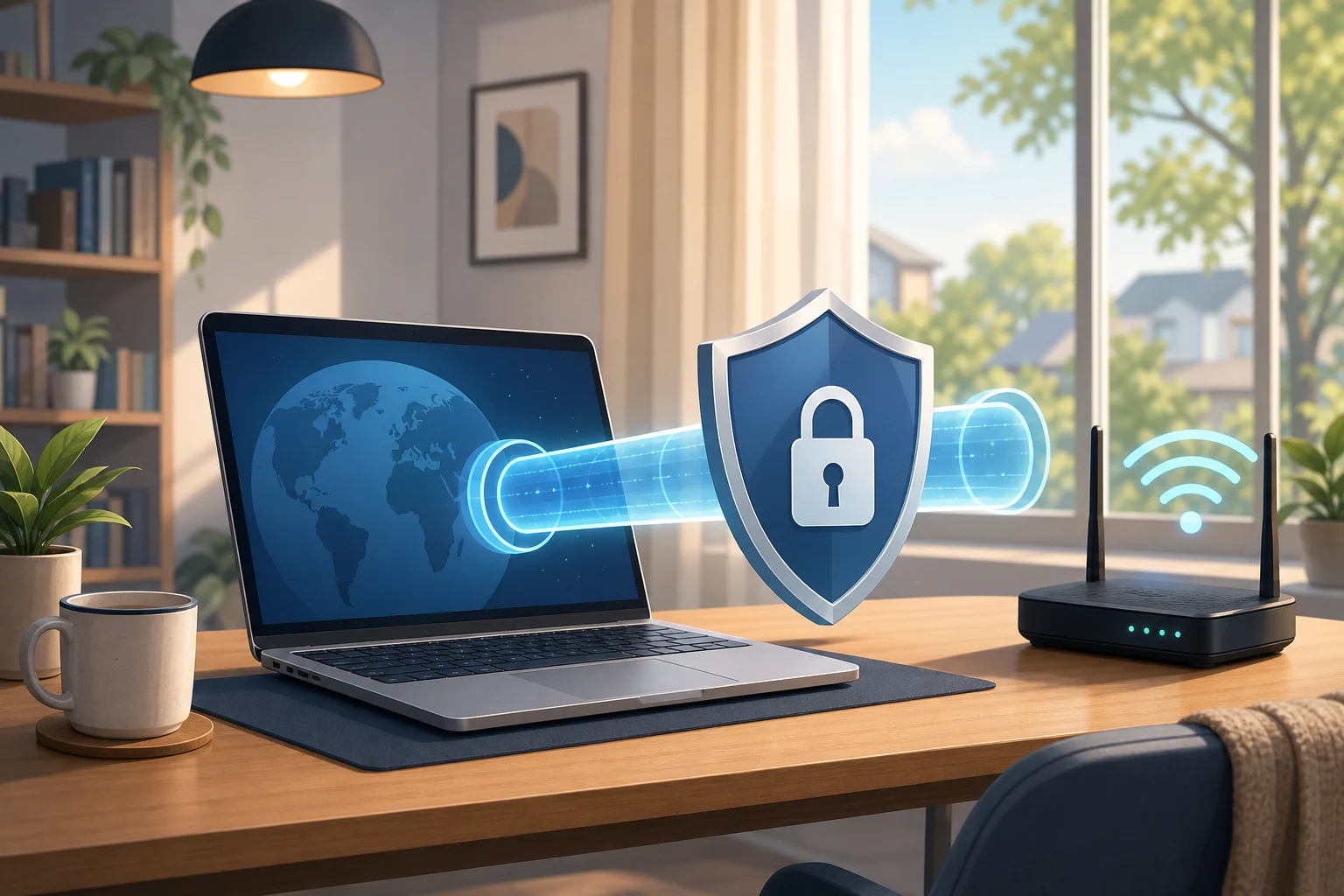
Explaining VPNs for Free with No Ads: Secure Your Home Office Effortlessly

· 9 min read

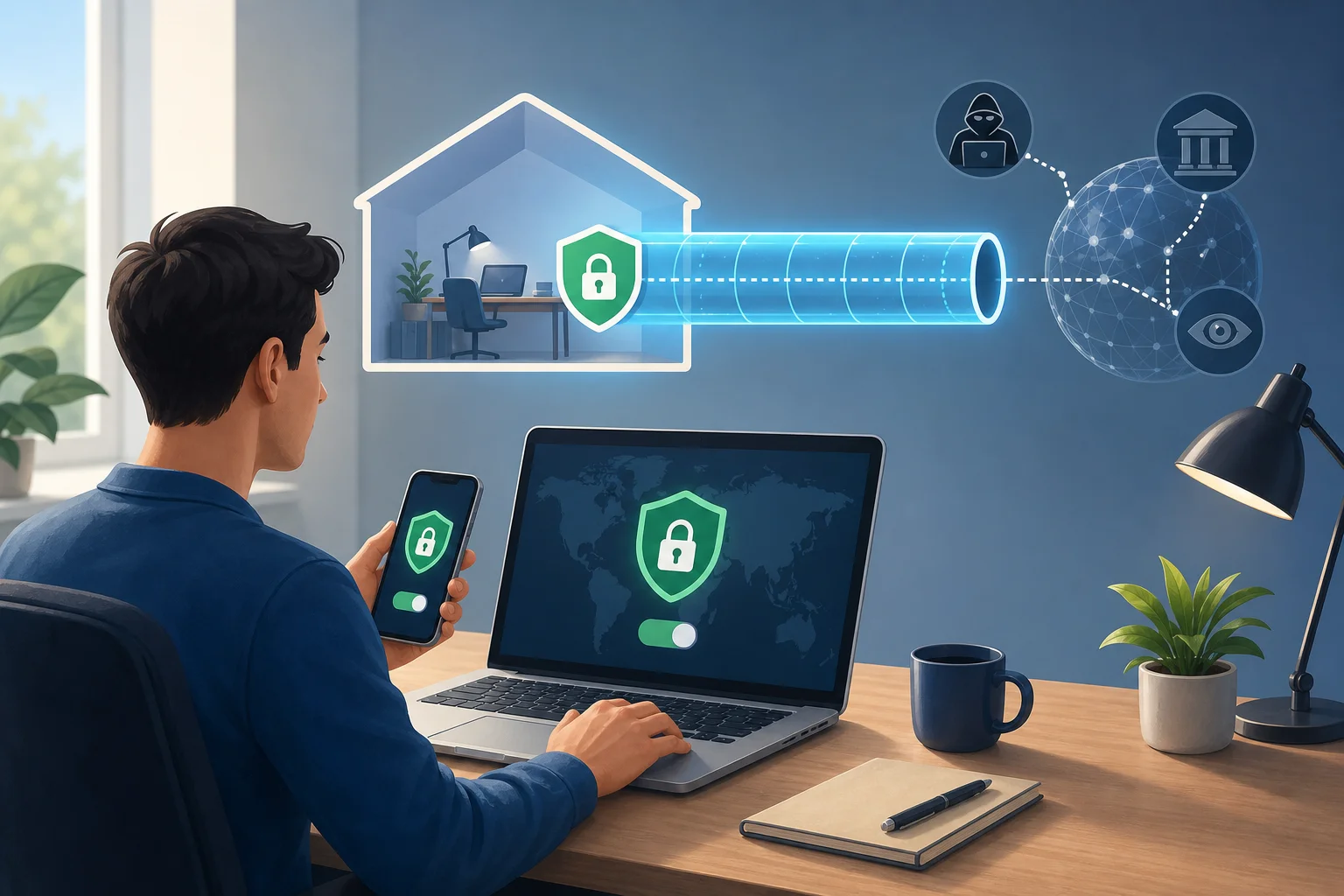
Are you aware that using a VPN for free with no ads can transform the security of your home office setup? If you work remotely, handle private files, join business calls, or use public Wi-Fi, a VPN can help protect your data from unwanted attention. This beginner-friendly guide explains what a free no-ad VPN does, why ads can be a problem, and how to start using one without feeling lost in technical jargon.

Why You Need a VPN in Your Home Office Setup

A home office may feel private because it is inside your house. However, your internet connection still sends data through networks, routers, websites, and apps before it reaches its destination. A VPN, short for virtual private network, adds a protective layer to that journey.

Think of it like a strong lock on your home office door. The lock does not change the work you do inside the room, but it makes it much harder for strangers to walk in and look around. In the same way, a VPN helps secure your online activity by creating an encrypted connection between your device and the VPN server.

For remote workers, this matters because daily tasks often involve sensitive information, such as:

  • Client emails and attachments
  • Business logins and cloud documents
  • Video meeting links
  • Financial records or invoices
  • Internal dashboards and admin tools

Privacy is also important. Without protection, your internet service provider, network owner, or other parties may be able to see parts of your browsing activity, depending on the site and connection. A secure VPN helps reduce that exposure by masking your IP address and encrypting your traffic.

Real-world scenario: working safely on public Wi-Fi

Imagine you are at a café between meetings. You open your laptop, connect to public Wi-Fi, and send a proposal to a client. Public networks can be convenient, but they are not always well secured. A VPN acts like a sealed envelope for your data. Even if the network is crowded, your information is much harder to inspect while it travels.

free VPN protecting home office Wi-Fi

The Problem with Ads: How Free VPNs Compare

Many free apps rely on ads. That includes some free VPN services. Ads may seem harmless at first, but they can create a worse experience, especially when you need a stable and focused connection for work.

Think of ads as distracting billboards on your virtual highway. You are trying to drive directly to your destination, but pop-ups, banners, and tracking scripts keep pulling your attention away. In some cases, ads can also slow down the app, increase data use, or make the interface confusing for beginners.

A free VPN with no ads is closer to a clean desk. Nothing flashes. Nothing interrupts your setup. You open the app, connect, and get back to work.

No-ad VPN vs ad-supported VPN

FeatureFree VPN with no adsFree VPN with ads
User experienceClean and simpleCan feel cluttered
Focus during workFewer distractionsPop-ups may interrupt
Setup for beginnersEasier to understandExtra screens may confuse users
Privacy comfortNo advertising layer in the app experienceAds may involve third-party systems
Connection flowUsually more directAds can slow or disrupt use

Not every ad-supported VPN is unsafe, and not every no-ad VPN is automatically perfect. Still, removing ads from the experience is a meaningful benefit. It reduces noise and helps you focus on the core job: protecting your connection.

How Free VPNs Ensure Your Privacy Without the Cost

A common question is simple: if a VPN is free and has no ads, how can it exist? The answer depends on the provider. Some free VPNs are offered as a basic plan alongside paid upgrades. Others are supported by donations, partnerships, limited free features, or a mission to make privacy more accessible.

For beginners, the key is to choose a service that is clear about what it offers. Look for plain-language details about privacy practices, device support, data limits, server access, and whether an upgrade is optional.

A no-cost VPN can be useful for home offices because it lowers the barrier to better security. You do not need to become a networking expert or pay upfront just to protect everyday tasks. For freelancers, students, remote employees, and small teams, that can make a real difference.

Case study: a small remote team

Consider a small design studio with five people working from home and shared workspaces. The team uses cloud storage, project management tools, and email every day. They do not have a full IT department, but they still need safer connections.

By choosing a free no-ad VPN for basic remote work protection, the team can:

  • Encourage safer use of public Wi-Fi
  • Reduce exposure of IP addresses
  • Add encryption for everyday browsing and work tools
  • Make privacy part of the team routine
  • Avoid distracting ads during client work

This does not replace strong passwords, two-factor authentication, device updates, or good security habits. However, it does add one practical layer that beginners can understand and use.

Using a Free VPN: Setting the Scene for Beginners

Installing a VPN is easier than many people expect. Think of it like setting up a home security system. You choose a trusted tool, install it, turn it on, and let it protect the entry points while you focus on your day.

Most modern VPN apps are designed for non-techies. You usually do not need to adjust complex settings or understand encryption protocols to get started. The main action is simple: connect before you browse, especially when using public or shared networks.

Step-by-step guide to getting started with a no-ad VPN

  1. Choose a free VPN with no ads
    Look for a service that clearly says it does not show ads in the app experience. Also check that it supports your device, such as Windows, macOS, Android, or iOS.

  2. Download from the official source
    Use the provider’s official website or a trusted app store. This helps you avoid fake apps or modified installers.

  3. Install the app
    Follow the on-screen prompts. On phones, you may need to allow the VPN configuration. This is normal for legitimate VPN apps.

  4. Open the VPN and sign in if needed
    Some free VPNs require an account. Others let you connect right away. Read the setup screen carefully.

  5. Tap or click connect
    Choose the recommended server if you are unsure. Many apps select a nearby or optimized server automatically.

  6. Check your connection
    Once connected, you should see a VPN icon or status message. Then browse, email, or work as usual.

  7. Make it a habit
    Turn on the VPN before using public Wi-Fi, working with sensitive files, or logging in to business tools.

no-ad VPN setup for beginners

Beginner tips for smoother use

  • Keep your VPN app updated.
  • Use strong passwords with your work accounts.
  • Turn on two-factor authentication where possible.
  • Disconnect and reconnect if a network changes.
  • Avoid downloading VPN apps from unknown websites.

These simple habits make your home office security stronger without making your day more complicated.

Think of It Like This: VPNs as Secret Tunnels in the Internet

If the internet is a jungle, your normal connection is like walking on a visible path. Other travelers, signs, and checkpoints may notice where you are going. A VPN creates a hidden route through that jungle. You still reach your destination, but your path is less exposed.

Another way to picture it is as a secret tunnel. Your data enters the tunnel on your device, travels through an encrypted route, and exits near the VPN server. Websites and services may see the VPN server’s IP address instead of your home IP address. Meanwhile, your local network has less visibility into the details of your activity.

For remote work, this secret tunnel is valuable because your job may follow you everywhere. You might work from a spare bedroom in the morning, a train station in the afternoon, and a hotel at night. A VPN helps create a more consistent layer of privacy across those environments.

It is important to be realistic. A VPN is not a magic shield against every threat. It will not stop phishing emails, weak passwords, malware, or careless file sharing. But when used with good digital habits, a VPN for free with no ads can become a simple and useful part of your security routine.

FAQ: VPN for Free with No Ads

Is a free VPN with no ads safe?

It can be safe if the provider is transparent, uses secure connections, and avoids intrusive advertising. Always review the service’s privacy information and download only from official sources.

Will a VPN slow down my internet?

A VPN may slightly affect speed because your traffic is encrypted and routed through a VPN server. However, for normal browsing, email, and many remote work tasks, a well-designed VPN should still feel smooth.

Do I need a VPN when working from home?

Yes, it can still help. Even at home, a VPN adds privacy, masks your IP address, and protects traffic when you connect to work tools. It is especially useful if you switch between home Wi-Fi and public Wi-Fi.

Can I use a no-ad free VPN on multiple devices?

That depends on the VPN provider. Some free plans support several devices, while others limit usage. Check the app details before installing it across your laptop, phone, and tablet.

What should beginners look for in a free VPN?

Look for no ads, easy installation, clear privacy information, device compatibility, stable connections, and a simple connect button. Beginners should avoid tools that feel confusing or make vague promises.

Secure Your Home Office Without Extra Complexity

A VPN is one of the easiest ways to add privacy to your remote work setup. It works like a lock, a sealed envelope, and a secret tunnel for your internet connection. Choosing a VPN for free with no ads makes the experience cleaner and easier, especially for beginners who want protection without pop-ups or complicated setup screens. Try BeFreeVPN to protect your home office with a free VPN that has no ads, ensuring your data remains private on any device.

The Ultimate Guide to Using a VPN for Free with No Ads: Secure Your Home Office

· 10 min read

In an age where remote work is becoming the norm, securing your online presence shouldn't cost a fortune. If you are looking for a VPN for free with no ads, this guide will help you understand what to look for, how free ad-free VPNs work, and how to use one safely for your home office. You do not need to be a cybersecurity expert. With a few smart habits, a reliable VPN can make remote work more private, safer, and less distracting.

free VPN for remote work

1. Why You Need a VPN for Remote Work

Remote work gives you flexibility, but it also moves your work activity outside the traditional office network. That means your laptop, phone, or tablet may connect from home Wi-Fi, coffee shops, hotels, airports, or shared workspaces. Each of these networks can carry different risks.

A VPN, or virtual private network, creates an encrypted tunnel between your device and the VPN provider’s server. In simple terms, it makes your internet traffic harder for outsiders to inspect. This is especially useful when you are using public Wi-Fi, where attackers may try to monitor unsecured connections.

A VPN helps protect your data from hackers

When you log in to email, cloud storage, project tools, or video meeting platforms, you may send sensitive information over the internet. A VPN helps reduce the chance that someone on the same network can snoop on your activity. It is not a replacement for strong passwords or two-factor authentication, but it adds another layer of protection.

A VPN helps you access work resources securely

Some companies restrict access to internal systems based on location, network, or IP address. A VPN can help create a more secure route to those resources. If your employer provides its own corporate VPN, use that for company systems. For general browsing, research, or remote work from public Wi-Fi, a trusted free VPN with no ads can still be useful.

A VPN reduces common remote work risks

Remote workers often switch between networks and devices. That increases exposure to risks such as unsecured Wi-Fi, tracking, malicious hotspots, and accidental data leakage. A VPN minimizes some of these threats by encrypting traffic and masking your IP address from websites and network observers.

2. Understanding How Free VPNs Work

Free VPNs route your internet traffic through their servers without charging you upfront. You install an app or use a browser extension, choose a server or tap connect, and your traffic begins passing through the VPN tunnel.

However, “free” can mean different things. Some free VPNs are supported by paid plans. Others show ads, collect data, limit speeds, or restrict server choices. If you want a VPN for free with no ads, you need to check how the provider funds the service and what privacy rules it follows.

How a free VPN can be free

Many legitimate providers offer free VPN access as an entry-level service. They may limit bandwidth, server locations, speed, or advanced features while offering paid upgrades. This can be a fair trade-off if the free plan still protects privacy and avoids intrusive ads.

What “no logs” really means

Some privacy-focused VPNs say they keep no activity logs or usage data. That means they do not store details about the websites you visit or the content of your traffic. This can enhance privacy, but you should always read the privacy policy. Not every free VPN is no-log, and vague claims are not enough.

Look for clear statements about:

  • Whether browsing activity is logged
  • Whether connection timestamps are stored
  • Whether bandwidth usage is tracked
  • Whether data is shared with advertisers or partners
  • Whether independent audits or transparency reports are available

A simple analogy for beginners

Think of a free VPN like your friendly neighborhood library that lets you access a wealth of information—without any fees and without ads interrupting your reading. A good library respects your quiet space. In the same way, a good ad-free VPN should help you work without pop-ups, tracking, or unnecessary distractions.

3. The Perks of Choosing an Ad-Free VPN

Not all free VPNs give the same experience. An ad-supported VPN may interrupt your work with banners, pop-ups, or promotional screens. Worse, some ad-supported services may rely on tracking technologies to target ads. That can weaken the privacy benefits you wanted in the first place.

Smoother work sessions

Ad-free VPNs provide a cleaner and more uninterrupted experience. This matters when you are joining meetings, uploading files, researching, or working inside cloud apps. Fewer interruptions mean fewer chances to click on something by mistake or lose focus.

Less exposure to tracking

Ads often come with tracking cookies, scripts, or third-party networks. While a VPN can hide your IP address from some observers, it cannot magically remove every tracker from every website. Choosing a no-ads VPN reduces one extra source of tracking inside the VPN experience itself.

A cleaner digital workspace

Imagine your online workspace as a clean, open office. Having ads is like clutter on your desk. You can still work, but it is harder to stay focused. A free VPN with no ads keeps the experience simple: connect, work, disconnect when finished.

4. Recommendations for Free, Ad-Free VPN Options

Before choosing a free VPN for remote work, focus on trust, privacy, and ease of use. Beginners should avoid unknown apps that make extreme promises, ask for unnecessary permissions, or have unclear ownership.

What to look for in a free ad-free VPN

Use this comparison table as a quick checklist before installing any VPN app.

Feature to checkWhy it matters for remote workersWhat to choose
No adsPrevents distractions and reduces ad-based trackingA service that clearly states it is ad-free
No-registration optionReduces the amount of personal data you shareApps that do not require email or payment details for basic use
Clear privacy policyShows how your data is handledPlain language about logs, sharing, and retention
Multi-device supportHelps secure laptops, phones, and tabletsApps for your main operating systems
Kill switch or auto-disconnectHelps prevent traffic leaks if the VPN dropsBuilt-in protection you can enable easily
Good reputationReduces the risk of unsafe softwarePositive user reviews and transparent provider information

Choose recognized services that prioritize privacy

Look for free VPN services with a real track record, clear documentation, and privacy-first design. A good provider should explain what the free plan includes and what limitations apply. Be cautious with VPNs that promise unlimited everything but do not explain how they operate.

Check reviews, but read them carefully

User reviews can help you spot problems such as unstable connections, confusing apps, or unexpected ads. Still, reviews are only one signal. Also check the provider’s website, privacy policy, app permissions, and support pages.

Make sure it works across your devices

Remote workers often move between a laptop, smartphone, and tablet. Your VPN should work smoothly on the devices you actually use. If you work on Windows or macOS during the day and check work messages on Android or iOS later, multi-device support is a major benefit.

ad-free VPN on multiple devices

5. Tips for Secure Remote Work Using a VPN

A VPN is most effective when you use it consistently. The steps below are simple enough for beginners and useful enough to become part of your daily remote work routine.

Step-by-step: how to use a free VPN safely for work

  1. Install the VPN from the official source. Use the provider’s website or official app store listing. Avoid random download sites.
  2. Open the app before starting work. Connect to the VPN before signing in to email, cloud drives, chat tools, or dashboards.
  3. Choose a nearby server when possible. A closer server often gives better speed and stability.
  4. Enable auto-disconnect or a kill switch. This helps block internet traffic if the VPN connection drops.
  5. Keep the VPN updated. Updates can fix security issues and improve performance.
  6. Use strong account security. Pair the VPN with strong passwords and two-factor authentication.
  7. Disconnect when you are finished. If you no longer need the VPN, disconnect and close work sessions securely.

Always connect before accessing work accounts

Make it a habit: connect first, then work. This is especially important on public Wi-Fi. If you forget and log in before connecting, your session may start without the extra protection of the VPN tunnel.

Regularly update your VPN app

VPN updates are not just cosmetic. They may include security patches, connection improvements, and fixes for device compatibility. Turn on automatic updates if your device supports them.

Use built-in safety features

Many free VPNs include helpful features such as auto-connect, auto-disconnect, DNS leak protection, or a kill switch. If these are available, enable them. They can protect you when your Wi-Fi drops or your device switches networks.

FAQ: Free VPNs With No Ads for Remote Work

Is a free VPN with no ads safe?

It can be safe if the provider is transparent, privacy-focused, and clear about its limitations. Avoid free VPNs that have vague privacy policies, request excessive permissions, or earn money through intrusive advertising and tracking.

Can I use a free VPN for work accounts?

Yes, for general remote work protection, a free ad-free VPN can help secure your connection. However, if your employer requires a company VPN for internal systems, use the company-approved VPN for those resources.

Will a free VPN slow down my internet?

Sometimes. Any VPN can affect speed because traffic is encrypted and routed through another server. To improve performance, choose a nearby server, close unused apps, and keep the VPN updated.

Do I still need antivirus and two-factor authentication?

Yes. A VPN protects your connection, but it does not replace antivirus software, secure passwords, device updates, or two-factor authentication. Think of it as one important layer in your remote work security setup.

What is the best VPN for free with no ads for beginners?

The best choice is one that is easy to use, has a clear privacy policy, does not require unnecessary personal details, and works on your devices. For beginners, simplicity and transparency are just as important as speed.

Conclusion: Keep Your Home Office Private, Simple, and Ad-Free

A free, ad-free VPN can be a practical security upgrade for beginners who work from home or connect on the go. It helps protect your data on public Wi-Fi, reduces tracking inside the VPN experience, and keeps your online workspace cleaner. Choose a trusted provider, connect before opening work accounts, and use built-in safety features like auto-disconnect for better protection.

Try BeFreeVPN today for a completely free, no-registration VPN experience that keeps your home office secure and ad-free—ideal for all your remote work needs!

5 Best Free VPNs with No Ads for Your Mobile Device

· 8 min read

Tired of annoying ads interrupting your online experience? Here are five fantastic ad-free VPN options that won’t cost you a dime! If you’re searching for a free vpn with no ads, the goal is simple: protect your connection, keep browsing smooth, and avoid pop-ups or forced video ads inside the app. This guide focuses on mobile-friendly VPNs that are either fully ad-free today or important to understand before you download.

Free VPNs can be useful, but they are not all equal. Some limit data, some reduce server choice, and some show ads to cover costs. The options below are better suited for everyday mobile use because they avoid the most frustrating part of many free apps: advertising interruptions.

free VPN with no ads on mobile

Quick Comparison: Best Free Ad-Free VPNs for Mobile

VPNFree dataAds in appBest forKey note
Proton VPNUnlimitedNoHeavy mobile browsingStrong privacy, limited free server choice
WindscribeUp to 10 GB/monthNoCasual browsing with tracker blockingData allowance depends on account setup
hide.meUnlimited on free planNoPrivate browsing and flexible locationsFree server options can change
Atlas VPNDiscontinuedNo longer activeHistorical referenceAvoid unofficial lookalike apps
BeFreeVPNFreeNoQuick access without registrationWorks across devices and is easy to start

1. ProtonVPN: Your Privacy Partner

Proton VPN is one of the strongest choices if you want a free VPN with no ads and no monthly data cap. That makes it ideal for heavy mobile users who browse, message, stream short clips, or check accounts throughout the day.

Its biggest advantage is unlimited data on the free plan. Many free VPN apps give you only a small monthly allowance, which disappears fast on mobile. Proton VPN removes that worry, although free users get fewer server locations than paid users.

Security is also a major strength. Proton VPN uses robust encryption, including AES-256, and offers modern VPN protocols through its mobile apps. It also has a clear privacy focus and does not rely on ads in either the free or premium versions.

Why it works well on mobile

  • Unlimited free data for everyday use.
  • Strong AES-256 encryption for safer public Wi-Fi browsing.
  • Completely ad-free experience.
  • Clean apps for Android and iOS.

The trade-off is speed consistency. Since free servers are shared by many users, speeds may vary at busy times. Even so, Proton VPN is a top pick for anyone who values privacy and hates ads.

2. Windscribe: Make Your Browsing Smooth

Windscribe is another popular ad-free free VPN for mobile. It offers up to 10 GB of free data per month when you create and confirm an account, which is enough for light streaming, social media, messaging, and general browsing.

One reason Windscribe stands out is its built-in blocking tools. Its R.O.B.E.R.T. feature can help block some ads, trackers, and malicious domains, depending on your plan and settings. That can make mobile browsing feel cleaner, especially when you are using public Wi-Fi or visiting ad-heavy sites.

Setup is simple. Download the app, create an account, choose a free server, and connect. The interface is friendly enough for beginners but still gives advanced users useful settings.

Best reasons to choose Windscribe

  • Up to 10 GB of free monthly data.
  • No in-app ads on the free plan.
  • Ad and tracker blocking features.
  • Easy setup on Android and iOS.

Windscribe is best if you want a balance between privacy, browsing comfort, and a clear monthly data limit. However, if you need unlimited VPN use every day, Proton VPN or hide.me may fit better.

3. hide.me: Secure and Fast Connections

hide.me is a strong choice for users who want an ad-free VPN app with a privacy-first approach. The free plan does not show ads, and the company states that it follows a no-logs policy, which means it does not store records of your browsing activity.

The free plan includes access to a limited set of server locations. Older lists often mention five locations, but the exact number can vary as VPN providers update their networks. In practice, you should check the app before relying on one specific country.

hide.me also supports unlimited free data on its current free plan, which is helpful if you want browsing protection without counting every megabyte. Speeds can still depend on server load, your location, and your mobile network.

What makes hide.me useful

  • Ad-free free plan.
  • No-logs approach for better privacy.
  • Multiple free server locations for basic worldwide access.
  • No monthly data cap on the free plan.

For mobile users, hide.me is a practical option when you need quick protection on public Wi-Fi, while traveling, or when using apps that handle personal information.

ad-free VPN mobile security

4. Atlas VPN: Your Secure Online Shield

Atlas VPN was often recommended as a simple, mobile-friendly VPN with no ads on its free version. It used strong security measures, including IKEv2/IPsec, and had an interface that was easy for beginners to understand.

However, there is an important accuracy note: Atlas VPN shut down in 2024. Because of that, it is no longer a current download recommendation. If you find apps or websites claiming to offer a new Atlas VPN free plan, be careful. They may be outdated pages or unofficial lookalike apps.

What to remember about Atlas VPN

  • Its ad-free free plan is historical, not currently available.
  • The service used strong mobile VPN protocols while active.
  • You should avoid downloading unofficial versions.
  • Choose an active, trusted ad-free VPN instead.

Atlas VPN is included here because many people still search for it. But for real-world mobile use today, pick one of the active services in this list.

5. BeFreeVPN: Simple Ad-Free Access Without Registration

BeFreeVPN is a good fit if you want a free mobile VPN experience that starts quickly. It requires no registration, which removes a common friction point for people who do not want to create another account just to protect their connection.

It is designed to work across devices, so you can use it whether you are browsing from a phone, tablet, or another connected device. For many users, that simplicity matters as much as advanced settings.

Why BeFreeVPN is worth considering

  • Free to use.
  • No registration required.
  • No ads interrupting the experience.
  • Works on all devices.
  • Easy for beginners who just want to connect and browse.

If your priority is quick, ad-free access rather than complex configuration, BeFreeVPN is a practical option to keep on your mobile device.

How to Choose a Free VPN with No Ads

Use this quick step-by-step checklist before installing any free VPN app:

  1. Check for ads first. Read the app page and recent reviews to confirm it does not show pop-ups or forced ads.
  2. Look at the data limit. Unlimited data is best for daily use, while 10 GB may be enough for light browsing.
  3. Review privacy basics. Prefer VPNs with clear no-logs policies and strong encryption.
  4. Confirm the app is official. Download only from the provider’s website, Google Play, or the Apple App Store.
  5. Test speed on mobile data and Wi-Fi. A VPN that works well on one network may be slower on another.
  6. Avoid abandoned services. If a VPN has shut down, do not install unofficial copies.

FAQ: Free VPNs with No Ads

Are free VPNs with no ads safe?

Some are safe, but not all. Choose providers with transparent privacy policies, strong encryption, and official mobile apps. Avoid unknown VPNs that make unrealistic promises.

Which free VPN has unlimited data and no ads?

Proton VPN and hide.me are strong options for unlimited free data without in-app ads. Server choice and speeds may be more limited than paid plans.

Can I use an ad-free VPN on public Wi-Fi?

Yes. A VPN can help protect your connection on public Wi-Fi by encrypting your traffic. This is useful in cafes, airports, hotels, and shared networks.

Do free VPNs block ads in websites and apps?

Not always. “No ads” usually means the VPN app itself does not show ads. Some services, such as Windscribe, also include ad and tracker blocking tools.

Final Takeaway

A good free VPN with no ads should protect your browsing without making your phone harder to use. Proton VPN is best for unlimited privacy-focused browsing, Windscribe is great for smooth browsing with blocking tools, and hide.me offers a strong no-logs free plan. Atlas VPN is no longer active, so avoid unofficial copies. For a simple option that gets you connected fast, enjoy seamless, ad-free browsing on your mobile with BeFreeVPN — a free service that requires no registration and works on all devices!