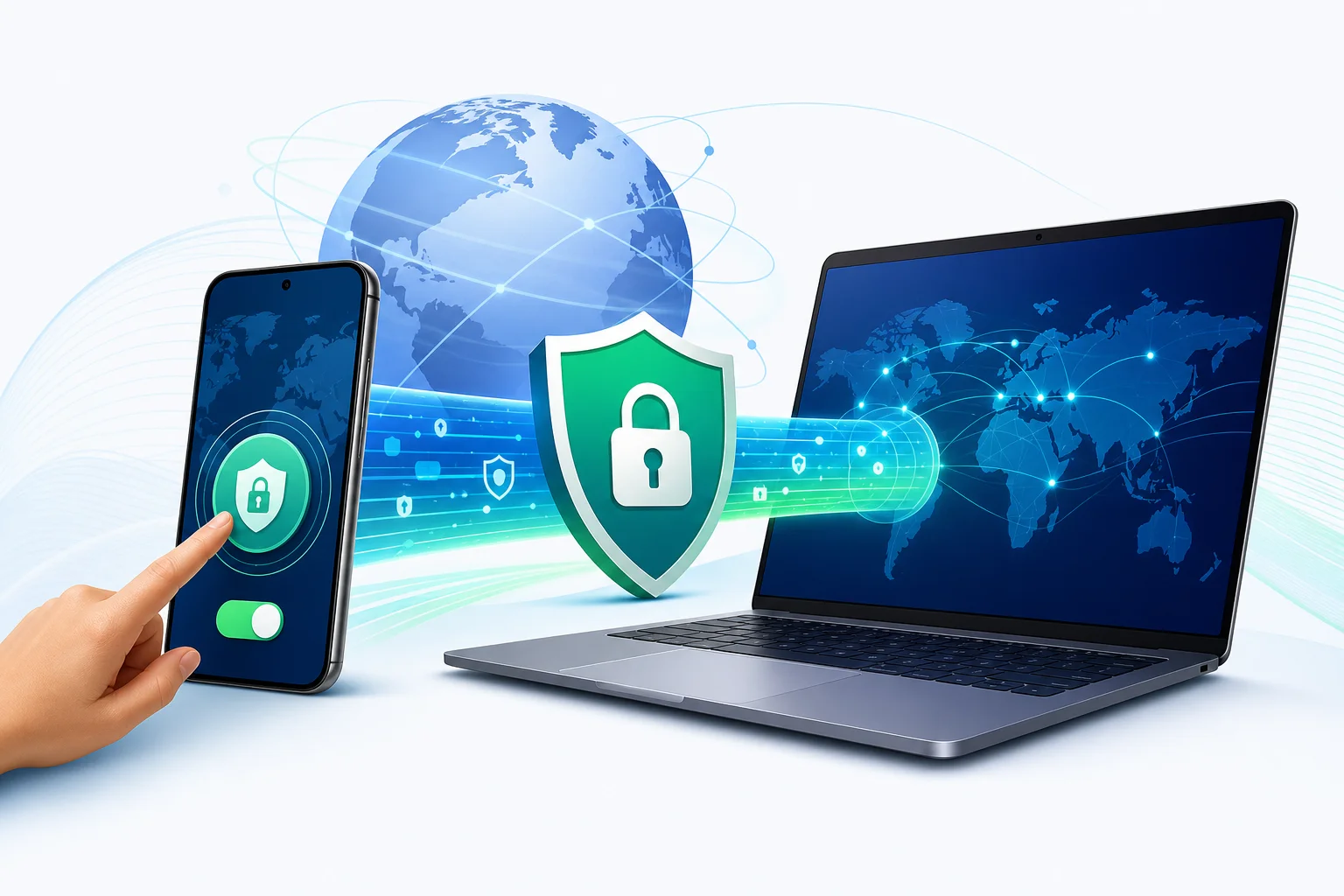
Why pay for a VPN when you can access reliable, secure browsing with BeFreeVPN—absolutely free and without registration? If you are looking for an online VPN without registration, this guide explains how VPNs work, why no-sign-up access matters, what to expect from a free VPN service, and how BeFreeVPN can help you browse more privately without adding cost or complexity.
Online privacy is no longer a niche concern. Whether you check email on public Wi-Fi, compare prices while shopping, stream content abroad, or simply want to reduce tracking, a VPN can be a practical privacy tool. However, many VPN services require an account, payment details, apps, long setup steps, or recurring subscriptions. A no-registration VPN removes much of that friction.
In this ultimate guide, you will learn what a VPN does, when a free online VPN is enough, what limitations to watch for, and how to use BeFreeVPN in a safer and smarter way.
1. Understanding VPN: What Is It and How Does It Work?
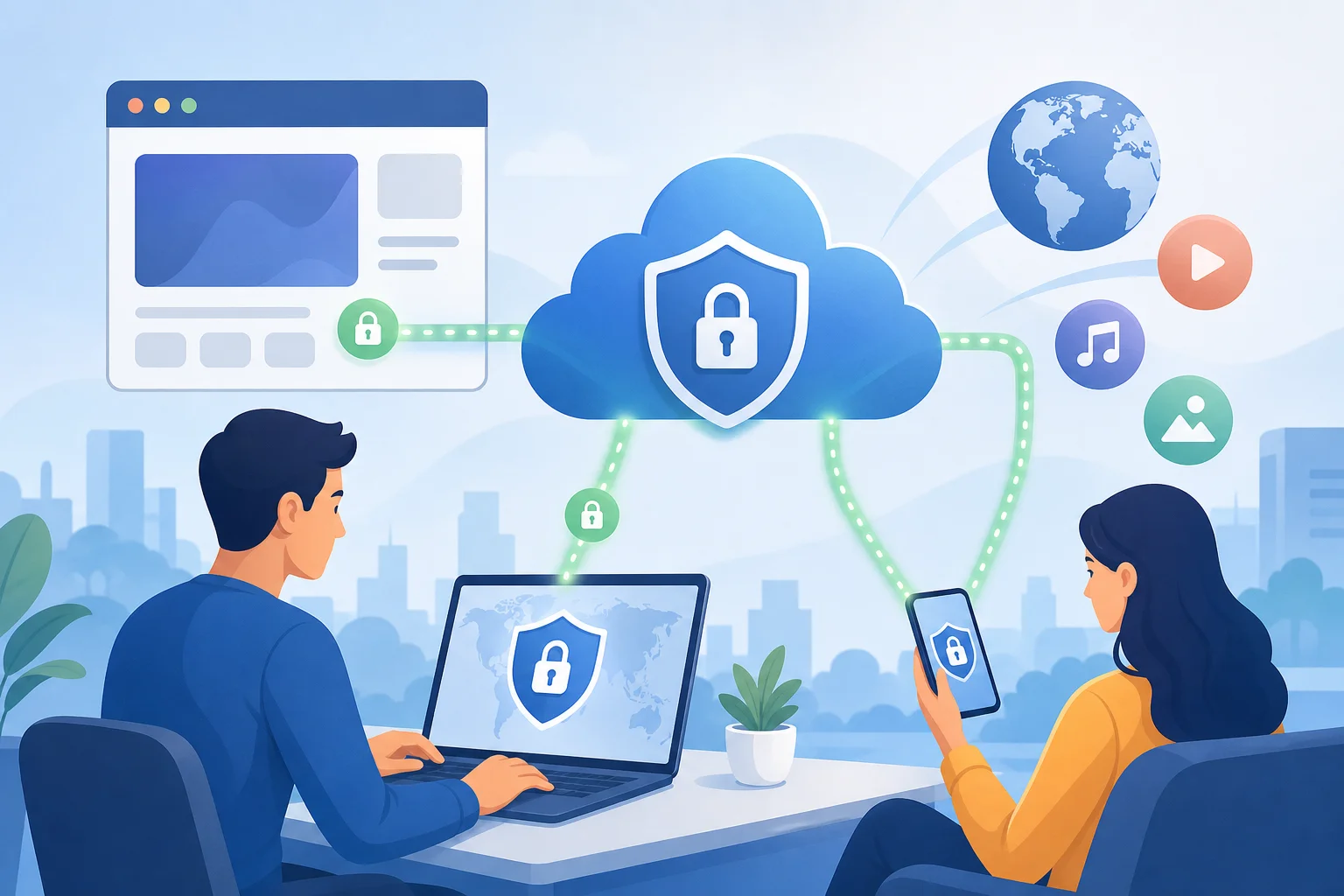
A VPN, or Virtual Private Network, is a service that creates a protected connection between your device and the internet. Instead of your traffic going directly from your browser or app to a website, it first passes through a VPN server. The website then sees the VPN server’s IP address rather than your original IP address.
In simple terms, a VPN helps separate your online activity from your direct internet connection. This can improve privacy, reduce exposure on unsecured networks, and allow access to websites or services that may appear differently depending on location.
What Is the Main Purpose of a VPN?
The main purpose of a VPN is to make your internet connection more private and secure. It does this by:
- Masking your real IP address from websites and online services.
- Encrypting internet traffic between your device and the VPN server.
- Helping protect your activity on public Wi-Fi networks.
- Reducing direct tracking based on your network location.
- Allowing you to connect through servers in different regions, where available.
A VPN is not a magic shield against every online threat. It will not make unsafe downloads safe, stop all browser tracking, or replace good password habits. Still, it is one of the most useful tools for everyday privacy.
How VPNs Encrypt Your Internet Traffic
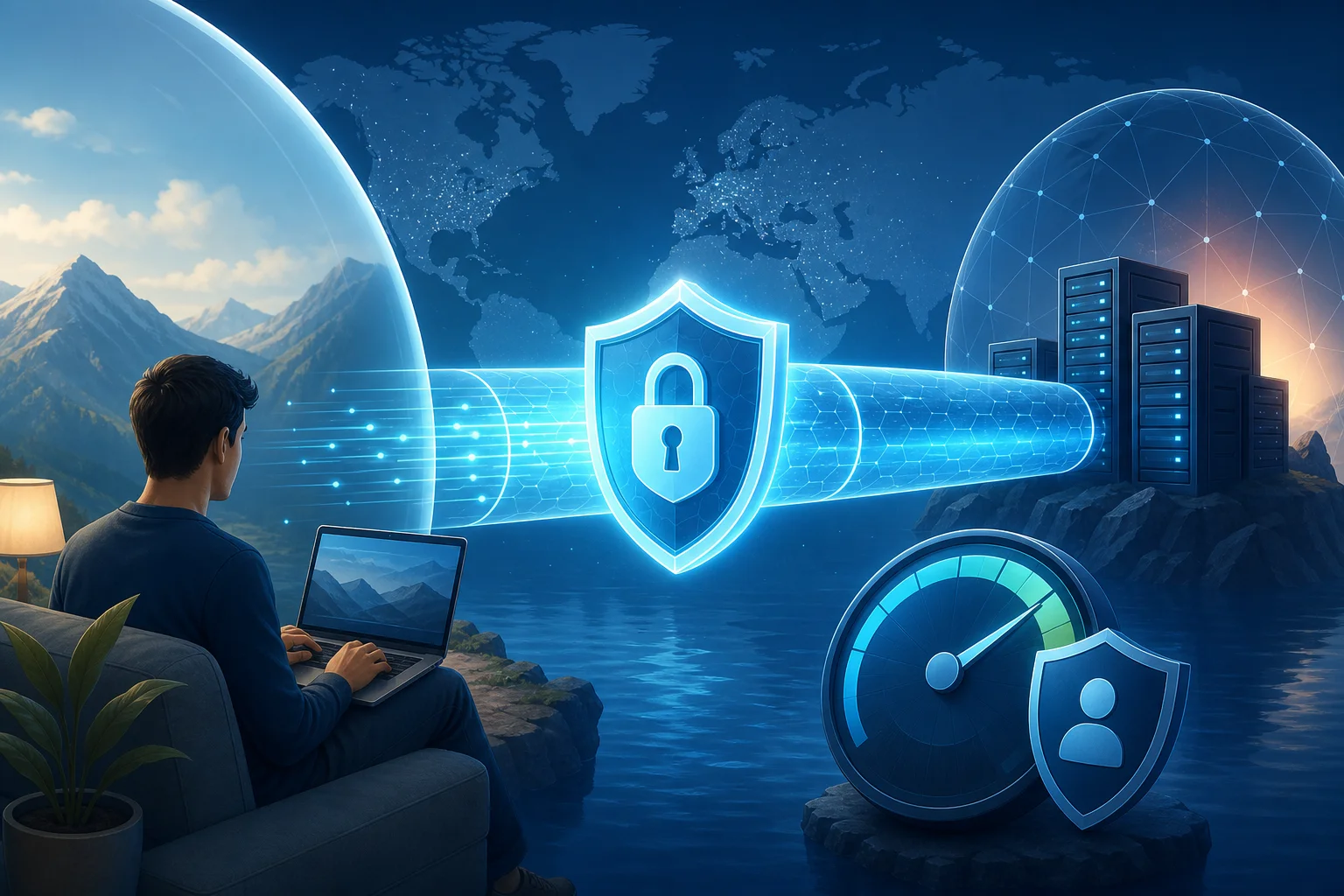
Encryption turns readable data into scrambled data that cannot be easily understood by outsiders. When you connect to a VPN, your device and the VPN server create an encrypted tunnel. Your internet traffic travels through this tunnel before reaching the open web.
This matters most when you are using networks you do not control, such as:
- Airport Wi-Fi
- Hotel Wi-Fi
- Café networks
- School or campus networks
- Shared office connections
- Public hotspots
Without a VPN, someone controlling or monitoring a network may be able to see metadata about your activity and, in some cases, unprotected traffic. With a VPN, your connection to the VPN server is encrypted, which makes casual monitoring much harder.
Most modern websites also use HTTPS encryption. A VPN adds another layer by protecting the connection between your device and the VPN server. This layered approach is one reason VPNs remain useful even though HTTPS is now common.
Benefits of Using a VPN for Online Privacy
Using a VPN can support your privacy in several practical ways:
- IP address masking: Websites see the VPN server’s IP address instead of your direct connection.
- Safer public Wi-Fi use: Encryption helps reduce risk on shared networks.
- Location flexibility: Some VPNs let you route traffic through different regions.
- Less exposure to network-level tracking: Your internet provider or network administrator may see that you are connected to a VPN, but not the same level of browsing detail.
- Added confidence while browsing: A VPN can make daily tasks feel less exposed, especially when away from home.
For people who want quick privacy without contracts or accounts, an online VPN without registration can be especially appealing.
2. Why Choose an Online VPN Without Registration?
Many VPN services ask for an email address, password, payment method, app installation, or identity-related information before you can start. For some users, that is acceptable. For others, it creates unnecessary friction.
An online VPN without registration offers a simpler path. You can connect faster, avoid creating another account, and reduce the personal information shared with a service before browsing.
Convenience Without Sign-Up Hurdles
The biggest advantage is convenience. A no-registration VPN is designed to reduce the steps between you and a protected connection.
Instead of this process:
- Choose a subscription.
- Create an account.
- Verify your email.
- Add payment details.
- Download and install software.
- Sign in.
- Configure settings.
- Connect.
You can often do something closer to this:
- Open the VPN service.
- Select a location or connection option.
- Start browsing.
That difference matters. If you only need a VPN for a quick session, a one-time task, or safer browsing on public Wi-Fi, registration can feel like an obstacle.
Privacy Advantages of No Registration
No registration can also improve privacy by reducing data collection at the account level. If a service does not require your name, email address, phone number, or payment details to start, there is less personal account information connected to your VPN use.
This is especially useful if your goal is basic privacy rather than long-term account management. For example, you may not want to provide an email address just to check a website while traveling or browse from a shared network.
However, it is important to understand the difference between no registration and complete anonymity. A VPN can improve privacy, but anonymity depends on many factors, including browser settings, cookies, device fingerprinting, login behavior, and the VPN provider’s policies.
For better privacy, combine a no-registration VPN with sensible habits:
- Avoid logging into personal accounts when privacy is the goal.
- Clear cookies or use a private browsing window.
- Keep your browser and operating system updated.
- Do not download files from untrusted sources.
- Review the VPN provider’s privacy policy when available.
Instant Access and Ease of Use
A good online VPN should be easy for beginners. You should not need networking knowledge to use it. The interface should make it clear when you are connected and, where possible, which server location you are using.
BeFreeVPN fits this use case by focusing on free access without registration. That makes it attractive for users who want a fast route to more private browsing without dealing with subscription pages or account dashboards.
3. Cost-Effective Alternatives: Why Paying for a VPN Might Not be Necessary
Paid VPNs can be valuable. They often provide more server locations, advanced apps, customer support, specialty streaming servers, and extra security features. But not everyone needs those features.
If your needs are simple, a free VPN like BeFreeVPN may be enough. The key is to match the VPN to your use case rather than assume a paid plan is always required.
Free VPN vs Paid VPN: Practical Comparison
| Feature | Free online VPN without registration | Typical paid VPN |
|---|
| Upfront cost | Free | Monthly or yearly fee |
| Account required | Often no | Usually yes |
| Payment details | Not needed | Usually required |
| Setup speed | Fast | Varies by provider |
| Server choices | May be limited | Usually broader |
| Bandwidth | May have limits | Often higher or unlimited |
| Speed | Can vary | Often more consistent |
| Advanced settings | Basic | More extensive |
| Best for | Quick privacy, casual browsing, public Wi-Fi | Heavy streaming, frequent travel, advanced privacy needs |
This comparison does not mean free is always better. It means free can be the better fit when you need quick, low-friction protection.
When a Free VPN May Be Enough
A free VPN may work well if you want to:
- Browse more privately on public Wi-Fi.
- Check websites without exposing your direct IP address.
- Avoid creating a VPN account.
- Use a VPN occasionally rather than every day.
- Test whether VPN browsing fits your needs.
- Access a simple web-based VPN experience.
For these scenarios, paying for a VPN might be unnecessary. BeFreeVPN is positioned as a cost-effective option because it removes both the subscription fee and the registration step.
Risks Associated With Premium VPNs
Paid VPNs are not automatically risk-free. Some premium services use aggressive marketing, confusing renewal terms, or long contracts. Others may advertise broad privacy claims that users do not fully verify.
Potential drawbacks of paid VPNs include:
- Recurring billing: Annual plans can renew unexpectedly if you forget to cancel.
- Overbuying features: You may pay for advanced tools you never use.
- Account data exposure: Your email and payment details are tied to the service.
- Platform lock-in: Some services work best only through their apps.
- False sense of security: Paying does not replace safe browsing habits.
That said, reputable paid VPNs can be a strong choice for heavy users. The point is not that paid VPNs are bad. The point is that a free VPN without registration can be more practical for many everyday situations.
Feature Breakdown: What You Can Get With a Free VPN Like BeFreeVPN
A free online VPN should focus on the essentials. With BeFreeVPN, the key value is straightforward: secure browsing access without cost and without registration.
Useful features to look for include:
- No account creation: Start without sharing an email address.
- Free access: Avoid subscription fees.
- Simple connection flow: Use the VPN without technical setup.
- Browser-friendly access: Helpful when you want a quick online VPN experience.
- Privacy-focused browsing: Hide your direct IP address from visited sites.
- Public Wi-Fi protection: Add encryption when connected through shared networks.
For advanced needs, you should still check details such as available servers, speed, supported platforms, and privacy policy. But for many users, the core benefit is immediate, no-cost protection.
4. How to Easily Access BeFreeVPN Online
Getting started with BeFreeVPN should be simple, especially if you are looking for an online VPN without registration. The process is designed for users who do not want to manage accounts, install complicated software, or commit to a subscription.
Step-by-Step Guide to Using BeFreeVPN
Follow these steps for a smooth first session:
-
Open BeFreeVPN
Go to the BeFreeVPN website or access point from your browser.
-
Review the available connection options
If server locations or modes are available, choose the option that best matches your browsing goal.
-
Start the VPN connection
Select the connect option and wait until the service shows that the VPN is active.
-
Open the website or service you want to use
Browse as usual. Your traffic should now route through the VPN connection.
-
Avoid logging into unnecessary accounts
If your goal is privacy, reduce account-based tracking by staying logged out where possible.
-
Disconnect when finished
When you no longer need VPN protection, disconnect cleanly.
-
Clear browser data if needed
For added privacy, clear cookies, cache, or use a private window during the session.
This workflow is useful because it keeps VPN access simple. You do not need to remember another password, confirm an email, or enter payment details.
An online VPN is most useful when it works across common devices. Many users switch between laptops, tablets, and phones throughout the day. A simple browser-based or web-accessible VPN experience can help reduce setup barriers.
Depending on how you access BeFreeVPN, you may be able to use it on:
- Windows laptops and desktops
- macOS devices
- Linux computers
- Android phones and tablets
- iPhones and iPads
- Chromebooks
- Shared or temporary devices where installation is not ideal
Before relying on any VPN for sensitive activity, confirm that it works correctly on your device and browser. You can also check your visible IP address before and after connecting to confirm that the VPN route is active.
User-Friendly Interface Designed for All Levels
A VPN should not feel intimidating. The best tools use clear buttons, obvious connection status, and simple language. This is especially important for people who are new to online privacy.
Look for an interface that answers three questions quickly:
- Am I connected?
- Which location or server am I using?
- How do I disconnect?
If a VPN makes those answers easy, it is more likely to be used correctly. BeFreeVPN’s no-registration approach supports that goal by keeping the experience direct and accessible.
Quick Safety Checklist Before You Browse
Before using any free VPN, take a moment to check the basics:
- Make sure you are on the correct BeFreeVPN site or trusted access point.
- Use HTTPS websites whenever possible.
- Keep your browser updated.
- Do not enter sensitive information on suspicious pages.
- Avoid installing unknown extensions or downloads.
- Read privacy information if available.
A VPN improves the connection layer, but your choices still matter. Safe browsing and VPN use work best together.
5. FAQs About Online VPNs Without Registration
What Are the Risks of Using a Free VPN?
Free VPNs can vary widely in quality. Some may have slower speeds, fewer server options, bandwidth limits, or less advanced support. In the worst cases, untrustworthy free VPNs may collect more data than users expect.
To reduce risk, use a service that is clear about its terms, avoid unknown downloads, and do not assume that “free” automatically means private. BeFreeVPN’s main advantage is that it removes registration and payment barriers, but you should still use good privacy habits.
Can I Use a Free VPN for Streaming?
You may be able to use a free VPN for streaming, but results can vary. Streaming platforms often detect and restrict VPN traffic. Free VPNs may also have speed or bandwidth limits that affect video quality.
If you only need occasional access, BeFreeVPN may be worth trying. For frequent HD or 4K streaming, a paid VPN with dedicated streaming support may be more consistent.
Is My Data Safe With an Online VPN Without Registration?
A VPN without registration can reduce the personal information you share during setup. It can also encrypt your traffic between your device and the VPN server. However, data safety also depends on the provider’s technology, policies, and your browsing behavior.
For safer use, avoid suspicious websites, use HTTPS, keep your software updated, and do not treat any VPN as complete protection against phishing, malware, or account tracking.
Do I Need to Install Software to Use an Online VPN?
Not always. Some online VPN services are designed to work through a browser or web interface. This can be helpful on shared devices or when you do not want to install apps.
However, app-based VPNs may offer deeper device-wide protection. Choose the format that matches your needs. If you want fast access without setup, an online VPN like BeFreeVPN is a practical place to start.
Is an Online VPN Without Registration Legal?
In many places, using a VPN is legal. However, laws and platform rules differ by country and service. A VPN does not make illegal activity legal, and websites may have their own terms about VPN access.
Use VPNs responsibly. If you are unsure about local rules, check the regulations that apply in your location.
6. Advanced Features to Look For in a Free VPN
Even if you choose a free VPN, it helps to know which features matter. Some advanced features may not be available in every free service, but understanding them helps you compare options and set realistic expectations.
Security Protocols to Consider
VPN protocols are the technologies that manage the encrypted connection. Common modern protocols include WireGuard, OpenVPN, and IKEv2/IPsec. Each has strengths.
- WireGuard is known for simplicity and strong performance.
- OpenVPN is widely trusted and flexible.
- IKEv2/IPsec can be useful on mobile devices because it handles network changes well.
For an online VPN, you may not always choose the protocol manually. Still, it is helpful when a provider explains how it protects your connection.
Speed and Bandwidth Limitations
Free VPNs can be slower than paid services because server resources are shared among many users. Some also limit daily or monthly data. This does not make them useless, but it affects what they are best for.
A free VPN is usually fine for:
- Reading websites
- Checking email
- Using public Wi-Fi more safely
- Light browsing
- Basic research
It may be less ideal for:
- Large downloads
- High-resolution streaming
- Competitive gaming
- Long video calls
- Heavy cloud backups
Before you decide whether to pay for a VPN, test your real usage. If BeFreeVPN handles your daily browsing well, you may not need a premium plan.
Accessing Geo-Restricted Content Effectively
A VPN can sometimes help you access content that changes by region. This can include news sites, local services, search results, or streaming libraries. However, access is not guaranteed.
For better results:
- Choose the most relevant VPN server location, if available.
- Clear cookies that may reveal your previous region.
- Use a private browser window.
- Refresh the service after connecting.
- Respect the terms of the website or platform you use.
Geo-access is one reason many people search for a free VPN. But privacy and security should remain the main focus.
Kill Switch and Leak Protection
Some VPNs include a kill switch. This feature blocks internet traffic if the VPN connection drops. It helps prevent your real IP address from being exposed during a connection failure.
Leak protection is also important. DNS leaks, for example, can reveal which websites you request even while using a VPN. Advanced users should look for DNS leak protection, WebRTC leak guidance, and clear connection indicators.
If a free online VPN does not include all advanced controls, use it for lower-risk browsing and avoid highly sensitive tasks.
Clear Privacy Policy
A privacy policy is not exciting, but it matters. A trustworthy VPN should explain what it collects, why it collects it, and how long it keeps it.
When reviewing any VPN, look for plain answers to these questions:
- Does the service require an account?
- What connection data is collected?
- Are browsing activities logged?
- Are third-party tools used?
- How is abuse or misuse handled?
- How can users contact support?
No-registration access is a strong privacy-friendly feature, but clear policy language gives you more confidence.
7. Key Takeaways: Maximizing Your Online Privacy with BeFreeVPN
An online VPN without registration is a practical choice for users who want more private browsing without cost, contracts, or complicated setup. It lowers the barrier to using a VPN and helps make privacy tools accessible to more people.
BeFreeVPN stands out because it focuses on the essentials: free access, no registration, and a simple path to secure browsing. For everyday use, that can be enough. You can protect your connection on public Wi-Fi, mask your direct IP address, and browse with more confidence.
At the same time, it is important to use any VPN wisely. A VPN does not replace safe passwords, browser updates, HTTPS, or careful judgment. It is one layer in a broader privacy strategy.
Final Checklist for Better Privacy
To get the most from BeFreeVPN:
- Use it on public or untrusted Wi-Fi.
- Keep your browser and device updated.
- Avoid suspicious links and downloads.
- Stay logged out of accounts when you want more privacy.
- Clear cookies or use private browsing when needed.
- Check your visible IP address after connecting.
- Understand that free VPNs may have limits.
Choosing a VPN should not be complicated. If you want fast, free, no-sign-up access, BeFreeVPN offers a simple way to begin.
Discover the freedom of secure browsing with BeFreeVPN—no registration needed and totally free!
Related Articles