5 posts tagged with "phone-privacy"

View All Tags

5 Reasons to Use an Online VPN for Your Phone

· 7 min read

Did you know that using an online VPN on your phone can enhance your security and unlock content effortlessly? Your phone is often the device you use most for banking, messaging, shopping, streaming, and browsing. That also makes it a high-value target on public networks and a source of personal data for trackers. In this guide, you’ll learn five practical reasons to use an online VPN for phone protection, privacy, and a smoother mobile internet experience.
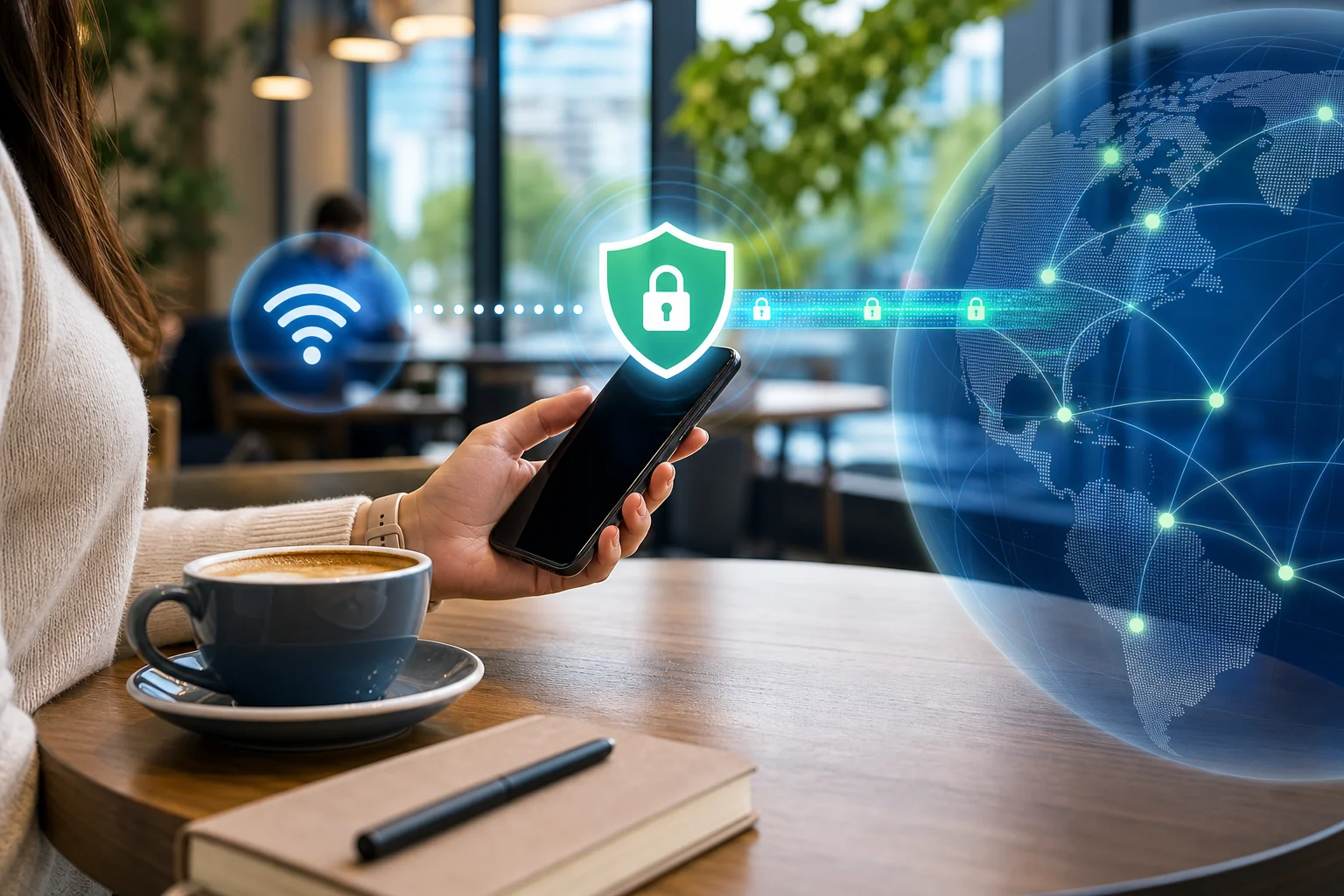
online vpn for phone security

1. Enhanced Security on Public Wi-Fi

Public Wi-Fi is convenient, but it is not always safe. Cafes, airports, hotels, malls, and train stations often offer open networks that anyone nearby can join. That means attackers may try to monitor traffic, create fake hotspots, or intercept unprotected data.

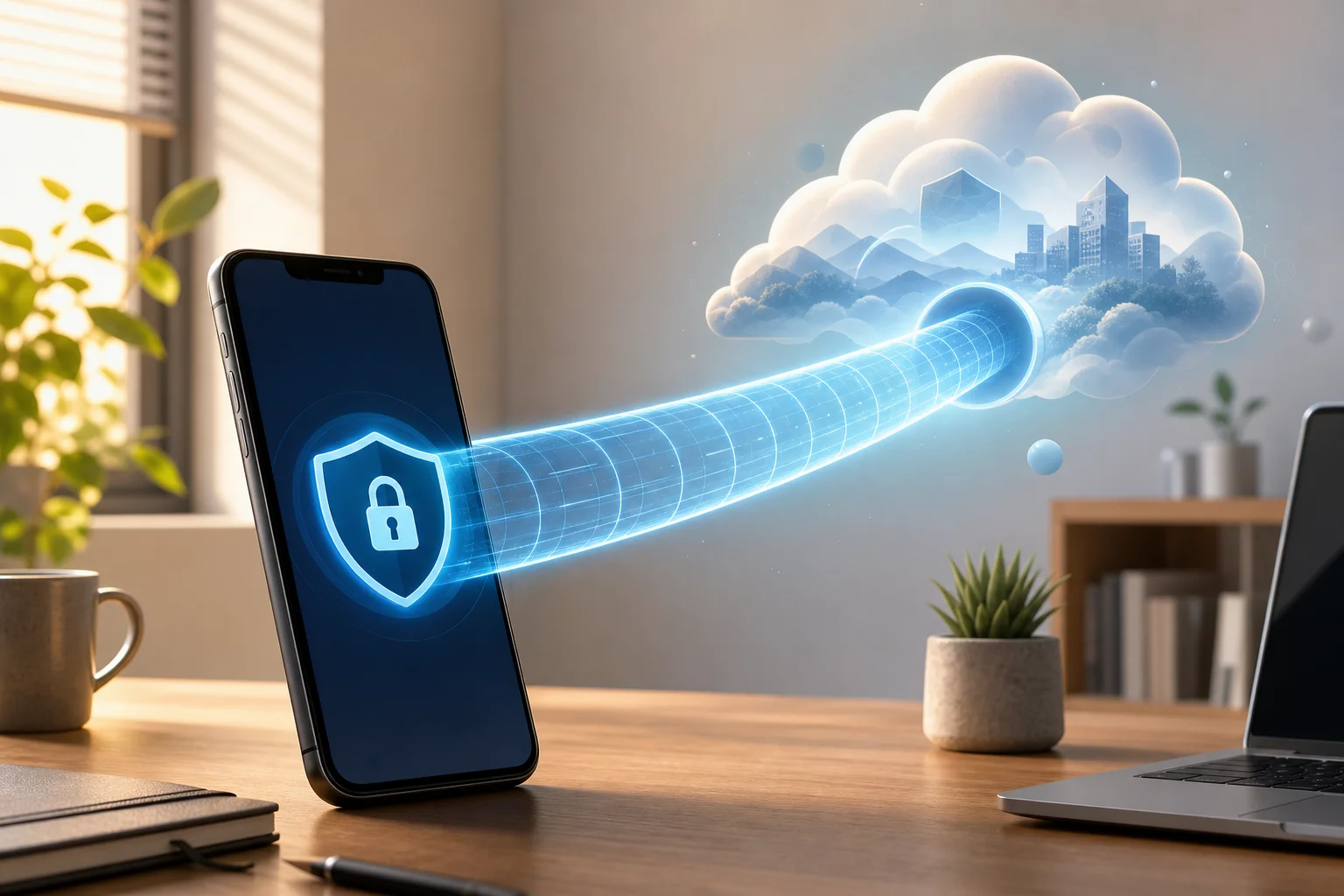
An online VPN for your phone helps by creating an encrypted tunnel between your device and the VPN server. This makes your mobile data much harder to read if someone is snooping on the same network.

Your phone can be more exposed on public Wi-Fi because it connects quickly and often in the background. Apps may refresh email, sync files, load notifications, or send session data while you are not paying attention. A VPN adds a protective layer for these everyday connections.

Use a mobile VPN especially when you:

  • Check email or work apps on public Wi-Fi
  • Log in to banking, shopping, or travel accounts
  • Send private messages or documents
  • Connect to hotel or airport networks
  • Use unfamiliar hotspots while traveling

A VPN does not replace strong passwords or software updates. However, it is one of the simplest ways to reduce risk when using shared networks.

2. Access Geo-Restricted Content

Streaming services, news sites, sports platforms, and apps may show different content based on your location. Sometimes, content available at home is blocked when you travel. Other times, a website limits access to certain regions.

With an online VPN app, you can switch your virtual location by connecting to a server in another country. Your phone then appears to browse from that server location. This can help you access region-specific websites or keep up with local content from back home while abroad.

This is especially useful for travelers who want to:

  • Watch familiar shows while away from home
  • Read local news from their country
  • Access region-based services securely
  • Avoid location-based blocks on certain websites

Always remember to follow the terms of the services you use. A VPN is a helpful privacy and access tool, but rules can vary by platform and region.

3. Maintain Privacy and Anonymity

Your phone reveals a lot about your online habits. Mobile browsers, apps, websites, ad networks, and internet service providers can collect or infer information about what you do online.

A VPN helps protect your privacy by masking your IP address and encrypting your internet traffic. Your ISP can usually see that you are connected to a VPN, but it cannot easily view the specific websites or app traffic inside the encrypted tunnel.

This makes a VPN useful if you want to reduce tracking while browsing, shopping, reading, or streaming on your phone.

Simple steps to stay more anonymous on mobile

  1. Turn on your VPN before opening sensitive apps. This protects traffic from the start of your session.
  2. Use private browsing when needed. It helps reduce local browser history on your phone.
  3. Limit app permissions. Disable location, contacts, or camera access when an app does not need them.
  4. Avoid logging in everywhere. Staying logged out can reduce account-based tracking.
  5. Clear cookies and trackers regularly. This helps reduce personalized profiling.

A VPN is not a full anonymity solution on its own. Still, when paired with smart privacy habits, it can make mobile browsing much more private.
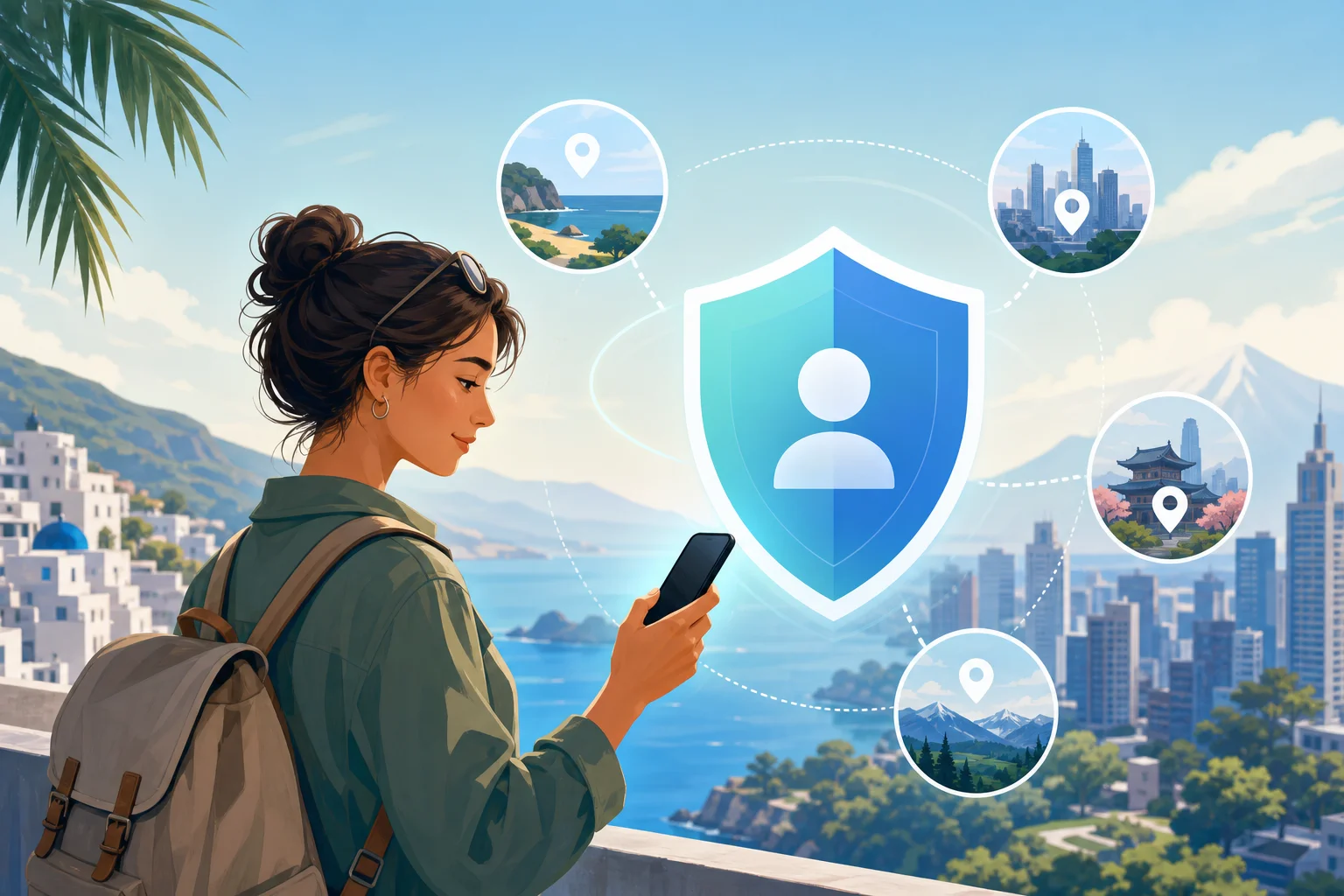
mobile vpn privacy protection

4. Reduce Data Throttling

Some mobile carriers or internet providers may slow certain types of traffic, such as video streaming, gaming, or large downloads. This is often called throttling. It can lead to buffering, lower video quality, or uneven speeds.

A VPN can help in some cases because it encrypts your traffic, making it harder for a provider to identify the exact service or type of content you are using. As a result, you may get a more consistent mobile internet experience.

However, results depend on your network, location, and VPN server quality. If your connection is slow because of weak signal, network congestion, or a distant VPN server, a VPN may not increase speed. In some cases, encryption can add a small amount of overhead.

VPN vs. no VPN on your phone

SituationWithout VPNWith VPN
Public Wi-FiData may be easier to interceptTraffic is encrypted
Streaming while travelingContent may be region-limitedVirtual location can be changed
ISP visibilityISP may see more browsing activityISP sees VPN connection, not detailed traffic
Possible throttlingCertain traffic may be slowedSome restrictions may be harder to apply
IP address exposureWebsites see your real IPWebsites see the VPN server IP

For best results, choose a nearby VPN server when speed matters. If you need content from another region, choose a server in that location.

5. Protect Everyday Mobile Activities

Your phone is more than a browser. It is also your wallet, map, mailbox, calendar, camera, and personal assistant. That means a lot of your daily life passes through mobile apps.

A VPN can help protect common phone activities such as:

  • Online shopping on mobile networks
  • Checking bank accounts while traveling
  • Sending work files from your phone
  • Using messaging apps on public Wi-Fi
  • Signing in to cloud storage or email

This is why using a VPN on your phone is not only for tech experts. It is a practical habit for anyone who wants safer browsing with less effort.

FAQ About Using an Online VPN for Phone

Do I need a VPN on my phone?

Yes, a VPN is useful if you use public Wi-Fi, travel often, stream on mobile, or want more private browsing. It adds encryption and helps hide your real IP address.

Does a phone VPN work on mobile data?

Yes. A VPN can work on both Wi-Fi and mobile data. It protects traffic from your phone to the VPN server, regardless of the network type.

Will a VPN drain my phone battery?

A VPN may use some extra battery because it encrypts traffic and keeps a secure connection active. In most cases, the impact is manageable, especially with a lightweight mobile VPN app.

Can I use a free VPN for my phone?

You can, but choose carefully. Look for a service with clear privacy practices, stable connections, and no unnecessary sign-up steps. Avoid unknown apps that request excessive permissions.

Final Thoughts

An online VPN for phone use can make everyday browsing safer, more private, and more flexible. It helps secure public Wi-Fi, access region-based content, reduce tracking, and protect sensitive mobile activity. For simple protection without extra hassle, try BeFreeVPN today to secure your phone with no registration and experience free, seamless internet protection.
Understanding a personal vpn for phone: A Guide for Beginners

· 9 min read

Did you know using a VPN on your phone can protect all your online activities, especially when working from a home office? A personal vpn for phone helps secure your browsing, app traffic, work logins, and messages by creating an encrypted connection between your device and the internet. If you are new to remote work or often use your phone for email, banking, file sharing, or company tools, this guide explains what a mobile VPN does, why it matters, and how to choose one without getting lost in technical jargon.

What is a Personal VPN for Your Phone?

A personal VPN for your phone is a privacy and security tool that routes your mobile internet traffic through a protected server before it reaches websites, apps, or online services. Think of it like a private tunnel for everything your phone sends and receives online.

Without a VPN, your phone connects more directly to the internet through mobile data or Wi-Fi. That connection may be visible to internet service providers, Wi-Fi network owners, or attackers on unsafe networks. With a VPN, your data travels through an encrypted tunnel, making it much harder for outsiders to read or track.

This is especially useful when your phone handles sensitive tasks, such as:

  • Checking work email while away from your desk
  • Logging in to company dashboards or cloud tools
  • Joining video meetings from a café or airport
  • Opening documents stored in shared drives
  • Using banking, shopping, or messaging apps on public Wi-Fi

In home office terms, a VPN is like closing the door to your workspace and locking your filing cabinet. You can still work normally, but your activity is better protected from people who should not see it.

personal vpn for phone secure tunnel

Why You Need a VPN When Working Remotely

Remote work often blurs the line between personal and professional devices. You might start the day on a laptop, answer Slack or Teams messages on your phone, review a document in a rideshare, and approve a payment while connected to public Wi-Fi. Each connection can create a risk if it is not protected.

Think of a VPN like a security officer for your phone at home or on the go. It checks the route your data takes and helps keep your work information away from strangers. This matters because public Wi-Fi networks are often convenient but not always safe. Some may be poorly secured, and fake hotspots can be set up to trick users into connecting.

A phone VPN can help reduce common remote-work risks by:

  • Encrypting your internet traffic before it leaves your phone
  • Hiding your real IP address from websites and some trackers
  • Making it harder for attackers on the same Wi-Fi network to snoop on activity
  • Adding privacy when accessing company resources from a personal device
  • Keeping your browsing more consistent when switching between Wi-Fi and mobile data

However, a VPN is not magic. It does not replace strong passwords, two-factor authentication, software updates, or careful clicking. Instead, it adds an important layer to your overall phone security. For beginners, that extra layer can make remote work safer without changing how you use your phone day to day.

Setting Up a Personal VPN on Your Phone

Setting up a personal VPN on your phone is usually as simple as installing an app from the Apple App Store or Google Play Store. Most trusted VPN services guide you through the process in a few taps.

Here is a simple step-by-step setup process:

  1. Choose a VPN provider. Look for a reputable mobile VPN that supports your phone, has clear privacy information, and is easy to use.
  2. Install the app. Download the VPN app from the official app store, not from random websites or unknown links.
  3. Open the app and follow the prompts. Some VPNs require an account, while others let you connect without registration.
  4. Allow VPN permissions. Your phone will ask permission to add a VPN configuration. This is normal for VPN apps.
  5. Select a server or use auto-connect. Beginners can usually choose “fastest” or “nearest” server for simple browsing.
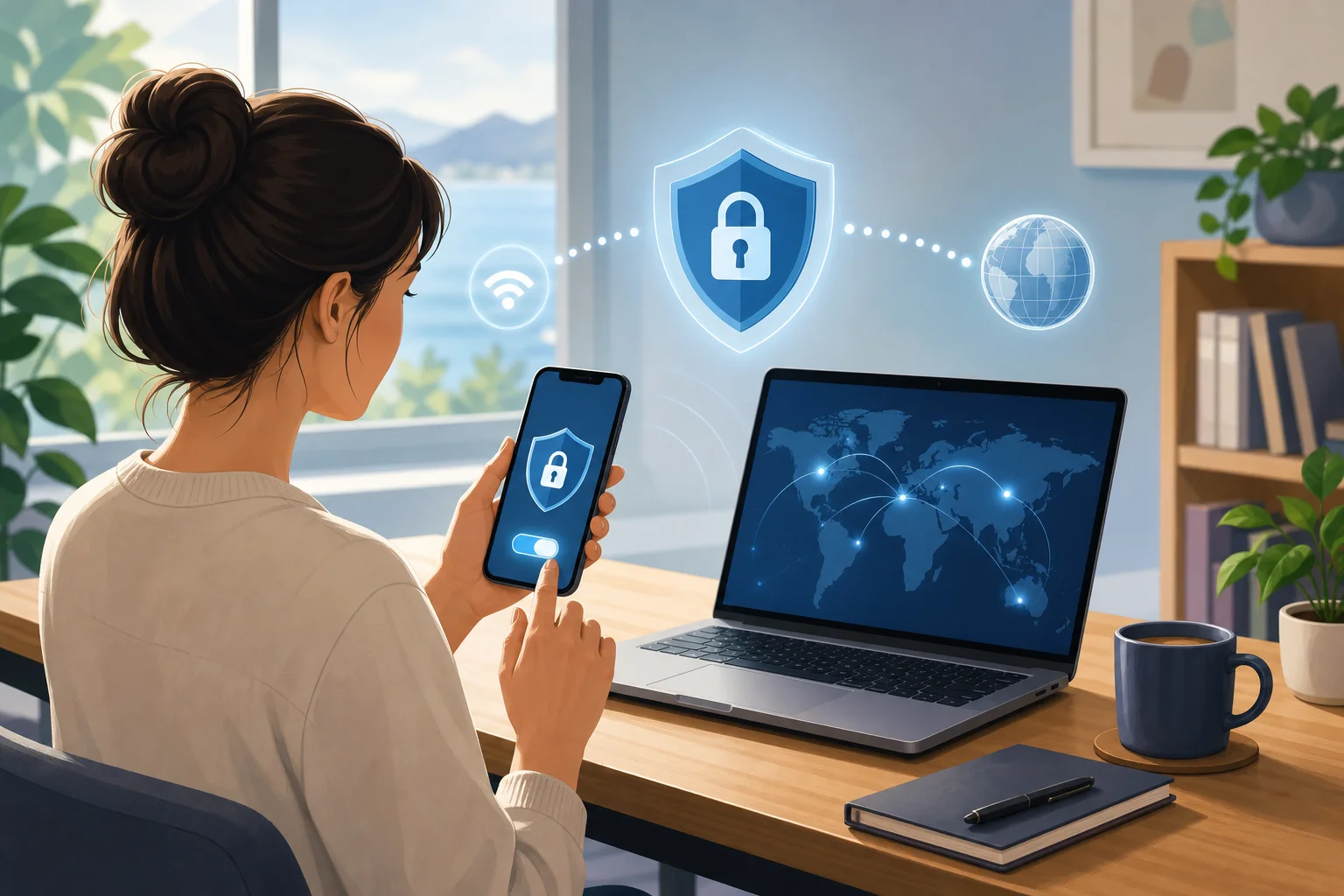
  6. Turn on the VPN. Once connected, your phone traffic starts passing through the encrypted VPN tunnel.
  7. Check key settings. Look for options such as auto-connect on public Wi-Fi, kill switch, or always-on VPN if available.

Popular VPN apps that many beginners find easy to install include Proton VPN, NordVPN, Surfshark, ExpressVPN, and BeFreeVPN. Each service may offer different features, pricing models, and privacy settings, so it is worth reviewing what you need before choosing.

The most important setup tip is to make sure your VPN is actually active when you need it. If you often work from cafés, hotels, coworking spaces, or airports, enable automatic protection on unsecured Wi-Fi where possible.

mobile vpn setup on phone

How a VPN Keeps Your Phone Connection Secure

A VPN keeps your phone connection secure mainly through encryption. Imagine placing every email, message, search, and app request into a sealed envelope before sending it out. People may see that an envelope exists, but they cannot easily read what is inside.

When your VPN is connected, it encrypts your internet traffic between your phone and the VPN server. This helps protect your activity from people who might be watching the network, such as attackers on shared Wi-Fi. It also makes your browsing less exposed to network owners, including public hotspot operators.

A mobile VPN can provide several practical security benefits:

  • Traffic encryption: Your data is scrambled so it is much harder to read in transit.
  • IP address masking: Websites and services may see the VPN server’s IP address instead of your phone’s real network address.
  • Safer public Wi-Fi use: A VPN reduces the risk of snooping when you connect to open or shared networks.
  • Extra privacy for apps and browsing: Your online activity becomes less directly tied to your local connection.
  • Protection during travel: A VPN can help keep your connection more secure when moving between unfamiliar networks.

Still, it is important to be realistic. A VPN does not stop phishing emails, malicious apps, or weak passwords. If you type your password into a fake login page, the VPN cannot know that the page is fake. That is why a VPN works best as part of a larger security routine: update your phone, use a screen lock, enable two-factor authentication, and avoid suspicious links.

Choosing the Right VPN for Your Phone

Choosing the right VPN for your phone comes down to balance. You want strong security, but you also want an app that is simple enough to use every day. If a VPN is confusing or slows your phone too much, you may stop using it, which defeats the purpose.

When comparing VPNs, focus on these beginner-friendly features:

FeatureWhy it matters for phone users
Easy mobile appYou should be able to connect and disconnect in one or two taps.
Device compatibilityThe VPN should work on iPhone, Android, tablets, and other devices you use.
Strong encryptionThis helps protect your data on Wi-Fi and mobile networks.
Good speedA VPN should allow smooth browsing, video calls, and app use.
No complicated setupBeginners benefit from automatic server selection and simple settings.
Clear privacy approachLook for understandable privacy policies and transparent permissions.
Public Wi-Fi protectionAuto-connect features can help secure you when networks change.

Speed and security should work together. The fastest VPN is not useful if it lacks basic protections, and the most advanced VPN may not help if it is too difficult to use. For most beginners, the best phone VPN is the one you can turn on confidently and leave running when needed.

You may also want to consider BeFreeVPN, especially if you want a simple starting point. It is free, requires no registration, and works effortlessly on mobile devices. That makes it a practical option for people who want quick protection for remote work, browsing, and everyday phone use without a long setup process.

FAQ: Personal VPNs for Phones

Do I need a VPN on my phone if I use mobile data?

A VPN can still be useful on mobile data because it encrypts your traffic and helps protect your privacy. The risk is usually higher on public Wi-Fi, but mobile data connections can also benefit from added privacy.

Will a VPN slow down my phone?

A VPN can sometimes reduce speed because your traffic is encrypted and routed through a VPN server. However, a good mobile VPN should still feel smooth for browsing, email, messaging, and many work tasks.

Should I leave my phone VPN on all the time?

If battery life and speed remain acceptable, leaving it on can be convenient. At minimum, turn it on when using public Wi-Fi, accessing work tools, handling personal accounts, or traveling.

Is a free VPN safe for remote work?

Some free VPNs are useful, while others may have limits or unclear privacy practices. Choose a service that is transparent, easy to understand, and suitable for your needs. BeFreeVPN is a beginner-friendly option because it is free, requires no registration, and works on mobile devices.

Does a VPN protect everything on my phone?

A VPN protects internet traffic, but it does not protect against every threat. You still need strong passwords, app updates, two-factor authentication, and safe browsing habits.

Final Thoughts

A personal VPN for your phone is one of the simplest ways to add privacy and security to your daily online routine. It works like a private tunnel, a home-office security officer, and a sealed envelope for your mobile data. Whether you are checking work email, joining meetings, using public Wi-Fi, or managing sensitive accounts, a VPN helps protect your connection without requiring advanced technical knowledge.

Start protecting your phone today by trying BeFreeVPN — it's free, works on any device, and requires no registration, making it perfect for securing your remote work activities.

Everything You Need to Know About Online VPNs for Your Phone

· 9 min read

Did you know that using your phone for remote work can expose your sensitive data to cyber threats? Let's explore how an online VPN for phone security can protect you. Whether you answer emails in a café, join meetings from an airport, or check work files on public Wi-Fi, your smartphone is constantly sending and receiving data. A mobile VPN helps keep that traffic private by encrypting it and routing it through a secure server.

If you are new to VPNs, do not worry. Think of this guide as a beginner-friendly map. We will explain what a VPN does, why it matters for remote work, how to choose one, and how to set it up without technical stress.

Why Use a VPN on Your Phone?

Your phone is more than a calling device. It is a work tool, a payment method, a personal archive, and sometimes your main connection to business apps. That makes phone privacy and mobile security important, especially when you work outside a traditional office.

In a world full of public Wi-Fi networks, your phone's security is at risk. Free Wi-Fi in coffee shops, hotels, airports, coworking spaces, and shopping centers can be convenient, but it may not always be secure. When you connect to an open network, other people on that same network may try to observe traffic, capture login attempts, or trick users with fake hotspots.

A VPN creates a secure tunnel for your data. Instead of letting your internet activity travel in a more exposed way, the VPN wraps it in encryption and sends it through a protected route. This makes it much harder for potential snoopers, hackers, or unsafe networks to see what you are doing.

A simple analogy helps: think of a VPN as a secret passage that protects your conversations from nosy neighbors. Without it, you might be speaking in a busy hallway. With it, you move your conversation into a private room.

For remote workers, this can help protect:

  • Work emails and attachments
  • Login details for business tools
  • Cloud storage access
  • Video meeting activity
  • Client or customer information
  • Browsing activity on unfamiliar networks

A VPN is not a magic shield against every threat. You still need strong passwords, app updates, and safe browsing habits. However, it is a practical layer of protection for everyday mobile work.

online VPN for phone on public Wi-Fi

How Does an Online VPN Work for Your Phone?

When you connect to the internet, your data travels through various channels. Your phone sends requests to websites, apps, email servers, and cloud tools. Normally, that traffic passes through your mobile carrier, Wi-Fi network, internet providers, and other network points before reaching its destination.

An online VPN reroutes this traffic through a secure VPN server. Once connected, your phone communicates with the VPN server first. The server then forwards your requests to the websites or services you use. Replies come back through the same protected route.

The most important part is encryption. A VPN encrypts your data, making it unreadable to anyone trying to intercept it. So, even if someone manages to capture traffic on an unsafe Wi-Fi network, the information should look scrambled rather than useful.

Imagine sending a locked box of sensitive documents through the mail instead of a postcard. A postcard can be read by anyone who handles it. A locked box hides the contents. That is what a VPN does for your digital data.

What a VPN Can and Cannot Do

A VPN for smartphones is useful, but it is important to understand its limits.

A mobile VPN can help withA mobile VPN cannot fully do
Encrypting traffic on public Wi-FiStop you from entering details on a fake website
Hiding your IP address from websitesRemove malware already on your phone
Improving privacy from unsafe networksReplace strong passwords or two-factor authentication
Securing remote work connectionsGuarantee total anonymity online

In short, a VPN is like a seat belt. It improves safety, but you still need to drive carefully.

Choosing the Right Online VPN for Mobile Devices

Not all VPNs are equally good for phone users. Some are built mainly for desktop computers. Others offer smooth mobile apps for Android and iPhone. When comparing options, look for a VPN that clearly states compatibility with mobile devices, particularly smartphones.

It is like choosing a reliable car for a long trip. You want something that will get you safely and smoothly to your destination, not something that breaks down halfway.

Key Features to Prioritize

For beginners, focus on the basics first:

  1. Mobile compatibility
    Check whether the VPN works on your phone's operating system, such as Android or iOS.

  2. Strong security protocols
    Look for modern VPN protocols and clear security information. You do not need to understand every technical detail, but the provider should explain how it protects your connection.

  3. Good speed
    A VPN may slightly affect connection speed because it encrypts and reroutes traffic. Choose one designed for stable mobile browsing, calls, and work apps.

  4. Beginner-friendly design
    A clean app with a simple connect button is ideal if you are new to VPN technology.

  5. No unnecessary sign-up friction
    Some users prefer a VPN that lets them connect quickly without long forms or complicated setup.

  6. Clear privacy practices
    Read the provider's privacy policy. It should be easy to find and written in understandable language.

Free vs Paid VPNs on a Phone

Free VPNs can be helpful when you need quick protection, but choose carefully. A trustworthy free VPN should be transparent about limits, privacy, and how the service works. If an app seems unclear, overloaded with ads, or asks for strange permissions, be cautious.

Paid VPNs may offer more server locations, faster speeds, or advanced features. However, beginners who only need secure mobile access for everyday remote work may prefer a simple free option to start.

Setting Up Your VPN on a Smartphone

Installing a VPN app on your phone is usually quick and straightforward. In many cases, it takes just a few taps. Most VPNs guide users through the setup process with intuitive instructions designed for beginners.

Think of it like setting up a new smartphone. It may take a little time, but it improves your overall experience significantly.

Step-by-Step: How to Set Up a VPN on Your Phone

  1. Choose a trusted VPN service
    Pick a VPN that supports your smartphone and matches your privacy needs.

  2. Download the official app
    Use the official website or your phone's app store. Avoid unknown download links.

  3. Open the app
    Follow the on-screen instructions. Some services require an account, while others may let you connect without registration.

  4. Allow VPN permissions
    Your phone may ask permission to add a VPN configuration. This is normal when setting up a mobile VPN.

  5. Choose a server if needed
    Some apps automatically select a recommended server. Others let you choose a location.

  6. Tap connect
    Once connected, you should see a VPN icon or status indicator on your phone.

  7. Test your connection
    Open your browser or work app. If everything loads normally, you are ready to work more securely.

mobile VPN setup on smartphone

Best Practices for Using a VPN on Your Phone While Working Remotely

A VPN works best when it becomes part of your normal remote work routine. Instead of waiting until you are already checking emails or opening files, connect first.

Always connect to the VPN before starting any work. This helps ensure your data is protected from the get-go, especially when you are on public Wi-Fi or a shared network.

Also, regularly update the VPN application. Updates often include bug fixes, performance improvements, and security enhancements. The same goes for your phone's operating system and work apps.

Treat your VPN like a security system in your home office. The stronger the setup, the safer your work environment.

Simple Remote Work VPN Habits

  • Turn on the VPN before opening work tools.
  • Avoid unknown public Wi-Fi networks when possible.
  • Use mobile data instead of public Wi-Fi for highly sensitive tasks.
  • Keep your VPN app updated.
  • Enable two-factor authentication for work accounts.
  • Lock your phone with a strong passcode or biometric security.
  • Disconnect from networks you do not recognize.
  • Be careful with links in emails and messages.

These habits are simple, but together they create a much safer mobile work setup.

FAQ: Online VPNs for Phones

Do I really need a VPN on my phone?

If you often use public Wi-Fi, access work accounts, or want more privacy while browsing, a VPN on your phone is a smart choice. It adds encryption and helps protect your data on risky networks.

Does a VPN protect mobile apps too?

In most cases, yes. When the VPN is active on your smartphone, it can protect internet traffic from apps as well as your browser. However, app behavior can vary, so always use trusted apps and keep them updated.

Will a VPN slow down my phone?

A VPN can slightly reduce speed because it encrypts and reroutes your traffic. A good mobile VPN should still feel smooth for browsing, email, messaging, and many work tasks.

Is an online VPN for phone use hard to set up?

No. Most modern VPN apps are designed for beginners. Usually, you download the app, approve the VPN configuration, and tap connect.

Can I use a VPN for remote work on both Wi-Fi and mobile data?

Yes. A VPN can work over Wi-Fi and mobile data. It is especially useful on public Wi-Fi, but it can also add privacy when using your carrier connection.

Final Thoughts

An online VPN for your phone is one of the simplest ways to improve mobile security while working remotely. It creates a secure tunnel, encrypts your data, and helps protect your privacy on public and shared networks. For beginners, the key is to choose a mobile-friendly VPN, set it up correctly, and use it before you start work.

Ready to make remote work on your phone safer? Explore BeFreeVPN, a free and no-registration service that keeps your phone secure while you work from anywhere!

Understanding anonymous VPNs for your phone: a beginner's guide to secure remote work

· 10 min read

Did you know that using your phone for remote work exposes you to unique digital threats? An anonymous VPN for phone use can be your shield against these risks. Whether you check work email in a café, join video calls from an airport, or access files on the go, your mobile connection can reveal more than you think. In this guide, you’ll learn what an anonymous VPN does, why it matters for remote work, how it protects your phone, and how to choose one that fits your needs.

Why you need a private VPN for phone security: securing your home office connections

· 8 min read

Are you working from home and worried about the security of your phone? Here’s why using a private VPN can be a game changer for your remote work setup. A private VPN for phone use helps protect your mobile connection when you check email, join work chats, open cloud files, or connect from cafés, airports, and shared networks. In simple terms, it adds a safer layer between your phone and the internet, helping keep sensitive work data away from prying eyes.

Remote work is not only about laptops anymore. Many people approve documents, answer clients, use collaboration apps, and access company systems from a smartphone. That convenience is useful, but it also creates risk. Let’s break down what a mobile VPN does, why it matters, and how to get started without making security complicated.