6 posts tagged with "online-vpn"

View All Tags

How to Escape Slow VPNs: Find the Perfect Online VPN Without Registration

· 9 min read

Ever tried connecting to a VPN only to feel like you're back on dial-up internet? That's a common frustration for many users seeking online privacy without the hassle of signing up. If you want an online VPN without registration, the goal is simple: protect your browsing, access the web more freely, and avoid slow, complicated tools that get in your way.

The good news is that a VPN does not have to make everything feel heavy. With the right service, smart server choices, and a no-sign-up setup, private browsing can be quick and easy. This guide explains why some VPNs slow down, how to choose a faster option, and why BeFreeVPN is a practical solution for hassle-free access.

The Frustration of Slow VPN Connections

Slow VPN connections are one of the biggest reasons people stop using privacy tools. You connect for more privacy, but then pages load slowly, videos buffer, downloads crawl, and simple browsing feels harder than it should.

For many people, the reason for using a VPN is practical. They may want to:

  • Keep their browsing more private on public Wi-Fi.
  • Reduce exposure to tracking from networks or internet providers.
  • Access websites or services that may be restricted in their location.
  • Browse with more confidence while travelling.
  • Use the internet without creating yet another account.

However, when a VPN creates too much lag, users face a trade-off: privacy or performance. That trade-off can be frustrating. It can also discourage people from keeping protection turned on when they need it most, such as on hotel, airport, café, or shared workplace networks.

This is why speed matters. A VPN should fit naturally into your browsing, not make you plan your day around loading screens. For users who only need quick, private access, an online VPN without registration can remove a major barrier. You do not have to fill out forms, confirm emails, remember passwords, or share unnecessary personal details before connecting.
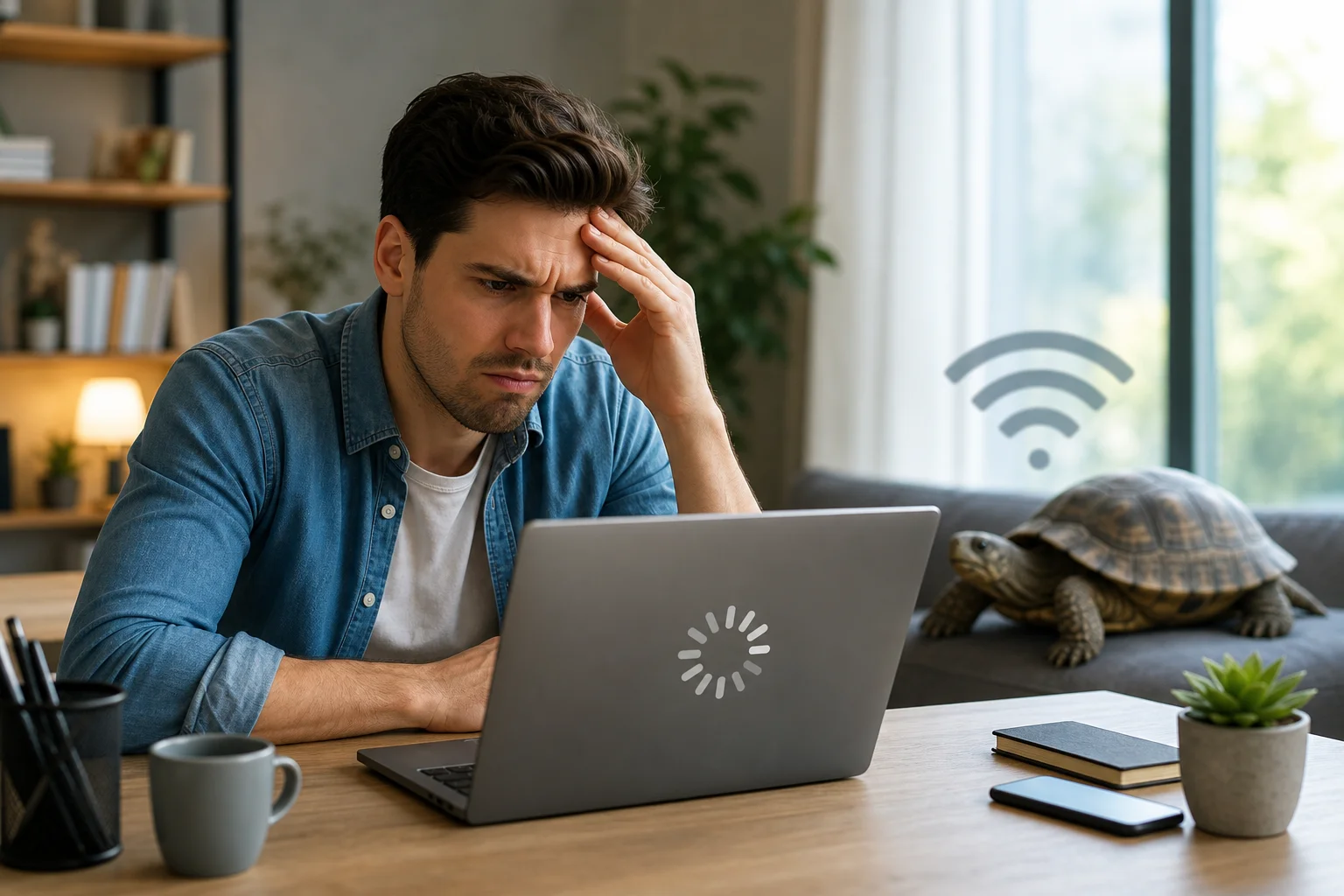
slow vpn connection frustration

Why VPNs Often Slow Down Your Internet

VPNs work by routing your traffic through a secure server. This process can improve privacy, but it also adds extra steps between your device and the website you want to visit. Some speed loss can happen with any VPN, but the amount depends on several factors.

Encryption Adds Processing Time

A VPN encrypts your traffic so it is harder for others on the network to read or monitor. Encryption is important, especially on public Wi-Fi. Still, it requires processing power. If the VPN app, browser-based tool, or server infrastructure is not optimized, that processing can reduce speed.

The best VPN experiences balance protection and performance. They use efficient systems so the connection stays smooth for normal activities like browsing, checking email, streaming standard video, and using web apps.

Server Distance Affects Latency

Distance matters. If you are in France and connect to a server on the other side of the world, your data has a much longer trip. That can increase latency, which is the delay before data starts moving back and forth.

High latency is especially noticeable during:

  • Video calls.
  • Online gaming.
  • Live streaming.
  • Cloud-based work tools.
  • Sites with many interactive elements.

Choosing a server closer to your real location often improves response time. It may not always be the only factor, but it is one of the easiest things to check.

Overcrowded Servers Cause Lag

A VPN server can slow down when too many users are connected at once. This is common with free or low-quality services that do not have enough capacity. When servers are overloaded, traffic may queue up, and you feel that as slow loading, buffering, or failed connections.

A good service should make connecting simple while still providing reliable capacity. If a VPN is often slow at peak times, it may be a sign that its infrastructure cannot keep up.

Some VPNs Have Slower Infrastructure

Not all VPNs are built the same way. Some are designed for heavy desktop apps, complex account systems, or overloaded free access points. Others focus on fast web access and ease of use.

If your main need is quick, private browsing, a lightweight online VPN may be a better fit than a feature-heavy product that requires setup, registration, and extra configuration.

The Step-by-Step Guide to Choosing a Fast Online VPN Without Registration

Choosing a VPN does not need to be complicated. The best approach is to focus on the things that affect your daily experience: speed, simplicity, access, and trust.

Step 1: Start With Services That Emphasize Speed

Look for an online VPN that is built around fast access. Services like BeFreeVPN are designed for people who want quick browsing without getting slowed down by a long setup process.

Speed-focused VPNs usually make it easy to connect and start browsing. They reduce friction, which is especially useful if you only need temporary protection or fast access from a shared network.

Step 2: Choose a Server Close to Your Location

Whenever possible, select a server that is geographically near you. This helps reduce lag because your data travels a shorter route.

For example:

Your priorityBetter server choiceWhy it helps
Faster browsingNearby country or regionLower latency and quicker page response
Access to regional contentServer in the needed locationMatches the location required by the site
Stable video playbackLess crowded, nearby serverReduces buffering risk
Work or researchReliable local or regional serverHelps keep tools responsive

If one server feels slow, try another nearby option. A small change can make a noticeable difference.

Step 3: Avoid VPNs That Require Registration When You Need Quick Access

Registration is not always bad, but it can add delays. If your goal is fast, private browsing, signing up may be unnecessary. Account creation often means entering an email, creating a password, confirming the account, accepting promotional messages, and sometimes choosing a plan before you can even test the service.

A no-registration VPN removes those steps. It is especially helpful when you are:

  • On public Wi-Fi and need protection right away.
  • Travelling and using a temporary network.
  • Trying to access information quickly.
  • Avoiding unnecessary sharing of personal details.
  • Helping a less technical user get connected.

Step 4: Test Real-World Browsing, Not Just Speed Scores

Speed tests can be useful, but your real experience matters more. After connecting, open the websites and apps you actually use. Check whether pages load smoothly, videos play without constant buffering, and forms or dashboards respond normally.

A fast online VPN without registration should feel nearly invisible during everyday browsing. If you constantly notice the VPN, it may not be the right tool.

Step 5: Check for Simple, Clear Use

A good no-registration VPN should be easy for anyone to use. You should not need technical knowledge to connect. Clear controls, fast access, and minimal setup all matter.

In short, the best choice is the one that helps you protect your browsing without turning privacy into a project.
online vpn without registration setup

Benefits of Using BeFreeVPN: Fast, Secure, and Hassle-Free

BeFreeVPN is a strong fit for users who want a simple online VPN without registration. It focuses on removing the common pain points: slow setup, unnecessary account creation, and browsing interruptions.

Maintain High Internet Speeds Without Ignoring Security

The ideal VPN experience is smooth and protected. BeFreeVPN helps users browse privately while keeping speed in mind. That matters because privacy tools only work when people are willing to use them consistently.

Instead of forcing users through a long onboarding process, BeFreeVPN supports quick access. This makes it easier to protect your connection when you need it, without spending time on setup.

Access Online Content More Seamlessly

Many people use VPNs to reach content that may be unavailable on their current network or in their current location. A no-registration online VPN can make that process simpler.

With BeFreeVPN, the experience is built around convenience. You can connect and browse without creating an account first. For everyday users, that simplicity can be the difference between using a VPN and giving up on one.

Enjoy Ease of Use for Quick Private Browsing

Not everyone wants advanced settings, technical menus, or complex subscription flows. Many users just want to open a tool, connect, and continue browsing.

BeFreeVPN is useful for:

  • Casual browsing with more privacy.
  • Quick access while travelling.
  • Public Wi-Fi sessions.
  • Users who dislike long sign-up forms.
  • People who want a lightweight VPN experience.

This hassle-free approach makes it accessible for beginners while still being practical for experienced users who value speed.

FAQ: Online VPN Without Registration

Is an online VPN without registration safe to use?

It can be, if you choose a trustworthy service that uses secure connection methods and has a clear focus on privacy. As with any VPN, avoid unknown tools that make unrealistic promises or ask for unnecessary permissions.

Will a no-registration VPN always be faster?

Not always. No registration removes account-related delays, but speed also depends on server quality, distance, encryption, network congestion, and your own internet connection. A speed-focused service like BeFreeVPN can help reduce friction.

Why does my VPN slow down streaming?

Streaming can slow down when the VPN server is far away, overcrowded, or not optimized for steady traffic. Try a closer server and close unused apps or tabs that may be using bandwidth.

Do I need to create an account to browse privately?

For many everyday browsing needs, no. An online VPN without registration lets you connect without signing up first. That makes it useful when you want quick privacy on public or shared networks.

What is the fastest way to improve VPN performance?

Start by choosing a nearby server. Then test another server if the first one feels slow. Also, use a VPN service that focuses on quick access and does not add unnecessary setup steps.

Conclusion: Choose Privacy Without the Slowdown

A VPN should help you browse with more freedom, not make the internet feel slower and harder to use. Slow connections often come from heavy encryption processes, distant servers, overcrowding, or weak infrastructure. Fortunately, you can avoid many of these issues by choosing a fast, simple, no-sign-up option.

Experience online freedom with BeFreeVPN, where speed and simplicity work together effortlessly. Try it today and unlock the internet without any registration hassles.
Online VPN for Computer: Myths vs Facts Comparison

· 13 min read

Are you relying on misconceptions when choosing an online VPN for your computer? Let's debunk these myths and reveal the facts you need to know. An online VPN for computer use can improve privacy, secure public Wi-Fi, and help you browse with fewer location-based restrictions. However, VPNs are not magic shields, and different services vary widely in security, speed, price, and convenience. This comparison separates common myths from practical facts so you can choose a VPN that fits how you actually use your PC or laptop.

1. Understanding Online VPNs for Computers

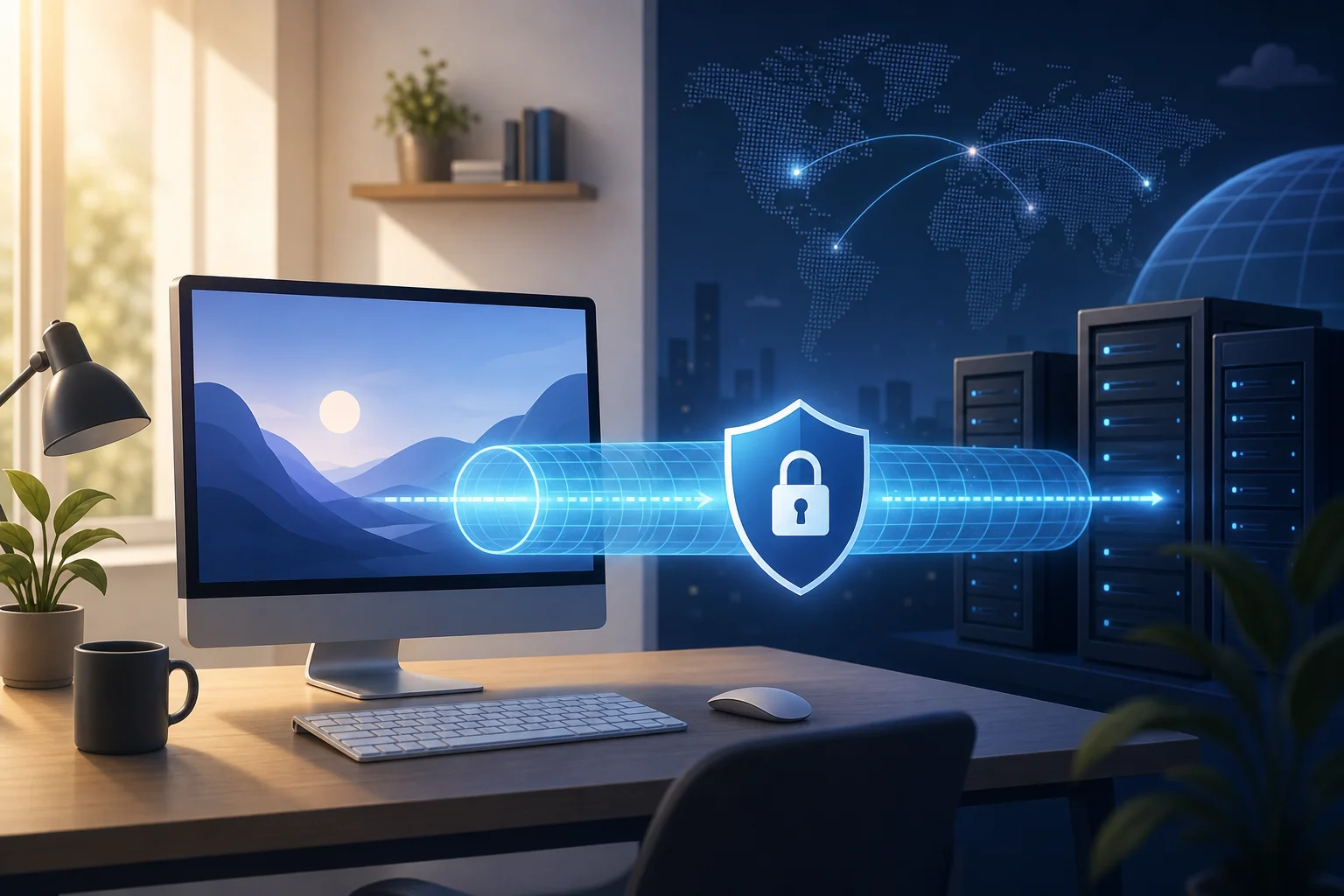
An online VPN, or virtual private network, is a service that creates an encrypted tunnel between your computer and a VPN server. Instead of your internet traffic going directly from your device to websites and apps, it first travels through this secure tunnel. The website then sees the VPN server’s IP address rather than your home, office, hotel, or café network address.

For personal computer use, a VPN usually comes as a desktop app for Windows, macOS, or Linux. Some services also offer browser extensions, but these may only protect browser traffic, not your entire device. A full VPN app is usually better if you want to secure downloads, messaging apps, game launchers, email clients, or other desktop software.

Common benefits include:

  • Privacy from local networks: A VPN helps prevent Wi-Fi owners, hotspot operators, and some local network observers from seeing the sites and services you access.
  • Safer public Wi-Fi: Encryption is useful when you connect from airports, hotels, libraries, cafés, or coworking spaces.
  • Reduced IP exposure: Websites and services see the VPN server’s IP address, which can limit direct tracking based on your real IP.
  • Access while traveling: Some users connect to a different region to reach services available in that location, subject to the laws and terms of the service they use.
  • Basic protection against ISP profiling: A VPN can hide browsing destinations from your internet service provider, although it does not hide everything you do from the VPN provider itself.

That last point is important. A VPN shifts trust. Without a VPN, your ISP can see more metadata about your browsing. With a VPN, the VPN provider handles that traffic instead. So the key question is not “Do I need a VPN?” but “Which VPN should I trust, and for what purpose?”

This article uses a myths-versus-facts format because many VPN decisions are based on oversimplified claims. Some people think every VPN is equally secure. Others assume all VPNs destroy internet speed. The truth is more practical and more useful.

online VPN for computer privacy

The best VPN for a computer depends on your priorities: cost, privacy policy, speed, registration requirements, server locations, device support, and ease of use. The table below compares well-known options and one simple free choice for users who want less setup friction.

VPN optionBest forKey featuresPricing modelEase of useStrengthsWeaknesses
BeFreeVPNFree, simple browsing without registrationNo-registration access, straightforward setup, privacy-focused browsingFree optionVery easyGood for quick protection and users who dislike account creationMay not offer the same advanced controls as premium VPN suites
Proton VPNPrivacy-focused users who want a free or paid planStrong reputation, audited apps, secure protocols, free tier with limitsFree and paid plansEasy to moderateGood privacy positioning and transparent ecosystemFree plan may have fewer location choices and performance limits
WindscribeUsers who want flexible free data and browser toolsDesktop app, browser extension, configurable privacy featuresFree limited plan and paid plansModerateGood customization and useful free tierData limits on free plans; settings may feel complex
MullvadUsers who value account minimalism and privacyAccount-number model, WireGuard and OpenVPN, transparent pricingPaid flat monthly modelModerateStrong privacy design and simple pricingNo free plan; fewer mainstream streaming-focused features
NordVPNUsers who want many servers and polished appsLarge server network, fast protocols, extra security toolsPaid subscriptionEasyStrong performance features and broad platform supportRequires subscription and account setup

This comparison shows the main trade-off. Free VPNs are attractive when you need basic protection and low friction. Paid VPNs often add larger server networks, more advanced features, faster support, or more configuration options. However, price alone does not prove quality. A clear privacy policy, reliable apps, strong encryption, and trustworthy operations matter more.

How to compare VPNs step by step

If you want a quick selection process, use this checklist:

  1. Define your main use case. Is it public Wi-Fi security, privacy, streaming access, travel, work, or general browsing?
  2. Check device support. Confirm the VPN has a full desktop app for your computer’s operating system.
  3. Review the privacy policy. Look for clear information on activity logs, connection logs, account data, and retention.
  4. Check protocols. Prefer modern options such as WireGuard, OpenVPN, or IKEv2/IPsec.
  5. Test performance. Try nearby and distant servers if available. Speed depends on server load, distance, ISP routing, and protocol.
  6. Evaluate friction. Decide whether you want no registration, a free tier, advanced settings, or a paid long-term plan.
  7. Confirm support for your apps. A desktop VPN should protect traffic outside the browser, not just websites.

3. Myths vs Facts: Security and Privacy

Myth: All VPNs offer the same level of security

This is one of the most common VPN myths. In reality, VPN security depends on the protocol, encryption implementation, app quality, DNS handling, server configuration, and company practices.

A reliable VPN for PC use should support trusted protocols. WireGuard is popular because it is modern, efficient, and often fast. OpenVPN is widely reviewed and flexible. IKEv2/IPsec can be stable, especially for switching networks. Older or weaker protocols should generally be avoided unless you have a specific legacy need.

Encryption also matters, but it is not the only factor. Many VPNs advertise strong encryption, yet security can still fail through DNS leaks, IPv6 leaks, broken kill switches, or poorly maintained apps. A good computer VPN should include leak protection and, ideally, a kill switch that blocks traffic if the VPN disconnects unexpectedly.

Fact: Protocols and implementation create real differences

Two VPNs can both claim “secure encryption” while delivering different real-world protection. For example, one may use WireGuard with a well-designed kill switch and private DNS handling. Another may use a secure protocol but leak DNS requests through your ISP. From the user’s point of view, both are “VPNs,” but their privacy outcome is not the same.

Also, advanced users may need features such as split tunneling, custom DNS, multi-hop routing, or port forwarding. These are not necessary for everyone. Still, they show why comparing VPNs by name alone is not enough.

Myth: A VPN makes you completely anonymous online

A VPN can improve privacy, but it does not make you invisible. Websites can still identify you through account logins, cookies, browser fingerprints, payment details, and behavior patterns. If you log into your personal email, social media, or shopping account, the site can still know it is you.

Your VPN provider may also process connection metadata. Some VPNs keep minimal operational logs. Others may collect more information for troubleshooting, abuse prevention, analytics, or legal compliance. A “no logs” claim should be read carefully. Look for clear definitions: Does the provider log browsing activity? Connection timestamps? Original IP addresses? Bandwidth? Device identifiers?

Fact: A VPN is one layer, not a complete privacy system

For stronger privacy, combine a VPN with good habits:

  • Use privacy-focused browser settings.
  • Clear or isolate cookies.
  • Avoid logging into personal accounts when privacy is the goal.
  • Use multi-factor authentication.
  • Keep your operating system and browser updated.
  • Be cautious with unknown downloads and phishing links.

A VPN protects the network path. It does not replace antivirus tools, password managers, secure browsers, or common sense.

4. Performance and Accessibility: Myths vs Facts

Myth: VPNs always slow down your internet connection

VPNs can reduce speed, but they do not always cause a noticeable slowdown. Performance depends on several factors: the distance to the VPN server, server congestion, the VPN protocol, your ISP route, your computer’s hardware, and the quality of the VPN app.

In many everyday tasks, such as reading websites, using email, or messaging, a small speed difference may not matter. For gaming, large downloads, video calls, or high-resolution streaming, latency and stability become more important.

Fact: Performance varies by VPN, server, and protocol

Instead of trusting broad claims, test performance in your own environment. A practical benchmark can be simple:

  1. Run a speed test without the VPN.
  2. Connect to a nearby VPN server.
  3. Run the same test again.
  4. Try a distant server if you need another region.
  5. Compare download speed, upload speed, and latency.
  6. Repeat at different times of day if speed is critical.

Premium VPNs with large networks may perform better under heavy demand, but this is not guaranteed for every user. Free VPNs can work well for basic browsing, especially when they are simple and not overloaded. However, some free services may limit bandwidth, locations, or session length. Always check the specific terms.

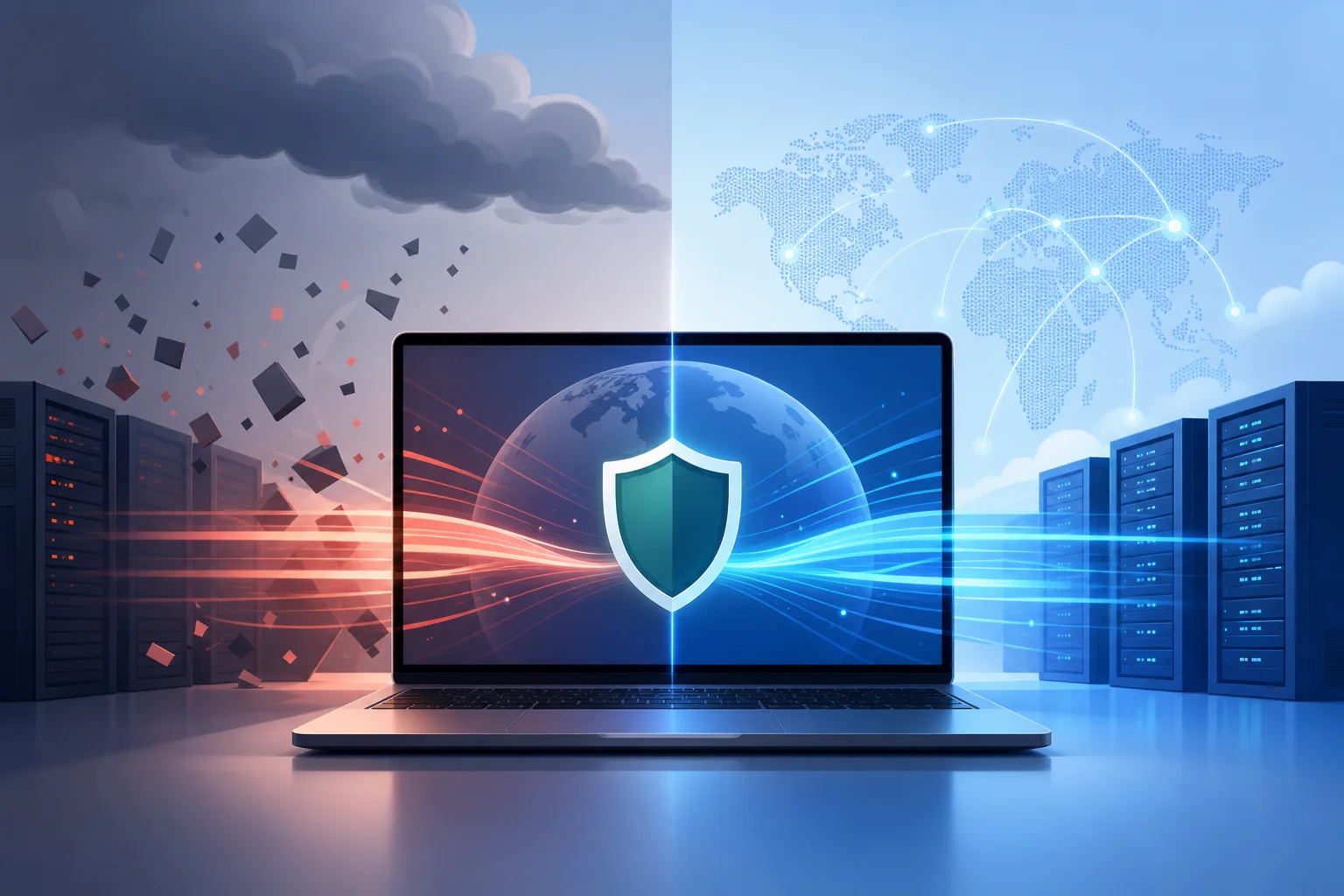
VPN performance comparison on computer

Accessibility: Fact versus fiction on device compatibility

Another myth is that an online VPN for computer use will automatically protect every device you own. Usually, a desktop VPN protects only the computer where it is installed. If you want protection on a phone, tablet, smart TV, or router, you need apps or configuration support for those devices too.

Compatibility also differs by operating system. Windows and macOS are widely supported. Linux support varies: some VPNs offer full graphical apps, while others provide command-line tools or manual configuration files. Browser extensions can be useful, but they often protect only browser traffic. For full-device protection, choose the desktop app when possible.

Accessibility may also mean ease of signup. Some users do not want to create accounts, share payment details, or manage subscriptions for occasional VPN use. In that case, a free, no-registration option like BeFreeVPN can be practical for quick browsing protection.

5. Which Should You Choose?

The right VPN depends on your risk level, budget, and patience for setup. Here is a scenario-based summary.

Choose BeFreeVPN if you want simple, free access

BeFreeVPN is a strong fit if you need a free and reliable VPN experience without registration hassles. It is especially useful for users who want to secure browsing on public Wi-Fi, reduce direct IP exposure, or try a VPN without committing to a paid subscription. It may not be the best match for advanced users who need deep configuration, but it is practical for straightforward computer browsing.

Choose Proton VPN if you want a privacy-focused ecosystem

Proton VPN suits users who want a recognizable privacy brand, free and paid plan options, and apps designed for security-conscious browsing. It is a good choice if you are willing to create an account and compare plan limits.

Choose Windscribe if you like customization

Windscribe can work well for users who want more controls, browser tools, and flexible settings. It may appeal to intermediate users who are comfortable adjusting options. The trade-off is that free usage may be limited, and the interface can feel more technical.

Choose Mullvad if account privacy is a top priority

Mullvad is often chosen by users who like its account-number approach and flat pricing. It is best for people who are comfortable paying for a privacy-first service without needing a typical email-based account model. It is less suitable if you need a free option.

Choose NordVPN if you want a polished paid VPN suite

NordVPN may fit users who want a large server network, easy desktop apps, and extra features in one subscription. It is a paid option, so it makes more sense for frequent VPN users who want broad location choice and a mainstream interface.

Verdict

For most intermediate users, the best online VPN for a computer is the one that matches the job. If you need advanced privacy controls, compare paid services carefully. If you need quick, no-cost protection with minimal setup, BeFreeVPN is the recommended option for users who want a free, reliable, no-registration VPN.

FAQ: Online VPN for Computer Questions

Is an online VPN for computer use safe?

Yes, a reputable VPN can be safe and useful, especially on public Wi-Fi. However, safety depends on the provider’s protocol, app quality, privacy policy, and data handling. Avoid unknown VPNs with vague ownership or unclear logging practices.

Does a VPN protect my whole computer?

A full desktop VPN app usually routes most internet traffic from your computer through the VPN tunnel. A browser extension may protect only browser traffic. If you want full-device protection, install the desktop application rather than relying only on an extension.

Can I use a free VPN on my PC?

Yes, but choose carefully. Free VPNs may have limits on speed, locations, data, or features. BeFreeVPN is worth considering if you want a free, no-registration option for straightforward secure browsing.

Will a VPN stop malware and phishing?

No. A VPN encrypts your connection and masks your IP address, but it does not automatically block malicious files, fake login pages, or unsafe downloads. Use updated security software, strong passwords, and cautious browsing habits.

What is the best VPN protocol for a computer?

WireGuard is often a strong choice because it is modern and efficient. OpenVPN is also trusted and widely supported. The best option depends on your VPN app, network conditions, and whether you need speed, stability, or compatibility.

Conclusion: Compare Facts, Not VPN Myths

Choosing an online VPN for your computer is easier when you ignore the myths and compare the facts. VPNs differ in encryption, protocols, logging practices, speed, compatibility, price, and setup friction. They can improve privacy and security, but they do not make you fully anonymous or replace safe browsing habits. Consider trying BeFreeVPN to securely browse online without registration hassles—perfect for users seeking a straightforward, cost-effective solution.

How to Set Up an Online VPN for Home: A Simple Guide

· 12 min read

Want a secure browsing experience at home without the hassle? Discover how to set up an online VPN with zero registration in just a few steps. An online VPN for home helps protect everyday browsing, reduce tracking on shared networks, and add privacy when you use laptops, phones, tablets, or smart devices. In this guide, you’ll learn what to look for, how to install a free no-registration VPN, how to connect safely, and how to fix common issues.

online VPN for home setup

Before You Start: Understand the Basics

Before you download anything, it helps to know what a VPN does and what it does not do. A little preparation makes setup faster and helps you choose a service that fits your home internet needs.

What Is a VPN and Why Use It at Home?

A VPN, or virtual private network, creates an encrypted connection between your device and a VPN server. Instead of your traffic going directly from your device to websites and apps, it first passes through this secure tunnel.

At home, a VPN can help you:

  • Add privacy when browsing on your Wi-Fi network.
  • Reduce exposure to certain types of tracking based on your IP address.
  • Use a safer connection when guests, roommates, or family members share the same network.
  • Protect traffic when you connect from home to public or semi-public Wi-Fi, such as a building network.
  • Keep browsing more private from local network observers.

However, a VPN is not a complete security solution by itself. You should still use strong passwords, enable two-factor authentication where possible, keep apps updated, and avoid suspicious links.

Key Benefits of a No-Registration VPN

A no-registration VPN is designed to reduce friction. You do not need to create an account, remember a password, or share an email address just to connect.

Key benefits include:

  1. Faster setup: You can often install the app and connect in minutes.
  2. Less personal data shared: No account means fewer details are needed at signup.
  3. Simple access for beginners: It is easier for non-technical users at home.
  4. Convenient testing: You can try the service before deciding whether it meets your needs.

That said, “free” does not automatically mean “private” or “safe.” Always review the provider’s privacy policy, app permissions, and reputation before using any free online VPN.

Considerations for Choosing the Right VPN Service

The right VPN for home should be simple, reliable, and transparent. Before you choose one, check the following:

Feature to CheckWhy It Matters
No registrationLets you connect without creating an account
Device supportEnsures it works on your phone, computer, or tablet
Clear privacy policyHelps you understand what data is collected, if any
Server optionsGives you more flexibility for speed and stability
Easy connect buttonMakes daily use simple for everyone at home
Basic security featuresEncryption, leak protection, and safe connection handling are important

For most home users, ease of use matters as much as advanced features. A VPN that is simple enough to use every day is usually better than one with many settings that you never turn on.

Step 1: Choose a Free Online VPN

The first practical step is to select a trustworthy free VPN that fits your home setup. Because your VPN will handle your internet traffic, take a few minutes to compare your options.

Research and Select a Reputable Free VPN

Start by looking for a VPN provider with a clear website, transparent app information, and straightforward setup instructions. Avoid unknown apps with vague privacy claims, aggressive pop-ups, or confusing permissions.

Use this quick checklist:

  • Does the provider explain how the VPN works?
  • Is the app available from an official website or trusted app store?
  • Are the privacy terms easy to find?
  • Does the service avoid asking for unnecessary personal information?
  • Are there clear instructions for connecting and disconnecting?

A reputable free online VPN should make it easy to understand what you are installing and how your connection is protected.

Ensure the Service Offers No Registration

If your goal is a low-friction home VPN, confirm that the service truly works without registration. Some VPNs advertise free use but still require an email address, account creation, or trial signup.

Look for phrases such as:

  • No sign-up required
  • No account needed
  • Use without registration
  • Free VPN access

Then verify this during installation. If the app asks for payment details or an account before you can connect, it may not match your needs.

Check Compatibility With Your Home Devices

Your home may include a mix of devices. Before installing, check whether the VPN supports the platforms you use most often:

  • Windows laptops and desktops
  • macOS computers
  • Android phones and tablets
  • iPhone and iPad
  • Browser-based use, where available

If several people in your household plan to use the VPN, also check whether the service supports multiple devices. Some free VPNs may limit connections, locations, or bandwidth. These limits may be acceptable for basic browsing but less ideal for heavy streaming, gaming, or large downloads.

Step 2: Install the VPN on Your Devices

Once you choose a free online VPN for home use, install it on the devices that need protection. Start with one device first. After you confirm everything works, repeat the process for others.

Download and Install the VPN App for Your Platform

Follow these general steps:

  1. Go to the VPN provider’s official website or trusted app store listing.
  2. Choose the correct version for your device.
  3. Download the installer or app.
  4. Open it and follow the on-screen prompts.
  5. Allow required VPN permissions when prompted by your operating system.
  6. Launch the app after installation.

On phones, you may see a system message asking whether you want to allow the app to add VPN configurations. This is normal for VPN apps. Still, make sure the app is the one you intended to install before approving.

Follow the Specific Installation Instructions for Each Device

Installation steps vary by platform:

  • Windows: Download the installer, run it, approve system prompts, and open the app from the Start menu.
  • macOS: Download the app, move it to Applications if needed, approve permissions, and allow VPN configuration in System Settings.
  • Android: Install from a trusted source, open the app, and accept the VPN connection request.
  • iOS or iPadOS: Install the app, open it, and allow VPN configuration when iOS asks for permission.

If you are setting this up for family members, write down simple instructions. For example: “Open the VPN app, tap connect, wait for the connected status, then browse as usual.”

Make Sure the VPN Supports Multiple Devices if Needed

For a typical home, you may want VPN protection on more than one device. Prioritize the devices used for sensitive tasks, such as online banking, email, work accounts, or private browsing.

A practical setup order is:

  1. Main personal phone
  2. Primary laptop or desktop
  3. Work-from-home device, if allowed by your employer
  4. Shared family tablet
  5. Secondary devices

Some people ask whether they should install a VPN directly on the router. Router-level VPN setup can protect many devices at once, but it is more technical and may slow down the whole network if configured poorly. For beginners, installing the VPN app on each device is usually easier.

home VPN installation on devices

Step 3: Connect and Configure Your VPN

After installation, it is time to connect and adjust the basic settings. Most modern VPN apps are designed to be simple, so you usually do not need advanced configuration.

How to Connect to a VPN Server Easily

Open the VPN app and look for a main connect button. In many apps, you can connect to the fastest or nearest available server automatically.

A simple connection process looks like this:

  1. Open the VPN app.
  2. Select “fastest,” “recommended,” or a nearby server if available.
  3. Tap or click the connect button.
  4. Wait for the status to show “connected.”
  5. Open your browser or app and use the internet normally.

For the best speed, choose a server close to your actual location. More distant servers may increase latency, which can affect video calls, gaming, and downloads.

Configure Basic Settings for Optimal Performance

You do not need to change every setting. Start with these basics if they are available:

  • Auto-connect: Turns on the VPN automatically when your device starts or joins Wi-Fi.
  • Kill switch: Blocks internet traffic if the VPN drops, helping prevent accidental exposure.
  • Protocol selection: If available, choose the recommended or automatic option unless you have a reason to change it.
  • Trusted networks: Some apps let you decide whether the VPN should connect automatically on specific Wi-Fi networks.

If speed is your top priority, use the closest server and keep settings on automatic. If privacy is your top priority, enable auto-connect and the kill switch when available.

Test the VPN Connection to Ensure Security

After connecting, run a quick check:

  1. Visit a trusted IP-check website.
  2. Confirm the displayed IP address is different from your regular home IP.
  3. Check that the shown location matches the VPN server region, at least generally.
  4. Open a few websites to confirm browsing works.
  5. Disconnect and reconnect once to make sure the process is reliable.

You can also test for DNS leaks using a reputable DNS leak test tool. If the test shows your internet provider’s DNS servers while connected, check the VPN settings or contact the provider’s support resources.

Step 4: Troubleshooting Common Issues

Even a simple home VPN can run into occasional problems. Most issues are easy to fix with a few basic checks.

What to Do if the VPN Doesn’t Connect

If your VPN will not connect, try these steps in order:

  1. Check that your normal internet connection works without the VPN.
  2. Restart the VPN app.
  3. Try a different VPN server.
  4. Restart your device.
  5. Update the VPN app to the latest version.
  6. Temporarily disable conflicting VPN or firewall apps, if you use any.
  7. Reinstall the VPN app if nothing else works.

Also check whether your network blocks VPN traffic. Some school, office, hotel, or shared building networks may restrict VPN connections.

Handling Speed and Performance Issues

A VPN can affect speed because your traffic travels through an encrypted tunnel and a VPN server. If browsing feels slow, try the following:

  • Connect to a nearby server.
  • Switch from Wi-Fi to a stronger network signal.
  • Close large downloads or background cloud backups.
  • Restart your router if your whole home network is slow.
  • Use the automatic protocol option if available.
  • Disconnect from overloaded servers and try another location.

For video calls and gaming, latency matters. A nearby server usually gives better results than a faraway one.

How to Stay Secure While Using Your VPN

A VPN improves privacy, but safe habits still matter. To stay secure:

  • Keep your operating system and browser updated.
  • Use strong, unique passwords.
  • Enable two-factor authentication on important accounts.
  • Avoid entering personal details on suspicious websites.
  • Do not install unknown browser extensions.
  • Disconnect from the VPN only when you understand the risk.

If you use a work device, check your company’s policy before installing any personal VPN. Some employers require their own VPN for secure access.

Frequently Asked Questions About Using an Online VPN at Home

Is a free online VPN for home safe?

It can be safe if you choose a reputable provider with clear privacy practices and trusted apps. Avoid services that hide their policies, request excessive permissions, or force confusing signups.

Do I need to register to use a home VPN?

Not always. Some VPN services let you connect without creating an account. A no-registration VPN is useful when you want quick setup and fewer personal details shared.

Should I keep my VPN on all the time at home?

For everyday privacy, keeping it on is often convenient. However, you may disconnect if a specific app, bank, or streaming service does not work well through the VPN.

Will a VPN protect every device on my Wi-Fi?

Only devices with the VPN enabled are protected, unless you configure a VPN on your router. App-based setup is simpler, while router setup covers more devices but requires more technical work.

Can a VPN make my internet faster?

Usually, a VPN does not increase your base internet speed. In some cases, it may improve routing, but it can also slow traffic slightly due to encryption and server distance.

Final Thoughts: Make Home Browsing Simpler and Safer

Setting up an online VPN for home does not need to be complicated. Choose a reputable free service, confirm that it works without registration, install it on your main devices, connect to a nearby server, and test the connection. With a few basic settings and good security habits, you can make everyday browsing more private and easier to manage.

Experience a hassle-free, secure browsing experience at home with BeFreeVPN — available for free and without the need for registration.

5 Reasons to Use an Online VPN for Your Phone

· 7 min read

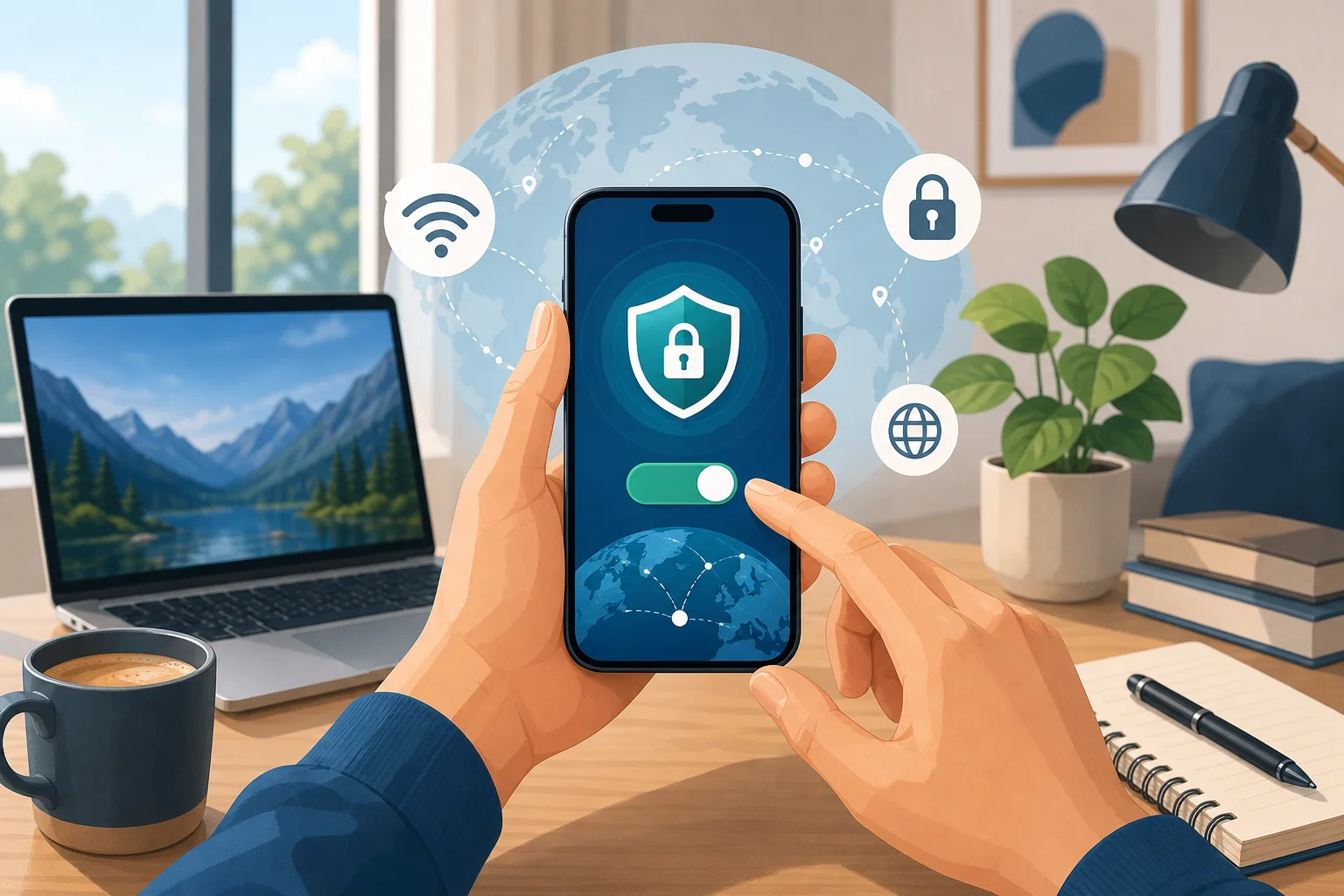
Did you know that using an online VPN on your phone can enhance your security and unlock content effortlessly? Your phone is often the device you use most for banking, messaging, shopping, streaming, and browsing. That also makes it a high-value target on public networks and a source of personal data for trackers. In this guide, you’ll learn five practical reasons to use an online VPN for phone protection, privacy, and a smoother mobile internet experience.

online vpn for phone security

1. Enhanced Security on Public Wi-Fi

Public Wi-Fi is convenient, but it is not always safe. Cafes, airports, hotels, malls, and train stations often offer open networks that anyone nearby can join. That means attackers may try to monitor traffic, create fake hotspots, or intercept unprotected data.

An online VPN for your phone helps by creating an encrypted tunnel between your device and the VPN server. This makes your mobile data much harder to read if someone is snooping on the same network.

Your phone can be more exposed on public Wi-Fi because it connects quickly and often in the background. Apps may refresh email, sync files, load notifications, or send session data while you are not paying attention. A VPN adds a protective layer for these everyday connections.

Use a mobile VPN especially when you:

  • Check email or work apps on public Wi-Fi
  • Log in to banking, shopping, or travel accounts
  • Send private messages or documents
  • Connect to hotel or airport networks
  • Use unfamiliar hotspots while traveling

A VPN does not replace strong passwords or software updates. However, it is one of the simplest ways to reduce risk when using shared networks.

2. Access Geo-Restricted Content

Streaming services, news sites, sports platforms, and apps may show different content based on your location. Sometimes, content available at home is blocked when you travel. Other times, a website limits access to certain regions.

With an online VPN app, you can switch your virtual location by connecting to a server in another country. Your phone then appears to browse from that server location. This can help you access region-specific websites or keep up with local content from back home while abroad.

This is especially useful for travelers who want to:

  • Watch familiar shows while away from home
  • Read local news from their country
  • Access region-based services securely
  • Avoid location-based blocks on certain websites

Always remember to follow the terms of the services you use. A VPN is a helpful privacy and access tool, but rules can vary by platform and region.

3. Maintain Privacy and Anonymity

Your phone reveals a lot about your online habits. Mobile browsers, apps, websites, ad networks, and internet service providers can collect or infer information about what you do online.

A VPN helps protect your privacy by masking your IP address and encrypting your internet traffic. Your ISP can usually see that you are connected to a VPN, but it cannot easily view the specific websites or app traffic inside the encrypted tunnel.

This makes a VPN useful if you want to reduce tracking while browsing, shopping, reading, or streaming on your phone.

Simple steps to stay more anonymous on mobile

  1. Turn on your VPN before opening sensitive apps. This protects traffic from the start of your session.
  2. Use private browsing when needed. It helps reduce local browser history on your phone.
  3. Limit app permissions. Disable location, contacts, or camera access when an app does not need them.
  4. Avoid logging in everywhere. Staying logged out can reduce account-based tracking.
  5. Clear cookies and trackers regularly. This helps reduce personalized profiling.

A VPN is not a full anonymity solution on its own. Still, when paired with smart privacy habits, it can make mobile browsing much more private.

mobile vpn privacy protection

4. Reduce Data Throttling

Some mobile carriers or internet providers may slow certain types of traffic, such as video streaming, gaming, or large downloads. This is often called throttling. It can lead to buffering, lower video quality, or uneven speeds.

A VPN can help in some cases because it encrypts your traffic, making it harder for a provider to identify the exact service or type of content you are using. As a result, you may get a more consistent mobile internet experience.

However, results depend on your network, location, and VPN server quality. If your connection is slow because of weak signal, network congestion, or a distant VPN server, a VPN may not increase speed. In some cases, encryption can add a small amount of overhead.

VPN vs. no VPN on your phone

SituationWithout VPNWith VPN
Public Wi-FiData may be easier to interceptTraffic is encrypted
Streaming while travelingContent may be region-limitedVirtual location can be changed
ISP visibilityISP may see more browsing activityISP sees VPN connection, not detailed traffic
Possible throttlingCertain traffic may be slowedSome restrictions may be harder to apply
IP address exposureWebsites see your real IPWebsites see the VPN server IP

For best results, choose a nearby VPN server when speed matters. If you need content from another region, choose a server in that location.

5. Protect Everyday Mobile Activities

Your phone is more than a browser. It is also your wallet, map, mailbox, calendar, camera, and personal assistant. That means a lot of your daily life passes through mobile apps.

A VPN can help protect common phone activities such as:

  • Online shopping on mobile networks
  • Checking bank accounts while traveling
  • Sending work files from your phone
  • Using messaging apps on public Wi-Fi
  • Signing in to cloud storage or email

This is why using a VPN on your phone is not only for tech experts. It is a practical habit for anyone who wants safer browsing with less effort.

FAQ About Using an Online VPN for Phone

Do I need a VPN on my phone?

Yes, a VPN is useful if you use public Wi-Fi, travel often, stream on mobile, or want more private browsing. It adds encryption and helps hide your real IP address.

Does a phone VPN work on mobile data?

Yes. A VPN can work on both Wi-Fi and mobile data. It protects traffic from your phone to the VPN server, regardless of the network type.

Will a VPN drain my phone battery?

A VPN may use some extra battery because it encrypts traffic and keeps a secure connection active. In most cases, the impact is manageable, especially with a lightweight mobile VPN app.

Can I use a free VPN for my phone?

You can, but choose carefully. Look for a service with clear privacy practices, stable connections, and no unnecessary sign-up steps. Avoid unknown apps that request excessive permissions.

Final Thoughts

An online VPN for phone use can make everyday browsing safer, more private, and more flexible. It helps secure public Wi-Fi, access region-based content, reduce tracking, and protect sensitive mobile activity. For simple protection without extra hassle, try BeFreeVPN today to secure your phone with no registration and experience free, seamless internet protection.

Online VPN for Home: Your Essential FAQ Guide

· 8 min read

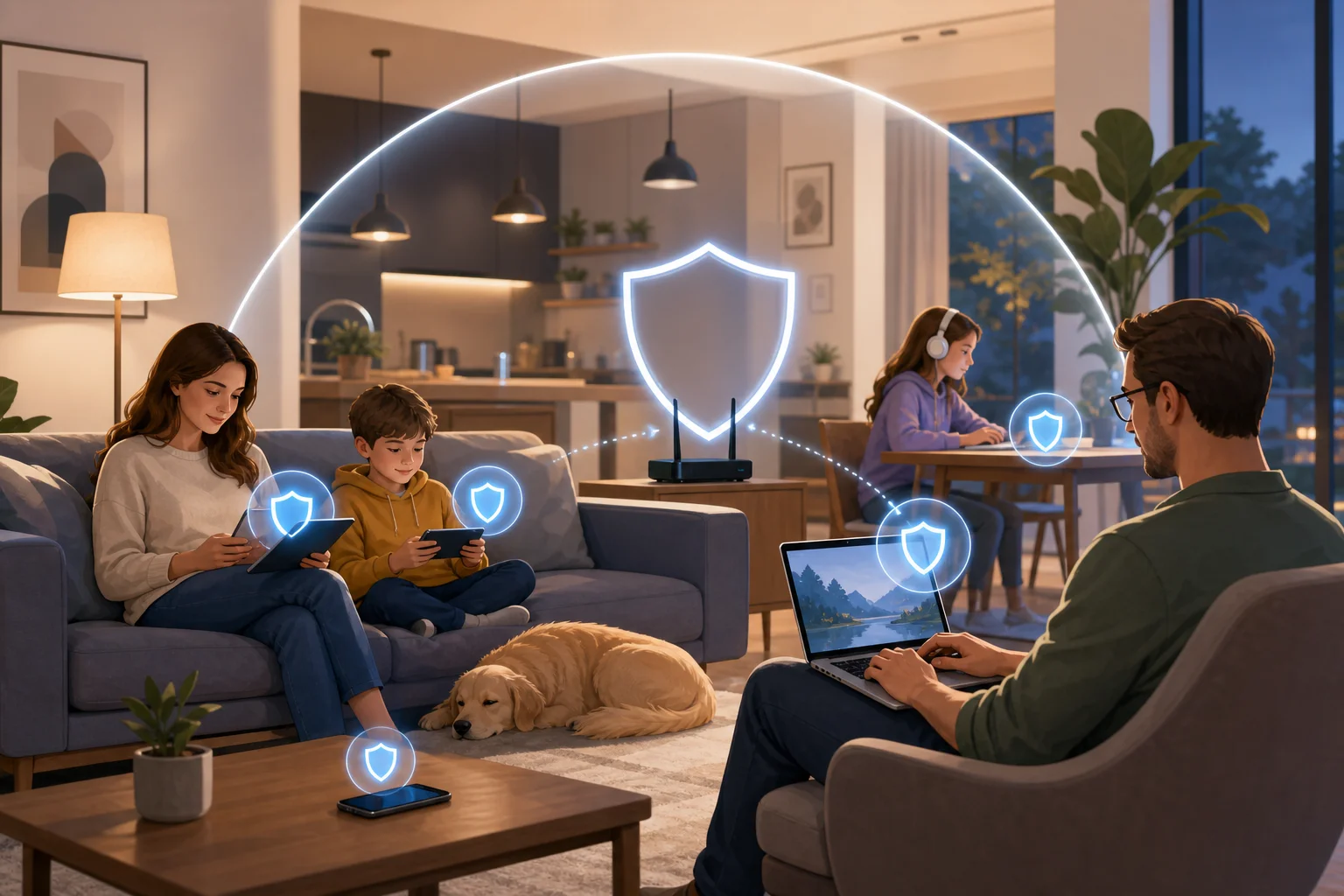
Are you wondering how an online VPN can protect your family at home? Here’s a detailed FAQ to clear your doubts! An online VPN for home helps secure everyday browsing, streaming, schoolwork, shopping, and communication across your household. In this guide, you’ll learn what a home VPN does, how it supports children’s online safety, which devices it can protect, what myths to ignore, and how to choose a VPN service that fits family life.

online VPN for home security

What is an online VPN for home?

An online VPN, or Virtual Private Network, for home is a service that encrypts your internet connection. In simple terms, it creates a private, protected tunnel between your device and the websites or apps you use. This makes it harder for hackers, advertisers, network snoopers, or unsafe public Wi-Fi operators to see what your family is doing online.

For households, a VPN is useful because it can protect multiple devices under one account or network setup. Instead of thinking about security one device at a time, families can use a single VPN service across phones, tablets, laptops, desktops, and sometimes smart TVs or routers.

A home VPN can also help with access to restricted content. For example, some websites, streaming libraries, or services may vary by location. A VPN can change your visible IP address, which may allow access when you are traveling or when content is limited by region. However, you should always follow the terms of service of the platforms you use.

In daily life, an online VPN for home is mainly about three things:

  • Privacy: It masks your IP address and reduces exposure to tracking.
  • Security: It encrypts your connection to help protect personal data.
  • Flexibility: It can support safer browsing across many household devices.

How can a VPN enhance children’s online safety at home?

A VPN can support children’s online safety by making their internet activity harder for outsiders to intercept. This is especially important when kids use shared Wi-Fi, school portals, gaming platforms, messaging apps, and learning websites.

Encryption is the key benefit. When a child browses online through a VPN, the connection is protected from many forms of snooping. This can reduce the risk of malicious actors collecting sensitive details such as location clues, login data, or browsing patterns.

A VPN may also help reduce exposure to certain malicious sites, depending on the provider’s features. Some VPN services include threat blocking, phishing protection, or unsafe-domain filtering. These tools are not a replacement for parental guidance, but they can add another layer of defense.

Parents may also use a VPN as part of a balanced safety approach. Instead of invasive tracking, families can set clear rules, choose safe tools, and protect the connection itself. In this way, a VPN helps secure the environment without turning every online moment into surveillance.

By masking the home IP address, a VPN can also minimize the risk of strangers learning your household’s approximate location through IP-based tracking. This matters for children who play online games, join public chats, or use social platforms. Still, families should combine VPN use with privacy settings, strong passwords, and conversations about not sharing personal information.

Practical steps for safer family VPN use

  1. Install the VPN on each child’s main device. Start with phones, tablets, and school laptops.
  2. Turn on auto-connect if available. This helps keep protection active without constant reminders.
  3. Use strong account passwords. A VPN helps the connection, but weak passwords still create risk.
  4. Enable threat-blocking features when offered. These may help block known malicious domains.
  5. Talk about online boundaries. Explain why location, school names, and private photos should not be shared with strangers.

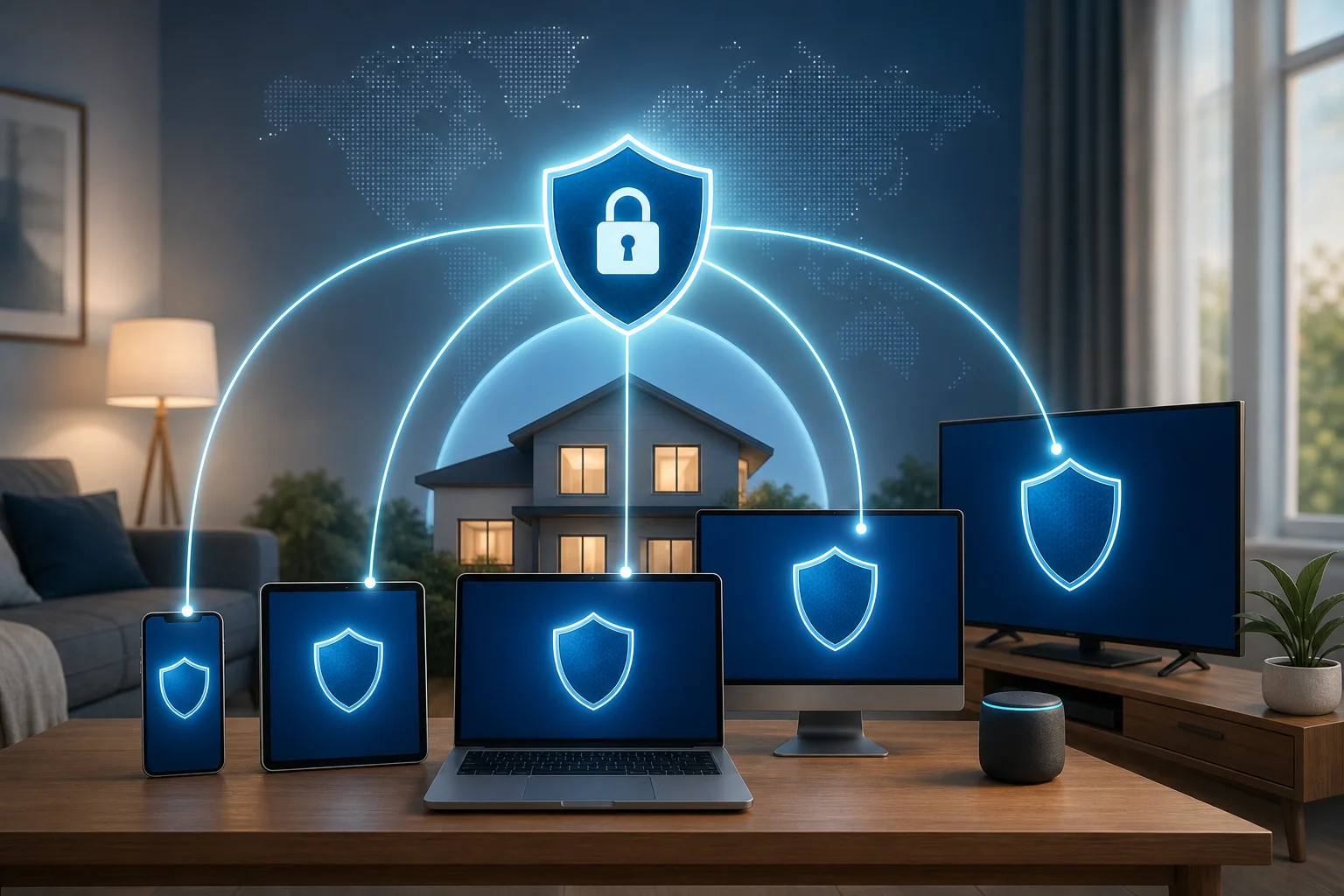
Can an online VPN work on multiple devices in my home?

Yes. Many online VPN services allow simultaneous connections on multiple devices. This means several family members can browse, stream, study, and work securely at the same time. Common supported devices include smartphones, tablets, laptops, desktop computers, and sometimes smart TVs or browser extensions.

The number of supported devices depends on the VPN provider. Some allow a fixed number of simultaneous connections. Others support unlimited device use. If you have a large household, check this detail before choosing a plan.

Dedicated apps are also important. A VPN with simple apps for Android, iOS, Windows, macOS, and browser use will be easier for the whole family. If setup is too complex, people may forget to use it. Look for a clean interface, quick connect options, and clear settings.

home VPN multiple devices

Home VPN device compatibility comparison

Device typeHow a VPN helpsWhat to check before choosing
SmartphonesProtects browsing, apps, and public Wi-Fi useiOS and Android apps, auto-connect
TabletsSecures schoolwork, videos, and browsingChild-friendly setup and stable performance
LaptopsProtects work, shopping, banking, and studyWindows, macOS, or Linux support
Smart TVsMay support private streaming accessNative app or router setup options
Home routerCan protect many connected devices at onceRouter compatibility and setup difficulty

For most families, installing the VPN app on each device is the easiest option. Router-level VPN setup can be powerful, but it is usually more technical. If you want simple protection, choose a VPN that works well through dedicated apps.

Are there any myths about VPNs for household use?

Yes. VPNs are often misunderstood. These myths can stop families from using a tool that may improve privacy and security.

Myth 1: “VPNs are only for tech experts.”

This is outdated. Many modern VPNs are designed for everyday users. In most cases, you install an app, choose a server or tap a quick-connect button, and start browsing. Families do not need advanced networking knowledge to benefit from a home VPN.

Myth 2: “A VPN always makes the internet painfully slow.”

A VPN can reduce speed because encryption and server routing add extra steps. However, many services optimize performance well enough for normal browsing, video calls, streaming, and schoolwork. Speed depends on your internet plan, distance to the VPN server, server load, and the VPN protocol used.

If performance matters, choose a nearby server, use modern protocols when available, and test the VPN during your family’s busiest online hours.

Myth 3: “Free VPNs can never protect privacy.”

It is true that some free VPNs have poor privacy practices, limited speeds, or intrusive ads. However, the idea that every free VPN is unsafe is too broad. Reputable free VPNs, such as BeFreeVPN, can provide strong security without charging fees. The key is to check the privacy policy, understand limits, and avoid services that collect or sell unnecessary user data.

Myth 4: “A VPN replaces parental controls.”

A VPN is not the same as parental control software. It protects the connection and may hide your IP address, but it does not automatically decide what content is age-appropriate. For children, a VPN works best alongside safe search settings, device rules, app permissions, and open family conversations.

What should I look for in an online VPN for home use?

Choosing an online VPN for home use should be practical. The best option is not just the one with the longest feature list. It is the one your household will actually use every day.

Start with strong encryption. Look for modern VPN protocols and clear security information. A VPN should protect data in transit and help prevent outsiders from viewing your online activity.

Next, check device compatibility. If your family uses iPhones, Android phones, tablets, Windows laptops, and smart TVs, your VPN should support as many of them as possible. Dedicated apps make setup easier and reduce confusion.

Privacy policy matters as well. Choose a service that does not keep logs of user activity. A no-logs approach means the provider should not store detailed records of what your family does online. Read the policy in plain language where possible. Avoid providers that are vague about data collection.

You should also consider usability. A VPN for home should be easy to install, easy to turn on, and stable enough for daily browsing. Features such as quick connect, auto-connect, and simple server selection can make a big difference for non-technical users.

Quick checklist for choosing a home VPN

  • Strong encryption and modern VPN protocols
  • Apps for the devices your family uses most
  • Multiple simultaneous connections
  • Clear no-logs or privacy-focused policy
  • Reliable speeds for streaming, study, and work
  • Simple setup for children, parents, and guests
  • Optional protection against malicious websites
  • Transparent pricing, or a trustworthy free option

Final answer: Is an online VPN for home worth it?

For many households, yes. An online VPN for home can improve privacy, strengthen security, and help protect family devices across everyday online activities. It is especially useful when children use connected devices, when family members work or study from home, or when you want safer browsing without complicated tools.

To get started with simple household protection, explore BeFreeVPN for an easy-to-use, free VPN solution that protects your family online without the hassle of registration.

Everything You Need to Know About Online VPNs for Your Phone

· 9 min read

Did you know that using your phone for remote work can expose your sensitive data to cyber threats? Let's explore how an online VPN for phone security can protect you. Whether you answer emails in a café, join meetings from an airport, or check work files on public Wi-Fi, your smartphone is constantly sending and receiving data. A mobile VPN helps keep that traffic private by encrypting it and routing it through a secure server.

If you are new to VPNs, do not worry. Think of this guide as a beginner-friendly map. We will explain what a VPN does, why it matters for remote work, how to choose one, and how to set it up without technical stress.

Why Use a VPN on Your Phone?

Your phone is more than a calling device. It is a work tool, a payment method, a personal archive, and sometimes your main connection to business apps. That makes phone privacy and mobile security important, especially when you work outside a traditional office.

In a world full of public Wi-Fi networks, your phone's security is at risk. Free Wi-Fi in coffee shops, hotels, airports, coworking spaces, and shopping centers can be convenient, but it may not always be secure. When you connect to an open network, other people on that same network may try to observe traffic, capture login attempts, or trick users with fake hotspots.

A VPN creates a secure tunnel for your data. Instead of letting your internet activity travel in a more exposed way, the VPN wraps it in encryption and sends it through a protected route. This makes it much harder for potential snoopers, hackers, or unsafe networks to see what you are doing.

A simple analogy helps: think of a VPN as a secret passage that protects your conversations from nosy neighbors. Without it, you might be speaking in a busy hallway. With it, you move your conversation into a private room.

For remote workers, this can help protect:

  • Work emails and attachments
  • Login details for business tools
  • Cloud storage access
  • Video meeting activity
  • Client or customer information
  • Browsing activity on unfamiliar networks

A VPN is not a magic shield against every threat. You still need strong passwords, app updates, and safe browsing habits. However, it is a practical layer of protection for everyday mobile work.

online VPN for phone on public Wi-Fi

How Does an Online VPN Work for Your Phone?

When you connect to the internet, your data travels through various channels. Your phone sends requests to websites, apps, email servers, and cloud tools. Normally, that traffic passes through your mobile carrier, Wi-Fi network, internet providers, and other network points before reaching its destination.

An online VPN reroutes this traffic through a secure VPN server. Once connected, your phone communicates with the VPN server first. The server then forwards your requests to the websites or services you use. Replies come back through the same protected route.

The most important part is encryption. A VPN encrypts your data, making it unreadable to anyone trying to intercept it. So, even if someone manages to capture traffic on an unsafe Wi-Fi network, the information should look scrambled rather than useful.

Imagine sending a locked box of sensitive documents through the mail instead of a postcard. A postcard can be read by anyone who handles it. A locked box hides the contents. That is what a VPN does for your digital data.

What a VPN Can and Cannot Do

A VPN for smartphones is useful, but it is important to understand its limits.

A mobile VPN can help withA mobile VPN cannot fully do
Encrypting traffic on public Wi-FiStop you from entering details on a fake website
Hiding your IP address from websitesRemove malware already on your phone
Improving privacy from unsafe networksReplace strong passwords or two-factor authentication
Securing remote work connectionsGuarantee total anonymity online

In short, a VPN is like a seat belt. It improves safety, but you still need to drive carefully.

Choosing the Right Online VPN for Mobile Devices

Not all VPNs are equally good for phone users. Some are built mainly for desktop computers. Others offer smooth mobile apps for Android and iPhone. When comparing options, look for a VPN that clearly states compatibility with mobile devices, particularly smartphones.

It is like choosing a reliable car for a long trip. You want something that will get you safely and smoothly to your destination, not something that breaks down halfway.

Key Features to Prioritize

For beginners, focus on the basics first:

  1. Mobile compatibility
    Check whether the VPN works on your phone's operating system, such as Android or iOS.

  2. Strong security protocols
    Look for modern VPN protocols and clear security information. You do not need to understand every technical detail, but the provider should explain how it protects your connection.

  3. Good speed
    A VPN may slightly affect connection speed because it encrypts and reroutes traffic. Choose one designed for stable mobile browsing, calls, and work apps.

  4. Beginner-friendly design
    A clean app with a simple connect button is ideal if you are new to VPN technology.

  5. No unnecessary sign-up friction
    Some users prefer a VPN that lets them connect quickly without long forms or complicated setup.

  6. Clear privacy practices
    Read the provider's privacy policy. It should be easy to find and written in understandable language.

Free vs Paid VPNs on a Phone

Free VPNs can be helpful when you need quick protection, but choose carefully. A trustworthy free VPN should be transparent about limits, privacy, and how the service works. If an app seems unclear, overloaded with ads, or asks for strange permissions, be cautious.

Paid VPNs may offer more server locations, faster speeds, or advanced features. However, beginners who only need secure mobile access for everyday remote work may prefer a simple free option to start.

Setting Up Your VPN on a Smartphone

Installing a VPN app on your phone is usually quick and straightforward. In many cases, it takes just a few taps. Most VPNs guide users through the setup process with intuitive instructions designed for beginners.

Think of it like setting up a new smartphone. It may take a little time, but it improves your overall experience significantly.

Step-by-Step: How to Set Up a VPN on Your Phone

  1. Choose a trusted VPN service
    Pick a VPN that supports your smartphone and matches your privacy needs.

  2. Download the official app
    Use the official website or your phone's app store. Avoid unknown download links.

  3. Open the app
    Follow the on-screen instructions. Some services require an account, while others may let you connect without registration.

  4. Allow VPN permissions
    Your phone may ask permission to add a VPN configuration. This is normal when setting up a mobile VPN.

  5. Choose a server if needed
    Some apps automatically select a recommended server. Others let you choose a location.

  6. Tap connect
    Once connected, you should see a VPN icon or status indicator on your phone.

  7. Test your connection
    Open your browser or work app. If everything loads normally, you are ready to work more securely.

mobile VPN setup on smartphone

Best Practices for Using a VPN on Your Phone While Working Remotely

A VPN works best when it becomes part of your normal remote work routine. Instead of waiting until you are already checking emails or opening files, connect first.

Always connect to the VPN before starting any work. This helps ensure your data is protected from the get-go, especially when you are on public Wi-Fi or a shared network.

Also, regularly update the VPN application. Updates often include bug fixes, performance improvements, and security enhancements. The same goes for your phone's operating system and work apps.

Treat your VPN like a security system in your home office. The stronger the setup, the safer your work environment.

Simple Remote Work VPN Habits

  • Turn on the VPN before opening work tools.
  • Avoid unknown public Wi-Fi networks when possible.
  • Use mobile data instead of public Wi-Fi for highly sensitive tasks.
  • Keep your VPN app updated.
  • Enable two-factor authentication for work accounts.
  • Lock your phone with a strong passcode or biometric security.
  • Disconnect from networks you do not recognize.
  • Be careful with links in emails and messages.

These habits are simple, but together they create a much safer mobile work setup.

FAQ: Online VPNs for Phones

Do I really need a VPN on my phone?

If you often use public Wi-Fi, access work accounts, or want more privacy while browsing, a VPN on your phone is a smart choice. It adds encryption and helps protect your data on risky networks.

Does a VPN protect mobile apps too?

In most cases, yes. When the VPN is active on your smartphone, it can protect internet traffic from apps as well as your browser. However, app behavior can vary, so always use trusted apps and keep them updated.

Will a VPN slow down my phone?

A VPN can slightly reduce speed because it encrypts and reroutes your traffic. A good mobile VPN should still feel smooth for browsing, email, messaging, and many work tasks.

Is an online VPN for phone use hard to set up?

No. Most modern VPN apps are designed for beginners. Usually, you download the app, approve the VPN configuration, and tap connect.

Can I use a VPN for remote work on both Wi-Fi and mobile data?

Yes. A VPN can work over Wi-Fi and mobile data. It is especially useful on public Wi-Fi, but it can also add privacy when using your carrier connection.

Final Thoughts

An online VPN for your phone is one of the simplest ways to improve mobile security while working remotely. It creates a secure tunnel, encrypts your data, and helps protect your privacy on public and shared networks. For beginners, the key is to choose a mobile-friendly VPN, set it up correctly, and use it before you start work.

Ready to make remote work on your phone safer? Explore BeFreeVPN, a free and no-registration service that keeps your phone secure while you work from anywhere!