5 posts tagged with "internet-security"

View All Tags

Why you need an online VPN for internet privacy

· 9 min read

Ever wondered how much of your personal data is exposed online? Discover how an online VPN for internet privacy can shield your digital footprint effortlessly. In this beginner-friendly guide, you’ll learn what a VPN is, why privacy matters, how VPN encryption helps protect your data, and which features to look for when choosing a simple VPN service.

The internet is useful, fast, and always available. However, every website visit, app login, and public Wi-Fi connection can reveal something about you. An online VPN helps reduce that exposure by creating a more private connection between your device and the websites or services you use.
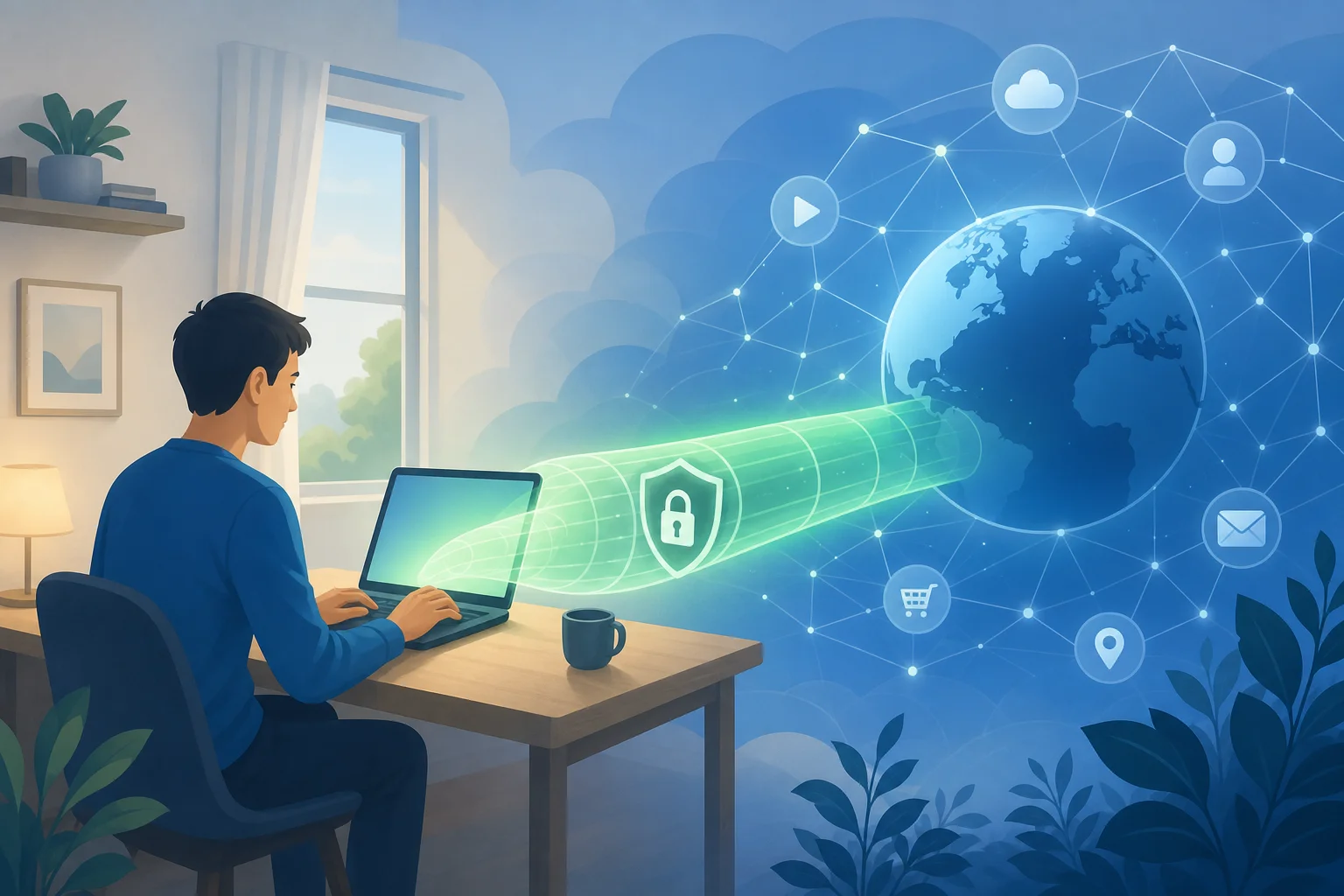
online vpn for internet privacy

1. What is an Online VPN?

A VPN, short for Virtual Private Network, is a tool that helps protect your internet connection. When you connect to a VPN, your traffic is routed through a secure VPN server before it reaches the website, app, or online service you want to use.

In simple terms, instead of your device talking directly to the internet, it first talks to the VPN. The VPN then passes your request along. This can help hide your real IP address and make your browsing activity harder for others on the network to inspect.

The “virtual tunnel” concept

Think of a VPN as a private tunnel through the public internet. Without a VPN, your data may travel across networks in a more exposed way, especially on public Wi-Fi. With a VPN, your data is wrapped in encryption as it moves through this tunnel.

This tunnel does not make you invisible or immune to every online risk. However, it adds an important privacy layer. It can help protect sensitive activity such as checking email, logging in to accounts, or browsing while connected to a café, airport, or hotel network.

How to set up an online VPN in simple steps

You do not need to be technical to start using a VPN. Most beginner-friendly VPNs follow a process like this:

  1. Choose a VPN service that fits your needs, such as privacy, ease of use, and device support.
  2. Open the VPN website or app on your phone, tablet, or computer.
  3. Connect to a VPN server by pressing a connect button or choosing a location.
  4. Browse the internet as usual while the VPN runs in the background.
  5. Disconnect when needed, or keep it on for ongoing privacy protection.

The best setup is the one you will actually use. For beginners, a simple interface matters more than a long list of advanced settings.

2. Why is Online Privacy Important?

Online privacy matters because your internet activity can reveal more than you think. Websites, apps, advertisers, analytics tools, internet service providers, and public Wi-Fi operators may collect or observe different kinds of data.

This can include your approximate location, device type, browser details, search behavior, pages visited, and account activity. Some of this data is used for normal website functions. Some is used for advertising, tracking, fraud prevention, or analytics. The problem is that users often do not know what is being collected, how long it is stored, or who it is shared with.

Risks of unprotected internet surfing

Browsing without protection can create several privacy and security risks:

  • Public Wi-Fi snooping: On unsecured networks, attackers may try to monitor traffic or trick users into connecting to fake hotspots.
  • IP address exposure: Your IP address can reveal your approximate location and internet provider.
  • Tracking across websites: Advertisers and data brokers may use cookies, device fingerprints, and other signals to build profiles.
  • Account takeover risks: If you enter passwords on unsafe networks or fake pages, your accounts may be at risk.
  • Data misuse: Information collected for one purpose may later be shared, sold, breached, or used in ways you did not expect.

Real-life examples of data breaches

Data breaches are not rare edge cases. Large companies, healthcare providers, retailers, and social platforms have all experienced breaches where customer information was exposed. Consequences can include phishing attempts, identity theft, spam, financial fraud, and long-term loss of control over personal information.

For example, when email addresses and passwords are leaked, attackers may test those same login details on other sites. If someone reused a password, one breach can turn into several compromised accounts. When names, addresses, phone numbers, or payment-related data are exposed, victims may face scams that look more convincing because the attacker already knows personal details.

A VPN cannot prevent every data breach. Still, it can reduce certain exposure points, especially when you use public networks or want to limit how much your connection reveals.

3. How Does an Online VPN Protect Your Data?

An online VPN protects your data mainly through two privacy benefits: encryption and IP address masking.

Encryption turns readable data into scrambled information while it travels between your device and the VPN server. This helps prevent people on the same network from easily viewing your activity. It is especially useful on public Wi-Fi, where you may not know who controls the network or who else is connected.

IP masking means websites and online services see the VPN server’s IP address instead of your device’s real IP address. This can make it harder to link your activity directly to your home network or physical location.

Public browsing vs. using a VPN

SituationWithout a VPNWith an online VPN
Public Wi-Fi useNetwork operators or attackers may have more chances to inspect trafficTraffic is encrypted between your device and the VPN server
IP address visibilityWebsites can see your real public IP addressWebsites usually see the VPN server IP address
Location privacyYour approximate location may be easier to inferYour real location is less directly exposed
ISP visibilityYour provider may see domains or connection patterns depending on trafficYour provider sees a VPN connection, not every destination in the same way
Overall privacyBasic browser protections onlyAdded privacy layer for everyday browsing

A VPN is not a replacement for good habits. You should still use strong passwords, enable two-factor authentication, update your devices, avoid suspicious links, and check that websites use HTTPS. However, a VPN works well as part of a broader privacy routine.
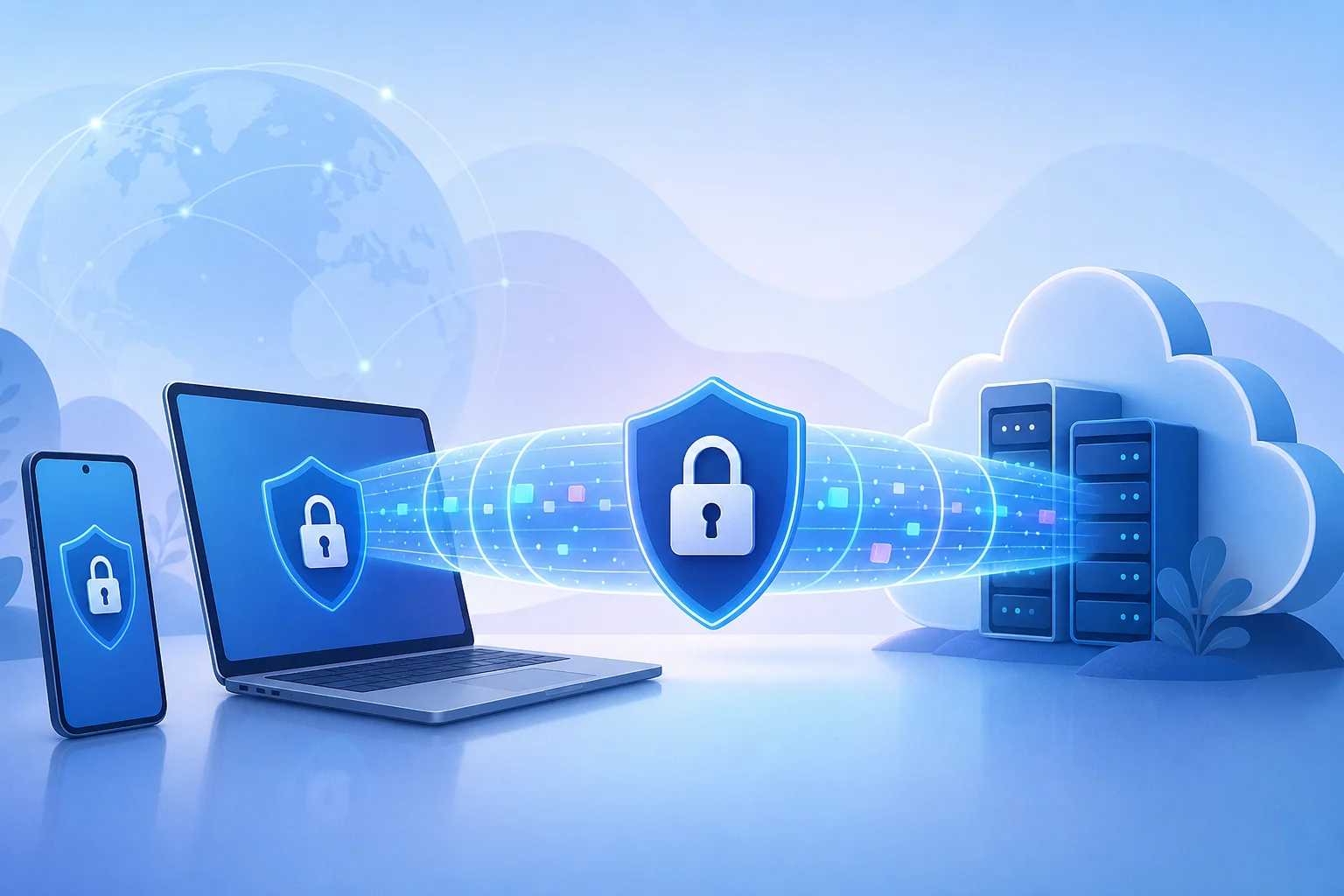
vpn data encryption protection

4. What Features Should You Look for in an Online VPN?

Choosing an online VPN for internet privacy can feel confusing at first. Many services use similar language, so focus on practical features that matter for beginners.

No-log policy

A no-log policy means the VPN provider says it does not store records of your browsing activity. This is important because a VPN handles your traffic while you are connected. If privacy is your goal, you want a provider that is clear about what it does and does not collect.

Look for plain privacy explanations. Avoid services that are vague about data collection, advertising practices, or account tracking.

Free, no-registration access

A free, no-registration VPN like BeFreeVPN can be useful for beginners because it reduces friction. You do not have to create an account, share personal details, or go through a complicated setup before trying VPN protection.

This is especially helpful if you want quick privacy on public Wi-Fi or you are new to VPNs and want to understand how they work before making a long-term decision.

Device compatibility

A good VPN should work on the devices you use every day. Before choosing one, check whether it supports:

  • Windows or macOS computers
  • Android or iOS phones
  • Tablets
  • Browser-based use, if available
  • Multiple devices, if you switch between work and personal browsing

The easier it is to connect, the more likely you are to keep using it.

Simple user experience

For beginners, simplicity is a feature. Look for a VPN that offers:

  • A clear connect button
  • Fast setup
  • Easy server selection
  • Minimal technical terms
  • Stable browsing performance
  • Clear privacy information

Advanced settings can be useful later. But when starting out, the goal is simple: connect safely and browse with more privacy.

Frequently Asked Questions About Online VPNs

In many countries, using a VPN is legal. However, laws vary by location, and using a VPN does not make illegal activity legal. Always follow local laws and the terms of the services you use.

Will a VPN make me completely anonymous?

No. A VPN improves privacy, but it does not make you completely anonymous. Websites may still identify you if you log in, accept tracking cookies, or share personal details. A VPN is one layer of protection, not a magic shield.

Do I need a VPN at home?

A VPN can still be useful at home. It can help mask your IP address, reduce some forms of tracking, and add privacy from your internet provider. It is even more important when using public Wi-Fi.

Can beginners use a VPN without technical knowledge?

Yes. Many online VPN services are designed for beginners. In most cases, you simply open the VPN, tap or click connect, and browse as usual.

Final Thoughts

An online VPN is one of the simplest tools beginners can use to improve internet privacy. It helps encrypt your connection, mask your IP address, and reduce exposure on public networks. It will not solve every privacy problem, but it is a smart first step toward safer everyday browsing.

Ready to safeguard your privacy? Try BeFreeVPN today—it's free, requires no registration, and works seamlessly on multiple devices.
Why use an anonymous VPN for internet security?

· 10 min read

Ever wondered how to keep your personal information secure online without turning into a tech expert? An anonymous vpn for internet privacy is one of the simplest tools beginners can use to reduce tracking, protect data on public Wi-Fi, and browse with more confidence. In this guide, you’ll learn what an anonymous VPN does, how it protects your data, and how to choose a service that fits your everyday internet use.

What Is an Anonymous VPN?

A Virtual Private Network, or VPN, is a tool that creates a secure connection between your device and the internet. Instead of your traffic going directly from your phone or laptop to a website, it first travels through a VPN server. This helps hide parts of your online activity from networks, websites, and some third parties.

Think of it like sending a letter through a trusted forwarding address. The website sees the VPN server’s address, not your home network’s address.

VPN basics in simple terms

When you connect to a VPN:

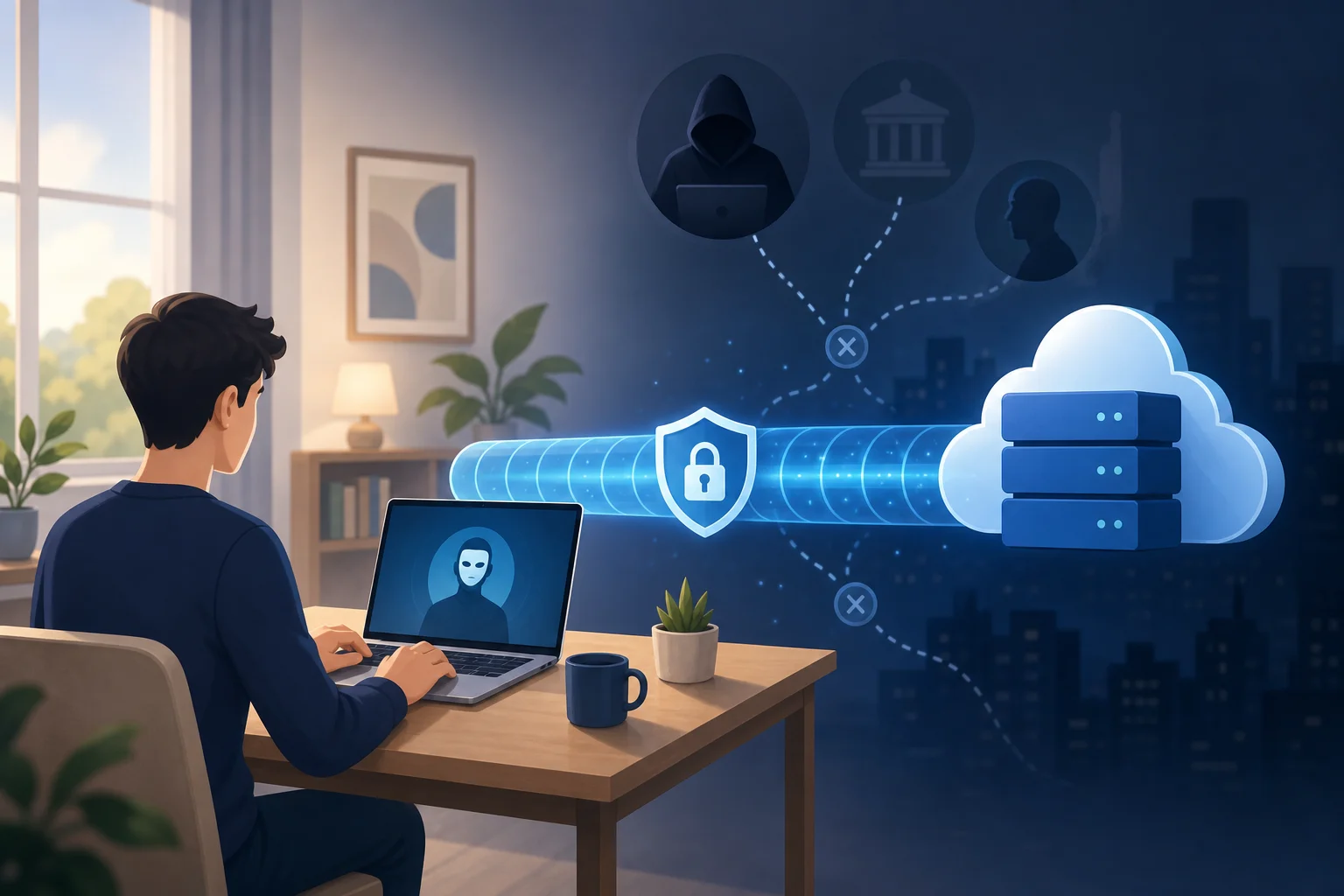
  • Your device creates an encrypted “tunnel” to a VPN server.
  • Your internet requests pass through that tunnel.
  • Websites see the VPN server’s IP address instead of your real IP address.
  • Your internet service provider can usually see that you are using a VPN, but not the exact websites you visit through the encrypted tunnel.

This makes a VPN useful for everyday privacy, especially when you use shared networks at cafes, hotels, airports, or schools.

How anonymity improves online privacy

Your IP address can reveal general information about your location and internet provider. It is also one of the signals websites and advertisers may use to track visits, build profiles, or limit access based on region.

An anonymous VPN masks your real IP address by replacing it with the IP address of the VPN server. This does not make you invisible online, but it does reduce how easily your browsing can be linked back to your home connection or device.

anonymous VPN protecting internet privacy

Anonymous VPNs vs. regular VPNs

Not every VPN is equally focused on anonymity. A regular VPN may provide encryption and location masking, but an anonymous VPN usually puts more emphasis on privacy-friendly access, minimal data collection, and simple use without unnecessary personal details.

FeatureRegular VPNAnonymous VPN
Encrypts trafficUsually yesYes
Masks your IP addressUsually yesYes
Focus on minimal user dataVaries by providerStronger focus
No-log approachVariesOften a key feature
Beginner-friendly privacyVariesUsually central to the service

In short, a regular VPN protects the connection. An anonymous VPN aims to protect the connection while also reducing the amount of personal information tied to your VPN use.

Why Do You Need an Anonymous VPN for Internet Use?

Most people do not think about online privacy until something goes wrong. However, daily browsing creates a trail. Websites may log visits. Advertisers may follow behavior across pages. Public Wi-Fi networks may expose unprotected traffic. An anonymous VPN for internet security helps limit these risks.

Protecting personal data from hackers and surveillance

Public Wi-Fi is convenient, but it is not always safe. If a network is poorly secured, attackers may try to intercept data or trick users into connecting to fake hotspots. A VPN helps by encrypting the traffic leaving your device, making it much harder for someone on the same network to read what you are doing.

A VPN can also reduce casual monitoring by network owners. For example, a hotel, airport, workplace, or school network may be able to see domain-level activity when you browse without a VPN. With a VPN connection, the network mainly sees an encrypted connection to the VPN server.

Preventing tracking by websites and advertisers

Advertisers use many methods to track people, including cookies, browser fingerprinting, device identifiers, and IP addresses. A VPN does not block every type of tracking by itself. Still, IP masking makes one important tracking signal less reliable.

For stronger privacy, combine an anonymous VPN with good browsing habits:

  • Use privacy-focused browser settings.
  • Clear cookies regularly.
  • Avoid logging into personal accounts when you want more private browsing.
  • Turn off unnecessary app permissions.
  • Use multi-factor authentication for important accounts.

Together, these steps make it harder for companies or trackers to build a complete profile of your activity.

Real-world privacy risks a VPN can help reduce

Here are common situations where a VPN can help:

  1. Using airport Wi-Fi: A VPN encrypts your traffic while you check email or browse travel sites.
  2. Working from a cafe: It reduces the chance of data exposure on a shared network.
  3. Researching sensitive topics: IP masking helps separate your browsing from your home IP address.
  4. Avoiding location-based profiling: Websites see the VPN server location rather than your exact network location.
  5. Traveling abroad: A VPN can help keep your connection more private on unfamiliar networks.

A VPN is not a magic shield against every threat. It will not stop phishing emails, weak passwords, or malware. But it is a practical first layer of protection for everyday internet privacy.

How Does an Anonymous VPN Protect Your Data Online?

An anonymous VPN uses two main privacy tools: encryption and IP masking. Some services also add privacy-focused policies, such as no-log operation, to reduce the amount of data stored about users.

Encryption: locking your internet traffic

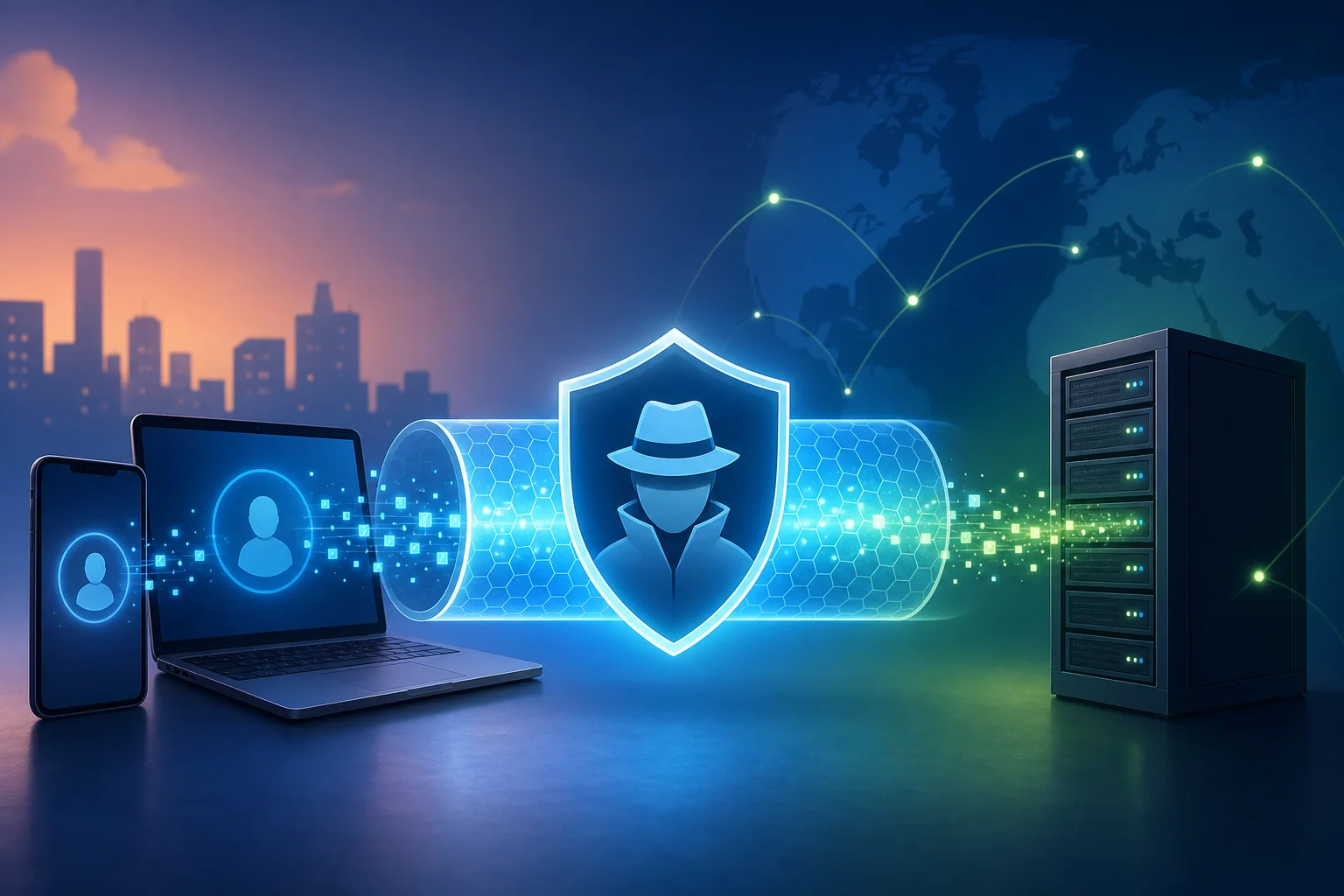
Encryption turns readable data into scrambled information that can only be understood with the right key. VPNs commonly use strong encryption standards and secure VPN protocols to protect traffic between your device and the VPN server.

Common VPN protocols include:

  • WireGuard: Often fast and modern, with a lightweight design.
  • OpenVPN: Widely trusted and flexible.
  • IKEv2/IPsec: Often stable on mobile devices, especially when switching networks.

For beginners, the exact protocol matters less than choosing a VPN that uses modern, well-regarded security methods and keeps the connection stable.

IP masking: hiding your network identity

Every internet connection uses an IP address. Without a VPN, websites can usually see the IP address assigned by your internet provider or mobile carrier. With a VPN, your traffic appears to come from the VPN server.

This helps anonymize your online presence in a few ways:

  • It hides your real IP address from websites you visit.
  • It reduces location signals linked to your home or mobile network.
  • It makes basic IP-based tracking less accurate.

However, remember that logging into personal accounts can still identify you. If you sign into your email, social media, or shopping account, those services know it is you regardless of the IP address.

VPN encryption for online data

Why a no-log VPN matters

A no-log VPN is designed not to store activity logs, such as browsing history, connection destinations, or online behavior. This is important because a VPN provider sits between your device and the wider internet. The less it records, the better for privacy.

When comparing providers, look for clear privacy policies written in simple language. Be cautious of vague promises. A good VPN should explain what data it does and does not collect.

How to Choose the Right Anonymous VPN for You

Choosing a VPN can feel confusing at first. There are many apps, plans, protocols, and claims. The best choice for beginners is usually the service that is private, simple, reliable, and easy to use on the devices you already own.

Important features to look for

Use this checklist when choosing an anonymous VPN service:

  • No-log policy: The service should minimize stored activity data.
  • Strong encryption: Look for modern protocols and secure defaults.
  • IP masking: The VPN should hide your real IP address effectively.
  • No-registration option: Fewer sign-up details can mean less personal data shared.
  • Multiple device support: Check that it works on your phone, laptop, tablet, or browser.
  • Stable speeds: A VPN should protect you without making basic browsing frustrating.
  • Easy interface: Beginners should be able to connect in one or two taps.
  • Transparent terms: Privacy and usage policies should be clear.

Step-by-step: how to evaluate a VPN before using it

  1. Read the privacy policy. Check whether the provider logs browsing activity or personal details.
  2. Check device support. Make sure it works on the devices and systems you use most.
  3. Test connection speed. Try normal tasks like browsing, video calls, and streaming.
  4. Look for easy controls. You should be able to connect, disconnect, and change settings without confusion.
  5. Review access requirements. If privacy is your priority, consider services that do not require unnecessary registration.
  6. Use it in real situations. Test it on public Wi-Fi, mobile data, and your home network.

How BeFreeVPN helps beginners get started

BeFreeVPN is built for users who want a simple way to protect their online activity without a complicated setup. It offers hassle-free, no-registration VPN access, which is helpful if you want to start using a VPN without sharing extra personal information.

It also supports use across multiple devices, making it practical for everyday browsing at home, at work, or while traveling. For beginners, that simplicity matters. The easier a VPN is to use, the more likely you are to keep it on when it counts.

FAQ About Using an Anonymous VPN for Internet Privacy

In many countries, using a VPN is legal. However, laws vary by location, and using a VPN does not make illegal activity legal. Always follow local rules and the terms of the services you use.

Will a VPN make me completely anonymous online?

No. A VPN improves privacy by encrypting traffic and masking your IP address, but it does not make you fully anonymous. Accounts you log into, cookies, browser fingerprints, and unsafe habits can still identify you.

Should I use a VPN all the time?

For many beginners, keeping a VPN on during everyday browsing is a good habit, especially on public Wi-Fi. You may choose to turn it off for certain trusted services if needed, but using it regularly gives more consistent protection.

Does an anonymous VPN slow down the internet?

A VPN can reduce speed because your traffic is encrypted and routed through a VPN server. The impact depends on the service, server distance, network quality, and device. A reliable VPN should still handle normal browsing smoothly.

Start Browsing With More Privacy

An anonymous VPN for internet use is a beginner-friendly way to protect personal data, mask your IP address, and reduce everyday tracking. It works best as part of a smart privacy routine that includes strong passwords, careful browsing, and secure device settings. Try BeFreeVPN today to enjoy a free, no-registration VPN service that keeps your online activities and personal data safe and anonymous.

How to choose a reliable VPN for internet access without registration

· 12 min read

Looking for a reliable VPN without the hassle of registration and payment? We've got you covered with easy steps to secure your internet access. In this guide, you’ll learn how to choose a reliable VPN for internet use at home, on your phone, and on your computer—especially if you want a simple option that does not ask for an account, email address, or personal details.

A virtual private network can help protect your connection on public Wi-Fi, reduce exposure to trackers, and keep your browsing more private from local network observers. However, not every free VPN is dependable. Some are slow, unstable, or unclear about how they handle data. The goal is to find a service that is easy to use, transparent, and stable enough for everyday browsing.

reliable vpn for internet privacy

Before You Start: Understand What Makes a VPN Reliable

Before you install anything, it helps to know what “reliable” really means. A reliable VPN for internet access is not just one that connects. It should protect your connection consistently, work across your devices, and explain its privacy practices clearly.

Check the privacy policy and reputation

Start with the VPN provider’s privacy policy. Look for plain language about what data is collected, how long it is kept, and whether it is shared. Be cautious if the policy is vague or hard to find.

User reviews can also help. Look for repeated comments about connection drops, confusing permissions, aggressive ads, or slow speeds. A few negative reviews are normal, but repeated complaints about the same issue are a warning sign.

Evaluate speed and stability

Speed matters because a VPN routes your traffic through an encrypted tunnel. Some slowdown is normal, but the connection should still be usable for browsing, messaging, email, streaming at modest quality, and video calls when your base connection supports them.

Stability is just as important. A VPN that disconnects often can leave your traffic exposed unless it has features like auto-connect or a kill switch. For daily use, consistent performance is better than one fast server that only works sometimes.

Confirm device compatibility

A reliable VPN for home should work on the devices you use most. That may include Windows or macOS computers, Android phones, iPhones, tablets, and sometimes routers. If you want one service for your whole household, check whether the VPN supports multiple device connections.

Here is a quick checklist before you begin:

Reliability factorWhat to look forWhy it matters
Privacy policyClear data handling termsHelps you avoid hidden tracking
No registrationNo email or account requiredReduces personal data shared upfront
SpeedSmooth browsing and stable downloadsKeeps daily internet use practical
StabilityFew drops, auto-reconnect optionsMaintains protection over time
CompatibilityApps for phone and computerMakes setup easier across devices
BandwidthNo restrictive daily limits if possibleBetter for home and regular use

Step 1: Choose a VPN With No Registration Required

A reliable VPN without registration is useful when you want privacy with fewer steps. Instead of creating an account, verifying an email, or entering payment details, you can install the app and connect.

Identify no-account VPN options

When comparing VPNs, look for phrases such as “no registration required,” “no account needed,” or “start without sign-up.” Then verify this during installation. If the app asks for an email before you can connect, it is not truly registration-free.

Also check whether the free version is functional. Some VPNs advertise free access but lock key features behind sign-up screens or payment prompts. A user-friendly VPN should make its limits clear before you install it.

Understand the privacy advantage

Using a VPN without registration can reduce the amount of personal information connected to your VPN use. You are not handing over an email address, name, or payment data just to start a session. This does not make you anonymous in every possible way, but it is a practical privacy improvement for many users.

Still, registration-free does not automatically mean trustworthy. Always combine this feature with a clear privacy policy, secure app source, and stable performance.

Check operating system support

If you need a reliable VPN for phone use, confirm that the app supports your mobile operating system. For Android, use the official app store or the provider’s verified website. For iPhone, use the App Store. For a reliable VPN for computer use, check support for Windows, macOS, or Linux if needed.

A good no-registration VPN should be easy for beginners. Ideally, you should be able to:

  1. Download the app from a trusted source.
  2. Open it without creating an account.
  3. Choose a server or use automatic selection.
  4. Tap or click connect.
  5. Confirm the VPN icon appears on your device.

Step 2: Test the VPN for Consistent Speed and Stability

After choosing a VPN, test it before relying on it for daily browsing. Free VPN options can vary widely in performance, so a short test helps you avoid frustration later.

Use free versions or trial periods wisely

If the VPN is free and registration-free, test it for normal tasks first. Open websites, send messages, load maps, check email, and stream a short video. If it struggles with basic browsing, it may not be reliable enough.

If a VPN offers a trial, read the terms carefully. Some trials require payment information or renewal cancellation. If your goal is a reliable VPN without registration, a trial that requires billing details may not fit your needs.

Test during peak usage times

VPN speed can change depending on server load and time of day. Test the connection in the evening or whenever your network is usually busiest. If the VPN stays stable during peak times, it is more likely to work well when you need it.

You can also compare performance with the VPN on and off. You do not need advanced tools. Ask simple questions:

  • Do pages load quickly enough?
  • Does the connection drop?
  • Can video calls stay connected?
  • Does the app reconnect after switching Wi-Fi networks?
  • Is battery drain reasonable on your phone?

Compare with other free VPN options

Testing two or three VPNs can show which one is most reliable for your location and devices. Use the same Wi-Fi network and test similar tasks. Do not judge only by top speed. A slightly slower VPN that remains connected is often better than a faster one that drops every few minutes.

Step 3: Secure Your Home Network with the VPN

A reliable VPN for home use should protect the devices you use most often. There are two main approaches: install the VPN directly on each device, or set it up on a compatible router if the service supports that option.

Install on computers for direct protection

The simplest method is installing the VPN app on your main computer. This works well if you mostly browse, shop, stream, or work from one laptop or desktop. It also lets you control settings per device.

For shared computers, make sure everyone knows when the VPN is connected. If the app has auto-connect, turn it on so protection starts when the computer connects to the internet.

Consider router setup carefully

Some VPNs support router installation. This can protect multiple devices on your home Wi-Fi, including smart TVs or devices that do not support VPN apps. However, router setup is usually more technical. It may also reduce speed if your router has weak hardware.

Before using router setup, check the VPN provider’s instructions and confirm your router model is supported. If the guide looks too complex, device-by-device installation may be safer and easier.

Look for multiple connections and fair bandwidth

For home use, multiple simultaneous connections are helpful. This allows you to protect a phone, computer, and tablet at the same time. Also review bandwidth limits. A very small daily cap may be fine for occasional browsing but frustrating for a household.

reliable vpn for home devices

Step 4: Optimize Your Phone for Reliable VPN Use

A reliable VPN for phone use should be simple, secure, and low-maintenance. Since phones move between mobile data, home Wi-Fi, and public networks, auto-connect settings are especially useful.

Install only from trusted sources

Download the VPN app from the official app store or the provider’s verified website. Avoid random APK files, unofficial mirrors, or links from pop-up ads. This reduces the risk of installing a fake or modified app.

After installation, review permissions. A VPN app needs permission to create a VPN connection, but it should not request unrelated access without a clear reason.

Keep the app updated

Updates often include security patches, compatibility fixes, and stability improvements. Turn on automatic updates if you are comfortable with that. If not, check for updates regularly, especially after major operating system updates.

Configure automatic protection

Many VPN apps include settings such as auto-connect on public Wi-Fi, reconnect after signal loss, or connect when the phone starts. These settings help maintain consistent protection without forcing you to remember every time.

For best phone reliability:

  1. Enable auto-connect for unknown Wi-Fi networks.
  2. Choose the nearest or fastest server when available.
  3. Turn on reconnect features.
  4. Avoid battery-saving settings that force the VPN app to sleep.
  5. Test the VPN on both Wi-Fi and mobile data.

Troubleshooting: Resolving Common VPN Connection Issues

Even a reliable VPN can run into problems. The good news is that most common issues are easy to check.

Slow speeds

If your VPN is slow, switch to a nearby server or use the app’s “fastest location” option. Restart the app, reconnect to Wi-Fi, or test mobile data. If only one server is slow, the issue may be server load rather than your device.

Connection drops

Connection drops can happen when your phone switches networks or your Wi-Fi signal is weak. Enable auto-reconnect if available. On a computer, restart the VPN app and check whether another security tool is blocking the connection.

DNS leaks or privacy concerns

A DNS leak can expose website lookup requests outside the VPN tunnel. Some VPN apps include DNS leak protection. If yours does, turn it on. You can also use reputable DNS leak test websites to confirm whether your VPN is routing DNS correctly.

App diagnostic tools

Many VPN apps include built-in diagnostics, connection logs, or support checks. Use these tools before uninstalling. They may show whether the problem is server-related, network-related, or caused by device settings.

If problems continue, try these quick fixes:

  • Switch servers.
  • Restart the app.
  • Restart your device.
  • Update the VPN app.
  • Change from Wi-Fi to mobile data, or vice versa.
  • Reinstall the app from a trusted source.

FAQ: Common Questions About a Reliable VPN for Internet Use

Can I use a reliable VPN without registration?

Yes. Some VPNs allow you to connect without creating an account. This is helpful if you want fewer steps and less personal information shared upfront. Still, check the privacy policy and app reputation before using it.

Is a free VPN reliable enough for home internet?

It can be, depending on your needs. A free VPN may work well for browsing, messaging, and basic privacy. However, check speed, bandwidth limits, server stability, and support for multiple devices before using it as your main reliable VPN for home access.

What is the best way to use a VPN on a computer?

Install the official desktop app, connect to a nearby or recommended server, and enable auto-connect if available. For a reliable VPN for computer use, keep the app updated and test it during your normal work or browsing hours.

Should my phone VPN stay on all the time?

For stronger protection, keeping the VPN on is useful, especially on public Wi-Fi. If battery life or app compatibility becomes a problem, use auto-connect rules so the VPN turns on when you need it most.

Does no registration mean no tracking?

Not automatically. No registration means you do not need to create an account, but the VPN’s privacy policy still matters. Choose a provider that clearly explains what it collects and why.

Final Thoughts

Choosing a reliable VPN for internet access does not have to be complicated. Start with privacy, avoid unnecessary registration, test real-world speed, and make sure the VPN works on your home devices, phone, and computer. A good VPN should be simple enough to use every day and stable enough that you do not have to think about it constantly.

Ready to secure your online activities seamlessly and for free? Try BeFreeVPN and enjoy reliable protection without registration, whether you're at home, on your phone, or using your computer.

Understanding anonymous VPN for internet security: a deep dive

· 17 min read

In a world where internet freedom is constantly challenged, understanding the mechanics of anonymous VPNs becomes crucial for users in restrictive regions. An anonymous VPN for internet access is not only a convenience tool for changing location. It is a privacy layer that can reduce exposure to network monitoring, hide your real IP address from websites, and help route traffic around censorship systems. This deep dive explains how anonymous VPN services work, where they help, where they fail, and how advanced users should evaluate them before relying on one.

Anonymous VPN technology sits at the intersection of cryptography, networking, jurisdiction, operational security, and trust. It can make your traffic unreadable to a local internet service provider, but it cannot magically erase every trace of your identity. Therefore, the right way to think about an anonymous VPN is as one part of a broader privacy strategy.

anonymous vpn for internet privacy

What is a VPN for internet: your beginner's guide to privacy and protection

· 8 min read

Ever wondered how to keep your online activities private? A VPN might be the solution you need! A VPN for internet privacy helps protect your connection, hide some identifying details, and reduce the risk of snooping when you browse, shop, work, or stream online. In this beginner-friendly guide, you’ll learn what a VPN is, how it works, why it matters for security, and how to choose one that is simple enough to use every day.

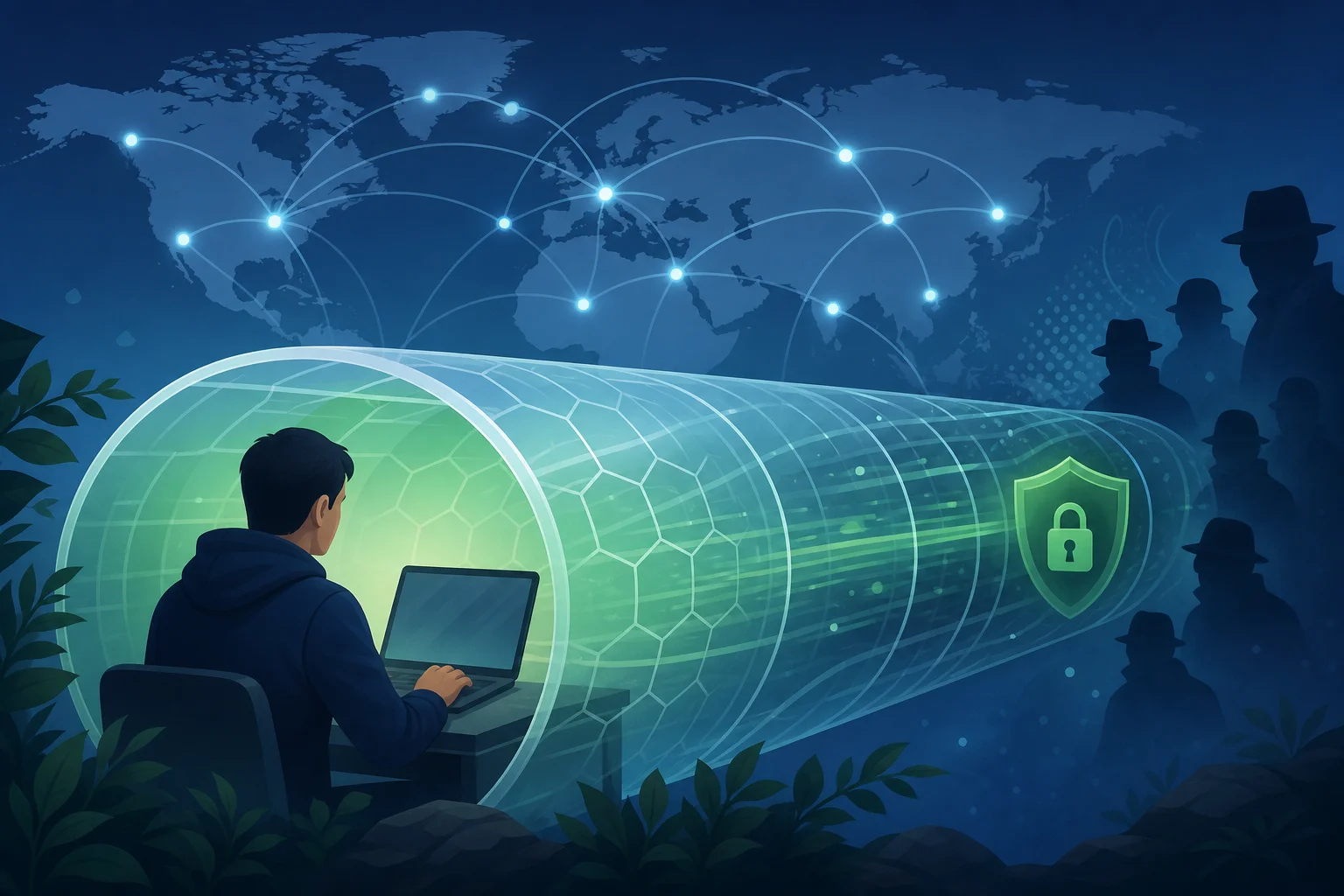
vpn for internet privacy tunnel