How to access unlimited internet safely and freely: a VPN without payment or restrictions

· 8 min read

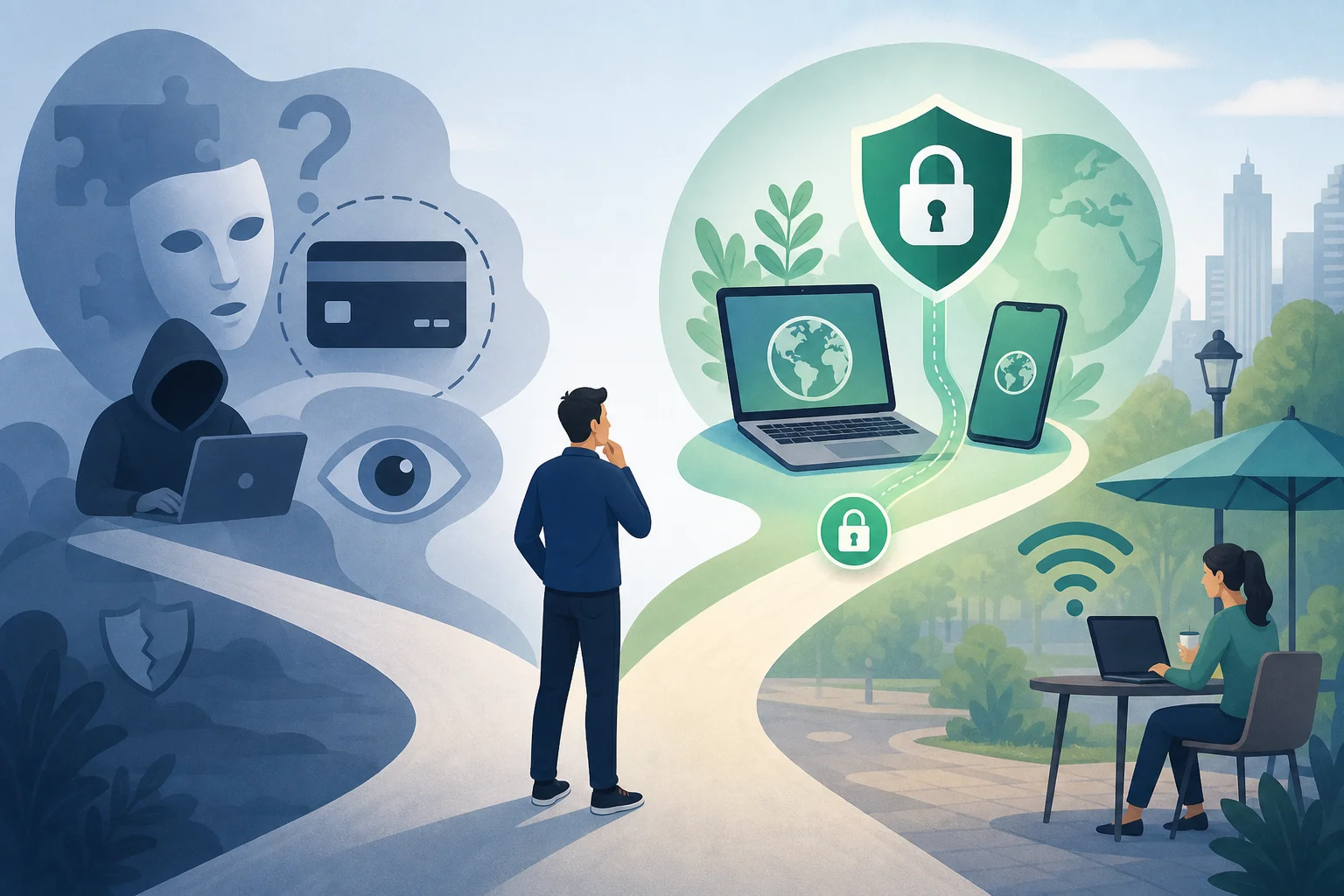
Have you ever found yourself restricted by data caps or slowed down by traditional VPNs when all you want is unfettered, fast internet access? If you are searching for a vpn without payment with unlimited data, you likely want three things at once: no subscription, no usage limit, and a connection that does not make everyday browsing feel painful. The good news is that a safer, simpler option can exist when you choose carefully, understand the trade-offs, and use a service designed for easy access.

This guide explains why many free VPNs feel slow, what to look for in a no-payment VPN, and how a solution like BeFreeVPN can help you browse, stream, and work with fewer interruptions.

The Daily Frustration: Limited Data and Slow Connections

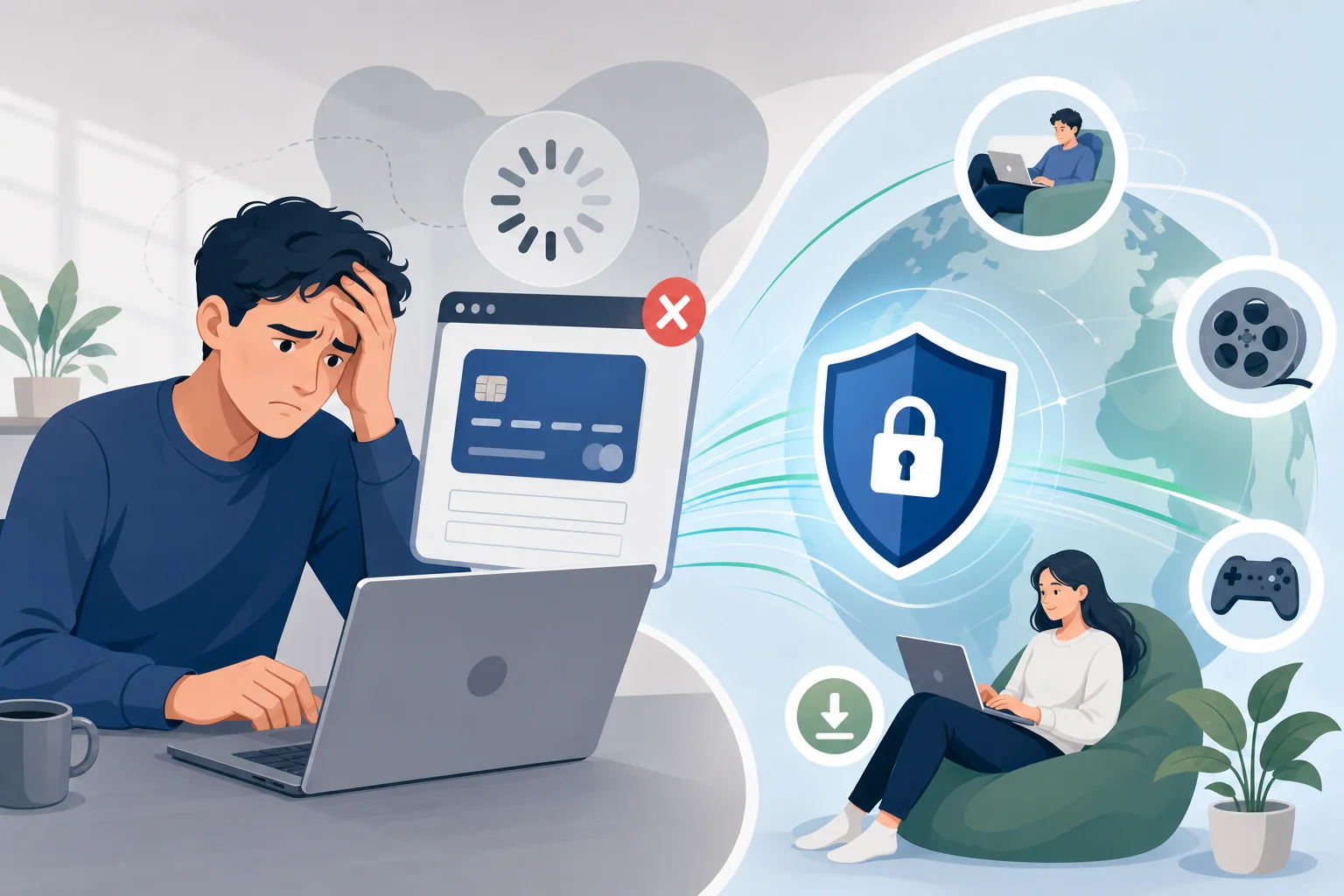
Running into a data cap always seems to happen at the worst time. You may be joining a video meeting, uploading a file, watching a tutorial, or trying to message family while travelling. Then the VPN warns you that your free allowance is finished. Suddenly, the tool that was meant to protect your connection becomes another obstacle.

Slow speeds can be just as frustrating. A video call freezes. A movie buffers every few minutes. A simple download takes far longer than expected. Even normal web pages can start to load in pieces, leaving you waiting when you only need quick access.

These issues affect more than convenience. They interrupt work, cut into leisure time, and make private browsing feel like a compromise. For students, remote workers, travellers, and casual users alike, a VPN should help protect access without forcing constant checks on megabytes or upgrades.

That is why unlimited data matters. When there is no monthly cap, you do not have to ration your secure connection. You can keep the VPN on during everyday use and focus on what you are doing instead of worrying about when access will stop.

unlimited data VPN connection

Understanding Why VPNs Slow You Down

A VPN works by sending your internet traffic through a secure server before it reaches the websites or apps you use. This helps protect your activity on public Wi-Fi, reduce exposure to local network snooping, and add a layer of privacy. However, that extra route can affect speed.

Common reasons VPN speeds drop

Several factors can make a VPN connection feel slower:

  • Server distance: If your traffic travels to a server far away, latency can increase.
  • Server load: Too many users on the same server can reduce performance.
  • Bandwidth limits: Some free VPNs restrict speed to encourage paid upgrades.
  • Encryption overhead: Strong encryption protects data, but it requires processing.
  • Network quality: Your own Wi-Fi, mobile signal, or internet provider can still be the bottleneck.

In many free VPN apps, the biggest problem is not encryption itself. It is overcrowding and artificial limits. Free plans often have fewer server options, strict data caps, or reduced bandwidth. As a result, users feel like privacy and speed cannot exist together.

Security still matters

It is tempting to turn off a VPN when it slows you down. Yet security remains important, especially on shared networks in hotels, airports, cafés, schools, or coworking spaces. Encryption can help make your traffic harder to inspect on local networks. It does not make you invisible, and it cannot fix every online risk, but it is a useful privacy layer.

The practical goal is balance. A good no-payment VPN should be simple, transparent, and fast enough for routine browsing, streaming, messaging, and downloads. It should avoid forcing you to trade basic usability for protection.

Introducing the Solution: A VPN Without Payment and with Unlimited Data

The solution starts with choosing a VPN that clearly offers unlimited data without asking you to pay first. For many users, BeFreeVPN is designed around that simple idea: access the internet securely without subscriptions, registration barriers, or hidden usage limits.

Before you install any VPN, check what it offers and how it handles access. The table below can help you compare the features that matter most.

What to checkWhy it mattersWhat to look for
Unlimited dataPrevents sudden cutoffs during work or streamingNo daily or monthly traffic cap
No payment requiredKeeps access simple and freeNo card required to start
No registrationReduces friction and personal data sharingConnect without creating an account
Server performanceAffects speed and stabilityFast connection and reliable servers
Clear app experienceSaves time for all usersSimple install and one-tap connection

Step 1: Select a VPN with unlimited data and no payment

Look for a service that states its limits clearly. If you want a VPN without payment and unlimited bandwidth, avoid apps that advertise “free” but require a credit card, trial cancellation, or a tiny daily allowance.

BeFreeVPN is a strong fit for users who want straightforward access: no payments, no registrations, and unlimited data. That makes it easier to keep protection on without constantly checking whether you have reached a limit.

Step 2: Download and install the application

Next, download the app from the official source for your device. Installation should be quick and should not require hidden fees. Be cautious with unofficial downloads, copied apps, or browser pop-ups that mimic VPN brands. Using the official app helps reduce the risk of installing unwanted software.

After installation, open the app and review the available connection options. A clean VPN experience should not overwhelm you with confusing settings. For most people, the best setup is the one they can use consistently.

Step 3: Connect to secure servers in a few seconds

Once the app is ready, connect to a server. If you have a choice, a nearby server often gives better speed because your traffic has a shorter route. After connecting, use the internet as you normally would: browse, stream, download, message, or work.

If performance changes, try reconnecting or switching servers if the option is available. Sometimes a different route is less busy and more stable. Also check your base internet speed, because even the best VPN cannot make a weak connection faster than the network allows.

free VPN without payment setup

The Results: Reaping the Benefits of High-Speed Internet

When a VPN is not limited by small data allowances, your online routine becomes simpler. You can leave it on while browsing, use it during longer sessions, and avoid the sudden interruption of a cap. This is especially useful for people who stream videos, download large files, attend online classes, or work remotely.

A high-performance no-payment VPN can support smoother everyday use in several ways:

  • Streaming feels more consistent because you are not stopping to manage data limits.
  • Downloads are less stressful because you do not have to save your allowance for later.
  • Video calls are easier to manage when the VPN connection is stable and nearby servers are available.
  • Public Wi-Fi feels safer because your traffic gains an added privacy layer.
  • Personal time stays personal because you spend less time fixing connection problems.

Of course, any VPN can be affected by server demand, device performance, and the quality of your internet connection. Still, the absence of data caps removes one of the most common pain points. Instead of treating secure browsing as something you use only in emergencies, you can make it part of your normal online habits.

FAQ: Free VPNs, Unlimited Data, and Safe Browsing

Can I really use a VPN without payment with unlimited data?

Yes, some VPN services offer no-payment access with unlimited data. Always check the terms before installing. Look for clear language about no data caps, no registration requirements, and no credit card needed.

Are free unlimited VPNs always slow?

Not always. Many free VPNs are slow because of overloaded servers or intentional speed limits. A better experience depends on server quality, distance, current demand, and whether the provider restricts bandwidth.

Is a no-registration VPN better for privacy?

It can reduce the amount of personal information you share at signup. However, privacy also depends on the provider’s practices, app security, and how you use the internet. No VPN can guarantee complete anonymity.

Will a VPN improve my internet speed?

Usually, a VPN does not increase your base internet speed. In some cases it may help with routing or network restrictions, but it can also add overhead. The main benefit is secure, private access with fewer limits when using an unlimited-data option.

What should I avoid when choosing a free VPN?

Avoid unclear pricing, forced trials, unknown download sources, excessive permissions, and apps that do not explain their data limits. Choose a VPN that is simple, transparent, and easy to turn on when you need it.

Browse Freely Without Data Anxiety

A VPN should make online life easier, not add another barrier. If data caps and slow connections have made you hesitate, the right approach is to choose a service built for simple access, unlimited usage, and practical performance. Experience the freedom of unlimited data and high-performance browsing with BeFreeVPN — no payments or registrations, just fast, secure access to the internet.

VPN without payment: myths vs facts

· 13 min read

Think getting a VPN for free without registering isn't possible? Let's cut through the noise and uncover the truth behind no-cost VPNs. If you are searching for a vpn without payment without registration, you probably want quick privacy protection without handing over a card number, email address, or personal profile. That is possible in some cases, but the details matter. This comparison explains the myths, the facts, the trade-offs, and where BeFreeVPN fits among no-payment VPN options.

A no-registration VPN can be useful for secure browsing on public Wi-Fi, reducing basic tracking, or accessing a private tunnel without a long sign-up process. However, “free” does not automatically mean private, fast, or unlimited. The best choice depends on the provider’s business model, logging policy, app quality, server availability, and platform support.

free VPN without registration

Common Myths About Free VPNs Without Registration

Free VPNs attract strong opinions. Some warnings are valid, while others are too broad. The key is to separate risk from assumption.

Myth 1: Free VPNs are not safe without registration: fact or fiction?

Mostly fiction, but with an important caveat. Registration is not what makes a VPN safe. A VPN is safer when it uses modern encryption, clear privacy practices, secure apps, and a transparent service model. An email address or account password does not automatically improve security.

In fact, no registration can reduce the amount of personal data linked to your VPN use. If the provider does not ask for your name, email, or payment details, there is less account information to expose in a breach.

However, the caveat is serious: some free VPNs fund themselves through ads, tracking, bundled software, or aggressive data collection. So the real question is not “Does it require registration?” The better question is: How does the VPN operate, and what data does it handle?

Myth 2: Does no registration mean subpar service quality?

Not always. A VPN without payment and sign-up can still offer a simple, stable connection for everyday tasks. Many users only need basic protection for browsing, messaging, or checking accounts on public networks. For that use, a lightweight no-account VPN may be enough.

Still, service quality varies. Free no-registration VPNs often have one or more limitations:

  • Fewer server locations
  • Lower peak speeds
  • Limited streaming compatibility
  • Smaller app feature sets
  • Less control over advanced settings
  • Possible ads or connection queues

These limits do not make the service useless. They just mean you should match the VPN to your use case. For secure browsing and quick setup, a free no-registration VPN can be a practical option. For heavy torrenting, remote work, gaming, or 4K streaming, a paid VPN may be more consistent.

Myth 3: Exploring concerns about data collection in free VPNs

The concern is real, but it is not universal. Free VPNs need funding. Some use paid upgrades, donations, browser partnerships, or limited free tiers. Others may rely on advertising or analytics. That is why you should read the privacy policy before trusting any VPN with sensitive activity.

Look for plain answers to these questions:

  1. Does the provider log browsing history?
  2. Does it store your real IP address?
  3. Does it sell or share usage data?
  4. Does it use third-party analytics or ads?
  5. Does the app request unnecessary permissions?
  6. Is there a paid plan, donation model, or other clear funding source?

No registration helps, but it is not a full privacy guarantee. A provider can avoid collecting your email while still collecting connection metadata. Choose services that clearly explain what they collect, why they collect it, and how long they keep it.

Facts About VPNs That Require No Payment or Registration

The market is more nuanced than “free VPNs are dangerous” or “free VPNs are just as good as paid ones.” Here are the practical facts.

Fact 1: Many reliable free VPNs offer services without charging or collecting sign-up data

Some VPNs and VPN-like privacy tools let you connect without payment details or account creation. This can make them accessible for users who need quick protection or who prefer not to share personal information.

However, “collecting no sign-up data” is different from “collecting no data at all.” A VPN may still process technical data needed to run the service, such as connection time, bandwidth use, device type, app diagnostics, or server load. That is normal for many online services, but it should be limited and clearly disclosed.

The strongest free VPN options tend to be transparent about three things:

  • Identity data: whether they ask for email, phone, or payment details
  • Connection data: whether they log IP addresses, timestamps, or bandwidth
  • Usage data: whether they monitor websites, apps, DNS requests, or content

For a privacy-first setup, avoid any free VPN that is vague about logs or uses broad language that allows data selling.

Fact 2: Security measures used in no-registration VPNs

A no-registration VPN can still use strong technical protections. Important security features include:

  • Encrypted tunnels: Protocols such as WireGuard, OpenVPN, or IKEv2 help protect traffic between your device and the VPN server.
  • DNS leak protection: This keeps DNS requests from being exposed to your internet provider or local network.
  • Kill switch: If the VPN drops, a kill switch can block traffic until the secure tunnel returns.
  • Minimal permissions: A trustworthy app should not ask for access it does not need.
  • Automatic connection: Useful when joining public Wi-Fi networks.
  • Clear server selection: Even if server choice is limited, the app should show what you are connecting to.

Not every free VPN includes all of these features. Therefore, the safest approach is to choose a tool that fits your risk level. If you only need basic Wi-Fi protection, a simple encrypted VPN may be fine. If you handle business files or sensitive accounts, prioritize stronger features and policies.

Fact 3: Performance and availability across different platforms

Free VPNs without registration are often easiest on mobile and browser-based platforms. Some also support Windows, macOS, Android, iOS, or router/manual configurations.

Performance depends on several factors:

  • Your distance from the VPN server
  • Server crowding at peak times
  • Protocol efficiency
  • Data limits or speed caps
  • Local network quality
  • Whether the VPN routes all traffic or only browser traffic

For example, a browser-only VPN may feel fast because it protects only browser activity. A full-device VPN protects more traffic but may have more overhead. Likewise, a privacy tool like Cloudflare WARP can encrypt traffic without working like a traditional location-changing VPN.

Quick Comparison Table: Free VPNs Without Registration

The table below compares popular no-payment options and related tools. Availability, limits, and policies can change, so always check the provider’s current terms before relying on any VPN for sensitive use.

no payment VPN comparison

OptionRegistrationPayment RequiredSecurity FocusData Limits / SpeedEase of UseBest For
BeFreeVPNNo registration requiredNoSimple encrypted browsing and quick accessDesigned for free use; performance may depend on server loadVery easyUsers who want a free VPN without payment or sign-up
VPN GateNo accountNoVolunteer-run VPN relay networkSpeeds and availability vary widelyModerateTechnical users who need free access and can test servers
Opera Browser VPNNo separate VPN accountNoBrowser-level protectionUsually convenient, but protects only Opera browser trafficVery easyCasual browsing inside one browser
Cloudflare WARPNo account for basic useNoEncrypted connection to Cloudflare networkGenerally simple; not a traditional location VPNEasyUsers who want encrypted traffic, not server country choice
PsiphonUsually no accountNoCircumvention and access in restricted networksFree mode may include ads or speed limitsEasyUsers facing network restrictions
Windscribe FreeAccount requiredNo card requiredFull VPN features with free tierFree data allowance appliesEasyUsers who accept registration for more controls

How to read the comparison

If you want the strictest match for VPN without payment and without registration, focus on options that do not ask for an account and do not require a card. If you need full-device protection, avoid browser-only tools unless you understand the limitation. If you need location control, check whether the free plan lets you choose servers.

Compare data limits and speed

Free VPN performance is rarely identical to paid performance. Providers may limit speed, server choice, or monthly data to keep the service sustainable. A free unlimited VPN can still slow down during busy periods if too many users connect to the same servers.

When testing, use this simple step-by-step process:

  1. Install the VPN from the official website or trusted app store.
  2. Connect to the nearest available server.
  3. Run a basic speed test before and after connecting.
  4. Check whether your normal websites and apps still work.
  5. Visit a DNS leak test site to confirm DNS protection.
  6. Disconnect and reconnect to see how stable the app is.
  7. Review the privacy policy before using it for sensitive tasks.

This quick test helps you compare real performance instead of relying on marketing claims.

Evaluate ease of use and accessibility

Ease of use matters because many people only use privacy tools consistently when they are simple. A good no-registration VPN should offer:

  • One-click connection
  • Clear connection status
  • Minimal pop-ups
  • No confusing account prompts
  • Apps for the devices you actually use
  • Simple help documentation

BeFreeVPN is appealing in this area because it focuses on removing friction: no payment step, no registration barrier, and a straightforward user experience.

Which Should You Choose?

The best choice depends on what you need the VPN to do. A no-payment VPN is not automatically the right tool for every job.

Factors to consider when selecting a no-payment VPN

Before choosing, compare these factors:

  • Privacy policy: Is it clear and specific?
  • Registration requirement: Does it ask for email, phone, or payment information?
  • Security features: Does it include encryption, DNS leak protection, and a kill switch?
  • Device support: Does it work on your phone, laptop, tablet, or browser?
  • Speed: Is it stable enough for your daily tasks?
  • Server locations: Do you need a specific country or just a secure tunnel?
  • Reputation: Are there independent reviews, documentation, or active support channels?
  • Restrictions: Are there limits on data, streaming, P2P, or simultaneous devices?

A good rule is simple: use the least complicated VPN that meets your actual security needs.

User scenarios: ideal matches for specific needs

For quick secure browsing on public Wi-Fi: Choose a simple no-registration VPN such as BeFreeVPN. It is a strong fit when you need fast setup and do not want to create an account.

For browser-only privacy: A browser VPN may be enough if all your activity happens in that browser. Just remember it will not protect other apps on your device.

For bypassing network restrictions: Tools such as Psiphon or VPN Gate may help in restrictive environments, though performance can vary.

For stronger control and more locations: A free tier from a major provider may be useful, but it often requires registration and may include data limits.

For business, travel, or sensitive accounts: Consider a reputable paid VPN if you need consistent speeds, wider server access, support, and advanced features.

Why some users still pay despite free options

Paid VPNs can be worth it when you need predictable performance and more complete features. Paid plans often provide:

  • More server locations
  • Higher speeds during peak times
  • Better streaming support
  • Multi-device coverage
  • Customer support
  • Advanced privacy features
  • More reliable uptime

That does not mean free VPNs are pointless. It means free and paid VPNs serve different needs. If your priority is simple secure browsing without sharing personal information, a free VPN with no registration may be enough. If your priority is maximum reliability, paying can make sense.

FAQ: common questions about VPNs without payment or registration

Is a VPN without registration really private?

It can be more private than a VPN that requires account details, but registration is only one factor. Check the logging policy, app permissions, encryption, and business model.

Can I use a free VPN without a credit card?

Yes. Some services, including no-registration options, do not require a credit card. Avoid any “free” VPN that asks for payment details unless you understand the trial terms.

Will a no-registration VPN hide my identity completely?

No VPN can guarantee complete anonymity. A VPN can mask your IP address from websites and help secure traffic, but browser fingerprints, logged-in accounts, cookies, and device identifiers can still reveal you.

Is BeFreeVPN suitable for beginners?

Yes, BeFreeVPN is positioned as a simple option for users who want a VPN without payment or registration. It is especially useful when ease of use matters.

Verdict: Making the Right Choice

A VPN without payment and without registration is not a myth. It can be a practical tool when you want quick privacy protection, fewer account traces, and a simple setup. Still, you should judge each option by its security measures, privacy policy, speed, platform support, and limits.

Why BeFreeVPN stands out among free VPNs

BeFreeVPN stands out because it matches what many users are searching for: no payment, no registration, and a direct path to secure browsing. Instead of forcing users through a sign-up form or trial checkout, it reduces the steps between download and connection.

That matters for everyday privacy. The fewer personal details you provide, the less information is tied to your VPN use. Combined with a simple interface, this makes BeFreeVPN a practical choice for users who want protection without complexity.

Scenarios where BeFreeVPN is the best fit

BeFreeVPN is a strong fit if you:

  • Want a free VPN without creating an account
  • Need basic protection on public Wi-Fi
  • Prefer a simple app over advanced settings
  • Do not want to enter payment information
  • Need a quick VPN option for secure browsing
  • Value accessibility across everyday devices

It may not be the only tool you ever need. However, for low-friction privacy, it is one of the clearest matches for the search intent behind “vpn without payment without registration.”

Final recommendation based on security, ease, and performance

Choose BeFreeVPN if your priority is a truly free, no-registration VPN for everyday secure browsing. Choose a more advanced free tier or paid VPN if you need specific server locations, heavy streaming, business-grade reliability, or advanced controls. In all cases, review the latest privacy policy and test performance on your own network.

Try BeFreeVPN today for a truly free experience with no registration required, perfect for secure browsing on any device.

Understanding VPN without subscription for phone: a technical deep dive

· 16 min read

In regions where censorship is prevalent, accessing the internet freely and securely with a VPN without subscription on your phone is both a necessity and a technical challenge. This deep dive explains how no-subscription mobile VPNs work, which protocols matter, how to configure Android and iOS safely, and what trade-offs advanced users should evaluate before relying on a free, registration-free, or pay-as-you-go VPN model.

A “VPN without subscription for phone” can mean several things: a free VPN app, a registration-free service, a self-hosted tunnel, a limited trial, or a one-time configuration using open-source clients. The right choice depends on your threat model, region, device controls, network conditions, and tolerance for performance limits.

vpn without subscription for phone security

1. The Need for VPN Without Subscription on Phones

Mobile devices are often the primary internet gateway in restrictive environments. Phones move between cellular networks, public Wi-Fi, workplace access points, and captive portals. Each network can impose different filtering, blocking, and inspection rules. As a result, a VPN on a phone is not just a convenience. It can be a core part of secure connectivity.

Challenges of internet censorship in specific regions

Censorship and network control vary by country, operator, and even city. Common mechanisms include:

  • DNS tampering: A resolver returns incorrect or empty responses for blocked domains.
  • IP blocking: Traffic to known service addresses is dropped or reset.
  • SNI filtering: The hostname visible during older TLS handshakes is inspected.
  • Deep packet inspection: Traffic patterns are classified to detect VPN protocols.
  • App-store restrictions: VPN apps may be removed, hidden, or region-limited.
  • Throttling: Encrypted tunnels may work but become too slow for practical use.

Phones are especially exposed because users often cannot control the upstream network. A no-subscription VPN can help when users need fast deployment, minimal identity disclosure, or temporary secure access during travel.

Importance of mobile security without long-term commitments

A subscription VPN may not be practical for every user. Payment rails can reveal identity. Recurring billing may be unavailable. App-store accounts may be region-locked. Some users also need a VPN only for short periods, such as crossing borders, joining public Wi-Fi, or accessing critical communication tools.

A VPN without a subscription reduces commitment. However, it does not automatically improve privacy. Advanced users should examine the operating model: Who runs the servers? Is registration required? Is traffic logged? Is the app open source? How are keys generated? What happens when the free tier is congested?

Use cases for VPNs without subscriptions

Typical use cases include:

  • Temporary encrypted access on hotel, airport, or campus Wi-Fi.
  • Access to blocked messaging, news, or developer resources.
  • Avoiding local DNS manipulation on mobile networks.
  • Testing connectivity from different regions.
  • Separating routine browsing from high-risk accounts.
  • Using a self-hosted VPN endpoint without paying for a consumer VPN plan.

The key is to match the VPN model to the risk. A free app may be enough for basic Wi-Fi protection. A self-hosted WireGuard server may be better for predictable performance. A registration-free VPN may be useful when minimizing sign-up data is the priority.

2. How VPNs Without Subscription Work

A VPN creates an encrypted tunnel between your phone and a remote server. Your phone routes selected traffic into that tunnel. The remote server then forwards it to the destination. Websites and apps usually see the VPN server’s IP address, while the local network sees encrypted traffic to the VPN endpoint.

Mechanisms of non-registration VPNs

No-subscription mobile VPNs commonly use one of four models:

  1. Free shared service: The provider offers access without payment, often with speed, data, location, or device limits.
  2. Registration-free access: The app connects without an account. Session tokens, device keys, or anonymous credentials may be used in the background.
  3. Self-hosted VPN: You run your own server on a VPS, home router, or cloud instance and connect with a standard client.
  4. One-time or pay-as-you-go access: You avoid recurring subscription terms but may still pay for bandwidth, server time, or a temporary access code.

Non-registration does not mean “no state.” The service still needs to manage routing, abuse prevention, server capacity, and cryptographic sessions. The important question is whether any persistent identifier can be linked to your real identity.

Limiting features versus fully paid VPN options

A VPN without subscription often has constraints. These are not always bad. Limits can prevent abuse and keep the service available. Still, advanced users should understand them.

FeatureNo-subscription VPNFully paid VPN
Account requirementOften none or minimalUsually required
Payment metadataNone if freeUsually present
Server locationsLimitedBroader selection
BandwidthMay be capped or deprioritizedUsually higher
ObfuscationVaries widelyMore likely on premium plans
SupportCommunity or basicDedicated support
Audit visibilityDepends on providerDepends on provider

A paid VPN is not automatically safer. A free VPN is not automatically unsafe. The design, jurisdiction, logging policy, app security, and operational transparency matter more than price alone.

Security implications and trade-offs

The main trade-off is trust. A VPN hides traffic contents from local networks, but the VPN operator can observe metadata and, for non-HTTPS traffic, potentially content. Today most web traffic is HTTPS, but metadata such as connection times, server IPs, and volume can still be sensitive.

Evaluate these factors:

  • Logging policy: Does the provider explain what is collected and why?
  • DNS handling: Are DNS queries sent through the tunnel?
  • Kill switch support: Does traffic leak if the tunnel drops?
  • IPv6 behavior: Is IPv6 tunneled or blocked to prevent leaks?
  • App permissions: Does the app request more access than needed?
  • Protocol choice: Is the tunnel based on modern, reviewed cryptography?

A no-subscription VPN is useful only if it improves your specific security posture. If the app injects ads, installs root certificates, or requires invasive permissions, it may add risk instead of reducing it.

3. Technical Protocols for Mobile VPNs

Protocol choice strongly affects censorship resistance, battery use, roaming stability, and speed. Android and iOS support several VPN frameworks, but app behavior varies.

mobile vpn protocols comparison

Overview of protocols: OpenVPN, WireGuard, and IKEv2

OpenVPN is a mature VPN protocol that can run over UDP or TCP. It is flexible and widely supported. It can use TCP 443 to resemble ordinary TLS traffic, though deep inspection may still identify it.

WireGuard is a modern protocol with a small codebase and strong performance. It uses UDP and relies on static public keys. It is efficient on phones, usually reconnects quickly, and is popular for self-hosted setups.

IKEv2/IPsec is integrated into many mobile operating systems. It is strong for roaming because it handles network changes well, such as switching from Wi-Fi to cellular. However, it may be easier to block in some restrictive networks because it uses recognizable ports and patterns.

Selecting the right protocol for your needs

Choose based on the network problem you face:

  • For speed and battery efficiency: WireGuard is often the best default.
  • For unstable mobile networks: IKEv2 can be reliable during network transitions.
  • For restrictive firewalls: OpenVPN over TCP 443 or obfuscated variants may work better.
  • For self-hosting: WireGuard is simple, fast, and easy to audit.
  • For compatibility with legacy infrastructure: OpenVPN remains widely available.

If censorship resistance is a priority, protocol camouflage may matter more than raw speed. A fast tunnel that is blocked is not useful.

Pros and cons of each protocol

ProtocolProsConsBest fit
OpenVPNMature, configurable, TCP/UDP supportHeavier, can be slower, fingerprintableCompatibility and restrictive networks
WireGuardFast, lean, battery-friendlyUDP-only, static keys require careMobile performance and self-hosting
IKEv2/IPsecGood roaming, native supportRecognizable traffic, configuration complexityFrequent Wi-Fi/cellular switching

For advanced users, the best setup may include fallback profiles. For example, use WireGuard normally, then switch to OpenVPN TCP 443 if UDP is blocked.

4. Implementing a No-Subscription VPN on Your Device

Before installing any VPN without subscription on a phone, decide which model you want: registration-free app, imported configuration, or self-hosted tunnel. Then verify that the provider or server supports your operating system version.

Step-by-step guide for Android

  1. Define your threat model. Decide whether you need basic Wi-Fi encryption, censorship circumvention, anonymity from websites, or protection from local network monitoring.
  2. Choose the VPN model. Use a trusted registration-free VPN app, a WireGuard/OpenVPN configuration, or your own server.
  3. Install from a trusted source. Prefer official app stores or verified project repositories. Avoid modified APKs from unknown sources.
  4. Review permissions. A VPN app needs VPN profile access. It should not need contacts, SMS, microphone, or accessibility permissions for normal tunneling.
  5. Import or generate configuration. For WireGuard, import a configuration file or QR code. For OpenVPN, import an .ovpn file and certificates if required.
  6. Enable always-on VPN. On Android, use system VPN settings to keep the tunnel active.
  7. Enable block connections without VPN. This acts as a kill switch on supported Android versions.
  8. Test DNS and IP leaks. Confirm that DNS queries and IPv6 traffic use the tunnel or are blocked.
  9. Create a fallback profile. Keep a second protocol or server ready for networks that block your default setup.

Step-by-step guide for iOS

  1. Choose a reputable app or protocol client. iOS supports VPN apps through system frameworks. WireGuard, OpenVPN clients, and IKEv2 profiles are common options.
  2. Install only from trusted channels. Use the App Store when possible. If using configuration profiles, verify their source.
  3. Add the VPN profile. Approve the iOS VPN permission prompt. This allows the app or profile to create a tunnel.
  4. Import configuration. Add WireGuard keys, OpenVPN profiles, or IKEv2 settings as required.
  5. Configure on-demand rules. Use “connect on demand” for untrusted Wi-Fi or all networks, depending on your risk model.
  6. Check DNS behavior. Ensure DNS is routed through the VPN provider or a trusted encrypted resolver.
  7. Test after network changes. Move between Wi-Fi and cellular to verify that the tunnel reconnects cleanly.
  8. Keep backup access. Store a second server profile or protocol option in case the primary endpoint is blocked.

Technical requirements and compatibility

A working mobile VPN setup needs:

  • A supported Android or iOS version.
  • A VPN client compatible with the selected protocol.
  • Correct server address, port, keys, and certificates.
  • System time synchronization for certificate validation.
  • Network access to the VPN endpoint.
  • DNS settings that do not leak outside the tunnel.

Self-hosted users also need server hardening. Disable password SSH login, patch the operating system, restrict firewall rules, and monitor resource usage. If the server IP becomes blocked, you may need to rotate endpoints or add obfuscation.

Troubleshooting common setup issues

  • Connection fails immediately: Check keys, credentials, server address, port, and device time.
  • Connects but no internet: Verify routing, allowed IPs, NAT, and DNS.
  • Works on Wi-Fi but not cellular: UDP may be restricted. Try TCP-based OpenVPN or another port.
  • Battery drains quickly: Reduce keepalive frequency where safe, use WireGuard, or disable unnecessary reconnect loops.
  • Some apps bypass the VPN: Check split tunneling settings and per-app VPN rules.
  • IPv6 leak detected: Tunnel IPv6 or disable it at the VPN profile level if supported.

5. Overcoming Censorship: Strategies and Tools

Bypassing regional restrictions is not only about installing a VPN. Restrictive networks often adapt. Therefore, resilient access requires layered planning and multiple transport options.

Methods to bypass regional internet restrictions

Common strategies include:

  • Protocol fallback: Maintain WireGuard, OpenVPN, and IKEv2 options.
  • Port selection: TCP 443 may pass where unusual ports are blocked.
  • Obfuscation: Some tools wrap VPN traffic to reduce protocol fingerprints.
  • Domain fronting alternatives: Where available and lawful, some systems route through large content networks, though support has declined.
  • Bridge or relay systems: Privacy networks may use bridge nodes that are harder to enumerate.
  • Endpoint rotation: Changing servers can help when individual IPs are blocked.

No method is universal. A network may allow one protocol today and block it tomorrow. Keep configurations updated before entering a restrictive environment.

Anonymity and encryption tools

A VPN encrypts traffic between the phone and VPN server. It does not make you fully anonymous. For stronger privacy, combine it with:

  • HTTPS-only browsing to protect content beyond the VPN endpoint.
  • Encrypted DNS if compatible with your VPN configuration.
  • Private browser profiles to reduce cookie-based tracking.
  • Secure messaging apps with end-to-end encryption.
  • Tor Browser or onion services where appropriate and legally permitted.

Be careful with stacking tools. VPN-over-Tor, Tor-over-VPN, proxies, and private DNS each change the trust model. More layers can improve compartmentalization, but they can also create leaks or performance failures if configured poorly.

Combining VPN with other privacy tools

For mobile users in restrictive regions, a practical layered setup might look like this:

  1. A no-subscription VPN for baseline encrypted transport.
  2. A kill switch to prevent accidental cleartext traffic.
  3. A browser with tracker protection and separate profiles.
  4. Encrypted messaging for sensitive communication.
  5. Regular configuration backups stored securely.

This approach avoids dependence on a single control. If the VPN drops, the kill switch helps. If DNS is manipulated, tunneled DNS helps. If a website tracks cookies, browser isolation helps.

6. Common Misconceptions About VPNs Without Subscription

No-subscription VPNs are often misunderstood. Some users assume they are unsafe because they are free. Others assume they are private because they do not require sign-up. Both views are incomplete.

Are free VPNs always less secure than paid VPNs?

No. Security depends on engineering and governance, not only pricing. A free or registration-free VPN can use strong encryption and sound practices. A paid VPN can still log excessive data or ship a weak app. Examine permissions, protocol support, privacy policy, independent audits if available, and leak behavior.

Does “no registration” mean anonymous?

Not by itself. No registration reduces the amount of account data you provide. However, your IP address, device metadata, connection timestamps, and traffic volume may still be visible to the provider. For stronger anonymity, reduce account correlation, use privacy-preserving browsers, and avoid logging into identifying services during sensitive sessions.

Can a VPN bypass every block?

No. Some networks block known VPN IPs, throttle encrypted tunnels, or use deep packet inspection. A VPN without subscription for phone can be effective, but reliability depends on protocol choice, server reputation, obfuscation, and local network policy.

Is a self-hosted VPN always better?

Not always. Self-hosting gives control over keys and server policy, but it also creates a fixed endpoint tied to your infrastructure. If you log into personal cloud accounts to rent the server, the server may be linkable to you. It can also be blocked more easily if it has a single IP.

Understanding data privacy and logging policies

Read logging policies with precision. Look for specific statements about:

  • Source IP retention.
  • DNS query logging.
  • Connection timestamps.
  • Bandwidth counters.
  • Crash analytics.
  • Third-party SDKs.
  • Law enforcement response process.

Vague claims such as “military-grade encryption” do not answer these questions. Encryption protects the tunnel. Logging policy defines what the provider may know after the tunnel is established.

Evaluating the effectiveness of no-subscription VPNs

Test effectiveness under real conditions. Check connection stability, leak resistance, DNS behavior, latency, and access to required services. Also test failure modes. A VPN that works only when conditions are perfect may fail when you need it most.

no subscription vpn privacy tools

7. Ensuring Maximum Security on Mobile

A VPN is one component of mobile security. Phones contain sensitive accounts, biometrics, location history, messages, and app tokens. If the device itself is compromised, a VPN cannot fix that.

Best practices for maintaining mobile VPN security

Use these controls as a baseline:

  • Enable a strong device passcode.
  • Keep biometric unlock paired with a strong fallback password.
  • Turn on full-device encryption, which is enabled by default on modern Android and iOS devices.
  • Use always-on VPN and kill switch features where available.
  • Disable split tunneling unless you need it.
  • Remove unused VPN profiles and certificates.
  • Avoid installing root certificates unless you fully trust the issuer and understand the impact.
  • Use separate browser profiles for sensitive activity.
  • Avoid logging into personal accounts during high-risk sessions.
  • Back up VPN configurations securely, not in public folders or unencrypted notes.

Regular updates and patches

Keep the operating system, VPN app, browser, and security-critical apps updated. Protocol implementations can have bugs. Mobile OS VPN frameworks also change over time. Updates may improve leak protection, roaming behavior, and compatibility with new network restrictions.

For self-hosted VPNs, patch the server too. Rotate keys if a device is lost. Review firewall rules after server updates. Remove old users and profiles. A forgotten VPN account is a long-lived access path into your infrastructure.

Leveraging BeFreeVPN for secure, registration-free access

For users who need a VPN without subscription for phone, BeFreeVPN is designed around quick access without registration on Android and iOS. That model is useful when you want to reduce sign-up friction, avoid long-term commitments, and get encrypted mobile connectivity quickly.

As with any VPN, configure your phone carefully. Enable system-level VPN protections, test for leaks, and keep a fallback plan for restrictive networks. If you operate in a high-risk environment, combine the VPN with secure messaging, browser isolation, and disciplined account separation.

In short, a no-subscription VPN can be a practical and technically sound option when you understand its limits. Choose the right protocol, verify the provider’s privacy posture, harden your phone, and test before relying on it. Stay secure and bypass restrictions with BeFreeVPN, offering free access without the hassle of registration on both Android and iOS.

5 VPNs for Android: free, no payment, no ads

· 8 min read

Ever struggled to find a VPN for your Android device that doesn’t bombard you with ads or require a credit card? Look no further! If you want a vpn without payment with no ads, the best options focus on simple setup, transparent free plans, and clean mobile apps. Below are five Android VPNs worth considering, with notes on data limits, privacy, usability, and what to check before you install.

Free VPNs can be useful for public Wi-Fi, basic privacy, and occasional streaming or browsing. However, free plans often include limits such as fewer server locations, reduced speeds, or monthly data caps. So, the goal is to choose a service that stays honest about those limits while avoiding intrusive ads and payment walls.

android vpn without payment

Quick comparison: free Android VPNs with no payment and no ads

VPNPayment required?Ads in app?Best forMain limit to check
BeFreeVPNNoNoFast, simple Android useServer availability may vary
Windscribe FreeNo paid plan requiredNo typical ad clutterFlexible browsing with extra toolsData allowance and account rules
Proton VPN FreeNoNoUnlimited data and privacyFewer free server choices
TunnelBear FreeNoNoBeginners who want simple controlsSmall free data allowance
Hide.me FreeNoNoSecurity features and speedFree server and data limits

1. BeFreeVPN: The Truly Free Option

BeFreeVPN is a strong first pick if your main requirement is simple: a free Android VPN that does not ask for payment details and does not interrupt the experience with ads. For many users, that is the difference between a tool they use daily and an app they uninstall after five minutes.

Why it stands out

  • No payment or credit card required: BeFreeVPN is designed for users who want to connect without entering card details or starting a trial.
  • Ad-free experience: The app avoids the pop-ups and banner ads that can make some free mobile VPNs feel slow or distracting.
  • Easy Android interface: Connection is quick, which matters when you are on public Wi-Fi or moving between networks.

BeFreeVPN is a good fit for users who want privacy protection without a complicated setup. It is especially useful if you do not want to create accounts, compare trial terms, or remember cancellation dates.

2. Windscribe Free: Limitless Browsing Potential

Windscribe Free is one of the better-known free VPN services for Android. It is popular because it combines a free plan with practical privacy tools, including built-in blocking features that can reduce trackers and unwanted web content.

What Android users get

  • Low-friction setup: You can start by downloading the app, though account requirements and free data rules may depend on the current version and region.
  • Ad-blocking functionality: Windscribe includes tools designed to block ads, trackers, and malicious domains when configured.
  • Generous free data: The free plan has historically offered a useful data allowance compared with many competitors, making it suitable for regular light browsing.

Windscribe is a good choice if you want more control over your VPN settings. However, always check the current free plan details in the Android app before relying on it for heavy use.

3. Proton VPN: Security Without Intrusions

Proton VPN is a strong option for anyone who values privacy and wants an ad-free Android VPN experience. The free plan is known for one major benefit: unlimited data. That makes it more practical than many free VPNs if you browse often or keep your VPN connected for long sessions.

Why it works well

  • Unlimited data: Proton VPN Free does not impose a standard monthly data cap, which is ideal for browsing, messaging, and longer sessions.
  • No-logs approach: Proton VPN has a clear privacy focus and states that it does not log user activity.
  • No ads: The free app experience is clean, with no ad clutter inside the VPN interface.

The trade-off is that free users usually get access to fewer server locations and may not get the fastest routes at peak times. Even so, Proton VPN is one of the strongest free choices when unlimited data matters more than location choice.

4. TunnelBear: Simplicity Meets Privacy

TunnelBear is best for people who want a VPN that feels friendly from the first tap. Its Android app is simple, visual, and beginner-focused. You do not need to understand advanced VPN settings to get started.

Key benefits

  • User-friendly design: TunnelBear makes connecting easy, which is helpful for first-time VPN users.
  • Ad-less operation: The free version does not rely on disruptive in-app ads to function.
  • Privacy-conscious design: TunnelBear keeps its free plan simple and focuses on basic privacy protection.

The biggest limit is data. TunnelBear’s free plan is usually more suitable for testing, travel, or short public Wi-Fi sessions than for daily streaming. If you only need a no-payment VPN occasionally, it can still be a comfortable choice.

free vpn no ads comparison

5. Hide.me: Speed Without the Cost

Hide.me offers a capable free VPN plan for Android users who want strong security basics without paying upfront. It is often praised for a clean app experience and a privacy-focused setup.

What makes it useful

  • No payment needed: You can use the free tier without choosing a paid subscription first.
  • No ads during VPN use: Hide.me keeps the Android experience clean and focused.
  • High-grade security features: The service supports modern VPN protection features, even if some advanced options are reserved for paid plans.

Hide.me is a good choice if you want a balance of usability, security, and speed. As with any free VPN, check the current data allowance and available server locations before using it as your main VPN.

How to choose the best free VPN for Android

Before installing any VPN app, follow these quick steps:

  1. Check for payment requirements. Avoid apps that ask for a credit card just to start a “free” trial.
  2. Look for an ad-free policy. If the VPN injects ads or shows constant pop-ups, it may hurt the experience.
  3. Read the privacy policy. Choose services that clearly explain what they do and do not log.
  4. Review data limits. Unlimited data is best, but a fair monthly allowance can work for light use.
  5. Test speed on your network. VPN performance changes by location, server load, and connection type.
  6. Use official app stores. Download from Google Play or the provider’s official site to avoid unsafe copies.

FAQ: free VPNs with no ads and no payment

Can I really use a VPN without payment with no ads?

Yes, but you need to choose carefully. Some VPNs offer genuine free plans with no payment details and no in-app advertising. BeFreeVPN, Proton VPN Free, Windscribe Free, TunnelBear Free, and Hide.me Free are examples worth checking on Android.

Are free Android VPNs safe?

Some are safe, but not all. Stick with providers that publish clear privacy policies, avoid aggressive ads, and do not ask for unnecessary permissions. If a free VPN seems vague about how it makes money, be cautious.

Which free VPN is best for unlimited data?

Proton VPN Free is a strong option for unlimited data. However, it may limit free server locations and speed priority. If you want the easiest no-payment, no-registration-style experience, BeFreeVPN is also worth trying.

Do free VPNs work for streaming?

Sometimes. Free VPNs may work for basic browsing and light streaming, but they often have fewer servers or slower speeds than paid plans. For the best experience, test your preferred app before relying on it.

Final thoughts

A free, ad-free Android VPN should be easy to install, simple to connect, and clear about its limits. BeFreeVPN is the most direct choice if you want no payment, no credit card, no registration hassle, and no ads. Windscribe, Proton VPN, TunnelBear, and Hide.me also offer useful free plans, each with different strengths.

Try BeFreeVPN on your Android—experience a truly free, ad-free VPN without any payment or registration hassle. Stay secure and enjoy seamless browsing!

How to set up a VPN without payment for your computer

· 12 min read

Looking to secure your computer without spending a dime? Discover how to set up a VPN without any payment or registration quickly. If you need a vpn without payment for computer use, this guide walks you through what to look for, how to install it, how to connect safely, and how to fix common issues. You do not need to be technical. With the right free VPN, you can add privacy to everyday browsing, reduce exposure on public Wi-Fi, and access the web with fewer location-based limits.

A VPN, or virtual private network, creates an encrypted connection between your computer and a remote VPN server. This helps hide your IP address from websites and makes it harder for others on the same network to see your browsing activity. However, not every free VPN is equal. Some require accounts, limit data, slow down your connection, or push upgrades too aggressively. The goal is to choose a simple, trustworthy option that works with your computer and does not ask for payment details.

free vpn for computer privacy

Step 1: Understand Why You Need a VPN

Before installing anything, it helps to know what a VPN can and cannot do. A free VPN for PC or Mac is useful for common privacy and access needs, but it is not magic. It improves your connection privacy, yet it does not replace safe passwords, antivirus software, browser updates, or good judgment online.

Benefits of using a VPN on your computer

A VPN can help you in several practical ways:

  • Hide your public IP address: Websites see the VPN server’s IP address instead of your regular one.
  • Protect browsing on public Wi-Fi: VPN encryption helps reduce risk when using hotel, airport, library, or café networks.
  • Improve privacy from local network observers: People on the same Wi-Fi cannot easily inspect your traffic.
  • Access region-based content: A VPN may help you view websites or services that show different content by location.
  • Reduce basic tracking by location: Since your IP location changes, some location-based profiling becomes less direct.

Privacy and security enhancements

When your VPN is connected, your internet traffic travels through an encrypted tunnel. This is especially helpful on shared networks. For example, if you open your laptop in a coffee shop, other users on that Wi-Fi should not be able to read your traffic in the same easy way they might on an unprotected connection.

That said, encryption is only one part of security. You should still use HTTPS websites, update your operating system, avoid suspicious downloads, and use strong, unique passwords. A VPN helps protect the path your data takes, but it cannot make unsafe websites safe.

How VPNs bypass geo-restrictions

Many websites use your IP address to estimate your location. A VPN lets you connect through a server in another region, which can make it look as if you are browsing from that server’s location. This may help with websites, news pages, or online services that vary by region.

However, access depends on each service’s terms and detection systems. Some streaming platforms block VPN traffic. Always follow local laws and the rules of the services you use.

Step 2: Before You Start - Choose the Right Free VPN

The most important step is choosing the right VPN. A “free VPN” can mean many things. Some are genuinely free with limits. Others are free trials that ask for payment details. Some require registration before you can connect. If your goal is zero friction, look for a VPN without payment or registration requirements.

Key features to look for in a free VPN

Use this quick comparison table before downloading any VPN software:

FeatureWhy it mattersWhat to look for
No payment requiredAvoids surprise charges or trial renewalsNo credit card request during setup
No registrationSaves time and protects personal detailsConnect without creating an account
Desktop supportEnsures it works on your computerWindows, macOS, or your operating system
Simple connect buttonMakes daily use easierOne-click connection interface
Clear server optionsHelps with speed and location needsMultiple server locations if available
Reasonable speedKeeps browsing usableStable performance for web, email, and basic video
Transparent policiesHelps you judge trustClear privacy and usage information

Avoid hidden traps like data limits and slow speeds

Free VPN services often have limits. This is not always bad, but you should know the limits before relying on the app. Common restrictions include:

  1. Monthly or daily data caps: Some free VPNs stop working after you use a set amount of data.
  2. Limited server locations: Fewer servers can mean slower speeds or fewer region choices.
  3. Reduced speeds: Free users may get lower priority than paid users.
  4. Account creation requirements: Some services collect your email before allowing access.
  5. Upgrade prompts: Too many pop-ups can make the app annoying to use.

If you only need secure browsing, email, and occasional public Wi-Fi protection, a free VPN may be enough. If you need heavy downloads, gaming, or high-definition streaming every day, free options may feel restrictive.

Choose a no-registration option like BeFreeVPN

For users who want a VPN without payment for computer browsing, a no-registration VPN can be the simplest path. BeFreeVPN is an example of a free VPN option designed around easy access with no registration required. That means you can install the app and connect without entering payment details or creating an account.

Before you install any VPN, confirm that you are on the official website. Avoid third-party download pages when possible, because they may bundle unwanted software or outdated installers.

Step 3: Download and Install the VPN Software

Once you have chosen your VPN, download the correct version for your computer. The installation process is usually simple, but take your time and read each prompt.

Step-by-step installation guide

Follow these steps to install a free VPN on your computer:

  1. Visit the official VPN website. Open your browser and go directly to the provider’s official site. For example, if you choose BeFreeVPN, use its official website rather than a random download portal.
  2. Find the download page. Look for a button or menu item such as “Download,” “Apps,” or “Get VPN.”
  3. Select your operating system. Choose the version for Windows, macOS, or another supported desktop system.
  4. Download the installer. Save the file somewhere easy to find, such as your Downloads folder.
  5. Open the installer. Double-click the downloaded file. If your computer asks for permission, confirm only if the publisher and file look correct.
  6. Follow the setup prompts. Accept the required permissions and choose installation options. Avoid optional extras if they are not needed.
  7. Launch the VPN app. After installation, open the app from your desktop, Start menu, Applications folder, or launcher.
  8. Check for updates. If the app offers an update, install it before connecting. Updates often improve stability and security.

vpn installation on computer

Installation tips for Windows and macOS

On Windows, you may see a User Account Control prompt asking whether the app can make changes to your device. This is normal for VPN software because it needs to create a network connection. Only approve it if you downloaded the file from the official source.

On macOS, you may need to allow network extensions or VPN configurations in System Settings. If prompted, review the message and approve the VPN profile. This lets the app route traffic through the secure VPN tunnel.

Step 4: Connect and Configure Your VPN

After installation, you are ready to connect. Most modern VPN apps are built for one-click use, so you should not need advanced settings to get started.

Open the app and use the connect button

Launch the VPN application and look for a main button labeled “Connect,” “Start,” or a power icon. Click it and wait a few seconds. The app should show a status such as “Connected” when the secure tunnel is active.

To confirm that it works, you can search “what is my IP” in your browser before and after connecting. If the VPN is active, the displayed IP address or location should change.

Choose a server for your browsing needs

If the app lets you choose a server, pick one based on what you need:

  • For speed: Choose the nearest available server.
  • For privacy on public Wi-Fi: Any stable server is usually fine.
  • For region access: Choose a server in the country or region you need.
  • For general browsing: Use the recommended or automatic option if available.

A closer server often gives better speed because your data travels a shorter distance. If one server feels slow, disconnect and try another.

Configure settings to improve performance

Free VPN apps may offer basic settings. If available, consider these options:

  • Auto-connect on unsafe Wi-Fi: Helpful if you often use public networks.
  • Launch on startup: Useful if you want protection as soon as your computer starts.
  • VPN protocol selection: If one protocol is slow or blocked, try another option if the app supports it.
  • Kill switch: This can block traffic if the VPN drops, helping prevent accidental exposure.

Do not change advanced settings unless you understand them. In most cases, the default settings are best for everyday browsing.

Step 5: Troubleshooting Common Connection Issues

Even a good free VPN can run into problems. Most issues are easy to fix with a few simple checks.

How to fix slow VPN speeds

If your connection feels slow, try these steps in order:

  1. Switch to a nearby server. Distance can affect speed.
  2. Disconnect and reconnect. This may assign a better route.
  3. Close heavy apps. Cloud backups, downloads, and video streams can use bandwidth.
  4. Restart your router. A fresh connection can improve performance.
  5. Try a different protocol. If the app offers protocol settings, test another one.
  6. Check your base internet speed. Disconnect the VPN and test your normal connection. If your internet is slow without the VPN, the VPN is not the main cause.

Free VPNs may be slower during busy hours. If speed matters, connect at a different time or try another server.

Common error messages and quick fixes

Here are typical VPN problems and what to do:

  • “Connection failed”: Restart the app, switch servers, or check your internet connection.
  • “Authentication error”: If the VPN requires no registration, reinstall the app or update it. If it uses accounts, check your login details.
  • “Network adapter error”: Restart your computer. On Windows, you may also need to reinstall the VPN adapter through the app installer.
  • “Server unavailable”: Choose another server and try again later.
  • Websites still show your real location: Clear browser location permissions, disable GPS-based location in the browser, or try another server.

When to contact support

Contact support if the VPN will not install, never connects, or repeatedly disconnects after basic troubleshooting. Include useful details such as your operating system, app version, error message, and the steps you already tried. This helps support solve the issue faster.

FAQ: VPN Without Payment for Computer

Can I use a VPN without paying on my computer?

Yes. Many providers offer free VPN apps for computers. Choose one that clearly says no payment is required, and avoid services that ask for credit card details just to start.

Do I need to register to use a free VPN?

Not always. Some free VPNs require an account, but others are no-registration options. If you want the fastest setup, look for a VPN that lets you connect without creating a profile.

Is a free VPN safe for everyday browsing?

A free VPN can be safe if it comes from a trustworthy provider, uses secure connections, and has clear policies. Avoid unknown apps, unofficial downloads, and services that make unrealistic promises.

Will a VPN make my computer faster?

Usually, no. A VPN may slightly reduce speed because traffic travels through an extra server. However, a stable nearby server can still feel fast enough for browsing, email, and basic streaming.

Should I keep my VPN on all the time?

You can keep it on for privacy, especially on public Wi-Fi. If a website or app does not work correctly, try switching servers or temporarily disconnecting.

Final Thoughts

Setting up a VPN without payment is straightforward when you choose carefully. Start by understanding your privacy needs, pick a free VPN with no hidden payment step, download only from the official site, connect to a suitable server, and use simple troubleshooting if something goes wrong. For a smoother experience, choose a service that avoids unnecessary sign-ups and keeps the connection process simple.

Start browsing securely without any hidden costs using BeFreeVPN. Enjoy hassle-free protection with no registration required.

VPN without payment for phone: a beginner's guide to privacy and data protection

· 9 min read

Did you know you can protect your personal data with a VPN on your phone without spending a dime? If you are looking for a vpn without payment for phone, this beginner-friendly guide explains what free mobile VPNs do, how they help protect your privacy, what limits to watch for, and how to get started safely. You do not need to be technical. With the right app, securing your phone can be simple, quick, and free.

What is a VPN Without Payment for Phone?

A VPN, or virtual private network, is a privacy tool that creates a secure connection between your phone and the internet. Instead of your browsing data going directly from your phone to websites, apps, or online services, it first passes through an encrypted VPN tunnel.

In simple terms, a VPN helps hide parts of your online activity from third parties on the same network. It can also mask your IP address, which is a number linked to your internet connection and approximate location.

On a phone, a VPN usually works through an app. Once you install the app and tap connect, the VPN runs in the background while you use your browser, messaging apps, email, maps, shopping apps, or other online services.

A VPN without payment for phone means you can use a VPN service without paying upfront. Some free VPN apps also do not require registration, which makes them easier for beginners. You install the app, open it, connect, and start browsing with extra protection.

free VPN on phone privacy

What “free” should mean for beginners

A free VPN should be easy to understand and simple to use. Ideally, it should offer:

  • No payment before you can connect
  • No complicated setup
  • No required technical knowledge
  • Clear privacy information
  • A simple connect button
  • Basic protection for everyday browsing

However, not every free VPN is equal. Some may show too many ads, limit speed, collect too much data, or offer only a small number of server choices. That is why it is important to choose carefully.

Why Use a VPN on Your Phone?

Your phone holds a lot of personal information. It may include your email, photos, bank apps, social media accounts, work messages, location data, and browsing history. Because phones are always connected, they can also be exposed to privacy risks throughout the day.

A VPN helps reduce some of those risks by adding a layer of protection between your phone and the internet.

Better privacy on public Wi-Fi

Public Wi-Fi in cafes, airports, hotels, libraries, and shopping centres is convenient, but it is not always secure. Other people may be using the same network. In some cases, attackers can try to intercept data or trick users into joining fake networks.

When you use a VPN on public Wi-Fi, your traffic is encrypted. This makes it much harder for someone on the same network to read your activity.

Protection from third-party tracking

Websites, advertisers, network operators, and some apps may collect information about your online behaviour. A VPN cannot stop every type of tracking, but it can help limit tracking based on your IP address and network connection.

For better privacy, use a VPN together with other good habits, such as:

  • Keeping your phone updated
  • Using strong passwords
  • Turning on two-factor authentication
  • Avoiding suspicious links
  • Checking app permissions
  • Using privacy-focused browser settings

Safer browsing while travelling

When you travel, you may connect to many unfamiliar networks. A free VPN for phone can give you a simple way to add protection without needing to buy a plan first. This is useful if you only need basic security for browsing, messaging, or checking email on the go.

How Does a Free VPN Protect Your Data?

A VPN protects your phone data mainly through encryption. Encryption turns readable information into scrambled data while it travels across the network. If someone tries to intercept it, they should not be able to easily understand what they see.

Think of it like sending your data through a locked tunnel. Your phone enters the tunnel, the VPN server receives the request, and then the website or app responds through the same protected route.

What threats can a VPN help with?

A free mobile VPN can help protect against several common risks, especially on unsecured networks:

RiskHow a VPN helps
Public Wi-Fi snoopingEncrypts your internet traffic so others on the network cannot easily read it
IP-based trackingMasks your real IP address from websites and online services
Network monitoringMakes your browsing activity less visible to the network owner
Fake or unsafe hotspotsAdds protection if you accidentally connect to a risky network

A VPN is especially useful when you are using public Wi-Fi. It can also help when you want more privacy from network-level tracking.

What a VPN does not do

It is important to understand the limits. A VPN is not a complete security shield. It does not automatically block all malware, stop phishing scams, fix weak passwords, or make unsafe websites safe.

Also, the VPN provider itself can see certain connection details depending on how the service is designed. That is why you should look for a provider with a clear no-logs policy and transparent privacy practices.

Limitations of free VPNs

Free VPNs often come with trade-offs. Some may include:

  • Slower speeds during busy times
  • Fewer server locations
  • Data limits
  • Ads inside the app
  • Limited customer support
  • Fewer advanced features than paid VPNs

This does not mean free VPNs are bad. It means you should choose one that fits your needs and does not make privacy confusing. For most beginners, the best free VPN is one that is simple, honest about its limits, and easy to turn on before browsing.

How Can I Get Started with a Free VPN on My Phone?

Getting started with a VPN without payment for phone is usually easy. You do not need to change router settings or understand complex security terms. In most cases, you only need to install an app and connect.

install free VPN app on phone

Step-by-step: how to install and use a free VPN app

  1. Choose a trusted VPN app
    Look for a VPN with clear privacy information, a simple interface, and no unnecessary permissions.

  2. Download it from the official app store
    Use the Apple App Store or Google Play Store. Avoid random download links from unknown websites.

  3. Open the VPN app
    Read the basic setup screens. A beginner-friendly VPN should make this quick and clear.

  4. Allow the VPN configuration
    Your phone may ask permission to add a VPN profile. This is normal. It lets the app create the secure connection.

  5. Tap connect
    Once connected, you may see a VPN icon in your phone’s status bar.

  6. Browse as usual
    Use your phone normally. Your internet traffic will pass through the VPN while it is active.

  7. Disconnect when needed
    If an app does not work well with the VPN, you can disconnect and reconnect later.

Features to look for in a free VPN for phone

Before you install any free VPN, check for the features that matter most:

  • No registration required: Faster setup and less personal information shared.
  • No-logs policy: The provider should state that it does not keep records of your browsing activity.
  • Simple interface: A clear connect button is ideal for beginners.
  • Strong encryption: This is the core of VPN protection.
  • Stable connection: The VPN should stay connected while you browse.
  • Transparent privacy policy: You should be able to understand what data is collected and why.
  • No confusing permissions: Be careful if an app asks for access that does not seem related to VPN use.

Starting simply with BeFreeVPN

If you want a quick and beginner-friendly option, BeFreeVPN is designed to make mobile privacy simple. You can start without registration, connect for free, and add a layer of security to your browsing on your phone.

For beginners, that simplicity matters. Instead of dealing with accounts, payment forms, or complex settings, you can focus on protecting your personal data while browsing, travelling, or using public Wi-Fi.

FAQ About Using a VPN Without Payment on Your Phone

Is a free VPN safe for my phone?

A free VPN can be safe if you choose carefully. Look for clear privacy terms, strong encryption, and a no-logs policy. Avoid apps that seem unclear about how they make money or ask for unnecessary permissions.

Can I use a VPN without registration?

Yes. Some VPN apps let you connect without creating an account. This is helpful if you want less friction and prefer not to share personal details before using basic privacy protection.

Will a free VPN slow down my phone?

A VPN may slow your internet connection because your data travels through an encrypted server. The effect depends on the VPN quality, server load, your location, and your network speed. For everyday browsing, a good free VPN should still feel usable.

Does a VPN protect all apps on my phone?

In most cases, a phone VPN protects internet traffic from apps while the VPN is connected. However, protection can vary depending on the app, phone settings, and VPN configuration. Always check that the VPN icon is visible when you expect it to be active.

Do I need a VPN on mobile data?

A VPN is most useful on public Wi-Fi, but it can also help on mobile data by masking your IP address and adding privacy from some network-level tracking. It is a good option when you want extra privacy wherever you connect.

Final Thoughts

A VPN without payment for phone is a simple way to improve privacy without buying a subscription. It can encrypt your connection, help protect you on public Wi-Fi, and reduce some forms of tracking. Still, it is important to understand the limits and choose a VPN that is transparent, easy to use, and privacy-focused.

Protect your personal data on the go by downloading BeFreeVPN on your phone — it's free, requires no registration, and keeps your browsing secure.

Explaining VPNs for free with no ads: secure your home office effortlessly

· 9 min read

Are you aware that using a VPN for free with no ads can transform the security of your home office setup? If you work remotely, handle private files, join business calls, or use public Wi-Fi, a VPN can help protect your data from unwanted attention. This beginner-friendly guide explains what a free no-ad VPN does, why ads can be a problem, and how to start using one without feeling lost in technical jargon.

Why You Need a VPN in Your Home Office Setup

A home office may feel private because it is inside your house. However, your internet connection still sends data through networks, routers, websites, and apps before it reaches its destination. A VPN, short for virtual private network, adds a protective layer to that journey.

Think of it like a strong lock on your home office door. The lock does not change the work you do inside the room, but it makes it much harder for strangers to walk in and look around. In the same way, a VPN helps secure your online activity by creating an encrypted connection between your device and the VPN server.

For remote workers, this matters because daily tasks often involve sensitive information, such as:

  • Client emails and attachments
  • Business logins and cloud documents
  • Video meeting links
  • Financial records or invoices
  • Internal dashboards and admin tools

Privacy is also important. Without protection, your internet service provider, network owner, or other parties may be able to see parts of your browsing activity, depending on the site and connection. A secure VPN helps reduce that exposure by masking your IP address and encrypting your traffic.

Real-world scenario: working safely on public Wi-Fi

Imagine you are at a café between meetings. You open your laptop, connect to public Wi-Fi, and send a proposal to a client. Public networks can be convenient, but they are not always well secured. A VPN acts like a sealed envelope for your data. Even if the network is crowded, your information is much harder to inspect while it travels.

free VPN protecting home office Wi-Fi

The Problem with Ads: How Free VPNs Compare

Many free apps rely on ads. That includes some free VPN services. Ads may seem harmless at first, but they can create a worse experience, especially when you need a stable and focused connection for work.

Think of ads as distracting billboards on your virtual highway. You are trying to drive directly to your destination, but pop-ups, banners, and tracking scripts keep pulling your attention away. In some cases, ads can also slow down the app, increase data use, or make the interface confusing for beginners.

A free VPN with no ads is closer to a clean desk. Nothing flashes. Nothing interrupts your setup. You open the app, connect, and get back to work.

No-ad VPN vs ad-supported VPN

FeatureFree VPN with no adsFree VPN with ads
User experienceClean and simpleCan feel cluttered
Focus during workFewer distractionsPop-ups may interrupt
Setup for beginnersEasier to understandExtra screens may confuse users
Privacy comfortNo advertising layer in the app experienceAds may involve third-party systems
Connection flowUsually more directAds can slow or disrupt use

Not every ad-supported VPN is unsafe, and not every no-ad VPN is automatically perfect. Still, removing ads from the experience is a meaningful benefit. It reduces noise and helps you focus on the core job: protecting your connection.

How Free VPNs Ensure Your Privacy Without the Cost

A common question is simple: if a VPN is free and has no ads, how can it exist? The answer depends on the provider. Some free VPNs are offered as a basic plan alongside paid upgrades. Others are supported by donations, partnerships, limited free features, or a mission to make privacy more accessible.

For beginners, the key is to choose a service that is clear about what it offers. Look for plain-language details about privacy practices, device support, data limits, server access, and whether an upgrade is optional.

A no-cost VPN can be useful for home offices because it lowers the barrier to better security. You do not need to become a networking expert or pay upfront just to protect everyday tasks. For freelancers, students, remote employees, and small teams, that can make a real difference.

Case study: a small remote team

Consider a small design studio with five people working from home and shared workspaces. The team uses cloud storage, project management tools, and email every day. They do not have a full IT department, but they still need safer connections.

By choosing a free no-ad VPN for basic remote work protection, the team can:

  • Encourage safer use of public Wi-Fi
  • Reduce exposure of IP addresses
  • Add encryption for everyday browsing and work tools
  • Make privacy part of the team routine
  • Avoid distracting ads during client work

This does not replace strong passwords, two-factor authentication, device updates, or good security habits. However, it does add one practical layer that beginners can understand and use.

Using a Free VPN: Setting the Scene for Beginners

Installing a VPN is easier than many people expect. Think of it like setting up a home security system. You choose a trusted tool, install it, turn it on, and let it protect the entry points while you focus on your day.

Most modern VPN apps are designed for non-techies. You usually do not need to adjust complex settings or understand encryption protocols to get started. The main action is simple: connect before you browse, especially when using public or shared networks.

Step-by-step guide to getting started with a no-ad VPN

  1. Choose a free VPN with no ads
    Look for a service that clearly says it does not show ads in the app experience. Also check that it supports your device, such as Windows, macOS, Android, or iOS.

  2. Download from the official source
    Use the provider’s official website or a trusted app store. This helps you avoid fake apps or modified installers.

  3. Install the app
    Follow the on-screen prompts. On phones, you may need to allow the VPN configuration. This is normal for legitimate VPN apps.

  4. Open the VPN and sign in if needed
    Some free VPNs require an account. Others let you connect right away. Read the setup screen carefully.

  5. Tap or click connect
    Choose the recommended server if you are unsure. Many apps select a nearby or optimized server automatically.

  6. Check your connection
    Once connected, you should see a VPN icon or status message. Then browse, email, or work as usual.

  7. Make it a habit
    Turn on the VPN before using public Wi-Fi, working with sensitive files, or logging in to business tools.

no-ad VPN setup for beginners

Beginner tips for smoother use

  • Keep your VPN app updated.
  • Use strong passwords with your work accounts.
  • Turn on two-factor authentication where possible.
  • Disconnect and reconnect if a network changes.
  • Avoid downloading VPN apps from unknown websites.

These simple habits make your home office security stronger without making your day more complicated.

Think of It Like This: VPNs as Secret Tunnels in the Internet

If the internet is a jungle, your normal connection is like walking on a visible path. Other travelers, signs, and checkpoints may notice where you are going. A VPN creates a hidden route through that jungle. You still reach your destination, but your path is less exposed.

Another way to picture it is as a secret tunnel. Your data enters the tunnel on your device, travels through an encrypted route, and exits near the VPN server. Websites and services may see the VPN server’s IP address instead of your home IP address. Meanwhile, your local network has less visibility into the details of your activity.

For remote work, this secret tunnel is valuable because your job may follow you everywhere. You might work from a spare bedroom in the morning, a train station in the afternoon, and a hotel at night. A VPN helps create a more consistent layer of privacy across those environments.

It is important to be realistic. A VPN is not a magic shield against every threat. It will not stop phishing emails, weak passwords, malware, or careless file sharing. But when used with good digital habits, a VPN for free with no ads can become a simple and useful part of your security routine.

FAQ: VPN for Free with No Ads

Is a free VPN with no ads safe?

It can be safe if the provider is transparent, uses secure connections, and avoids intrusive advertising. Always review the service’s privacy information and download only from official sources.

Will a VPN slow down my internet?

A VPN may slightly affect speed because your traffic is encrypted and routed through a VPN server. However, for normal browsing, email, and many remote work tasks, a well-designed VPN should still feel smooth.

Do I need a VPN when working from home?

Yes, it can still help. Even at home, a VPN adds privacy, masks your IP address, and protects traffic when you connect to work tools. It is especially useful if you switch between home Wi-Fi and public Wi-Fi.

Can I use a no-ad free VPN on multiple devices?

That depends on the VPN provider. Some free plans support several devices, while others limit usage. Check the app details before installing it across your laptop, phone, and tablet.

What should beginners look for in a free VPN?

Look for no ads, easy installation, clear privacy information, device compatibility, stable connections, and a simple connect button. Beginners should avoid tools that feel confusing or make vague promises.

Secure Your Home Office Without Extra Complexity

A VPN is one of the easiest ways to add privacy to your remote work setup. It works like a lock, a sealed envelope, and a secret tunnel for your internet connection. Choosing a VPN for free with no ads makes the experience cleaner and easier, especially for beginners who want protection without pop-ups or complicated setup screens. Try BeFreeVPN to protect your home office with a free VPN that has no ads, ensuring your data remains private on any device.

The ultimate guide to using a VPN for free with unlimited data

· 15 min read

Why pay for a VPN when you can enjoy unlimited data for free? Learn how to secure your online presence without spending a dime using BeFreeVPN. If you are searching for a vpn for free with unlimited data, this guide explains what that means, how free unlimited VPN access works, when it is useful, and how to set it up safely across your devices.

A VPN can help protect your connection on public Wi-Fi, reduce exposure to tracking by networks, and make it easier to access the open internet while traveling. However, not every free VPN is equal. Many free services limit speed, bandwidth, server access, or session length. BeFreeVPN stands out because it is designed to offer free VPN access without data caps and without requiring registration.

1. Introduction to Free VPNs with Unlimited Data

This guide is organized like a practical table of contents. We will start with VPN basics, move into whether unlimited free VPN access is realistic, compare the benefits, explain how BeFreeVPN supports free usage, walk through setup, and finish with advanced privacy tips and key takeaways.

In simple terms, a virtual private network, or VPN, creates an encrypted tunnel between your device and a VPN server. Instead of your traffic going directly from your device to a website or app, it first passes through that secure tunnel. This can help hide your real IP address from the sites you visit and reduce what local networks, such as hotel, airport, café, school, or office Wi-Fi, can see about your browsing activity.

“Unlimited data” means the VPN does not impose a fixed monthly data allowance, such as 500 MB, 2 GB, or 10 GB. With a capped free VPN, you may run out of data after streaming a few videos, downloading updates, joining video calls, or gaming online. With a free VPN with unlimited data, you can keep the VPN connected without constantly checking a usage meter.

BeFreeVPN is built around this exact need: a free VPN service without data caps. It is especially useful for people who want basic VPN protection without subscriptions, long sign-up forms, or trial periods that later turn into paid plans.

free vpn with unlimited data on devices

Still, it is important to use any VPN with realistic expectations. A VPN improves privacy, but it does not make you completely invisible online. Websites can still use cookies, browser fingerprinting, account logins, and other tracking methods. For best results, combine a VPN with good browser habits, strong passwords, and careful app permissions.

2. Quick Answer: Is a Free VPN with Unlimited Data Possible?

Yes, it is possible to use a VPN for free with unlimited data. BeFreeVPN is an example of a service that focuses on free access without a traditional bandwidth cap, making it a practical choice for users who do not want to pay for basic VPN protection.

The main features that make this appealing include:

  • Unlimited data: No fixed monthly bandwidth allowance for normal use.
  • Free access: No subscription is required to start using the VPN.
  • No registration: You can connect without creating an account.
  • Simple setup: The service is designed for people who want a quick, beginner-friendly VPN.
  • Privacy support: A VPN tunnel can reduce exposure on unsecured or shared networks.

Common myths about free unlimited VPNs

There are many assumptions about free VPNs. Some are fair warnings, while others are too broad.

MythReality
“Every free VPN has a tiny data limit.”Many free VPNs do, but some services, including BeFreeVPN, are designed around unlimited data.
“A free VPN is never useful.”A free VPN can be useful for everyday privacy, public Wi-Fi protection, and basic location masking.
“Unlimited data always means poor performance.”Performance depends on server load, distance, network quality, and app design. Unlimited data does not automatically mean unusable speeds.
“A VPN makes you fully anonymous.”A VPN helps hide your IP address from websites, but it cannot remove all tracking methods.
“You must pay to get any security benefit.”Paid VPNs can offer extra features, but a free VPN can still provide meaningful protection compared with using no VPN at all.

The key is to choose a service with clear terms, easy controls, and a privacy-conscious approach. You should also avoid unknown VPN apps that ask for unnecessary permissions, make unrealistic claims, or provide no information about how they operate.

3. Why Choose a Free VPN with Unlimited Data?

A free unlimited VPN is attractive because it removes the two biggest barriers to VPN use: cost and restrictions. When a VPN is expensive or heavily capped, people often leave it disconnected. That defeats the purpose. A VPN is most helpful when you can keep it on during everyday browsing, travel, streaming, work, and study.

Save money without giving up basic VPN protection

Paid VPN subscriptions can be worthwhile for advanced users who need specialty servers, dedicated IPs, multi-hop routing, or business-grade features. However, many people only need a simple tool that protects traffic on public Wi-Fi and masks their IP address during normal browsing.

For those users, BeFreeVPN makes a strong case against paying for a VPN. If your priority is free access, unlimited data, and easy connection without registration, a paid plan may not be necessary.

Unlimited data matters for real-world use

Data caps can be frustrating because modern internet use is bandwidth-heavy. Unlimited VPN data is valuable for:

  • Streaming: Video can consume data quickly, especially in HD.
  • Online gaming: Multiplayer sessions may not use as much data as video, but they require long, stable connections.
  • Downloads and updates: App updates, operating system patches, and cloud files can exceed small limits.
  • Video calls: Remote work, online classes, and family calls need steady connectivity.
  • Travel: Hotel and airport Wi-Fi are often shared networks where VPN protection is useful.

With a free VPN with unlimited bandwidth, you are less likely to disconnect the VPN just to conserve data.

Security and privacy benefits

A VPN can support safer browsing by encrypting traffic between your device and the VPN server. This is especially helpful on networks you do not control. For example, if you join public Wi-Fi at a café, a VPN can make it harder for others on that network to inspect your traffic.

A VPN may also help reduce IP-based tracking. Websites and apps often see the VPN server’s IP address instead of your real one. This does not eliminate all tracking, but it adds a useful privacy layer.

4. How BeFreeVPN Provides Unlimited Data for Free

Free VPN services need a sustainable way to operate. Servers, bandwidth, app development, and maintenance all cost money. BeFreeVPN’s appeal is that it gives users access to unlimited VPN data at no cost while keeping the experience simple and registration-free.

Because VPN services may update their infrastructure, policies, and funding models over time, users should always review the current terms and privacy information inside the official app or website. In general, a free VPN can support broad access through a mix of efficient infrastructure, streamlined app design, optional monetization methods, and careful traffic management that avoids hard data caps.

A lightweight model for free usage

BeFreeVPN focuses on removing friction. You do not need to create an account before connecting, and you do not need to manage a subscription just to use the core VPN function. This makes the service more accessible for people who want quick protection without sharing personal details during sign-up.

A simpler model can also reduce overhead. When a VPN does not require complex account systems for every user, onboarding becomes faster and easier.

Technical infrastructure and performance

Unlimited data does not mean every connection will always be the fastest possible. VPN performance depends on factors such as:

  • Your base internet speed.
  • Distance to the VPN server.
  • Network congestion.
  • Device processing power.
  • Time of day and server demand.
  • Wi-Fi signal strength.

BeFreeVPN’s unlimited-data approach is useful because it removes the anxiety of hitting a bandwidth ceiling. However, for best performance, you should still choose the nearest suitable location when options are available, avoid unstable Wi-Fi, and keep the VPN app updated.

unlimited data vpn infrastructure

Security measures that help protect users

A secure VPN should use encryption to protect traffic in transit. It should also avoid asking for permissions it does not need. When using BeFreeVPN or any other VPN, check the app permissions and privacy details. A trustworthy VPN experience should be easy to understand and should not require access to unrelated data such as contacts, photos, or messages.

To strengthen your security further:

  • Keep your operating system updated.
  • Use HTTPS websites whenever possible.
  • Enable two-factor authentication on important accounts.
  • Avoid downloading files from untrusted sources.
  • Log out of sensitive accounts on shared devices.

A VPN is one layer of protection, not the whole security plan.

5. Setting Up Your Free VPN with Unlimited Data

Setting up BeFreeVPN is designed to be simple. The exact screens may vary by device, but the general process is similar.

Step-by-step setup for beginners

  1. Download BeFreeVPN from an official source.
    Use the official website or trusted app store for your device. Avoid copycat apps or third-party download sites.

  2. Install the app.
    Follow the standard installation prompts. On mobile, this usually takes less than a minute. On desktop, you may need to approve the installer.

  3. Open BeFreeVPN.
    Launch the app after installation. If the app offers a quick-start button, use it to connect automatically.

  4. Allow VPN configuration.
    Your device may ask permission to add a VPN profile. This is normal. Approve it only if you downloaded the real BeFreeVPN app from an official source.

  5. Connect to the VPN.
    Tap or click the connect button. Wait for the app to show a connected status.

  6. Check your connection.
    Open a browser and visit a website. If pages load normally and the VPN status remains active, your setup is complete.

  7. Keep it on during risky connections.
    Use the VPN especially on public Wi-Fi, shared networks, while traveling, or whenever you want extra privacy.

Setup tips by device type

DeviceSetup tip
AndroidInstall from a trusted app store, approve the VPN profile, and disable battery settings that force-close the app.
iPhone or iPadAllow the VPN configuration when prompted and check the VPN icon or status in settings.
WindowsRun the installer from the official source and allow any required network adapter setup.
macOSApprove system permissions if requested and check privacy settings if the app cannot connect.
Browser-based useIf using a VPN-related browser tool, remember it may protect only browser traffic, not all apps.

Troubleshooting common issues

Why will my free VPN not connect?

First, check your internet connection without the VPN. If your Wi-Fi or mobile data is not working, the VPN cannot connect. Next, restart the app, switch networks, or reboot your device. If the issue continues, update the app and try again.

Why is my VPN connection slow?

VPNs add encryption and routing, so some speed change is normal. To improve performance, move closer to your Wi-Fi router, close bandwidth-heavy apps, try another network, or choose a nearby VPN location if available.

Why does a website still know my location?

A VPN changes your visible IP address, but websites may also use GPS, browser permissions, account settings, cookies, or payment details. Turn off unnecessary location permissions and clear site data if needed.

Do I need to register to use BeFreeVPN?

BeFreeVPN is designed to offer free VPN access without registration. This makes it easier to start quickly and reduces the amount of personal information needed to use the service.

6. Advanced Tips for Maximizing Free VPN Use

Once your VPN is installed, a few habits can make the experience faster, safer, and more reliable.

Optimize your network settings

Start with your own connection. A VPN cannot fully fix weak Wi-Fi or an overloaded network. If your connection is unstable, try these steps:

  • Use a strong Wi-Fi signal or switch to mobile data.
  • Restart your router if home internet feels slow.
  • Close cloud backups, large downloads, or streaming apps when gaming.
  • Keep the BeFreeVPN app updated.
  • Restart the VPN connection if speeds drop suddenly.
  • Use modern browsers and keep them updated.

If the app offers multiple connection options, choose the one closest to your real location for speed. Choose a different region only when you need access to content or services that depend on location.

Use BeFreeVPN to access global content responsibly

Many people use a VPN to access websites, apps, and services while traveling. A VPN can help maintain a more consistent browsing experience when networks block certain sites or when content availability changes by region.

However, always follow the laws in your location and the terms of the services you use. A VPN is a privacy and access tool, not permission to break rules or bypass legal restrictions.

vpn privacy for global content

Improve anonymity and privacy online

A VPN is most effective when combined with other privacy practices. For better protection:

  • Use private browsing when you do not want local history stored.
  • Block third-party cookies where possible.
  • Review app permissions regularly.
  • Avoid logging into personal accounts when you want separation.
  • Use unique passwords with a password manager.
  • Enable two-factor authentication.
  • Be careful with browser extensions, as they can track activity.
  • Do not share sensitive information on unsecured websites.

Also remember that logging into an account identifies you to that service. For example, if you sign in to your email or social media account, the platform knows it is you even if your IP address is masked by a VPN.

FAQ: Common questions about a VPN for free with unlimited data

Is a free VPN with unlimited data safe?

It can be safe if you choose a reputable service, download it from an official source, and review its permissions and privacy information. BeFreeVPN is designed for simple free VPN use without data caps, but you should still follow basic security habits.

Can I stream with a free unlimited VPN?

Yes, unlimited data is useful for streaming because video can use a lot of bandwidth. Actual streaming quality depends on your internet speed, server load, and the streaming service’s own policies.

Does a VPN hide all my activity?

No. A VPN helps protect traffic between your device and the VPN server and can mask your IP address. It does not erase cookies, account logins, device fingerprinting, or information you voluntarily share.

Is a paid VPN always better than a free VPN?

Not always. Paid VPNs may offer more advanced features, but many users only need free unlimited data, simple setup, and basic privacy protection. For that use case, BeFreeVPN can be enough.

Can I use BeFreeVPN on public Wi-Fi?

Yes. Public Wi-Fi is one of the most practical reasons to use a VPN. Connecting through BeFreeVPN can add a layer of protection when using shared networks in cafés, hotels, airports, libraries, or campuses.

7. Key Takeaways

Using a VPN for free with unlimited data is possible, and it can be practical for everyday users. BeFreeVPN is built around that idea: free VPN access, no data caps, and no registration barrier.

The biggest benefit is cost. You can protect your connection without adding another monthly subscription. That matters if you only need a straightforward VPN for public Wi-Fi, travel, casual streaming, gaming, browsing, and general privacy.

The unlimited data feature is equally important. Small free VPN data caps often force users to disconnect. With BeFreeVPN, you can keep your VPN active for longer sessions without worrying about a monthly allowance running out.

Security is another major reason to use a VPN. While no VPN makes you completely anonymous, a VPN can encrypt your connection, mask your IP address, and reduce exposure on networks you do not trust. Combined with strong passwords, updated devices, and careful browsing habits, it becomes a useful part of your online safety routine.

For many people, a paid VPN is not necessary. If your goal is simple, free, unlimited VPN access, BeFreeVPN provides a strong option without the friction of subscriptions or registration. Experience seamless connectivity and online security today with BeFreeVPN—use it for free and enjoy unlimited data without the need for registration.