64 posts tagged with "privacy"

View All Tags

Boost your Android experience with a fast VPN for Android download

· 10 min read

Tired of your Android device slowing down every time you connect to a VPN? You're not alone. Many people search for a vpn for android download because they want privacy, safer public Wi-Fi, and better control over mobile browsing, but they do not want lag, pop-ups, or complicated sign-ups. The good news is that the right Android VPN download can protect your connection while keeping everyday use smooth, especially if you choose a fast VPN for Android with no registration, no ads, and auto-connect.

1. The Problem: VPNs Slowing Down Your Android Experience

A VPN should make your Android experience safer, not more frustrating. Yet many users install a VPN app for Android download and quickly notice common problems: pages take longer to load, videos buffer, games feel delayed, and apps refresh slowly. On mobile data, the slowdown can feel even worse because the connection already changes as you move between towers.

This is why people look for a free VPN for Android download that feels light and simple. They want privacy when browsing, protection on public Wi-Fi, and a more secure path for everyday online activity. However, if the VPN drains speed or fills the screen with ads, it becomes hard to keep it turned on.

The frustration is easy to understand. You may need a secure VPN for Android download to help protect your traffic at airports, cafés, hotels, or shared networks. You may also want an Android VPN for mobile data so your connection stays protected when you switch from Wi-Fi to 4G or 5G. But if that protection makes streaming, messaging, maps, banking, or browsing harder, you may be tempted to disconnect.

That creates the real problem: users need VPN protection, but they also need speed. A good VPN for Android without registration should reduce friction. A good VPN for Android with no ads should avoid distractions. And a good VPN for Android with auto connect should protect you without making you remember to tap a button every time your network changes.

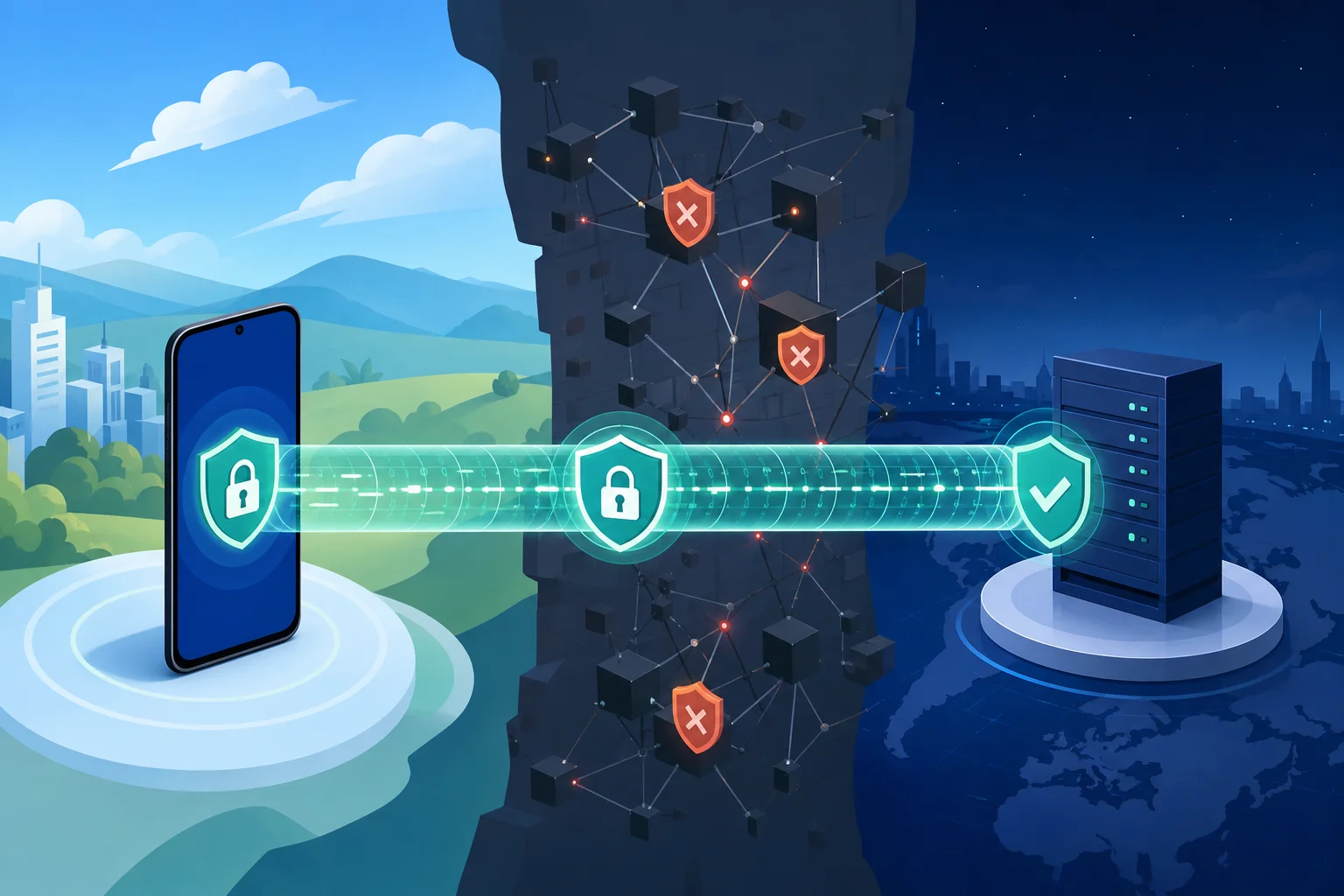
vpn for android speed problem

2. Why It Happens: Understanding VPN Speed Issues on Android

VPN speed issues are not random. They usually come from a few technical factors working together. Once you understand them, it becomes easier to choose the best VPN for Android download for your needs.

Encryption adds a small processing step

A VPN encrypts your internet traffic and sends it through a secure tunnel. This is useful because it helps protect your data from snooping on unsafe networks. However, encryption also adds work for your phone and for the VPN server. On modern Android phones, this process is often fast, but older devices or poorly optimized apps can struggle.

This is one reason why a lightweight VPN app matters. A fast VPN for Android without registration can save time during setup, but it also needs efficient software behind the scenes.

Server distance affects latency

Distance matters. If you are in Europe and your VPN connects to a server on another continent, your data has farther to travel. That can increase latency, which is the delay before a site or app responds. For streaming, the impact may be buffering. For gaming or video calls, it may feel like lag.

When choosing a fast VPN for Android download, look for apps that offer high-speed servers and smart connection options. The closer and less crowded the server, the better your experience usually feels.

Server load can reduce performance

Even a nearby server can slow down if too many users are connected. Server load is one of the biggest reasons some free VPN apps feel inconsistent. If a provider has limited capacity, peak times can mean slower browsing and unstable video playback.

A better Android VPN with auto connect can help by choosing a suitable server when available. This is useful for people who move between Wi-Fi and mobile data throughout the day.

Device compatibility and settings also matter

Android versions, battery saver settings, background data limits, and app permissions can all affect VPN performance. Some phones restrict VPN apps in the background to save power. Others may pause connections when the screen is off. If you want a VPN for Android for mobile data, check that the app works well with your Android version and does not require constant manual reconnects.

3. The Solution: Fast, Secure VPN Download on Android

The solution is not simply “install any VPN.” The better approach is to choose a secure VPN for Android that is easy to start, avoids unnecessary interruptions, and keeps speed in mind. If you want a VPN for Android without registration, the setup should be short. If you want an Android VPN with no ads, the app should not force you through pop-ups before you connect.

Step-by-step: how to download a fast VPN on Android

  1. Choose a trusted VPN source. Start with the official website or a reputable app store page. This helps reduce the risk of modified or unsafe APK files.
  2. Check the setup requirements. If you want a free VPN for Android without registration, confirm that you do not need to create an account before connecting.
  3. Install the VPN app. For most users, the standard app install is the safest path. If you need a VPN APK for Android download, only use the provider’s official APK source.
  4. Open the app and review permissions. Android will ask you to approve the VPN connection. This is normal for VPN apps, but you should still avoid apps that request unrelated permissions.
  5. Enable auto-connect if available. A VPN for Android with auto connect helps protect you when your network changes, such as moving from home Wi-Fi to mobile data.
  6. Test your speed. Open a browser, stream a short video, and try the apps you use daily. If the connection feels slow, switch to a closer or less busy server if the option exists.
  7. Keep the app updated. Updates can improve compatibility, stability, and performance on newer Android versions.

What to look for in the best VPN for Android download

FeatureWhy it matters on Android
No registrationFaster setup and less personal information required
No adsFewer interruptions and a cleaner mobile experience
Auto-connectHelps maintain protection when switching networks
Fast serversReduces buffering, lag, and slow browsing
Mobile data supportKeeps protection active outside Wi-Fi networks
Tablet and TV supportUseful if you also need a VPN for Android tablet download or VPN for Android TV download

Why BeFreeVPN stands out

BeFreeVPN is built for people who want simple VPN protection without unnecessary friction. If you are looking for a free VPN for Android with no ads, it is designed to keep the experience clean. If you prefer an Android VPN without registration, it helps you get started quickly. And if you want a fast VPN for Android for mobile data, auto-connect support can make protection easier when you are on the move.

This combination matters because speed is not only about raw download numbers. It is also about how quickly you can connect, how stable the VPN feels, and whether the app stays out of your way. For many users, the best VPN for Android with auto connect is the one they can leave on without thinking about it.

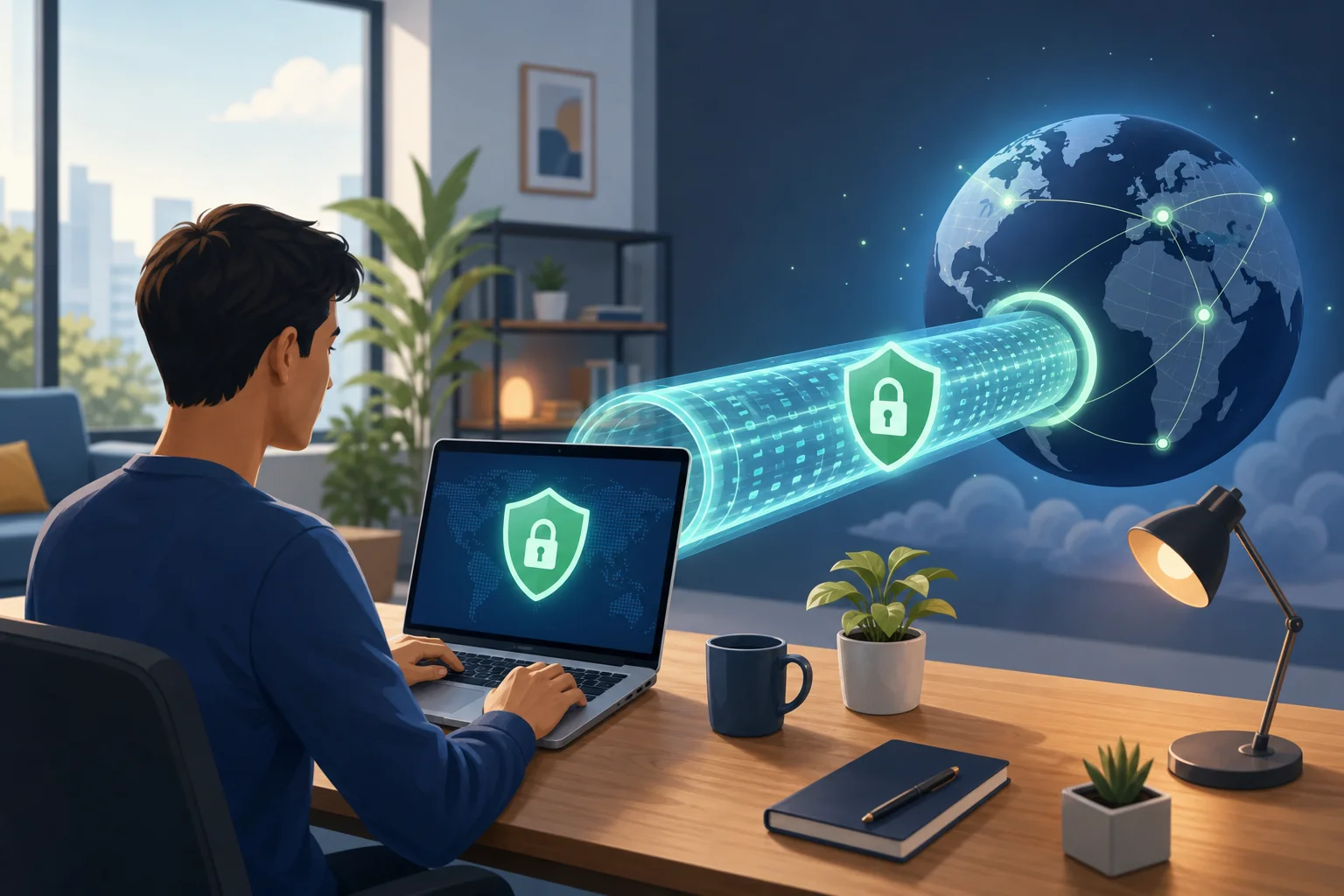
fast vpn for android download

4. Results/Benefits: Enhanced Android Experience with a VPN

A well-chosen VPN can make your Android device feel safer without making it feel slower. Instead of turning protection on only when you remember, you can keep it active during normal use.

Seamless streaming and browsing

With a fast VPN for Android download, you can reduce the common pain points that make VPNs feel heavy. Pages should open smoothly, videos should start faster, and daily apps should remain responsive. Your final speed still depends on your network, device, server distance, and server load, but a better VPN app helps remove avoidable delays.

Privacy and security without constant trade-offs

A secure VPN for Android helps protect your traffic on public Wi-Fi and shared networks. This is useful for travel, remote work, online shopping, and banking. When the app is simple, you are more likely to keep it enabled. That matters because privacy tools only help when you actually use them.

Consistent protection on the go

Auto-connect is especially useful on Android. Your phone may switch between Wi-Fi, 4G, and 5G many times each day. A VPN for Android with auto connect helps restore protection without extra taps. This is also helpful for tablets, shared family devices, and Android TV setups where you may not want to manage the VPN manually each time.

FAQ: VPN for Android Download Questions

What is the best VPN for Android without registration?

The best option is one that lets you connect quickly, avoids unnecessary account creation, and still offers stable performance. BeFreeVPN is a strong choice for users who want a VPN for Android without registration and a simple setup.

Can I use a free VPN for Android with no ads?

Yes. Some free VPN apps rely on ads, but not all do. If ads bother you or slow down your phone, choose a free VPN for Android with no ads so the app stays clean and easier to use.

Is a VPN APK for Android download safe?

It can be safe if it comes from the VPN provider’s official source. Avoid random APK sites, because modified apps may include malware or tracking. When possible, use the official download page or a trusted app store.

Does an Android VPN work on mobile data?

Yes. An Android VPN for mobile data can protect your connection over 4G or 5G as well as Wi-Fi. For the best experience, choose a fast VPN for Android for mobile data with auto-connect support.

Can I use the same VPN on Android TV or an Android tablet?

Often, yes. Many providers support phones, tablets, and Android TV. If you need a VPN for Android tablet download or VPN for Android TV download, check device compatibility before installing.

Conclusion: Get Speed and Protection Together

You should not have to choose between privacy and performance. By choosing a fast, secure, no-registration VPN with auto-connect, you can protect your Android phone, tablet, or TV while keeping browsing and streaming smooth. Upgrade your Android experience today by downloading BeFreeVPN, ensuring fast and seamless protection with no registration required.

The ultimate guide to VPN for iphone and ipad: download and optimize

· 17 min read

Living in a region where online freedom is restricted can be challenging — learn how to download and optimize a VPN for your iPhone and iPad to bypass censorship seamlessly. This guide explains vpn for iphone download options, privacy-first setup, auto-connect, no-registration choices, mobile data tuning, and protocol selection for advanced iOS users who need reliable access without unnecessary tracking or ads.

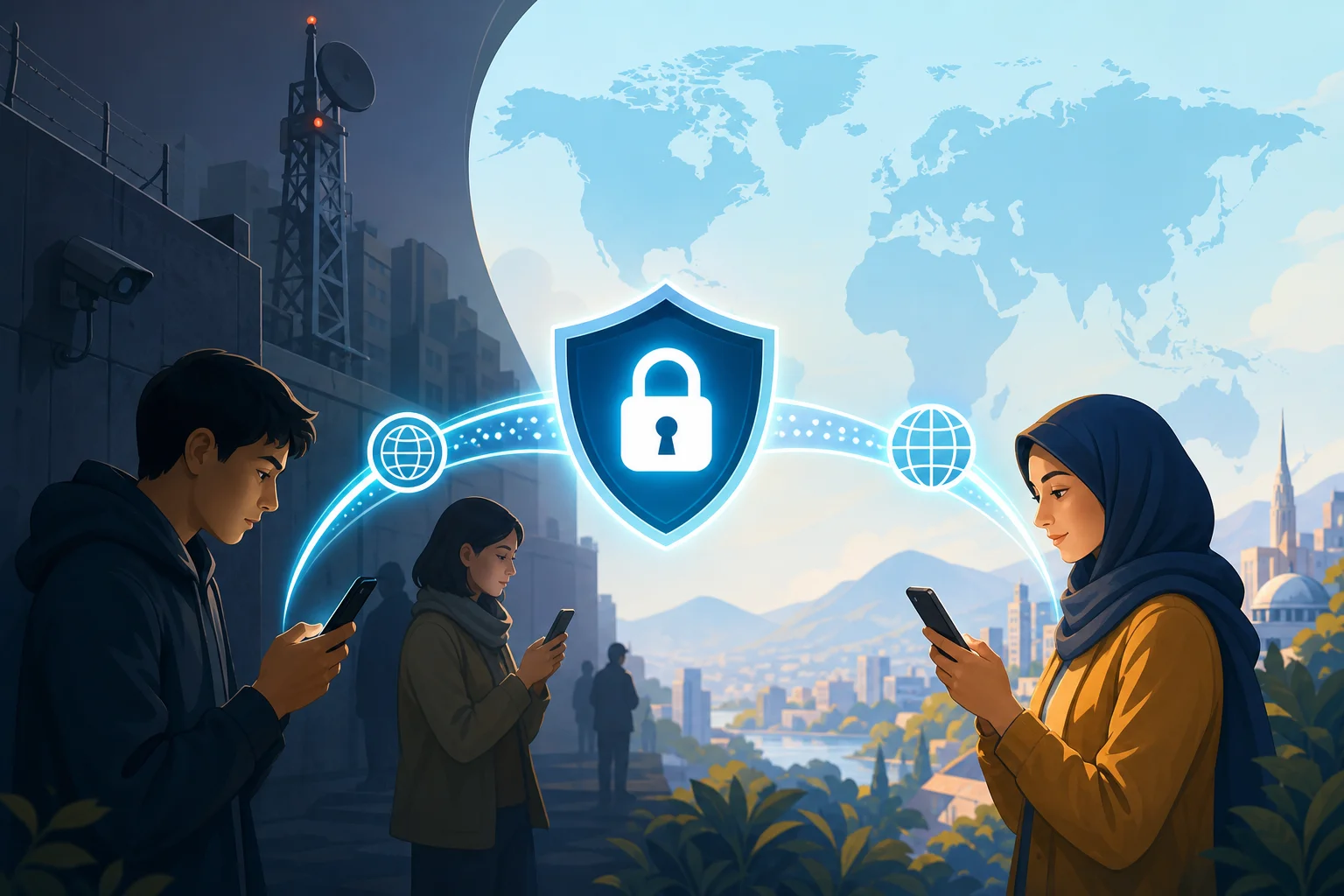
vpn for iphone download privacy

1. Understanding VPN for iPhone and iPad

A Virtual Private Network, or VPN, creates an encrypted tunnel between your device and a remote VPN server. On iPhone and iPad, this tunnel protects traffic from local network observers, hostile Wi-Fi operators, some ISP-level monitoring, and many forms of network filtering. For users in restrictive regions, a VPN can also help reach blocked sites, messaging tools, app services, research resources, and independent media.

However, a VPN is not magic anonymity. It changes who can see parts of your traffic. Your ISP may see that you connect to a VPN server. The VPN provider may see connection metadata unless it is designed to minimize logs. Websites can still identify you through account logins, browser fingerprinting, cookies, and device behavior. Therefore, the best setup combines a secure VPN, private DNS where appropriate, hardened browser settings, and careful account hygiene.

Why VPN matters on iOS in restrictive regions

For iPhone and iPad users, a VPN is especially useful because iOS devices often contain sensitive personal data: messages, photos, location history, banking apps, email, and work credentials. In restrictive environments, protecting this traffic can reduce exposure when using public Wi-Fi, hotel networks, campus networks, or mobile carriers that apply filtering.

A secure vpn for ios download should focus on three areas:

  • Confidentiality: strong encryption protects traffic inside the tunnel.
  • Integrity: modern protocols help prevent tampering and downgrade attacks.
  • Availability: reliable routing, obfuscation options, and auto-connect help keep access stable.

iPhone vs. iPad VPN usage

The VPN engine is similar across iPhone and iPad because both run iOS or iPadOS networking frameworks. Yet usage patterns differ.

AreaiPhoneiPad
Network typeFrequently moves between mobile data and Wi-FiOften used on Wi-Fi, sometimes with cellular models
Battery profileSmaller battery, more handoffsLarger battery, longer sessions
Common useMessaging, maps, mobile browsing, hotspotResearch, streaming, productivity, remote work
VPN priorityFast reconnect and mobile data stabilitySplit workflow, keyboard work, long sessions

A vpn for ipad download may prioritize productivity, large-screen browsing, and long Wi-Fi sessions. A vpn app for iphone download should also handle rapid carrier handoffs, captive portals, and background reconnection. If you need a vpn for mac and iphone download, choose a provider with consistent apps and configuration exports across Apple platforms.

2. How to Download and Install a VPN on iPhone and iPad

The safest path for most users is the App Store. Apple reviews apps, applies code-signing controls, and isolates VPN apps through system permissions. Still, users in restrictive regions may need alternatives if the App Store is filtered, a VPN app is removed locally, or they cannot use a personal Apple ID.

Step-by-step: standard iOS VPN download

  1. Open the App Store on iPhone or iPad.
  2. Search for a reputable term such as vpn for ios download, free vpn for iphone download, or the provider name.
  3. Check the developer name, privacy labels, update history, and reviews.
  4. Install the app.
  5. Open the app and choose a no-registration option if available.
  6. When iOS asks to add VPN configurations, review the permission prompt and tap Allow.
  7. Authenticate with Face ID, Touch ID, or passcode.
  8. Connect to a nearby server first, then test blocked services.

This process is best for most users because iOS handles the VPN profile at the system level. Once approved, the VPN can protect Safari, Mail, messaging apps, and most app traffic.

Can you download a VPN for iPhone without Apple ID?

A true vpn for iphone without apple id download is limited on standard iOS. In most regions, App Store installation requires an Apple ID or Apple Account. Be cautious with websites offering random .ipa files. They may contain outdated software, modified code, tracking, or malicious profiles.

Legitimate alternatives may include:

  • Existing purchase history: if the app is already linked to an account, it may be re-downloadable.
  • Family Sharing or managed accounts: useful for organizations, but not anonymous.
  • MDM or enterprise deployment: valid for companies, schools, and NGOs, but the administrator may control profiles.
  • TestFlight: possible for beta access, but it still depends on Apple infrastructure.
  • Regional marketplace options: availability depends on local law and iOS version.
  • Manual configuration: if you have server credentials, you can add IKEv2 or other supported profiles without installing a consumer app.

For most privacy-focused users, manual configuration is the cleanest non-app route. Go to Settings > General > VPN & Device Management > VPN > Add VPN Configuration. Then enter details supplied by a trusted provider. This can be useful for a secure vpn for ios without registration if the provider uses anonymous account numbers or configuration files.

Installing with privacy and no registration in mind

If your goal is vpn for iphone without registration, avoid apps that require email, phone number, social login, or invasive permissions. A VPN app normally does not need your contacts, photos, microphone, camera, or precise location. It may need permission to add VPN configurations. That is expected.

For a free vpn for iphone without registration, read the business model carefully. Free services may impose data caps, limited locations, slower speeds, or fewer protocols. Some show ads. If you need vpn for iphone with no ads, ad-free free plans are less common. Paid providers are often cleaner, but some privacy-first free options exist with limits.

App Store comparison checklist

CriterionWhy it mattersWhat to prefer
RegistrationReduces identity linkageNo email, anonymous account, or optional login
AdsAds can add tracking and instabilityvpn for ios with no ads or paid plan
ProtocolsDetermines security and speedWireGuard, IKEv2, OpenVPN, or audited custom protocols
Auto-connectProtects after network changesvpn for ios with auto connect support
Kill switch behaviorPrevents leaks during dropsSystem-level reconnect and block-on-drop options
DNS handlingPrevents DNS leaksEncrypted DNS or provider DNS inside tunnel
Support for iPad/MacEasier multi-device setupOne account or config for iPhone, iPad, and Mac

3. Key Features: Auto-Connect and No Ads

For users facing filtering, the best VPN is the one that stays connected when the network changes. iPhones move constantly between LTE, 5G, Wi-Fi, captive portals, and weak signal zones. That is why vpn for iphone with auto connect is more than convenience. It is operational resilience.

How auto-connect works

Auto-connect monitors network state and starts the VPN when a trigger occurs. Common triggers include:

  • joining an unknown Wi-Fi network;
  • switching from Wi-Fi to mobile data;
  • device wake from sleep;
  • VPN tunnel failure;
  • app launch;
  • system restart.

On iOS, auto-connect behavior depends on the provider app, VPN protocol, and Apple’s Network Extension framework. Some apps can also use on-demand rules. Advanced users may configure IKEv2 on-demand profiles through Apple Configurator or MDM.

Why no ads matters

A vpn app for iphone with no ads provides more than a cleaner interface. It can also reduce third-party SDK exposure, page load interruptions, and accidental taps. In restrictive regions, ads may load from blocked domains, causing timeouts or suspicious traffic patterns. Therefore, a free vpn for iphone with no ads is preferable to an ad-supported VPN if privacy is the priority.

Benefits include:

  • fewer third-party trackers;
  • less background network noise;
  • smoother connection flow;
  • lower risk of misleading pop-ups;
  • better battery behavior than ad-heavy apps.

vpn for ios with auto connect

Technical setup: enabling auto-connect on iPhone and iPad

The exact interface differs by provider, but the process is usually similar:

  1. Open your VPN app.
  2. Go to Settings, Preferences, or Connection.
  3. Enable Auto-connect, Connect on launch, or Always-on VPN if available.
  4. Choose triggers such as untrusted Wi-Fi, mobile data, or all networks.
  5. Enable leak protection or kill switch if offered.
  6. Select a reliable default protocol. IKEv2 and WireGuard-style protocols usually reconnect quickly.
  7. Test by switching Airplane Mode on and off.
  8. Test again by moving from Wi-Fi to mobile data.

If you need best vpn for iphone with auto connect, confirm that the feature works after device sleep and carrier handoff. Some apps claim auto-connect but reconnect only after you open the app.

4. VPN Protocols and Mechanisms for iOS

Protocol choice affects speed, censorship resistance, battery use, and reliability. Advanced users should understand the trade-offs before choosing a fast vpn for iphone download or a secure vpn for ios download.

IKEv2/IPsec

IKEv2 is deeply supported by Apple platforms. It is known for fast reconnection when a device changes networks. That makes it useful for iPhone users who move between Wi-Fi and cellular.

Strengths:

  • stable on mobile data;
  • good roaming support;
  • native iOS configuration;
  • efficient reconnect after sleep.

Limitations:

  • easier to identify and block than heavily obfuscated protocols;
  • configuration quality depends on provider settings;
  • may struggle on networks that block IPsec traffic.

For vpn for iphone for mobile data, IKEv2 remains a practical choice when censorship is not aggressively blocking VPN signatures.

OpenVPN

OpenVPN is mature and widely reviewed. On iOS, it often runs through provider apps or the official OpenVPN Connect app using .ovpn profiles.

Strengths:

  • flexible port and transport options;
  • can run over TCP 443 to resemble HTTPS-like traffic patterns;
  • broad provider support.

Limitations:

  • may use more battery than newer protocols;
  • reconnection can be slower;
  • requires profile management if not integrated into a provider app.

OpenVPN can be useful when you need a secure vpn for ios for mobile data and want granular configuration.

WireGuard and WireGuard-based protocols

WireGuard is modern, lean, and fast. Many providers use it directly or build privacy layers on top of it to reduce static key concerns.

Strengths:

  • high performance;
  • small codebase;
  • strong modern cryptography;
  • good battery profile.

Limitations:

  • static key design needs careful provider implementation;
  • default traffic patterns can be recognizable;
  • censorship resistance may require obfuscation.

For users searching fast vpn for iphone download, WireGuard-based options are often the first protocol to test. For restrictive regions, pair speed with obfuscation if available.

Apple Network Extension and per-app VPN

iOS VPN apps use Apple’s Network Extension framework. Managed environments can enable per-app VPN, where only selected apps use the tunnel. This is common in enterprise and NGO deployments. It can reduce bandwidth and battery use but may leak traffic from apps not included in the rule set.

For personal censorship bypass, full-device VPN is usually simpler. For high-risk work, managed per-app VPN should be planned carefully and audited.

Configuration tips for optimum performance

  • Choose a nearby server unless you need a specific country.
  • Prefer UDP-based protocols for speed, unless blocked.
  • Use TCP 443 or obfuscation when networks interfere with VPN traffic.
  • Enable provider DNS inside the tunnel.
  • Avoid chaining multiple VPN apps unless you understand route conflicts.
  • Re-test after iOS updates because network behavior can change.

5. Using VPNs on Mobile Data vs. Wi-Fi

A vpn for iphone for mobile data faces different conditions than a VPN on home Wi-Fi. Mobile networks use carrier-grade NAT, dynamic routing, radio handoffs, and changing signal quality. Wi-Fi may be faster, but it can include captive portals, local filtering, or unsafe access points.

Mobile data vs. Wi-Fi comparison

FactorMobile dataWi-Fi
StabilityVaries with signal and tower handoffVaries with router and congestion
FilteringCarrier-level blocking may applyRouter, ISP, workplace, or campus filtering
Captive portalsRareCommon in hotels, airports, and cafes
Battery impactHigher during weak signalUsually lower if signal is strong
Best protocolIKEv2 or WireGuard-styleWireGuard, OpenVPN, or obfuscated modes

A fast vpn for iphone for mobile data should reconnect quickly, avoid heavy background processes, and handle IP address changes. A vpn for ipad for mobile data has similar needs, especially on cellular iPad models used for travel or field work.

Tips for stable VPN on mobile data

  • Use auto-connect for all networks, not only Wi-Fi.
  • Select a nearby server to reduce latency.
  • Disable low-data mode if it breaks tunnel stability.
  • Keep the VPN app updated before entering restricted areas.
  • Test both 5G and LTE if your carrier behaves differently.
  • If the VPN stalls, toggle Airplane Mode before changing servers.
  • Keep at least two protocols configured.

Security differences

On public Wi-Fi, the local network operator can often observe DNS requests, connection timing, and unencrypted traffic. On mobile data, the carrier has broader visibility and may apply filtering at scale. In both cases, a VPN reduces local visibility but shifts trust to the VPN provider. Choose a provider with clear privacy practices and minimal registration.

6. Common Misconceptions About VPN for iOS Devices

VPN myths can lead to poor configuration. Here are the most common issues advanced users should separate from reality.

Does a VPN always slow down an iPhone?

No. A VPN adds encryption and routing overhead, so some loss is possible. But a well-implemented fast vpn for iphone without registration can feel almost transparent on modern devices. In some cases, routing through a VPN may even improve access to congested or throttled paths. The real variables are server load, distance, protocol, carrier quality, and censorship interference.

Legality depends on jurisdiction. VPNs are legal in many countries and are widely used for privacy, business, and security. Some regions restrict VPN use, require licensed providers, or block VPN protocols. If you live in or travel to a restrictive region, understand local rules and personal risk. This guide is technical information, not legal advice.

Does a VPN make you anonymous?

Not by itself. A VPN hides your IP address from websites and reduces exposure to local networks. It does not erase account logins, browser fingerprints, payment trails, location permissions, or cloud sync records. For higher privacy, combine a secure vpn for ios without registration with privacy-preserving browsers, separate identities, and strict app permissions.

Does a VPN drain battery heavily?

It can, but it should not be extreme. Battery impact depends on protocol, signal quality, reconnect loops, ads, and background analytics. A vpn for iphone with no ads may reduce unnecessary network calls. WireGuard-style protocols and IKEv2 are often efficient. Weak mobile signal usually drains more battery than encryption itself.

Does a VPN use too much mobile data?

VPNs add overhead, but the increase is usually modest compared with video, cloud backups, or app updates. The bigger risk is leaving bandwidth-heavy apps active while connected. For free vpn for iphone for mobile data, watch data caps and disable automatic downloads over cellular.

7. Choosing the Best VPN for Restricted Regions

The best vpn for iphone download in a restricted region is not always the one with the largest server list. It is the one that you can install safely, connect reliably, and use without exposing unnecessary identity data.

Selection criteria

Use this checklist before committing:

  1. Accessible download: App Store availability, manual profiles, or trusted deployment options.
  2. No registration option: useful for users who need vpn for ios without registration.
  3. No ads: prefer best vpn for iphone with no ads to reduce tracking and distractions.
  4. Auto-connect: essential for mobile users and unstable networks.
  5. Protocol diversity: WireGuard-style, IKEv2, OpenVPN, and obfuscation when possible.
  6. Transparent privacy policy: clear logging limits and jurisdiction details.
  7. DNS leak protection: DNS should route inside the tunnel.
  8. iPad and Mac support: helpful for vpn for mac and iphone download workflows.
  9. Mobile data performance: confirm secure vpn for ios for mobile data behavior before relying on it.
  10. Support channels: documentation should be reachable even when the main site is blocked.

The right answer depends on your threat model, payment access, and local blocking. Consider testing several before travel or before entering a high-filtering network.

OptionBest fitNotes
BeFreeVPNHassle-free iPhone and iPad browsingDesigned for quick access, no-registration use, and ad-free experience
MullvadAnonymous paid accountsUses account numbers instead of email; strong privacy reputation
IVPNAdvanced privacy controlsPaid, privacy-focused, supports modern protocols
Proton VPNGenerous free tierRequires account; useful where available
WindscribeFlexible locations and free limitsAccount model and limits vary by plan
Cloudflare WARPSimple encrypted transportNot a traditional location-changing VPN; may not bypass all censorship

For free vpn for iphone with auto connect, confirm whether auto-connect is available on the free tier. Some providers reserve it for paid plans. For fast vpn for iphone with no ads, a paid or privacy-funded service is often more sustainable than an ad-supported free app.

best vpn for iphone restricted regions

FAQ: common VPN for iPhone and iPad download questions

What is the safest vpn for iphone download method?

The safest method is usually the App Store, followed by manual configuration from a trusted provider. Avoid unknown .ipa files, random configuration profiles, and apps that request unrelated permissions.

Can I use a vpn for iphone without registration?

Yes, some providers offer no-registration access or anonymous account numbers. Check whether the app requires email, phone verification, or social login before installing.

Is there a vpn for ios with no ads?

Yes. Many paid VPNs have no ads, and some free or freemium services avoid ads by limiting data, locations, or speed. For privacy, no ads is usually better than ad-supported access.

What is the best vpn for ipad with auto connect?

The best choice is one that supports iPadOS auto-connect, reconnects after sleep, and lets you define trusted and untrusted networks. Test it on both Wi-Fi and cellular if you use a cellular iPad.

Can I use a vpn for mac and iphone without registration?

Yes, if the provider supports anonymous accounts or device configuration without personal details. Make sure the same protocol and server locations are available on both macOS and iOS.

Do I need a different VPN for mobile data?

Not always. But you should choose a VPN that handles network changes well. For mobile data, IKEv2 and WireGuard-style protocols are usually strong starting points.

Conclusion

A well-chosen VPN can make iPhone and iPad use safer, more private, and more reliable in restrictive regions. Start with a trusted download path, prefer no-registration and no-ad options, enable auto-connect, and test multiple protocols on both Wi-Fi and mobile data. Above all, match the VPN to your real threat model rather than relying on marketing claims.

Try BeFreeVPN for a hassle-free, ad-free browsing experience on your iPhone and iPad without the need for registration. Enjoy unrestricted internet access instantly.

5 best free VPN for phone options in 2026

· 8 min read

Ever wondered which free VPNs can truly provide seamless and secure browsing on your phone? If you are searching for a free vpn for phone, the best option should be simple to install, private by design, light on ads, and generous with data. In this list, we focus on mobile-first picks for Android and iOS, including options that fit common needs like a free VPN without registration, a free VPN with no ads, and a free VPN with unlimited data.

Before you install any free VPN app for phone, check the app store listing, permissions, privacy policy, and data limits. Free plans can change, and the safest choice is the one that is clear about what it collects and how it makes money.

free vpn for phone comparison

Quick Comparison: Best Free VPNs for Your Phone

VPN optionBest forRegistrationAdsDataMobile focus
SecureConnectFast setupNoNoUnlimitedAndroid and iOS browsing
StreamSafeStreaming on mobileNoMinimal or noneUnlimitedVideo and media apps
AdBlockVPNAd-free browsingNoNoVaries by planSimple phone use
EasyFlowVPNData protectionNo personal detailsNo hidden chargesFree plan availablePrivacy-first setup
BeFreeVPNAll-in-one phone useNoNoUnlimitedStreaming, browsing, and security

This table is designed for quick scanning. However, your best free VPN 2026 choice depends on your phone, your country, and whether you need streaming, work access, or general privacy on public Wi-Fi.

1. SecureConnect: Free VPN Without Registration

SecureConnect is a strong starting point if you want a free VPN service without registration. It is designed for people who do not want to create an account, share an email address, or enter payment details just to protect their phone connection.

The biggest benefit is simplicity. You download the app, choose a server if needed, and connect. That makes it useful when you are on airport Wi-Fi, hotel networks, cafés, or any public hotspot where you want a secure tunnel between your phone and the internet.

Why it stands out

  • Offers a completely free service with no registration required.
  • No ads to interrupt your mobile browsing experience.
  • Unlimited data for continuous streaming and browsing.
  • Good fit for users who want a free secure VPN without registration.

SecureConnect is also worth considering if you sometimes compare mobile options with a free VPN for computer. The experience is phone-first, but the same privacy checklist applies on desktop: clear permissions, no unnecessary tracking, and transparent limits.

2. StreamSafe: Unlimited Data for Your Mobile

StreamSafe is built around one major need: data. If you watch videos, listen to music, or use social apps often, a tiny monthly data cap can make a free VPN app with unlimited data much more appealing than a feature-packed app that stops working after a few hours.

For users looking for the best free VPN for streaming, StreamSafe focuses on stable mobile use across Android and iOS. It is a practical option for people who want to browse and stream without constantly checking a data meter.

Best features

  • Provides free unlimited data, which is useful for streaming.
  • Works smoothly on both Android and iOS devices.
  • Keeps your information private without any sign-ups.
  • Suitable if you need a free unlimited VPN for phone.

That said, streaming support can vary by platform. Some video services block VPN traffic, even from paid providers. So, if streaming is your main goal, test your preferred apps before relying on any free VPN service with unlimited data.

3. AdBlockVPN: No Ads, Just Browsing

A free VPN with no ads is rare because many free tools rely on advertising to cover costs. AdBlockVPN focuses on removing that distraction. For phone users, that can make a big difference. No pop-ups. No forced video ads. No confusing buttons that look like system alerts.

AdBlockVPN is especially useful for casual browsing, reading, shopping, and checking email on mobile networks. It is also easy to recommend to beginners because setup is simple.

Why mobile users like it

  • Eliminates ads for a cleaner, uninterrupted experience.
  • Easy to install on most mobile devices.
  • No need for registration; just download and connect.
  • A good match for anyone searching for a free VPN app with no ads.

If you also need a free VPN app for computer, look for the same no-ad policy on desktop. Some providers offer a clean mobile app but show ads elsewhere, so compare the mobile and computer versions before installing both.

free vpn app with no ads

4. EasyFlowVPN: Best Free Option for Data Protection

EasyFlowVPN is a good fit for people who care most about protecting phone data. Instead of trying to do everything, it focuses on secure connections, easy setup, and a clear user experience.

This matters because a free private VPN for phone should not feel risky or confusing. If an app asks for too many permissions, hides its privacy policy, or pushes upgrades too aggressively, it may not be the right choice.

What makes it useful

  • Specializes in securing your phone data for free.
  • Does not require personal details for setup.
  • Offers a user-friendly app with no hidden charges.
  • Works well for people seeking a free secure VPN for phone.

EasyFlowVPN can also make sense for work-related browsing when you are away from trusted networks. However, if your employer has strict security rules, use the approved company VPN. A best free VPN for work should never replace official workplace security tools unless your IT team allows it.

5. BeFreeVPN: All-in-One Solution for Phone Users

BeFreeVPN is the most complete option on this list for users who want fewer trade-offs. It brings together the features people usually search for: no registration, no ads, unlimited data, and secure mobile connections.

That makes it a strong everyday choice for browsing, streaming, messaging, and using public Wi-Fi. It is also easy to understand. You do not need to compare complicated tiers before getting started.

Why it earns a top spot

  • Completely free with no need for registration.
  • No ads and unlimited data make it practical for streaming and browsing.
  • Works seamlessly on smartphones, helping protect your connection.
  • Fits searches for a free private VPN with unlimited data and a free unlimited VPN without registration.

BeFreeVPN is a smart pick if you want one free VPN service for phone use instead of switching between apps for different tasks.

How to Choose a Free VPN for Phone: Step-by-Step

  1. Check the privacy policy. Avoid apps that are vague about logs, tracking, or third-party data sharing.
  2. Look for no registration. A free VPN service without registration collects less personal information at signup.
  3. Confirm the data limit. If you stream often, choose a free VPN app with unlimited data.
  4. Avoid intrusive ads. A free VPN service with no ads is safer and less annoying.
  5. Test speed on Wi-Fi and mobile data. Performance can change by location and server load.
  6. Compare phone and desktop support. If you need a free secure VPN for computer too, check whether the provider has apps for all your devices.

FAQ: Free VPNs for Phones

What is the best free VPN for phone in 2026?

The best free VPN for phone depends on your needs. BeFreeVPN is the strongest all-in-one pick here, while StreamSafe is better for unlimited mobile streaming and AdBlockVPN is better for ad-free browsing.

Can I use a free VPN for computer as well?

Yes, some providers offer both a free VPN app for phone and a free VPN app for computer. Before installing, check whether the computer version has the same no-ads, no-registration, and unlimited-data features.

Is a free VPN without registration safer?

It can be more private because you share less personal information upfront. Still, safety also depends on encryption, permissions, logging policies, and the provider’s reputation.

Are free VPNs with unlimited data really unlimited?

Some are, but terms can change. Always review the provider’s current limits. A free VPN service with unlimited data may still have speed limits, server limits, or fair-use rules.

What should I avoid in a free VPN app?

Avoid unclear privacy policies, excessive permissions, forced ads, unknown ownership, and apps that ask for payment details before showing the free plan.

Final Thoughts

A good free VPN for phone should be simple, private, and reliable enough for daily use. SecureConnect is great for quick access, StreamSafe is useful for streaming, AdBlockVPN keeps browsing clean, EasyFlowVPN focuses on data protection, and BeFreeVPN combines the most requested features in one mobile-friendly package. Try BeFreeVPN today for a seamless browsing experience on your phone with no registration, no ads, and unlimited data.

How to choose a reliable VPN for internet access without registration

· 12 min read

Looking for a reliable VPN without the hassle of registration and payment? We've got you covered with easy steps to secure your internet access. In this guide, you’ll learn how to choose a reliable VPN for internet use at home, on your phone, and on your computer—especially if you want a simple option that does not ask for an account, email address, or personal details.

A virtual private network can help protect your connection on public Wi-Fi, reduce exposure to trackers, and keep your browsing more private from local network observers. However, not every free VPN is dependable. Some are slow, unstable, or unclear about how they handle data. The goal is to find a service that is easy to use, transparent, and stable enough for everyday browsing.

reliable vpn for internet privacy

Before You Start: Understand What Makes a VPN Reliable

Before you install anything, it helps to know what “reliable” really means. A reliable VPN for internet access is not just one that connects. It should protect your connection consistently, work across your devices, and explain its privacy practices clearly.

Check the privacy policy and reputation

Start with the VPN provider’s privacy policy. Look for plain language about what data is collected, how long it is kept, and whether it is shared. Be cautious if the policy is vague or hard to find.

User reviews can also help. Look for repeated comments about connection drops, confusing permissions, aggressive ads, or slow speeds. A few negative reviews are normal, but repeated complaints about the same issue are a warning sign.

Evaluate speed and stability

Speed matters because a VPN routes your traffic through an encrypted tunnel. Some slowdown is normal, but the connection should still be usable for browsing, messaging, email, streaming at modest quality, and video calls when your base connection supports them.

Stability is just as important. A VPN that disconnects often can leave your traffic exposed unless it has features like auto-connect or a kill switch. For daily use, consistent performance is better than one fast server that only works sometimes.

Confirm device compatibility

A reliable VPN for home should work on the devices you use most. That may include Windows or macOS computers, Android phones, iPhones, tablets, and sometimes routers. If you want one service for your whole household, check whether the VPN supports multiple device connections.

Here is a quick checklist before you begin:

Reliability factorWhat to look forWhy it matters
Privacy policyClear data handling termsHelps you avoid hidden tracking
No registrationNo email or account requiredReduces personal data shared upfront
SpeedSmooth browsing and stable downloadsKeeps daily internet use practical
StabilityFew drops, auto-reconnect optionsMaintains protection over time
CompatibilityApps for phone and computerMakes setup easier across devices
BandwidthNo restrictive daily limits if possibleBetter for home and regular use

Step 1: Choose a VPN With No Registration Required

A reliable VPN without registration is useful when you want privacy with fewer steps. Instead of creating an account, verifying an email, or entering payment details, you can install the app and connect.

Identify no-account VPN options

When comparing VPNs, look for phrases such as “no registration required,” “no account needed,” or “start without sign-up.” Then verify this during installation. If the app asks for an email before you can connect, it is not truly registration-free.

Also check whether the free version is functional. Some VPNs advertise free access but lock key features behind sign-up screens or payment prompts. A user-friendly VPN should make its limits clear before you install it.

Understand the privacy advantage

Using a VPN without registration can reduce the amount of personal information connected to your VPN use. You are not handing over an email address, name, or payment data just to start a session. This does not make you anonymous in every possible way, but it is a practical privacy improvement for many users.

Still, registration-free does not automatically mean trustworthy. Always combine this feature with a clear privacy policy, secure app source, and stable performance.

Check operating system support

If you need a reliable VPN for phone use, confirm that the app supports your mobile operating system. For Android, use the official app store or the provider’s verified website. For iPhone, use the App Store. For a reliable VPN for computer use, check support for Windows, macOS, or Linux if needed.

A good no-registration VPN should be easy for beginners. Ideally, you should be able to:

  1. Download the app from a trusted source.
  2. Open it without creating an account.
  3. Choose a server or use automatic selection.
  4. Tap or click connect.
  5. Confirm the VPN icon appears on your device.

Step 2: Test the VPN for Consistent Speed and Stability

After choosing a VPN, test it before relying on it for daily browsing. Free VPN options can vary widely in performance, so a short test helps you avoid frustration later.

Use free versions or trial periods wisely

If the VPN is free and registration-free, test it for normal tasks first. Open websites, send messages, load maps, check email, and stream a short video. If it struggles with basic browsing, it may not be reliable enough.

If a VPN offers a trial, read the terms carefully. Some trials require payment information or renewal cancellation. If your goal is a reliable VPN without registration, a trial that requires billing details may not fit your needs.

Test during peak usage times

VPN speed can change depending on server load and time of day. Test the connection in the evening or whenever your network is usually busiest. If the VPN stays stable during peak times, it is more likely to work well when you need it.

You can also compare performance with the VPN on and off. You do not need advanced tools. Ask simple questions:

  • Do pages load quickly enough?
  • Does the connection drop?
  • Can video calls stay connected?
  • Does the app reconnect after switching Wi-Fi networks?
  • Is battery drain reasonable on your phone?

Compare with other free VPN options

Testing two or three VPNs can show which one is most reliable for your location and devices. Use the same Wi-Fi network and test similar tasks. Do not judge only by top speed. A slightly slower VPN that remains connected is often better than a faster one that drops every few minutes.

Step 3: Secure Your Home Network with the VPN

A reliable VPN for home use should protect the devices you use most often. There are two main approaches: install the VPN directly on each device, or set it up on a compatible router if the service supports that option.

Install on computers for direct protection

The simplest method is installing the VPN app on your main computer. This works well if you mostly browse, shop, stream, or work from one laptop or desktop. It also lets you control settings per device.

For shared computers, make sure everyone knows when the VPN is connected. If the app has auto-connect, turn it on so protection starts when the computer connects to the internet.

Consider router setup carefully

Some VPNs support router installation. This can protect multiple devices on your home Wi-Fi, including smart TVs or devices that do not support VPN apps. However, router setup is usually more technical. It may also reduce speed if your router has weak hardware.

Before using router setup, check the VPN provider’s instructions and confirm your router model is supported. If the guide looks too complex, device-by-device installation may be safer and easier.

Look for multiple connections and fair bandwidth

For home use, multiple simultaneous connections are helpful. This allows you to protect a phone, computer, and tablet at the same time. Also review bandwidth limits. A very small daily cap may be fine for occasional browsing but frustrating for a household.

reliable vpn for home devices

Step 4: Optimize Your Phone for Reliable VPN Use

A reliable VPN for phone use should be simple, secure, and low-maintenance. Since phones move between mobile data, home Wi-Fi, and public networks, auto-connect settings are especially useful.

Install only from trusted sources

Download the VPN app from the official app store or the provider’s verified website. Avoid random APK files, unofficial mirrors, or links from pop-up ads. This reduces the risk of installing a fake or modified app.

After installation, review permissions. A VPN app needs permission to create a VPN connection, but it should not request unrelated access without a clear reason.

Keep the app updated

Updates often include security patches, compatibility fixes, and stability improvements. Turn on automatic updates if you are comfortable with that. If not, check for updates regularly, especially after major operating system updates.

Configure automatic protection

Many VPN apps include settings such as auto-connect on public Wi-Fi, reconnect after signal loss, or connect when the phone starts. These settings help maintain consistent protection without forcing you to remember every time.

For best phone reliability:

  1. Enable auto-connect for unknown Wi-Fi networks.
  2. Choose the nearest or fastest server when available.
  3. Turn on reconnect features.
  4. Avoid battery-saving settings that force the VPN app to sleep.
  5. Test the VPN on both Wi-Fi and mobile data.

Troubleshooting: Resolving Common VPN Connection Issues

Even a reliable VPN can run into problems. The good news is that most common issues are easy to check.

Slow speeds

If your VPN is slow, switch to a nearby server or use the app’s “fastest location” option. Restart the app, reconnect to Wi-Fi, or test mobile data. If only one server is slow, the issue may be server load rather than your device.

Connection drops

Connection drops can happen when your phone switches networks or your Wi-Fi signal is weak. Enable auto-reconnect if available. On a computer, restart the VPN app and check whether another security tool is blocking the connection.

DNS leaks or privacy concerns

A DNS leak can expose website lookup requests outside the VPN tunnel. Some VPN apps include DNS leak protection. If yours does, turn it on. You can also use reputable DNS leak test websites to confirm whether your VPN is routing DNS correctly.

App diagnostic tools

Many VPN apps include built-in diagnostics, connection logs, or support checks. Use these tools before uninstalling. They may show whether the problem is server-related, network-related, or caused by device settings.

If problems continue, try these quick fixes:

  • Switch servers.
  • Restart the app.
  • Restart your device.
  • Update the VPN app.
  • Change from Wi-Fi to mobile data, or vice versa.
  • Reinstall the app from a trusted source.

FAQ: Common Questions About a Reliable VPN for Internet Use

Can I use a reliable VPN without registration?

Yes. Some VPNs allow you to connect without creating an account. This is helpful if you want fewer steps and less personal information shared upfront. Still, check the privacy policy and app reputation before using it.

Is a free VPN reliable enough for home internet?

It can be, depending on your needs. A free VPN may work well for browsing, messaging, and basic privacy. However, check speed, bandwidth limits, server stability, and support for multiple devices before using it as your main reliable VPN for home access.

What is the best way to use a VPN on a computer?

Install the official desktop app, connect to a nearby or recommended server, and enable auto-connect if available. For a reliable VPN for computer use, keep the app updated and test it during your normal work or browsing hours.

Should my phone VPN stay on all the time?

For stronger protection, keeping the VPN on is useful, especially on public Wi-Fi. If battery life or app compatibility becomes a problem, use auto-connect rules so the VPN turns on when you need it most.

Does no registration mean no tracking?

Not automatically. No registration means you do not need to create an account, but the VPN’s privacy policy still matters. Choose a provider that clearly explains what it collects and why.

Final Thoughts

Choosing a reliable VPN for internet access does not have to be complicated. Start with privacy, avoid unnecessary registration, test real-world speed, and make sure the VPN works on your home devices, phone, and computer. A good VPN should be simple enough to use every day and stable enough that you do not have to think about it constantly.

Ready to secure your online activities seamlessly and for free? Try BeFreeVPN and enjoy reliable protection without registration, whether you're at home, on your phone, or using your computer.

Online VPN for home: your essential faq guide

· 8 min read

Are you wondering how an online VPN can protect your family at home? Here’s a detailed FAQ to clear your doubts! An online VPN for home helps secure everyday browsing, streaming, schoolwork, shopping, and communication across your household. In this guide, you’ll learn what a home VPN does, how it supports children’s online safety, which devices it can protect, what myths to ignore, and how to choose a VPN service that fits family life.

online VPN for home security

What is an online VPN for home?

An online VPN, or Virtual Private Network, for home is a service that encrypts your internet connection. In simple terms, it creates a private, protected tunnel between your device and the websites or apps you use. This makes it harder for hackers, advertisers, network snoopers, or unsafe public Wi-Fi operators to see what your family is doing online.

For households, a VPN is useful because it can protect multiple devices under one account or network setup. Instead of thinking about security one device at a time, families can use a single VPN service across phones, tablets, laptops, desktops, and sometimes smart TVs or routers.

A home VPN can also help with access to restricted content. For example, some websites, streaming libraries, or services may vary by location. A VPN can change your visible IP address, which may allow access when you are traveling or when content is limited by region. However, you should always follow the terms of service of the platforms you use.

In daily life, an online VPN for home is mainly about three things:

  • Privacy: It masks your IP address and reduces exposure to tracking.
  • Security: It encrypts your connection to help protect personal data.
  • Flexibility: It can support safer browsing across many household devices.

How can a VPN enhance children’s online safety at home?

A VPN can support children’s online safety by making their internet activity harder for outsiders to intercept. This is especially important when kids use shared Wi-Fi, school portals, gaming platforms, messaging apps, and learning websites.

Encryption is the key benefit. When a child browses online through a VPN, the connection is protected from many forms of snooping. This can reduce the risk of malicious actors collecting sensitive details such as location clues, login data, or browsing patterns.

A VPN may also help reduce exposure to certain malicious sites, depending on the provider’s features. Some VPN services include threat blocking, phishing protection, or unsafe-domain filtering. These tools are not a replacement for parental guidance, but they can add another layer of defense.

Parents may also use a VPN as part of a balanced safety approach. Instead of invasive tracking, families can set clear rules, choose safe tools, and protect the connection itself. In this way, a VPN helps secure the environment without turning every online moment into surveillance.

By masking the home IP address, a VPN can also minimize the risk of strangers learning your household’s approximate location through IP-based tracking. This matters for children who play online games, join public chats, or use social platforms. Still, families should combine VPN use with privacy settings, strong passwords, and conversations about not sharing personal information.

Practical steps for safer family VPN use

  1. Install the VPN on each child’s main device. Start with phones, tablets, and school laptops.
  2. Turn on auto-connect if available. This helps keep protection active without constant reminders.
  3. Use strong account passwords. A VPN helps the connection, but weak passwords still create risk.
  4. Enable threat-blocking features when offered. These may help block known malicious domains.
  5. Talk about online boundaries. Explain why location, school names, and private photos should not be shared with strangers.

Can an online VPN work on multiple devices in my home?

Yes. Many online VPN services allow simultaneous connections on multiple devices. This means several family members can browse, stream, study, and work securely at the same time. Common supported devices include smartphones, tablets, laptops, desktop computers, and sometimes smart TVs or browser extensions.

The number of supported devices depends on the VPN provider. Some allow a fixed number of simultaneous connections. Others support unlimited device use. If you have a large household, check this detail before choosing a plan.

Dedicated apps are also important. A VPN with simple apps for Android, iOS, Windows, macOS, and browser use will be easier for the whole family. If setup is too complex, people may forget to use it. Look for a clean interface, quick connect options, and clear settings.

home VPN multiple devices

Home VPN device compatibility comparison

Device typeHow a VPN helpsWhat to check before choosing
SmartphonesProtects browsing, apps, and public Wi-Fi useiOS and Android apps, auto-connect
TabletsSecures schoolwork, videos, and browsingChild-friendly setup and stable performance
LaptopsProtects work, shopping, banking, and studyWindows, macOS, or Linux support
Smart TVsMay support private streaming accessNative app or router setup options
Home routerCan protect many connected devices at onceRouter compatibility and setup difficulty

For most families, installing the VPN app on each device is the easiest option. Router-level VPN setup can be powerful, but it is usually more technical. If you want simple protection, choose a VPN that works well through dedicated apps.

Are there any myths about VPNs for household use?

Yes. VPNs are often misunderstood. These myths can stop families from using a tool that may improve privacy and security.

Myth 1: “VPNs are only for tech experts.”

This is outdated. Many modern VPNs are designed for everyday users. In most cases, you install an app, choose a server or tap a quick-connect button, and start browsing. Families do not need advanced networking knowledge to benefit from a home VPN.

Myth 2: “A VPN always makes the internet painfully slow.”

A VPN can reduce speed because encryption and server routing add extra steps. However, many services optimize performance well enough for normal browsing, video calls, streaming, and schoolwork. Speed depends on your internet plan, distance to the VPN server, server load, and the VPN protocol used.

If performance matters, choose a nearby server, use modern protocols when available, and test the VPN during your family’s busiest online hours.

Myth 3: “Free VPNs can never protect privacy.”

It is true that some free VPNs have poor privacy practices, limited speeds, or intrusive ads. However, the idea that every free VPN is unsafe is too broad. Reputable free VPNs, such as BeFreeVPN, can provide strong security without charging fees. The key is to check the privacy policy, understand limits, and avoid services that collect or sell unnecessary user data.

Myth 4: “A VPN replaces parental controls.”

A VPN is not the same as parental control software. It protects the connection and may hide your IP address, but it does not automatically decide what content is age-appropriate. For children, a VPN works best alongside safe search settings, device rules, app permissions, and open family conversations.

What should I look for in an online VPN for home use?

Choosing an online VPN for home use should be practical. The best option is not just the one with the longest feature list. It is the one your household will actually use every day.

Start with strong encryption. Look for modern VPN protocols and clear security information. A VPN should protect data in transit and help prevent outsiders from viewing your online activity.

Next, check device compatibility. If your family uses iPhones, Android phones, tablets, Windows laptops, and smart TVs, your VPN should support as many of them as possible. Dedicated apps make setup easier and reduce confusion.

Privacy policy matters as well. Choose a service that does not keep logs of user activity. A no-logs approach means the provider should not store detailed records of what your family does online. Read the policy in plain language where possible. Avoid providers that are vague about data collection.

You should also consider usability. A VPN for home should be easy to install, easy to turn on, and stable enough for daily browsing. Features such as quick connect, auto-connect, and simple server selection can make a big difference for non-technical users.

Quick checklist for choosing a home VPN

  • Strong encryption and modern VPN protocols
  • Apps for the devices your family uses most
  • Multiple simultaneous connections
  • Clear no-logs or privacy-focused policy
  • Reliable speeds for streaming, study, and work
  • Simple setup for children, parents, and guests
  • Optional protection against malicious websites
  • Transparent pricing, or a trustworthy free option

Final answer: Is an online VPN for home worth it?

For many households, yes. An online VPN for home can improve privacy, strengthen security, and help protect family devices across everyday online activities. It is especially useful when children use connected devices, when family members work or study from home, or when you want safer browsing without complicated tools.

To get started with simple household protection, explore BeFreeVPN for an easy-to-use, free VPN solution that protects your family online without the hassle of registration.

Understanding anonymous VPN for internet security: a deep dive

· 17 min read

In a world where internet freedom is constantly challenged, understanding the mechanics of anonymous VPNs becomes crucial for users in restrictive regions. An anonymous VPN for internet access is not only a convenience tool for changing location. It is a privacy layer that can reduce exposure to network monitoring, hide your real IP address from websites, and help route traffic around censorship systems. This deep dive explains how anonymous VPN services work, where they help, where they fail, and how advanced users should evaluate them before relying on one.

Anonymous VPN technology sits at the intersection of cryptography, networking, jurisdiction, operational security, and trust. It can make your traffic unreadable to a local internet service provider, but it cannot magically erase every trace of your identity. Therefore, the right way to think about an anonymous VPN is as one part of a broader privacy strategy.

anonymous vpn for internet privacy

Your step-by-step guide to finding a reliable VPN for home

· 13 min read

Are you tired of complicated VPN setups? Let’s guide you to a free, no-registration VPN that keeps your home network secure without hassle! If you are looking for a reliable VPN for home, the goal is simple: protect your everyday browsing, reduce privacy risks on shared networks, and keep setup easy for every device you use. This guide walks you through how to compare VPN options, check security features, install the app, tune your settings, and fix common issues without needing advanced technical skills.

A home VPN can be useful for laptops, phones, tablets, and sometimes smart devices. However, not every VPN is equally dependable. Some free VPNs have speed limits, limited server choices, or unclear privacy policies. So, before you download anything, it helps to know what to look for and what to avoid.

reliable VPN for home network

5 reliable VPNs for your phone that you can trust

· 7 min read

Tired of unreliable VPNs crashing your phone experience? Discover the top reliable VPNs that will keep your mobile device secure and your browsing seamless. If you are searching for a reliable VPN for phone use, the best choice should be simple, stable, privacy-focused, and easy to run on Android or iOS without slowing everything down.

A good mobile VPN protects your traffic on public Wi-Fi, helps reduce tracking, and gives you a safer connection when you browse, stream, shop, or manage accounts on the go. Below are five trustworthy options to consider, starting with a free no-registration choice.

reliable VPN for phone security