39 posts tagged with "online-privacy"

View All Tags

How to access unlimited internet safely and freely: a VPN without payment or restrictions

· 8 min read

Have you ever found yourself restricted by data caps or slowed down by traditional VPNs when all you want is unfettered, fast internet access? If you are searching for a vpn without payment with unlimited data, you likely want three things at once: no subscription, no usage limit, and a connection that does not make everyday browsing feel painful. The good news is that a safer, simpler option can exist when you choose carefully, understand the trade-offs, and use a service designed for easy access.

This guide explains why many free VPNs feel slow, what to look for in a no-payment VPN, and how a solution like BeFreeVPN can help you browse, stream, and work with fewer interruptions.

The Daily Frustration: Limited Data and Slow Connections

Running into a data cap always seems to happen at the worst time. You may be joining a video meeting, uploading a file, watching a tutorial, or trying to message family while travelling. Then the VPN warns you that your free allowance is finished. Suddenly, the tool that was meant to protect your connection becomes another obstacle.

Slow speeds can be just as frustrating. A video call freezes. A movie buffers every few minutes. A simple download takes far longer than expected. Even normal web pages can start to load in pieces, leaving you waiting when you only need quick access.

These issues affect more than convenience. They interrupt work, cut into leisure time, and make private browsing feel like a compromise. For students, remote workers, travellers, and casual users alike, a VPN should help protect access without forcing constant checks on megabytes or upgrades.

That is why unlimited data matters. When there is no monthly cap, you do not have to ration your secure connection. You can keep the VPN on during everyday use and focus on what you are doing instead of worrying about when access will stop.

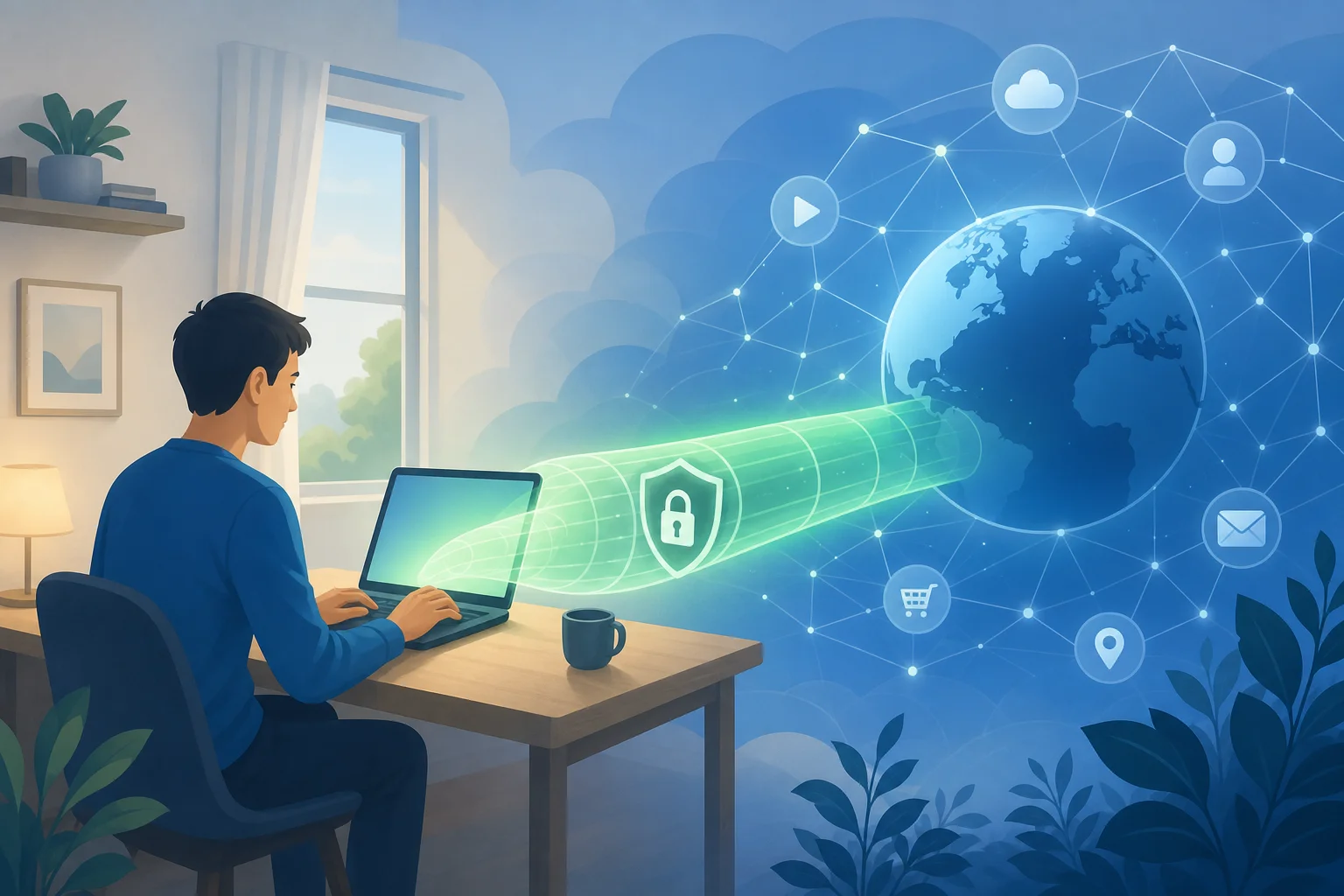
unlimited data VPN connection

Understanding Why VPNs Slow You Down

A VPN works by sending your internet traffic through a secure server before it reaches the websites or apps you use. This helps protect your activity on public Wi-Fi, reduce exposure to local network snooping, and add a layer of privacy. However, that extra route can affect speed.

Common reasons VPN speeds drop

Several factors can make a VPN connection feel slower:

  • Server distance: If your traffic travels to a server far away, latency can increase.
  • Server load: Too many users on the same server can reduce performance.
  • Bandwidth limits: Some free VPNs restrict speed to encourage paid upgrades.
  • Encryption overhead: Strong encryption protects data, but it requires processing.
  • Network quality: Your own Wi-Fi, mobile signal, or internet provider can still be the bottleneck.

In many free VPN apps, the biggest problem is not encryption itself. It is overcrowding and artificial limits. Free plans often have fewer server options, strict data caps, or reduced bandwidth. As a result, users feel like privacy and speed cannot exist together.

Security still matters

It is tempting to turn off a VPN when it slows you down. Yet security remains important, especially on shared networks in hotels, airports, cafés, schools, or coworking spaces. Encryption can help make your traffic harder to inspect on local networks. It does not make you invisible, and it cannot fix every online risk, but it is a useful privacy layer.

The practical goal is balance. A good no-payment VPN should be simple, transparent, and fast enough for routine browsing, streaming, messaging, and downloads. It should avoid forcing you to trade basic usability for protection.

Introducing the Solution: A VPN Without Payment and with Unlimited Data

The solution starts with choosing a VPN that clearly offers unlimited data without asking you to pay first. For many users, BeFreeVPN is designed around that simple idea: access the internet securely without subscriptions, registration barriers, or hidden usage limits.

Before you install any VPN, check what it offers and how it handles access. The table below can help you compare the features that matter most.

What to checkWhy it mattersWhat to look for
Unlimited dataPrevents sudden cutoffs during work or streamingNo daily or monthly traffic cap
No payment requiredKeeps access simple and freeNo card required to start
No registrationReduces friction and personal data sharingConnect without creating an account
Server performanceAffects speed and stabilityFast connection and reliable servers
Clear app experienceSaves time for all usersSimple install and one-tap connection

Step 1: Select a VPN with unlimited data and no payment

Look for a service that states its limits clearly. If you want a VPN without payment and unlimited bandwidth, avoid apps that advertise “free” but require a credit card, trial cancellation, or a tiny daily allowance.

BeFreeVPN is a strong fit for users who want straightforward access: no payments, no registrations, and unlimited data. That makes it easier to keep protection on without constantly checking whether you have reached a limit.

Step 2: Download and install the application

Next, download the app from the official source for your device. Installation should be quick and should not require hidden fees. Be cautious with unofficial downloads, copied apps, or browser pop-ups that mimic VPN brands. Using the official app helps reduce the risk of installing unwanted software.

After installation, open the app and review the available connection options. A clean VPN experience should not overwhelm you with confusing settings. For most people, the best setup is the one they can use consistently.

Step 3: Connect to secure servers in a few seconds

Once the app is ready, connect to a server. If you have a choice, a nearby server often gives better speed because your traffic has a shorter route. After connecting, use the internet as you normally would: browse, stream, download, message, or work.

If performance changes, try reconnecting or switching servers if the option is available. Sometimes a different route is less busy and more stable. Also check your base internet speed, because even the best VPN cannot make a weak connection faster than the network allows.

free VPN without payment setup

The Results: Reaping the Benefits of High-Speed Internet

When a VPN is not limited by small data allowances, your online routine becomes simpler. You can leave it on while browsing, use it during longer sessions, and avoid the sudden interruption of a cap. This is especially useful for people who stream videos, download large files, attend online classes, or work remotely.

A high-performance no-payment VPN can support smoother everyday use in several ways:

  • Streaming feels more consistent because you are not stopping to manage data limits.
  • Downloads are less stressful because you do not have to save your allowance for later.
  • Video calls are easier to manage when the VPN connection is stable and nearby servers are available.
  • Public Wi-Fi feels safer because your traffic gains an added privacy layer.
  • Personal time stays personal because you spend less time fixing connection problems.

Of course, any VPN can be affected by server demand, device performance, and the quality of your internet connection. Still, the absence of data caps removes one of the most common pain points. Instead of treating secure browsing as something you use only in emergencies, you can make it part of your normal online habits.

FAQ: Free VPNs, Unlimited Data, and Safe Browsing

Can I really use a VPN without payment with unlimited data?

Yes, some VPN services offer no-payment access with unlimited data. Always check the terms before installing. Look for clear language about no data caps, no registration requirements, and no credit card needed.

Are free unlimited VPNs always slow?

Not always. Many free VPNs are slow because of overloaded servers or intentional speed limits. A better experience depends on server quality, distance, current demand, and whether the provider restricts bandwidth.

Is a no-registration VPN better for privacy?

It can reduce the amount of personal information you share at signup. However, privacy also depends on the provider’s practices, app security, and how you use the internet. No VPN can guarantee complete anonymity.

Will a VPN improve my internet speed?

Usually, a VPN does not increase your base internet speed. In some cases it may help with routing or network restrictions, but it can also add overhead. The main benefit is secure, private access with fewer limits when using an unlimited-data option.

What should I avoid when choosing a free VPN?

Avoid unclear pricing, forced trials, unknown download sources, excessive permissions, and apps that do not explain their data limits. Choose a VPN that is simple, transparent, and easy to turn on when you need it.

Browse Freely Without Data Anxiety

A VPN should make online life easier, not add another barrier. If data caps and slow connections have made you hesitate, the right approach is to choose a service built for simple access, unlimited usage, and practical performance. Experience the freedom of unlimited data and high-performance browsing with BeFreeVPN — no payments or registrations, just fast, secure access to the internet.

How to set up a VPN without payment for your computer

· 12 min read

Looking to secure your computer without spending a dime? Discover how to set up a VPN without any payment or registration quickly. If you need a vpn without payment for computer use, this guide walks you through what to look for, how to install it, how to connect safely, and how to fix common issues. You do not need to be technical. With the right free VPN, you can add privacy to everyday browsing, reduce exposure on public Wi-Fi, and access the web with fewer location-based limits.

A VPN, or virtual private network, creates an encrypted connection between your computer and a remote VPN server. This helps hide your IP address from websites and makes it harder for others on the same network to see your browsing activity. However, not every free VPN is equal. Some require accounts, limit data, slow down your connection, or push upgrades too aggressively. The goal is to choose a simple, trustworthy option that works with your computer and does not ask for payment details.

free vpn for computer privacy

Step 1: Understand Why You Need a VPN

Before installing anything, it helps to know what a VPN can and cannot do. A free VPN for PC or Mac is useful for common privacy and access needs, but it is not magic. It improves your connection privacy, yet it does not replace safe passwords, antivirus software, browser updates, or good judgment online.

Benefits of using a VPN on your computer

A VPN can help you in several practical ways:

  • Hide your public IP address: Websites see the VPN server’s IP address instead of your regular one.
  • Protect browsing on public Wi-Fi: VPN encryption helps reduce risk when using hotel, airport, library, or café networks.
  • Improve privacy from local network observers: People on the same Wi-Fi cannot easily inspect your traffic.
  • Access region-based content: A VPN may help you view websites or services that show different content by location.
  • Reduce basic tracking by location: Since your IP location changes, some location-based profiling becomes less direct.

Privacy and security enhancements

When your VPN is connected, your internet traffic travels through an encrypted tunnel. This is especially helpful on shared networks. For example, if you open your laptop in a coffee shop, other users on that Wi-Fi should not be able to read your traffic in the same easy way they might on an unprotected connection.

That said, encryption is only one part of security. You should still use HTTPS websites, update your operating system, avoid suspicious downloads, and use strong, unique passwords. A VPN helps protect the path your data takes, but it cannot make unsafe websites safe.

How VPNs bypass geo-restrictions

Many websites use your IP address to estimate your location. A VPN lets you connect through a server in another region, which can make it look as if you are browsing from that server’s location. This may help with websites, news pages, or online services that vary by region.

However, access depends on each service’s terms and detection systems. Some streaming platforms block VPN traffic. Always follow local laws and the rules of the services you use.

Step 2: Before You Start - Choose the Right Free VPN

The most important step is choosing the right VPN. A “free VPN” can mean many things. Some are genuinely free with limits. Others are free trials that ask for payment details. Some require registration before you can connect. If your goal is zero friction, look for a VPN without payment or registration requirements.

Key features to look for in a free VPN

Use this quick comparison table before downloading any VPN software:

FeatureWhy it mattersWhat to look for
No payment requiredAvoids surprise charges or trial renewalsNo credit card request during setup
No registrationSaves time and protects personal detailsConnect without creating an account
Desktop supportEnsures it works on your computerWindows, macOS, or your operating system
Simple connect buttonMakes daily use easierOne-click connection interface
Clear server optionsHelps with speed and location needsMultiple server locations if available
Reasonable speedKeeps browsing usableStable performance for web, email, and basic video
Transparent policiesHelps you judge trustClear privacy and usage information

Avoid hidden traps like data limits and slow speeds

Free VPN services often have limits. This is not always bad, but you should know the limits before relying on the app. Common restrictions include:

  1. Monthly or daily data caps: Some free VPNs stop working after you use a set amount of data.
  2. Limited server locations: Fewer servers can mean slower speeds or fewer region choices.
  3. Reduced speeds: Free users may get lower priority than paid users.
  4. Account creation requirements: Some services collect your email before allowing access.
  5. Upgrade prompts: Too many pop-ups can make the app annoying to use.

If you only need secure browsing, email, and occasional public Wi-Fi protection, a free VPN may be enough. If you need heavy downloads, gaming, or high-definition streaming every day, free options may feel restrictive.

Choose a no-registration option like BeFreeVPN

For users who want a VPN without payment for computer browsing, a no-registration VPN can be the simplest path. BeFreeVPN is an example of a free VPN option designed around easy access with no registration required. That means you can install the app and connect without entering payment details or creating an account.

Before you install any VPN, confirm that you are on the official website. Avoid third-party download pages when possible, because they may bundle unwanted software or outdated installers.

Step 3: Download and Install the VPN Software

Once you have chosen your VPN, download the correct version for your computer. The installation process is usually simple, but take your time and read each prompt.

Step-by-step installation guide

Follow these steps to install a free VPN on your computer:

  1. Visit the official VPN website. Open your browser and go directly to the provider’s official site. For example, if you choose BeFreeVPN, use its official website rather than a random download portal.
  2. Find the download page. Look for a button or menu item such as “Download,” “Apps,” or “Get VPN.”
  3. Select your operating system. Choose the version for Windows, macOS, or another supported desktop system.
  4. Download the installer. Save the file somewhere easy to find, such as your Downloads folder.
  5. Open the installer. Double-click the downloaded file. If your computer asks for permission, confirm only if the publisher and file look correct.
  6. Follow the setup prompts. Accept the required permissions and choose installation options. Avoid optional extras if they are not needed.
  7. Launch the VPN app. After installation, open the app from your desktop, Start menu, Applications folder, or launcher.
  8. Check for updates. If the app offers an update, install it before connecting. Updates often improve stability and security.

vpn installation on computer

Installation tips for Windows and macOS

On Windows, you may see a User Account Control prompt asking whether the app can make changes to your device. This is normal for VPN software because it needs to create a network connection. Only approve it if you downloaded the file from the official source.

On macOS, you may need to allow network extensions or VPN configurations in System Settings. If prompted, review the message and approve the VPN profile. This lets the app route traffic through the secure VPN tunnel.

Step 4: Connect and Configure Your VPN

After installation, you are ready to connect. Most modern VPN apps are built for one-click use, so you should not need advanced settings to get started.

Open the app and use the connect button

Launch the VPN application and look for a main button labeled “Connect,” “Start,” or a power icon. Click it and wait a few seconds. The app should show a status such as “Connected” when the secure tunnel is active.

To confirm that it works, you can search “what is my IP” in your browser before and after connecting. If the VPN is active, the displayed IP address or location should change.

Choose a server for your browsing needs

If the app lets you choose a server, pick one based on what you need:

  • For speed: Choose the nearest available server.
  • For privacy on public Wi-Fi: Any stable server is usually fine.
  • For region access: Choose a server in the country or region you need.
  • For general browsing: Use the recommended or automatic option if available.

A closer server often gives better speed because your data travels a shorter distance. If one server feels slow, disconnect and try another.

Configure settings to improve performance

Free VPN apps may offer basic settings. If available, consider these options:

  • Auto-connect on unsafe Wi-Fi: Helpful if you often use public networks.
  • Launch on startup: Useful if you want protection as soon as your computer starts.
  • VPN protocol selection: If one protocol is slow or blocked, try another option if the app supports it.
  • Kill switch: This can block traffic if the VPN drops, helping prevent accidental exposure.

Do not change advanced settings unless you understand them. In most cases, the default settings are best for everyday browsing.

Step 5: Troubleshooting Common Connection Issues

Even a good free VPN can run into problems. Most issues are easy to fix with a few simple checks.

How to fix slow VPN speeds

If your connection feels slow, try these steps in order:

  1. Switch to a nearby server. Distance can affect speed.
  2. Disconnect and reconnect. This may assign a better route.
  3. Close heavy apps. Cloud backups, downloads, and video streams can use bandwidth.
  4. Restart your router. A fresh connection can improve performance.
  5. Try a different protocol. If the app offers protocol settings, test another one.
  6. Check your base internet speed. Disconnect the VPN and test your normal connection. If your internet is slow without the VPN, the VPN is not the main cause.

Free VPNs may be slower during busy hours. If speed matters, connect at a different time or try another server.

Common error messages and quick fixes

Here are typical VPN problems and what to do:

  • “Connection failed”: Restart the app, switch servers, or check your internet connection.
  • “Authentication error”: If the VPN requires no registration, reinstall the app or update it. If it uses accounts, check your login details.
  • “Network adapter error”: Restart your computer. On Windows, you may also need to reinstall the VPN adapter through the app installer.
  • “Server unavailable”: Choose another server and try again later.
  • Websites still show your real location: Clear browser location permissions, disable GPS-based location in the browser, or try another server.

When to contact support

Contact support if the VPN will not install, never connects, or repeatedly disconnects after basic troubleshooting. Include useful details such as your operating system, app version, error message, and the steps you already tried. This helps support solve the issue faster.

FAQ: VPN Without Payment for Computer

Can I use a VPN without paying on my computer?

Yes. Many providers offer free VPN apps for computers. Choose one that clearly says no payment is required, and avoid services that ask for credit card details just to start.

Do I need to register to use a free VPN?

Not always. Some free VPNs require an account, but others are no-registration options. If you want the fastest setup, look for a VPN that lets you connect without creating a profile.

Is a free VPN safe for everyday browsing?

A free VPN can be safe if it comes from a trustworthy provider, uses secure connections, and has clear policies. Avoid unknown apps, unofficial downloads, and services that make unrealistic promises.

Will a VPN make my computer faster?

Usually, no. A VPN may slightly reduce speed because traffic travels through an extra server. However, a stable nearby server can still feel fast enough for browsing, email, and basic streaming.

Should I keep my VPN on all the time?

You can keep it on for privacy, especially on public Wi-Fi. If a website or app does not work correctly, try switching servers or temporarily disconnecting.

Final Thoughts

Setting up a VPN without payment is straightforward when you choose carefully. Start by understanding your privacy needs, pick a free VPN with no hidden payment step, download only from the official site, connect to a suitable server, and use simple troubleshooting if something goes wrong. For a smoother experience, choose a service that avoids unnecessary sign-ups and keeps the connection process simple.

Start browsing securely without any hidden costs using BeFreeVPN. Enjoy hassle-free protection with no registration required.

The ultimate guide to using a VPN for free with unlimited data

· 15 min read

Why pay for a VPN when you can enjoy unlimited data for free? Learn how to secure your online presence without spending a dime using BeFreeVPN. If you are searching for a vpn for free with unlimited data, this guide explains what that means, how free unlimited VPN access works, when it is useful, and how to set it up safely across your devices.

A VPN can help protect your connection on public Wi-Fi, reduce exposure to tracking by networks, and make it easier to access the open internet while traveling. However, not every free VPN is equal. Many free services limit speed, bandwidth, server access, or session length. BeFreeVPN stands out because it is designed to offer free VPN access without data caps and without requiring registration.

1. Introduction to Free VPNs with Unlimited Data

This guide is organized like a practical table of contents. We will start with VPN basics, move into whether unlimited free VPN access is realistic, compare the benefits, explain how BeFreeVPN supports free usage, walk through setup, and finish with advanced privacy tips and key takeaways.

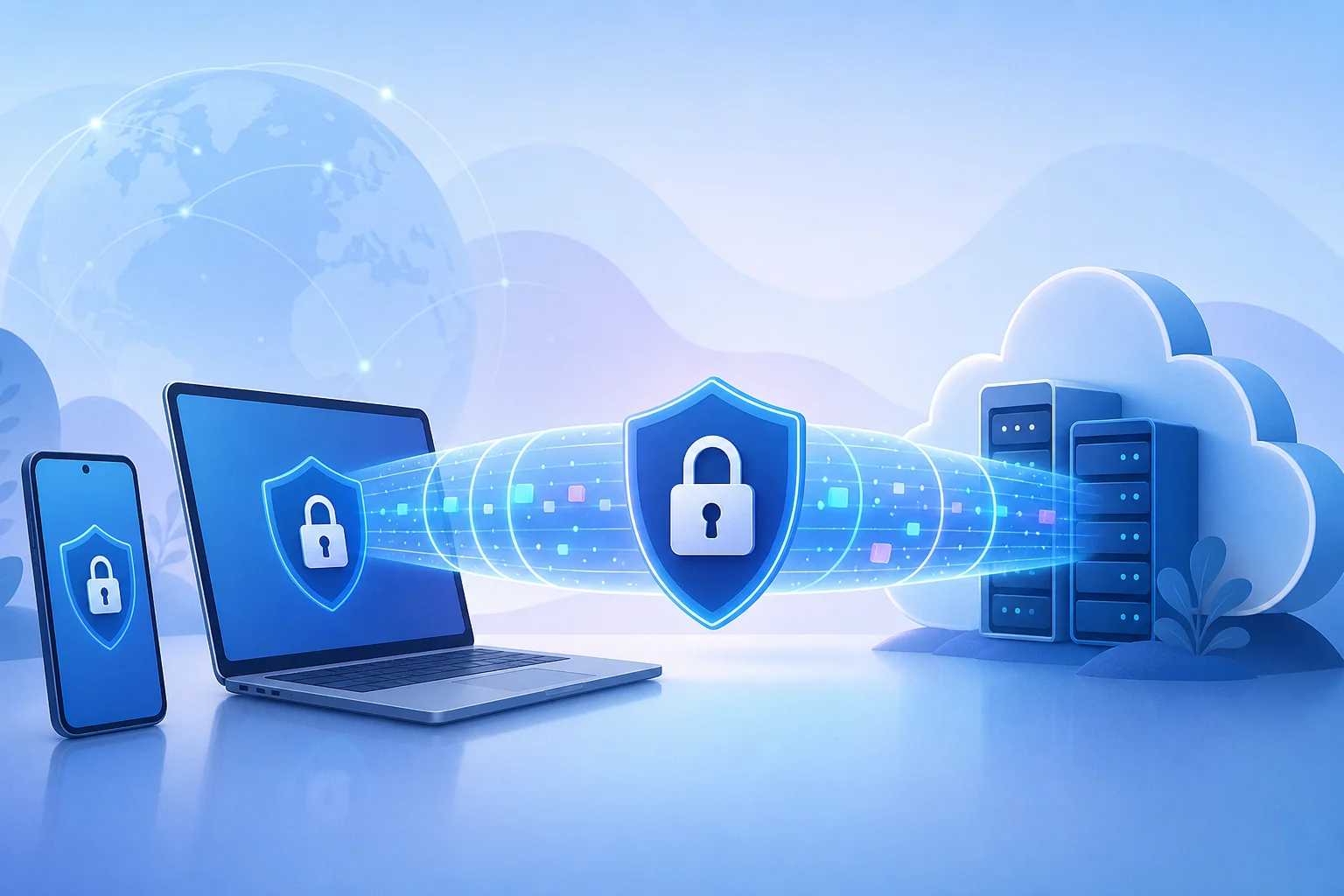
In simple terms, a virtual private network, or VPN, creates an encrypted tunnel between your device and a VPN server. Instead of your traffic going directly from your device to a website or app, it first passes through that secure tunnel. This can help hide your real IP address from the sites you visit and reduce what local networks, such as hotel, airport, café, school, or office Wi-Fi, can see about your browsing activity.

“Unlimited data” means the VPN does not impose a fixed monthly data allowance, such as 500 MB, 2 GB, or 10 GB. With a capped free VPN, you may run out of data after streaming a few videos, downloading updates, joining video calls, or gaming online. With a free VPN with unlimited data, you can keep the VPN connected without constantly checking a usage meter.

BeFreeVPN is built around this exact need: a free VPN service without data caps. It is especially useful for people who want basic VPN protection without subscriptions, long sign-up forms, or trial periods that later turn into paid plans.

free vpn with unlimited data on devices

Still, it is important to use any VPN with realistic expectations. A VPN improves privacy, but it does not make you completely invisible online. Websites can still use cookies, browser fingerprinting, account logins, and other tracking methods. For best results, combine a VPN with good browser habits, strong passwords, and careful app permissions.

2. Quick Answer: Is a Free VPN with Unlimited Data Possible?

Yes, it is possible to use a VPN for free with unlimited data. BeFreeVPN is an example of a service that focuses on free access without a traditional bandwidth cap, making it a practical choice for users who do not want to pay for basic VPN protection.

The main features that make this appealing include:

  • Unlimited data: No fixed monthly bandwidth allowance for normal use.
  • Free access: No subscription is required to start using the VPN.
  • No registration: You can connect without creating an account.
  • Simple setup: The service is designed for people who want a quick, beginner-friendly VPN.
  • Privacy support: A VPN tunnel can reduce exposure on unsecured or shared networks.

Common myths about free unlimited VPNs

There are many assumptions about free VPNs. Some are fair warnings, while others are too broad.

MythReality
“Every free VPN has a tiny data limit.”Many free VPNs do, but some services, including BeFreeVPN, are designed around unlimited data.
“A free VPN is never useful.”A free VPN can be useful for everyday privacy, public Wi-Fi protection, and basic location masking.
“Unlimited data always means poor performance.”Performance depends on server load, distance, network quality, and app design. Unlimited data does not automatically mean unusable speeds.
“A VPN makes you fully anonymous.”A VPN helps hide your IP address from websites, but it cannot remove all tracking methods.
“You must pay to get any security benefit.”Paid VPNs can offer extra features, but a free VPN can still provide meaningful protection compared with using no VPN at all.

The key is to choose a service with clear terms, easy controls, and a privacy-conscious approach. You should also avoid unknown VPN apps that ask for unnecessary permissions, make unrealistic claims, or provide no information about how they operate.

3. Why Choose a Free VPN with Unlimited Data?

A free unlimited VPN is attractive because it removes the two biggest barriers to VPN use: cost and restrictions. When a VPN is expensive or heavily capped, people often leave it disconnected. That defeats the purpose. A VPN is most helpful when you can keep it on during everyday browsing, travel, streaming, work, and study.

Save money without giving up basic VPN protection

Paid VPN subscriptions can be worthwhile for advanced users who need specialty servers, dedicated IPs, multi-hop routing, or business-grade features. However, many people only need a simple tool that protects traffic on public Wi-Fi and masks their IP address during normal browsing.

For those users, BeFreeVPN makes a strong case against paying for a VPN. If your priority is free access, unlimited data, and easy connection without registration, a paid plan may not be necessary.

Unlimited data matters for real-world use

Data caps can be frustrating because modern internet use is bandwidth-heavy. Unlimited VPN data is valuable for:

  • Streaming: Video can consume data quickly, especially in HD.
  • Online gaming: Multiplayer sessions may not use as much data as video, but they require long, stable connections.
  • Downloads and updates: App updates, operating system patches, and cloud files can exceed small limits.
  • Video calls: Remote work, online classes, and family calls need steady connectivity.
  • Travel: Hotel and airport Wi-Fi are often shared networks where VPN protection is useful.

With a free VPN with unlimited bandwidth, you are less likely to disconnect the VPN just to conserve data.

Security and privacy benefits

A VPN can support safer browsing by encrypting traffic between your device and the VPN server. This is especially helpful on networks you do not control. For example, if you join public Wi-Fi at a café, a VPN can make it harder for others on that network to inspect your traffic.

A VPN may also help reduce IP-based tracking. Websites and apps often see the VPN server’s IP address instead of your real one. This does not eliminate all tracking, but it adds a useful privacy layer.

4. How BeFreeVPN Provides Unlimited Data for Free

Free VPN services need a sustainable way to operate. Servers, bandwidth, app development, and maintenance all cost money. BeFreeVPN’s appeal is that it gives users access to unlimited VPN data at no cost while keeping the experience simple and registration-free.

Because VPN services may update their infrastructure, policies, and funding models over time, users should always review the current terms and privacy information inside the official app or website. In general, a free VPN can support broad access through a mix of efficient infrastructure, streamlined app design, optional monetization methods, and careful traffic management that avoids hard data caps.

A lightweight model for free usage

BeFreeVPN focuses on removing friction. You do not need to create an account before connecting, and you do not need to manage a subscription just to use the core VPN function. This makes the service more accessible for people who want quick protection without sharing personal details during sign-up.

A simpler model can also reduce overhead. When a VPN does not require complex account systems for every user, onboarding becomes faster and easier.

Technical infrastructure and performance

Unlimited data does not mean every connection will always be the fastest possible. VPN performance depends on factors such as:

  • Your base internet speed.
  • Distance to the VPN server.
  • Network congestion.
  • Device processing power.
  • Time of day and server demand.
  • Wi-Fi signal strength.

BeFreeVPN’s unlimited-data approach is useful because it removes the anxiety of hitting a bandwidth ceiling. However, for best performance, you should still choose the nearest suitable location when options are available, avoid unstable Wi-Fi, and keep the VPN app updated.

unlimited data vpn infrastructure

Security measures that help protect users

A secure VPN should use encryption to protect traffic in transit. It should also avoid asking for permissions it does not need. When using BeFreeVPN or any other VPN, check the app permissions and privacy details. A trustworthy VPN experience should be easy to understand and should not require access to unrelated data such as contacts, photos, or messages.

To strengthen your security further:

  • Keep your operating system updated.
  • Use HTTPS websites whenever possible.
  • Enable two-factor authentication on important accounts.
  • Avoid downloading files from untrusted sources.
  • Log out of sensitive accounts on shared devices.

A VPN is one layer of protection, not the whole security plan.

5. Setting Up Your Free VPN with Unlimited Data

Setting up BeFreeVPN is designed to be simple. The exact screens may vary by device, but the general process is similar.

Step-by-step setup for beginners

  1. Download BeFreeVPN from an official source.
    Use the official website or trusted app store for your device. Avoid copycat apps or third-party download sites.

  2. Install the app.
    Follow the standard installation prompts. On mobile, this usually takes less than a minute. On desktop, you may need to approve the installer.

  3. Open BeFreeVPN.
    Launch the app after installation. If the app offers a quick-start button, use it to connect automatically.

  4. Allow VPN configuration.
    Your device may ask permission to add a VPN profile. This is normal. Approve it only if you downloaded the real BeFreeVPN app from an official source.

  5. Connect to the VPN.
    Tap or click the connect button. Wait for the app to show a connected status.

  6. Check your connection.
    Open a browser and visit a website. If pages load normally and the VPN status remains active, your setup is complete.

  7. Keep it on during risky connections.
    Use the VPN especially on public Wi-Fi, shared networks, while traveling, or whenever you want extra privacy.

Setup tips by device type

DeviceSetup tip
AndroidInstall from a trusted app store, approve the VPN profile, and disable battery settings that force-close the app.
iPhone or iPadAllow the VPN configuration when prompted and check the VPN icon or status in settings.
WindowsRun the installer from the official source and allow any required network adapter setup.
macOSApprove system permissions if requested and check privacy settings if the app cannot connect.
Browser-based useIf using a VPN-related browser tool, remember it may protect only browser traffic, not all apps.

Troubleshooting common issues

Why will my free VPN not connect?

First, check your internet connection without the VPN. If your Wi-Fi or mobile data is not working, the VPN cannot connect. Next, restart the app, switch networks, or reboot your device. If the issue continues, update the app and try again.

Why is my VPN connection slow?

VPNs add encryption and routing, so some speed change is normal. To improve performance, move closer to your Wi-Fi router, close bandwidth-heavy apps, try another network, or choose a nearby VPN location if available.

Why does a website still know my location?

A VPN changes your visible IP address, but websites may also use GPS, browser permissions, account settings, cookies, or payment details. Turn off unnecessary location permissions and clear site data if needed.

Do I need to register to use BeFreeVPN?

BeFreeVPN is designed to offer free VPN access without registration. This makes it easier to start quickly and reduces the amount of personal information needed to use the service.

6. Advanced Tips for Maximizing Free VPN Use

Once your VPN is installed, a few habits can make the experience faster, safer, and more reliable.

Optimize your network settings

Start with your own connection. A VPN cannot fully fix weak Wi-Fi or an overloaded network. If your connection is unstable, try these steps:

  • Use a strong Wi-Fi signal or switch to mobile data.
  • Restart your router if home internet feels slow.
  • Close cloud backups, large downloads, or streaming apps when gaming.
  • Keep the BeFreeVPN app updated.
  • Restart the VPN connection if speeds drop suddenly.
  • Use modern browsers and keep them updated.

If the app offers multiple connection options, choose the one closest to your real location for speed. Choose a different region only when you need access to content or services that depend on location.

Use BeFreeVPN to access global content responsibly

Many people use a VPN to access websites, apps, and services while traveling. A VPN can help maintain a more consistent browsing experience when networks block certain sites or when content availability changes by region.

However, always follow the laws in your location and the terms of the services you use. A VPN is a privacy and access tool, not permission to break rules or bypass legal restrictions.

vpn privacy for global content

Improve anonymity and privacy online

A VPN is most effective when combined with other privacy practices. For better protection:

  • Use private browsing when you do not want local history stored.
  • Block third-party cookies where possible.
  • Review app permissions regularly.
  • Avoid logging into personal accounts when you want separation.
  • Use unique passwords with a password manager.
  • Enable two-factor authentication.
  • Be careful with browser extensions, as they can track activity.
  • Do not share sensitive information on unsecured websites.

Also remember that logging into an account identifies you to that service. For example, if you sign in to your email or social media account, the platform knows it is you even if your IP address is masked by a VPN.

FAQ: Common questions about a VPN for free with unlimited data

Is a free VPN with unlimited data safe?

It can be safe if you choose a reputable service, download it from an official source, and review its permissions and privacy information. BeFreeVPN is designed for simple free VPN use without data caps, but you should still follow basic security habits.

Can I stream with a free unlimited VPN?

Yes, unlimited data is useful for streaming because video can use a lot of bandwidth. Actual streaming quality depends on your internet speed, server load, and the streaming service’s own policies.

Does a VPN hide all my activity?

No. A VPN helps protect traffic between your device and the VPN server and can mask your IP address. It does not erase cookies, account logins, device fingerprinting, or information you voluntarily share.

Is a paid VPN always better than a free VPN?

Not always. Paid VPNs may offer more advanced features, but many users only need free unlimited data, simple setup, and basic privacy protection. For that use case, BeFreeVPN can be enough.

Can I use BeFreeVPN on public Wi-Fi?

Yes. Public Wi-Fi is one of the most practical reasons to use a VPN. Connecting through BeFreeVPN can add a layer of protection when using shared networks in cafés, hotels, airports, libraries, or campuses.

7. Key Takeaways

Using a VPN for free with unlimited data is possible, and it can be practical for everyday users. BeFreeVPN is built around that idea: free VPN access, no data caps, and no registration barrier.

The biggest benefit is cost. You can protect your connection without adding another monthly subscription. That matters if you only need a straightforward VPN for public Wi-Fi, travel, casual streaming, gaming, browsing, and general privacy.

The unlimited data feature is equally important. Small free VPN data caps often force users to disconnect. With BeFreeVPN, you can keep your VPN active for longer sessions without worrying about a monthly allowance running out.

Security is another major reason to use a VPN. While no VPN makes you completely anonymous, a VPN can encrypt your connection, mask your IP address, and reduce exposure on networks you do not trust. Combined with strong passwords, updated devices, and careful browsing habits, it becomes a useful part of your online safety routine.

For many people, a paid VPN is not necessary. If your goal is simple, free, unlimited VPN access, BeFreeVPN provides a strong option without the friction of subscriptions or registration. Experience seamless connectivity and online security today with BeFreeVPN—use it for free and enjoy unlimited data without the need for registration.

How Alex streamed the world with a VPN for free without registration

· 10 min read

Ever wondered how you could access all streaming content worldwide without spending a dime or signing up? Meet Alex, who did just that. In this case study, we follow how a remote worker used a vpn for free without registration to reduce travel-related streaming blocks, keep setup simple, and explore more regional content with BeFreeVPN. The focus is practical: what Alex needed, what changed, and what other streaming fans should consider before trying the same approach.

This is not a promise that every platform, country, or title will work every time. Streaming services change licensing rules and VPN detection methods often. However, Alex’s experience shows why a no-registration free VPN can be useful when convenience, privacy, and fast setup matter.

1. Meet Alex: The Global Content Enthusiast

Alex is a remote worker who spends several months a year moving between countries. One month might be spent in Spain, the next in Thailand, and later in Canada. Work stays the same: video calls, project dashboards, and late-night deadlines. Entertainment, however, changes constantly.

After work, Alex likes watching movies, documentaries, live sports, and local shows from different regions. Streaming is part of the travel routine. It is also a way to stay connected with home. A familiar comedy series or weekend match can make a rented apartment feel less temporary.

The problem started when Alex noticed that the same streaming account looked different from country to country. A show available at home disappeared abroad. A sports replay worked in one region but not another. Even trailers and catch-up episodes could be blocked by location.

Alex did not want a complicated fix. Paid VPN plans looked useful, but many required creating an account, choosing a subscription, adding payment details, and managing renewals. Free trials often asked for a card upfront. Browser extensions looked easy, but some required registration before connecting.

So Alex’s ideal solution was clear:

  • It had to be free to start.
  • It had to work without registration.
  • It had to be simple enough to use while traveling.
  • It had to support everyday streaming, browsing, and basic privacy.
  • It had to avoid a long technical setup.

In short, Alex needed a free VPN without sign-up friction.

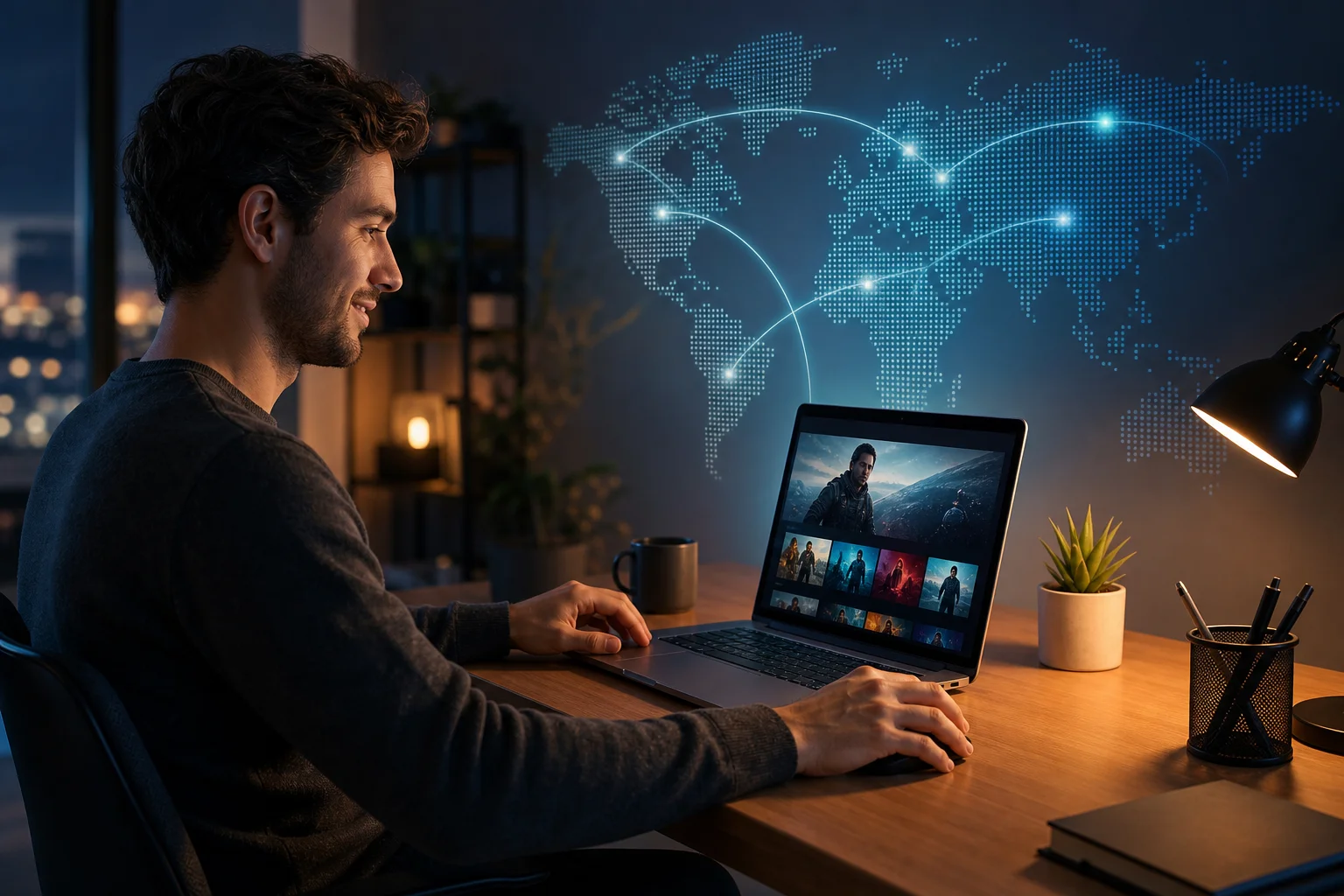
free VPN streaming traveler

2. The Challenge: Locked Doors to Global Streaming

Geo-restrictions are common in streaming. They usually happen because content rights are licensed by country or region. A platform may own rights to stream a show in the United States, but not in Germany. Another service may show live sports in the UK, while the same event is blocked elsewhere.

For a frequent traveler like Alex, this creates a confusing experience. The device, account, and subscription may be the same, but the available library changes when the IP address changes. Streaming platforms use that IP address as one signal to estimate location.

What made the problem harder for Alex

Alex’s situation had several layers:

NeedWhy it matteredWhat made it difficult
Access to familiar showsHelped Alex relax after workLibraries changed by country
Live sports availabilityEvents were time-sensitiveSome streams were region-limited
Quick setupAlex often used hotel or short-term rental Wi-FiRegistration and verification slowed things down
Privacy while travelingPublic and shared networks were commonFree tools were not always trustworthy
Predictable performanceStreaming needs stable speedSome VPNs caused buffering or failed to connect

The biggest issue was not only access. It was the repeated inconvenience. Every trip created a new location problem. Every new network raised another privacy concern. Alex wanted less friction, not another service to manage.

That is why a free VPN with no registration stood out. It removed two common barriers: cost and sign-up. For Alex, that meant testing a connection quickly before investing time or money.

It is also worth noting that VPNs should be used responsibly. Streaming platforms may have terms that restrict location changes or VPN use. Local laws can also vary. Alex’s goal was to access legitimate accounts and reduce travel friction, not to pirate content or bypass payment.

3. The Solution: Unlocking Content with BeFreeVPN

Alex found BeFreeVPN while reading travel and remote-work forums. The comments were not full of technical language. Instead, users talked about simple needs: connect while abroad, avoid registration, and test streaming access without committing to a plan.

That matched Alex’s priorities. BeFreeVPN offered the kind of low-friction experience Alex wanted: download, open, connect. No long profile. No email confirmation. No payment step before testing.

Why no registration mattered

For Alex, “no registration” was not just about speed. It also meant fewer personal details shared with another service. When traveling, Alex already had to manage airline accounts, hotel portals, coworking apps, and streaming subscriptions. Avoiding yet another login reduced digital clutter.

A no-registration VPN can be especially appealing to people who:

  • Need a quick connection while traveling.
  • Do not want to share an email address for basic use.
  • Prefer fewer accounts and passwords.
  • Want to test whether a VPN fits their streaming routine.
  • Value privacy and simplicity over advanced configuration.

Alex’s step-by-step setup process

Here is the simple flow Alex followed:

  1. Downloaded BeFreeVPN from the official source for the device in use.
  2. Opened the app without creating an account.
  3. Selected a server location that matched the content region Alex wanted to test.
  4. Connected to the VPN and waited for the status to show an active connection.
  5. Opened the streaming service and checked whether the desired title or event appeared.
  6. Tested playback quality for a few minutes before settling in to watch.
  7. Changed servers when needed if a stream did not load or if speeds felt slower.

This process helped Alex treat BeFreeVPN like a travel tool. It was not a complicated networking project. It was closer to switching Wi-Fi networks: choose, connect, test, and continue.

The user experience in plain English

Alex cared less about protocols and more about outcomes. Could the VPN connect quickly? Could it stay connected during an episode? Could it help access a regional library while abroad? Could Alex use it without explaining personal details or card information?

In Alex’s experience, the answer was mostly yes. Some services still detected VPN traffic, which can happen with any provider. But the overall process was simple enough that Alex kept using BeFreeVPN as a first option when streaming access changed during travel.

BeFreeVPN no registration setup

4. Results: Open Access to the World

After using BeFreeVPN during several trips, Alex noticed a major improvement in day-to-day streaming flexibility. Instead of accepting that a favorite show had vanished from the library, Alex could try connecting through another region and check again.

The most memorable success came while Alex was staying in Portugal and wanted to watch a UK-exclusive series discussed by friends online. After connecting through a suitable location, Alex was able to view the catalog and stream the episodes available through the service. That made the experience feel less restricted by travel.

Another useful moment involved sports. Alex followed a match that had different availability depending on location. With BeFreeVPN, Alex could test access through a region where the event was offered by a legitimate streaming provider. This did not replace a subscription. It helped Alex use access already available through the correct service and region.

What improved for Alex

Several practical benefits stood out:

  • Less frustration: Alex no longer assumed a missing title was impossible to watch while abroad.
  • Faster setup: No registration meant less time spent creating accounts.
  • More control: Server choice gave Alex a way to test different regional libraries.
  • Better travel privacy: VPN use added a layer of protection on shared networks.
  • Steady enough performance: Alex was surprised that many sessions were reliable for normal streaming.

Connection speeds varied, as they do with any VPN. Hotel Wi-Fi, server load, device performance, and distance to the chosen server all affected quality. Still, Alex found the experience consistent enough for regular viewing, especially after learning to switch locations when one server felt slow.

The key result was not perfection. It was freedom from constant dead ends. A free VPN without registration gave Alex a practical way to explore legal streaming options across regions without adding cost or account management.

5. Takeaways: A Game-Changer for Content Access

Alex’s case shows why a VPN for free without registration can be valuable for people who travel, stream, and want fewer barriers. It is not only about unblocking content. It is about making digital life easier when location keeps changing.

For intermediate users, the lesson is simple: you do not always need a complex setup to solve a common access problem. A user-friendly VPN can be enough for quick tests, travel browsing, and regional streaming checks.

What readers can learn from Alex’s experience

  • Start with simplicity. If you only need basic streaming access and privacy, a no-registration VPN may be enough.
  • Test before relying on it. Try playback before an important live event or movie night.
  • Use legitimate services. A VPN should not be used as a shortcut for piracy or unpaid access.
  • Respect platform rules. Streaming terms can vary, so read them if you are unsure.
  • Keep expectations realistic. Some services block VPN traffic, and performance can change.

BeFreeVPN worked well for Alex because it matched the problem. Alex did not need a dashboard full of advanced settings. The priority was quick access, no sign-up, and a smoother streaming routine while traveling.

FAQ: Using a Free VPN Without Registration for Streaming

Can I use a VPN for free without registration?

Yes. Some VPN services, including BeFreeVPN, allow users to connect without creating an account. This can be useful when you want a quick setup, fewer shared personal details, and no upfront payment.

Will a free VPN always unblock streaming services?

No. Streaming platforms may block VPN traffic, and access can change over time. A free VPN can help you test regional availability, but it cannot guarantee every show, sport, or service will work.

Is it safe to use a no-registration VPN?

It depends on the provider. Look for a service with a clear product, official downloads, and a privacy-focused approach. Avoid unknown apps that request unnecessary permissions or come from unofficial sources.

Does a VPN replace a streaming subscription?

No. A VPN changes your network route and visible location, but it does not replace paid access. You still need valid subscriptions or free legal streaming services to watch content responsibly.

Why did Alex choose BeFreeVPN?

Alex chose BeFreeVPN because it was free to try, did not require registration, and was simple to use while moving between countries. That combination matched Alex’s need for convenience and privacy.

Conclusion: A Simpler Path to Global Streaming

Alex’s story shows how the right tool can turn travel-related streaming frustration into a smoother routine. BeFreeVPN helped Alex test regional access, reduce sign-up friction, and enjoy more content while working abroad. It was practical, simple, and accessible.

Experience what Alex did—download BeFreeVPN to stream your favorite shows globally for free, without any registration hassle.

Why you need an online VPN for internet privacy

· 9 min read

Ever wondered how much of your personal data is exposed online? Discover how an online VPN for internet privacy can shield your digital footprint effortlessly. In this beginner-friendly guide, you’ll learn what a VPN is, why privacy matters, how VPN encryption helps protect your data, and which features to look for when choosing a simple VPN service.

The internet is useful, fast, and always available. However, every website visit, app login, and public Wi-Fi connection can reveal something about you. An online VPN helps reduce that exposure by creating a more private connection between your device and the websites or services you use.

online vpn for internet privacy

1. What is an Online VPN?

A VPN, short for Virtual Private Network, is a tool that helps protect your internet connection. When you connect to a VPN, your traffic is routed through a secure VPN server before it reaches the website, app, or online service you want to use.

In simple terms, instead of your device talking directly to the internet, it first talks to the VPN. The VPN then passes your request along. This can help hide your real IP address and make your browsing activity harder for others on the network to inspect.

The “virtual tunnel” concept

Think of a VPN as a private tunnel through the public internet. Without a VPN, your data may travel across networks in a more exposed way, especially on public Wi-Fi. With a VPN, your data is wrapped in encryption as it moves through this tunnel.

This tunnel does not make you invisible or immune to every online risk. However, it adds an important privacy layer. It can help protect sensitive activity such as checking email, logging in to accounts, or browsing while connected to a café, airport, or hotel network.

How to set up an online VPN in simple steps

You do not need to be technical to start using a VPN. Most beginner-friendly VPNs follow a process like this:

  1. Choose a VPN service that fits your needs, such as privacy, ease of use, and device support.
  2. Open the VPN website or app on your phone, tablet, or computer.
  3. Connect to a VPN server by pressing a connect button or choosing a location.
  4. Browse the internet as usual while the VPN runs in the background.
  5. Disconnect when needed, or keep it on for ongoing privacy protection.

The best setup is the one you will actually use. For beginners, a simple interface matters more than a long list of advanced settings.

2. Why is Online Privacy Important?

Online privacy matters because your internet activity can reveal more than you think. Websites, apps, advertisers, analytics tools, internet service providers, and public Wi-Fi operators may collect or observe different kinds of data.

This can include your approximate location, device type, browser details, search behavior, pages visited, and account activity. Some of this data is used for normal website functions. Some is used for advertising, tracking, fraud prevention, or analytics. The problem is that users often do not know what is being collected, how long it is stored, or who it is shared with.

Risks of unprotected internet surfing

Browsing without protection can create several privacy and security risks:

  • Public Wi-Fi snooping: On unsecured networks, attackers may try to monitor traffic or trick users into connecting to fake hotspots.
  • IP address exposure: Your IP address can reveal your approximate location and internet provider.
  • Tracking across websites: Advertisers and data brokers may use cookies, device fingerprints, and other signals to build profiles.
  • Account takeover risks: If you enter passwords on unsafe networks or fake pages, your accounts may be at risk.
  • Data misuse: Information collected for one purpose may later be shared, sold, breached, or used in ways you did not expect.

Real-life examples of data breaches

Data breaches are not rare edge cases. Large companies, healthcare providers, retailers, and social platforms have all experienced breaches where customer information was exposed. Consequences can include phishing attempts, identity theft, spam, financial fraud, and long-term loss of control over personal information.

For example, when email addresses and passwords are leaked, attackers may test those same login details on other sites. If someone reused a password, one breach can turn into several compromised accounts. When names, addresses, phone numbers, or payment-related data are exposed, victims may face scams that look more convincing because the attacker already knows personal details.

A VPN cannot prevent every data breach. Still, it can reduce certain exposure points, especially when you use public networks or want to limit how much your connection reveals.

3. How Does an Online VPN Protect Your Data?

An online VPN protects your data mainly through two privacy benefits: encryption and IP address masking.

Encryption turns readable data into scrambled information while it travels between your device and the VPN server. This helps prevent people on the same network from easily viewing your activity. It is especially useful on public Wi-Fi, where you may not know who controls the network or who else is connected.

IP masking means websites and online services see the VPN server’s IP address instead of your device’s real IP address. This can make it harder to link your activity directly to your home network or physical location.

Public browsing vs. using a VPN

SituationWithout a VPNWith an online VPN
Public Wi-Fi useNetwork operators or attackers may have more chances to inspect trafficTraffic is encrypted between your device and the VPN server
IP address visibilityWebsites can see your real public IP addressWebsites usually see the VPN server IP address
Location privacyYour approximate location may be easier to inferYour real location is less directly exposed
ISP visibilityYour provider may see domains or connection patterns depending on trafficYour provider sees a VPN connection, not every destination in the same way
Overall privacyBasic browser protections onlyAdded privacy layer for everyday browsing

A VPN is not a replacement for good habits. You should still use strong passwords, enable two-factor authentication, update your devices, avoid suspicious links, and check that websites use HTTPS. However, a VPN works well as part of a broader privacy routine.

vpn data encryption protection

4. What Features Should You Look for in an Online VPN?

Choosing an online VPN for internet privacy can feel confusing at first. Many services use similar language, so focus on practical features that matter for beginners.

No-log policy

A no-log policy means the VPN provider says it does not store records of your browsing activity. This is important because a VPN handles your traffic while you are connected. If privacy is your goal, you want a provider that is clear about what it does and does not collect.

Look for plain privacy explanations. Avoid services that are vague about data collection, advertising practices, or account tracking.

Free, no-registration access

A free, no-registration VPN like BeFreeVPN can be useful for beginners because it reduces friction. You do not have to create an account, share personal details, or go through a complicated setup before trying VPN protection.

This is especially helpful if you want quick privacy on public Wi-Fi or you are new to VPNs and want to understand how they work before making a long-term decision.

Device compatibility

A good VPN should work on the devices you use every day. Before choosing one, check whether it supports:

  • Windows or macOS computers
  • Android or iOS phones
  • Tablets
  • Browser-based use, if available
  • Multiple devices, if you switch between work and personal browsing

The easier it is to connect, the more likely you are to keep using it.

Simple user experience

For beginners, simplicity is a feature. Look for a VPN that offers:

  • A clear connect button
  • Fast setup
  • Easy server selection
  • Minimal technical terms
  • Stable browsing performance
  • Clear privacy information

Advanced settings can be useful later. But when starting out, the goal is simple: connect safely and browse with more privacy.

Frequently Asked Questions About Online VPNs

In many countries, using a VPN is legal. However, laws vary by location, and using a VPN does not make illegal activity legal. Always follow local laws and the terms of the services you use.

Will a VPN make me completely anonymous?

No. A VPN improves privacy, but it does not make you completely anonymous. Websites may still identify you if you log in, accept tracking cookies, or share personal details. A VPN is one layer of protection, not a magic shield.

Do I need a VPN at home?

A VPN can still be useful at home. It can help mask your IP address, reduce some forms of tracking, and add privacy from your internet provider. It is even more important when using public Wi-Fi.

Can beginners use a VPN without technical knowledge?

Yes. Many online VPN services are designed for beginners. In most cases, you simply open the VPN, tap or click connect, and browse as usual.

Final Thoughts

An online VPN is one of the simplest tools beginners can use to improve internet privacy. It helps encrypt your connection, mask your IP address, and reduce exposure on public networks. It will not solve every privacy problem, but it is a smart first step toward safer everyday browsing.

Ready to safeguard your privacy? Try BeFreeVPN today—it's free, requires no registration, and works seamlessly on multiple devices.

How Alex streamlined streaming with a personal VPN for computer use

· 10 min read

Imagine wanting to stream your favorite shows but constantly hitting those frustrating geo-restrictions. Alex faced this daily—until he discovered a personal VPN for computer use that fit his routine. This case study follows how he used BeFreeVPN to simplify access, improve privacy on public Wi-Fi, and make streaming from his computer feel less limited and more reliable.

For Alex, the goal was not to overcomplicate his setup. He wanted a simple way to browse, work, and stream with more flexibility. Like many remote workers, he used his laptop for almost everything: video calls, cloud documents, travel planning, and evening entertainment. A personal VPN became the missing layer that helped connect those needs.

Meet Alex: The Digital Enthusiast

Alex is a tech-savvy remote worker who splits his time between home, coworking spaces, and occasional travel. His computer is the center of his day. In the morning, it is his office. In the evening, it becomes his home cinema.

He follows international film releases, documentaries, and niche shows that often launch in different regions at different times. Sometimes, a series would be available to friends abroad but not visible from his location. Other times, a streaming library would change when he travelled, leaving him unable to continue a show he had already started.

That inconsistency became frustrating. Alex understood that streaming platforms use regional licensing rules. Still, he wanted a smoother way to manage his digital experience without switching devices, relying on risky browser extensions, or wasting time searching for workarounds.

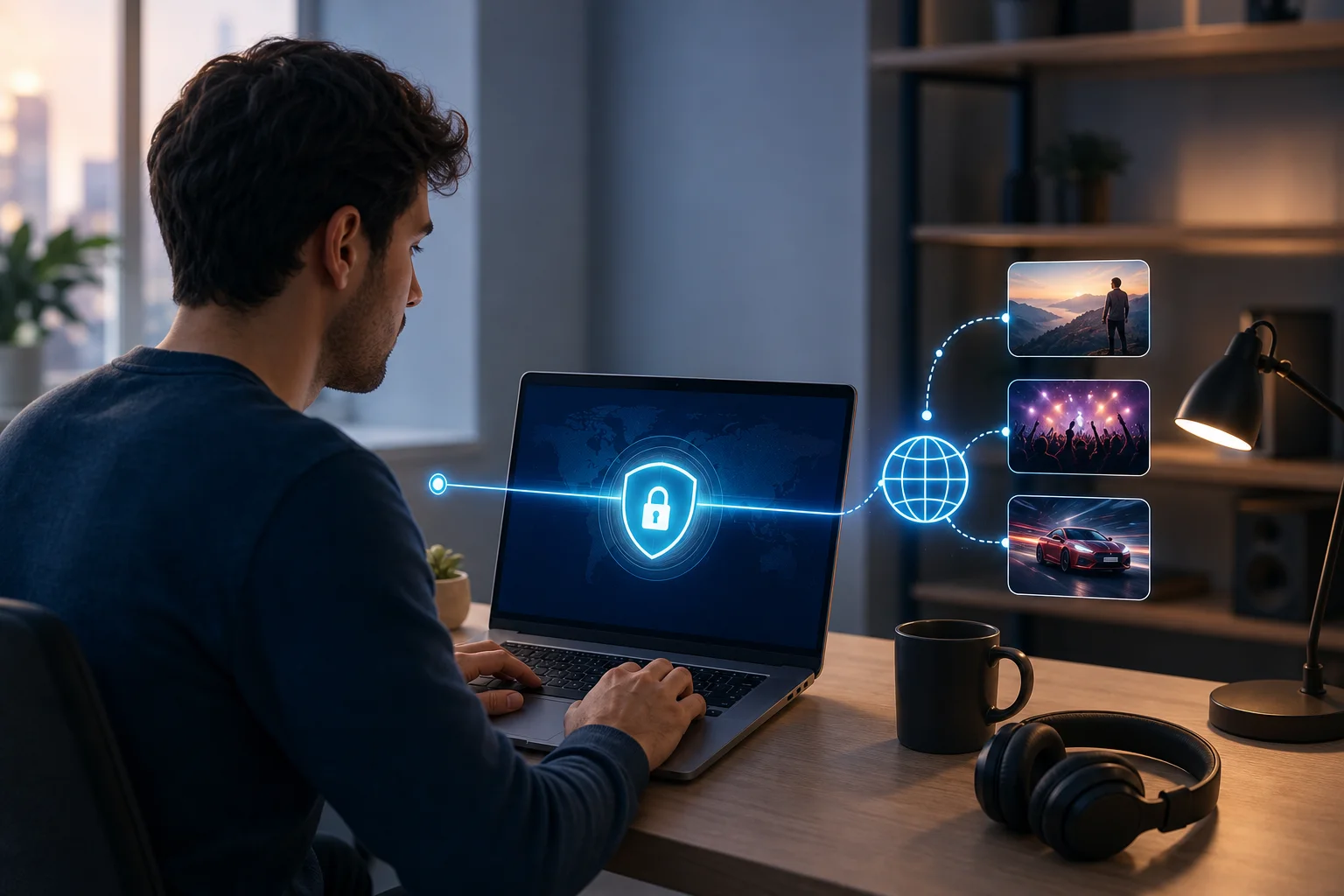
personal vpn for computer streaming setup

His ideal solution needed to meet three practical requirements:

  • Work directly on his computer, not only on a phone.
  • Help reduce location-based limitations while browsing and streaming.
  • Add privacy when he used public Wi-Fi for work.

In short, Alex needed a personal VPN for his computer that was simple enough for daily use but capable enough for both entertainment and remote work.

The Challenge: Overcoming Geo-Restrictions

Alex’s main challenge was access. He often encountered messages such as “content not available in your region” or saw a smaller catalog than expected. This was especially common when he tried to stream international films, sports documentaries, or shows released first in another market.

However, geo-restrictions were only part of the problem. Because Alex worked remotely, he also used hotel Wi-Fi, airport networks, and coffee shop connections. Those networks were convenient but not always trustworthy. He wanted to avoid exposing browsing activity or work sessions on shared networks.

At first, Alex considered several options. Some looked helpful, but each had a drawback.

Option Alex consideredWhy it seemed usefulWhy it fell short
Free browser proxy extensionsQuick to install in one browserOften limited to browser traffic and less suitable for full-computer protection
Smart DNS toolsCan help with some location-based streaming issuesUsually does not encrypt traffic like a VPN
Mobile-only VPN appsUseful on a phoneDid not solve the problem on his main computer
Manual network tweaksOffered more controlToo time-consuming for daily streaming and work
Waiting for regional releasesFully compliant with local availabilityDid not solve access delays or travel-related catalog changes

Alex also learned that not every VPN is equal. Some services require long sign-up flows. Others make it hard to change locations or understand whether the connection is active. He wanted a tool he could use without becoming a network administrator.

Just as important, Alex wanted to act responsibly. He knew that streaming services may have terms that govern regional access. So, his aim was to choose a privacy-focused VPN, understand the rules of each platform, and avoid suspicious tools that promised too much.

The Solution: Implementing a Personal VPN

After comparing his options, Alex chose BeFreeVPN as his personal VPN for computer streaming and remote browsing. The appeal was straightforward: it offered a simple VPN experience and did not require registration. For Alex, that mattered because he wanted to get started quickly without creating yet another account.

BeFreeVPN also suited the way he used his computer. Instead of managing different tools for different tasks, he could use one VPN connection before opening his streaming service, browser, or work tools. That made the workflow cleaner.

How Alex set up BeFreeVPN on his computer

Alex followed a simple setup process. For users who want a featured-snippet-style checklist, the steps look like this:

  1. Download the VPN app for the computer. Alex started by installing BeFreeVPN on the device he used most often.
  2. Open the app. He did not need to complete a long registration process, which removed friction.
  3. Choose a suitable VPN location. He selected a server location based on what he needed to access or where he wanted his connection to appear.
  4. Connect before browsing or streaming. Once connected, he opened his streaming platform and checked availability.
  5. Test performance. Alex tried a few locations to find the best balance between access and smooth playback.
  6. Use the VPN on public Wi-Fi. When working outside his home, he connected first, then opened email, documents, and communication tools.

This step-by-step routine became second nature. Instead of troubleshooting every time a catalog changed, Alex had a repeatable process.

BeFreeVPN computer setup workflow

Why no registration mattered

The no-registration feature stood out because it matched Alex’s preference for simplicity. He did not want to spend time verifying email addresses, managing another password, or sharing more personal details than necessary just to test a VPN connection.

For intermediate users like Alex, this is a real usability benefit. A VPN may offer strong features, but if it feels inconvenient, people stop using it. BeFreeVPN reduced that barrier and made privacy easier to keep switched on.

Results: Expanding Horizons

After adding BeFreeVPN to his computer, Alex noticed the biggest change in how predictable his streaming routine became. Instead of running into a block and abandoning the session, he could connect through the VPN and check whether the platform offered the content in the selected location.

This helped him access streaming experiences that were previously unavailable from his normal connection. For example, when traveling, he could maintain a more consistent browsing environment and avoid sudden changes caused by local networks. When exploring international catalogs, he had a practical way to view content availability across regions, subject to each platform’s rules.

Alex also appreciated the smoother workflow. He was not jumping between questionable plug-ins or temporary proxy sites. He had one computer-based VPN tool that he could open, connect, and use.

Streaming quality and speed

Alex’s experience with streaming improved because he began testing VPN locations before settling in for a film or show. While VPN performance can vary based on server load, distance, network conditions, and the streaming platform itself, he found that choosing an appropriate location helped him maintain stable playback.

He also learned a useful habit: if one location felt slow, he switched to another. This simple adjustment often helped reduce buffering. More importantly, it gave him control. Instead of assuming the problem was his computer or the platform, he had a clear troubleshooting path.

Security and privacy for remote work

The benefits extended beyond streaming. When Alex worked from cafés or shared workspaces, he used BeFreeVPN before opening work tools. A VPN encrypts traffic between the computer and the VPN server, which helps reduce exposure on public Wi-Fi.

That added layer gave him more confidence. It did not replace good security habits, such as using strong passwords, enabling multi-factor authentication, and keeping software updated. However, it became a useful part of his remote work setup.

For Alex, the result was a more streamlined digital life. Entertainment became easier to manage. Public Wi-Fi felt less risky. And his computer became the single place where work, privacy, and streaming could coexist more smoothly.

Takeaways: What Alex Learned

Alex’s experience shows that a personal VPN for computer users can be useful when the goal is flexibility, privacy, and simplicity. It is not just a tool for advanced users. It can be part of a practical daily routine.

His main lessons were clear:

  • Choose a VPN designed for the device you use most. Since Alex streams and works on his computer, a computer-friendly VPN mattered more than a mobile-only option.
  • Keep the setup simple. The fewer steps required, the more likely you are to use the VPN consistently.
  • Test locations for performance. Streaming quality can change depending on the server and network path.
  • Use a VPN before joining public Wi-Fi sessions. This helps protect browsing activity on shared networks.
  • Respect platform rules. A VPN can improve privacy and access flexibility, but streaming availability still depends on licensing and service terms.

Alex’s advice to others is practical: do not wait until you are blocked, buffering, or connected to an unknown Wi-Fi network. Set up your VPN before you need it. Learn how it works. Then make it part of your normal computer routine.

He also recommends choosing a user-friendly VPN like BeFreeVPN if you want fewer barriers. The no-registration approach helped him start faster, and the simple workflow made it easier to keep using the VPN over time.

FAQ: Personal VPN for Computer Streaming

What is a personal VPN for computer use?

A personal VPN for computer use is an app or service that routes your computer’s internet traffic through a VPN server. This can help improve privacy, protect traffic on public Wi-Fi, and provide more location flexibility while browsing.

Can a VPN help with geo-restricted streaming content?

A VPN can help you appear to browse from a different location, which may affect what content a streaming platform shows. However, access depends on the platform’s licensing rules and terms of service, so users should review and follow those rules.

Will a VPN always improve streaming speed?

Not always. A VPN may improve stability in some situations, but it can also slow traffic if the server is far away or busy. For the best experience, test several server locations and use a reliable internet connection.

Is a no-registration VPN useful for everyday users?

Yes, especially for users who value simplicity. A no-registration VPN can reduce setup friction and make it easier to start protecting your connection without creating another account.

Conclusion: A Simpler Way to Stream and Work

Alex’s case shows how the right VPN can make a computer feel more capable. By using BeFreeVPN, he created a simpler path to global streaming exploration, more consistent access while traveling, and stronger privacy on public Wi-Fi. Explore BeFreeVPN today for a seamless, no-registration experience and unlock the full potential of your streaming platforms on your computer.

The ultimate guide to personal VPNs without registration: everything you need to know

· 17 min read

Why pay for a VPN when you can have a secure and free option like BeFreeVPN, offering protection without the hassle of registration? A personal VPN without registration helps you browse more privately, reduce exposure on public Wi-Fi, and avoid giving yet another company your email address, payment details, or personal profile. In this ultimate guide, you’ll learn what registration-free VPNs are, how they work, when they make sense, how to set one up, and what to check before choosing a free VPN service.
personal vpn without registration on laptop

Introduction: Why Choose a Personal VPN Without Registration?

A personal VPN without registration is a virtual private network service that lets you connect to an encrypted VPN server without creating an account first. Instead of signing up with an email address, setting a password, choosing a subscription, and entering payment information, you can open the app, connect, and start browsing with an added layer of privacy.

That simplicity matters. More of daily life now happens online: banking, shopping, messaging, work, travel planning, streaming, and reading the news. At the same time, users face more tracking, more data collection, and more risks on unsecured networks. A VPN cannot solve every privacy problem, but it can help protect your internet traffic from local snooping and reduce how much your real IP address is exposed to websites and networks.

Registration-free VPNs are especially attractive for people who want quick protection without a long setup process. They can also be useful for people who do not want to attach their browsing protection tool to personal data such as an email account or card number.

In this guide, we’ll cover:

  • What a personal VPN without registration means
  • How BeFreeVPN fits this category
  • Why free VPNs can save money compared with paid plans
  • How VPN encryption supports privacy
  • How to set up and use a no-sign-up VPN
  • What to compare before choosing a provider
  • Key takeaways and common questions

The goal is simple: help you decide whether a free, registration-free VPN is enough for your everyday privacy needs.

Quick Answer: What Is a Personal VPN Without Registration?

A personal VPN without registration is a VPN service designed for individual users that does not require account creation before use. You typically install the VPN app, select a server or connection mode, and connect. The service then routes your internet traffic through an encrypted tunnel between your device and the VPN server.

Core features of a registration-free personal VPN

Most no-registration VPN services focus on three core ideas:

  1. No account requirement — You do not need to submit an email address, username, password, or payment information to start.
  2. Encrypted connection — Your device sends traffic through a secure tunnel, which helps protect it from local network monitoring.
  3. IP address masking — Websites and online services see the VPN server’s IP address rather than your direct network IP address.

Some services also include additional features, such as automatic server selection, cross-device support, a simple connect button, or basic location choices.

Where BeFreeVPN fits

BeFreeVPN is a strong example of a personal VPN without registration because it is designed around quick access, no sign-up friction, and free use. For users who want protection without managing another online account, that model is appealing. You can use it for everyday browsing, public Wi-Fi protection, and basic privacy without committing to a paid subscription.

Benefits compared with traditional paid VPNs

Traditional VPN services often require you to register before you can use them. That process may include an email address, password, billing information, renewal settings, and sometimes identity-linked payment records. In contrast, a no-registration VPN reduces the amount of personal information you hand over.

Here is the practical difference:

FeaturePersonal VPN without registrationTraditional paid VPN
Account requiredUsually noUsually yes
Upfront costOften freeUsually monthly or yearly
Setup timeFastLonger
Personal data sharedMinimalOften email and payment details
Best forEveryday privacy and quick protectionAdvanced features, heavy use, specific locations

For many people, paying for a VPN may be unnecessary if their main needs are secure browsing on public Wi-Fi, simple IP masking, and a no-hassle setup. However, users with advanced needs should still compare features carefully.

The Financial Benefits: Save Money with Free VPNs

The cost of online privacy tools can add up. A paid VPN subscription may look inexpensive at first, but over months and years it becomes another recurring bill. If you already pay for cloud storage, streaming, password management, mobile data, and security software, adding a VPN subscription may not feel worthwhile.

A free VPN like BeFreeVPN changes that calculation. If your main goal is basic privacy protection without registration, free access can provide practical value without forcing you into a subscription.

The real cost of paid VPN services

Paid VPNs commonly use one of these pricing models:

  • Monthly plans, which are flexible but often cost more over time
  • Annual plans, which reduce the monthly average but require upfront payment
  • Multi-year plans, which may offer discounts but lock you into a longer commitment
  • Premium tiers, which may charge extra for more locations, faster speeds, or dedicated IP addresses

There can also be hidden costs in the form of auto-renewals, unused subscriptions, upgrade prompts, and paying for advanced features you do not need. For example, if you only use a VPN at airports, hotels, coffee shops, or while browsing casually, a full paid plan may be more than necessary.

Cost savings with BeFreeVPN

BeFreeVPN’s main financial advantage is straightforward: you can use a personal VPN without registration and without paying for a subscription. That makes it practical for:

  • Students who need privacy on campus Wi-Fi
  • Travelers using hotel or airport networks
  • Remote workers who want basic protection outside the office
  • Families who want simple privacy tools across devices
  • Budget-conscious users who do not want another monthly bill

A free VPN is also easier to test. You do not have to calculate whether you will use it enough to justify the cost. You can simply try it, see whether it fits your browsing habits, and keep using it if it works for you.

Why registration-free options are practical for budget-conscious users

Registration-free VPNs save more than money. They also save time. There is no long signup form, no account verification email, and no checkout page. That matters when you need protection quickly, such as before joining public Wi-Fi in a hotel lobby or airport terminal.

There is also a privacy benefit tied to cost. Paid services usually need payment details, and even privacy-focused providers may still process transactions through third-party payment systems. A VPN with no registration and no payment requirement reduces that data trail.

Still, free does not mean you should ignore quality. A responsible user should check the provider’s privacy policy, app permissions, connection stability, and whether the service is transparent about its limits. The best free VPN for you is the one that offers useful protection without asking for more data than it needs.

How Personal VPNs Without Registration Protect Your Privacy

A VPN protects privacy by creating an encrypted tunnel between your device and a VPN server. When you connect, your internet traffic travels through that tunnel before reaching websites, apps, or online services. This can make it much harder for people on the same local network to inspect what you are doing.
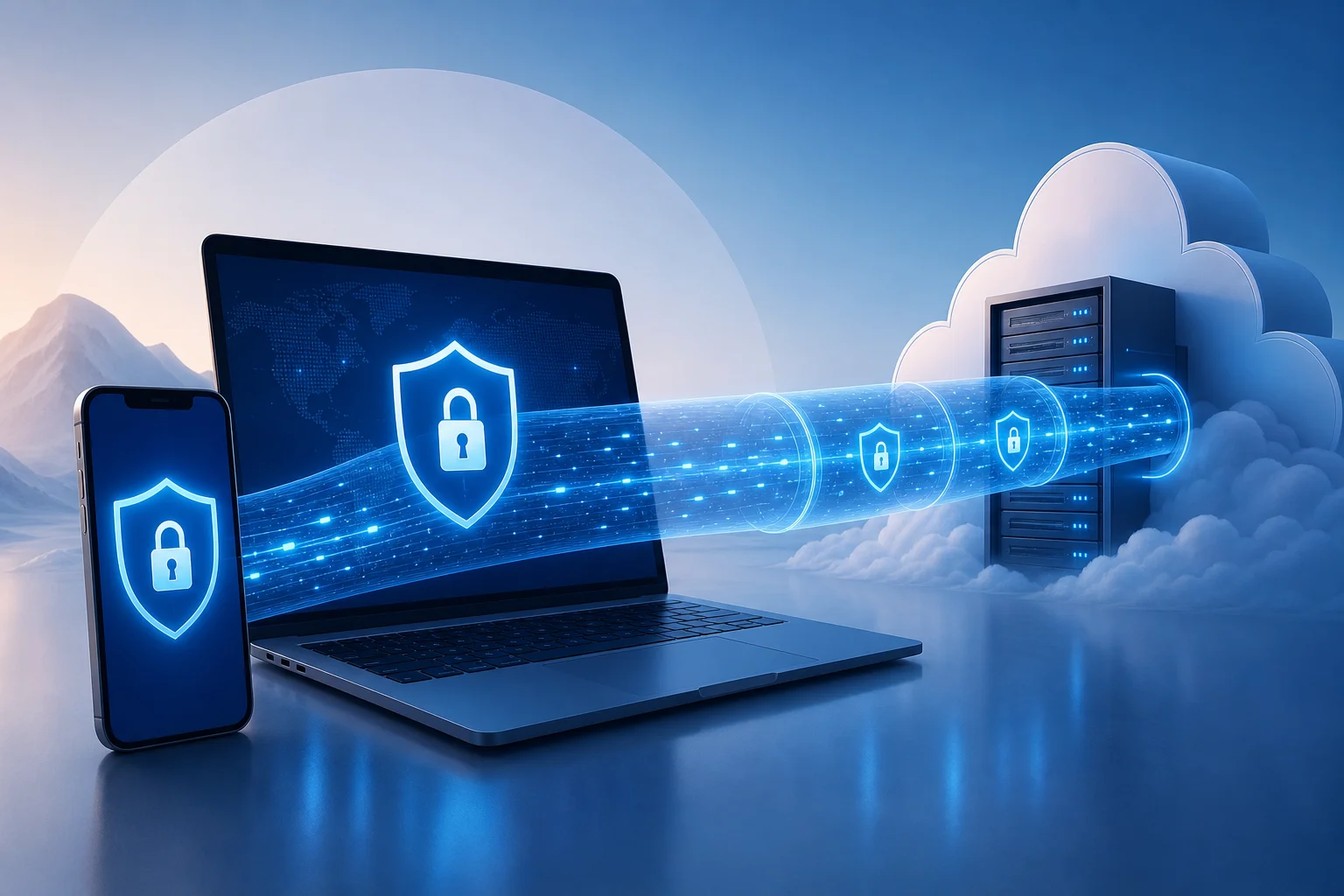
vpn privacy encryption protection

How VPN encryption works in everyday terms

Think of a normal internet connection like sending postcards through a public route. Some information may be visible to networks along the way. A VPN is more like placing those postcards into a sealed envelope before sending them through the first part of the route.

In practical terms, a VPN can help protect you when:

  • You use public Wi-Fi at a café, airport, library, or hotel
  • You connect through a shared office or campus network
  • You want websites to see the VPN server’s IP address instead of your direct IP address
  • You want an extra privacy layer when browsing on mobile data or home Wi-Fi

A VPN does not make you invisible online. Websites can still use cookies, account logins, browser fingerprints, and tracking scripts. However, it does reduce exposure at the network level and helps prevent simple local snooping.

Why no registration can improve privacy

When a VPN requires registration, you usually provide personal information. Even if it is only an email address, that creates an account record. If payment is required, the service or its payment processor may also handle billing data.

A personal VPN without registration avoids much of that. You can start using the service without connecting your VPN activity to a personal account. That is especially helpful for people who prefer data minimization: sharing only what is necessary, when it is necessary.

However, no registration is not the same as guaranteed anonymity. You should still review the VPN’s policies. Look for clear explanations of what data is collected, how long it is retained, and whether usage logs are stored. The advantage is that a no-sign-up VPN begins with less personal information from you.

Examples of risks a VPN can help reduce

A VPN can help reduce several common security risks:

  1. Public Wi-Fi snooping
    On an unsecured network, attackers may try to observe traffic or trick users into unsafe connections. A VPN adds encryption that makes local monitoring much less useful.

  2. IP-based tracking
    Websites often see your IP address when you visit. A VPN replaces your direct IP address with the VPN server’s IP address, reducing easy location-based identification.

  3. Man-in-the-middle attempts on weak networks
    Attackers may attempt to intercept traffic on poorly secured networks. VPN encryption helps protect the connection between your device and the VPN server.

  4. Untrusted network administrators
    On shared networks, administrators may be able to see connection metadata or browsing destinations. A VPN limits what the local network can observe, although it cannot hide everything from every party.

The key point is balance. A VPN is not a replacement for good passwords, two-factor authentication, software updates, and safe browsing habits. It is one important layer in a broader privacy and security routine.

Setting Up and Using a Personal VPN Without Registration

One of the biggest advantages of BeFreeVPN is ease of use. A registration-free VPN should feel simple from the first launch. You should not need technical knowledge, manual configuration files, or a long onboarding process.

Step-by-step guide to setting up BeFreeVPN

Follow these general steps to start using BeFreeVPN:

  1. Download the BeFreeVPN app
    Get the app from the official source for your device. Avoid unofficial downloads, especially from random file-sharing sites.

  2. Install and open the app
    Follow your device’s normal installation process. Once installed, open the app.

  3. Review permissions
    VPN apps usually ask permission to create a VPN connection on your device. This is normal, but you should still read the prompt before accepting.

  4. Choose your connection option
    Depending on the app interface, you may be able to select a location or use an automatic server option.

  5. Tap connect
    Start the VPN connection. Your device may show a VPN icon or status indicator when the tunnel is active.

  6. Browse as usual
    Once connected, open your browser or apps. Your traffic will route through the VPN until you disconnect.

  7. Disconnect when not needed
    If you want maximum speed for low-risk activities, you can disconnect and reconnect later. For public Wi-Fi, staying connected is usually the safer choice.

User interface overview and ease of use

A good personal VPN without registration should have a clean interface. The most important controls are simple:

  • A clear connect and disconnect button
  • Visible connection status
  • Server or location options, if available
  • Basic settings that are easy to understand
  • Minimal prompts and no forced signup screens

BeFreeVPN’s appeal is that it keeps the experience focused. Instead of pushing users through account creation, it lets them connect quickly. That is ideal for people who want privacy protection without studying VPN protocols or managing subscriptions.

Tips for getting the most out of a no-sign-up VPN

To use a free VPN effectively, follow these tips:

  • Connect before joining risky networks. Turn on the VPN before logging into banking, email, or work tools on public Wi-Fi.
  • Keep your apps updated. VPN protection is stronger when your operating system, browser, and apps are current.
  • Use HTTPS websites. A VPN encrypts part of your connection path, while HTTPS protects the connection between your browser and the website.
  • Avoid suspicious downloads. A VPN does not make unsafe files safe.
  • Check your connection status. Make sure the VPN is connected before assuming your IP address is masked.
  • Use strong passwords and two-factor authentication. VPNs protect traffic, not weak accounts.

By combining a VPN with these habits, you get more complete protection without paying for tools you may not need.

Comparing Personal VPN Options: What to Consider

Not every free VPN is equal. Some are easy to use but limited. Others offer more server options but require registration. Some may show ads, limit speeds, or restrict data usage. Before choosing a personal VPN without registration, compare the factors that matter most for your situation.
free vpn comparison across devices

Key factors to evaluate

Use this checklist when comparing free VPN services:

FactorWhy it mattersWhat to look for
Registration requirementLess signup means less personal data sharedNo email, no password, no payment details
Privacy policyExplains what data is collectedClear, readable policy with minimal data collection
CostAffects long-term useFree access without forced subscription
Ease of useHelps non-technical users stay protectedOne-tap connection and simple settings
SpeedImpacts browsing and streaming qualityStable performance for everyday browsing
Device supportDetermines where you can use itApps for the devices you actually own
Server optionsAffects connection flexibilityAutomatic or manual location choices
LimitsFree plans may have restrictionsUnderstand data, speed, or location limits
ReputationReduces risk from unknown providersConsistent user feedback and transparent support

BeFreeVPN compared with other free VPN options

BeFreeVPN stands out for users who care most about free access and no registration. Many free VPNs use a freemium model, where the free version exists mainly to push users toward a paid account. That can still be useful, but it may come with frequent upgrade prompts, strict limits, or mandatory account creation.

Here is a practical comparison:

Option typeStrengthsPossible drawbacksBest fit
BeFreeVPNFree, simple, registration-free accessMay not offer every advanced paid featureEveryday users who want quick privacy
Free tier from paid VPNOften backed by an established paid serviceMay require signup or have tight limitsUsers testing a provider before upgrading
Browser-only VPN extensionEasy to install and useMay protect only browser traffic, not all appsLight browsing on one browser
Built-in browser privacy toolConvenient and simpleUsually limited in scope and configurationCasual browsing, not full-device protection
Paid premium VPNMore advanced features and locationsRequires payment and usually registrationPower users with specific needs

For most everyday users, the best choice is the one they will actually use. A powerful VPN with a complex signup process may sit unused. A simple no-registration VPN can be more practical because it removes barriers.

User reviews and satisfaction metrics to check

Avoid relying on one glowing review or one negative comment. Instead, look for patterns. Useful satisfaction signals include:

  • Whether users say the app is easy to connect
  • Reports of stable or unstable connections
  • Complaints about intrusive ads or upgrade prompts
  • Comments about speed during normal browsing
  • Feedback on customer support or help resources
  • Recent reviews after app updates
  • Clear explanations from the provider about privacy practices

Do not treat app store ratings as the only measure of quality. Ratings can change, and they may not explain why users are satisfied or frustrated. Read recent reviews and compare them with the service’s own documentation.

FAQ: Common questions about personal VPNs without registration

Is a personal VPN without registration safe?

It can be safe if the provider uses reliable encryption, has a clear privacy policy, and does not ask for unnecessary permissions. No registration reduces the personal data you share, but you should still choose a trustworthy service.

Is a free VPN enough for everyday browsing?

For many users, yes. A free VPN can be enough for public Wi-Fi protection, basic IP masking, and casual browsing privacy. Heavy streaming, advanced location needs, or business requirements may call for extra features.

Does no registration mean no tracking?

Not automatically. No registration means you do not create an account, but the provider may still collect limited technical data. Always read the privacy policy to understand what is collected and why.

Can I use BeFreeVPN on public Wi-Fi?

Yes, public Wi-Fi is one of the most practical use cases for BeFreeVPN. Connect before signing into email, banking, work tools, or any service that handles sensitive information.

Do I need a paid VPN if BeFreeVPN works for me?

Not necessarily. If BeFreeVPN meets your needs for speed, privacy, and ease of use, a paid VPN may be unnecessary. Paid services can be useful for advanced features, but they are not required for everyone.

Key Takeaways: What You’ve Learned about Personal VPNs Without Registration

A personal VPN without registration gives users a simple way to improve online privacy without creating another account or paying another subscription. That combination is powerful because it removes two common barriers: cost and complexity.

BeFreeVPN is a practical option for people who want secure, free browsing without signup requirements. It is especially useful for everyday activities such as browsing on public Wi-Fi, masking your direct IP address, and reducing exposure to local network snooping.

The financial advantages are clear. Paid VPNs can be useful, but many users do not need a premium plan for basic protection. If your needs are simple, a free VPN can help you avoid recurring costs while still adding a valuable privacy layer.

The privacy advantages are also important. Because no registration is required, you do not have to provide an email address, password, or payment details just to turn on protection. That supports the principle of data minimization: share less personal information whenever possible.

At the same time, choose carefully. A good registration-free VPN should be transparent, easy to use, and clear about its privacy practices. Check permissions, read recent reviews, and understand any limits before relying on any service.

Ready to experience online freedom and security without spending a dime? Try BeFreeVPN today and enjoy a seamless, registration-free service across your devices.

Faqs about using a personal VPN for home

· 9 min read

Are you worried about online safety for your entire family, including your children, across multiple devices? A personal VPN for home can help protect your household’s internet activity by encrypting connections, reducing tracking, and adding a privacy layer for phones, laptops, tablets, and smart TVs. In this FAQ, you’ll learn what a home VPN does, how it supports safer browsing for families, whether it affects speed, and why it is usually safer than relying on a free proxy server.

What is a personal VPN for home use?

A personal VPN for home use is a virtual private network designed for everyday household internet activity. It creates a secure, encrypted connection between your device and the VPN server. As a result, your data is harder for outsiders to read while it travels across the internet.

In simple terms, a VPN acts like a protected tunnel for your online traffic. When someone in your home checks email, shops online, studies, streams, or uses public services, the VPN helps keep that activity more private.

For families, this matters because most homes now have many connected devices. A single household may include:

  • Smartphones used by parents and children
  • School tablets or laptops
  • Shared desktop computers
  • Smart TVs and streaming devices
  • Gaming consoles
  • Smart home devices connected to Wi-Fi

A personal VPN helps protect these devices from certain privacy risks, especially when family members use shared networks, public Wi-Fi, or apps that collect browsing data. It is not a replacement for antivirus software, parental controls, or safe browsing habits. However, it is a strong privacy tool that supports a safer home network setup.

personal vpn for home devices

Why do households use a VPN?

Many people choose a home VPN to reduce online tracking, add encryption, and keep browsing activity more private from third parties. It is also useful when family members travel and connect to hotel, airport, school, or café Wi-Fi. Even if your home internet is password-protected, a VPN adds another layer of security for daily browsing.

How does a personal VPN keep my family safe online?

A personal VPN helps keep your family safer online by encrypting data and making browsing activity less exposed. This is useful for everyone in the home, including children who may not always understand online risks.

When a VPN is active, it can help protect sensitive information such as login details, search activity, messages, and account access from being easily intercepted on unsecured networks. This is especially important when a child or parent uses public Wi-Fi outside the home.

A VPN can also help reduce exposure to online tracking. Many websites, advertisers, and apps collect information based on IP address and browsing behavior. By masking your real IP address, a VPN makes it harder to connect all activity directly to your household.

Can a VPN block harmful content for kids?

A VPN by itself is not the same as full parental control software. However, some VPN services include features that help reduce exposure to malicious websites, suspicious domains, or unsafe online destinations. This can support safer browsing for children.

For a stronger family safety setup, combine a VPN with:

  1. Device-level parental controls to manage screen time and age-based content.
  2. Safe search settings on search engines and video platforms.
  3. Secure DNS or web filtering if supported by your VPN or router.
  4. Regular conversations with children about scams, strangers, downloads, and privacy.
  5. Updated software on all devices to patch known security issues.

Together, these steps create a more complete protection plan. The VPN handles privacy and encryption, while parental tools focus on content and behavior controls.

Can I use a personal VPN on multiple devices at home?

Yes. Most personal VPN services support multiple connections at the same time. This means you can protect several devices in your household with one VPN account or app setup, depending on the provider’s limits.

This is important because home internet use is no longer limited to one computer. One family member may be streaming on a smart TV while another is using a tablet for school, and someone else may be checking bank details on a phone. A VPN that supports multiple devices helps keep protection consistent across the home.

Which home devices can use a VPN?

Common devices that can often use a VPN include:

  • Windows and Mac laptops
  • iPhones and Android phones
  • Tablets
  • Smart TVs or streaming devices, depending on app support
  • Some routers, if the VPN supports router installation

Router-level VPN setup can be useful because it may protect devices connected to your Wi-Fi without installing an app on each one. However, it can be more technical. For many households, installing the VPN app directly on key devices is easier.

Step-by-step: how to set up a home VPN on family devices

Use this simple process to improve coverage across your household:

  1. List your devices. Include phones, laptops, tablets, and shared screens.
  2. Choose a VPN with multiple device support. Check connection limits before installing.
  3. Install the VPN app on priority devices first. Start with devices used for banking, email, school, and travel.
  4. Select a nearby server. This often gives better speed and smoother browsing.
  5. Turn on the VPN before sensitive activity. Use it for shopping, accounts, work, and public Wi-Fi.
  6. Teach family members the basics. Show them how to connect and what the VPN icon means.
  7. Review settings monthly. Make sure apps are updated and protection is still active.

This approach keeps setup simple while helping every family member get practical privacy benefits.

Is it a myth that VPNs slow down my internet speed significantly?

Yes, it is often a myth that VPNs always slow down internet speed significantly. A VPN can affect speed because your data travels through an encrypted server. However, high-quality VPNs are built to minimize this impact. In many cases, the difference is small for normal browsing, messaging, shopping, and streaming.

Speed depends on several factors, including your original internet connection, the VPN server location, server load, device performance, and the VPN protocol being used. If you connect to a server far away, your connection may feel slower. If you choose a nearby server, performance is usually better.

home VPN speed and security

How can I improve VPN speed at home?

Try these practical steps:

  • Choose a server close to your physical location.
  • Use a stable Wi-Fi connection or wired connection where possible.
  • Close apps that use heavy bandwidth in the background.
  • Keep your VPN app updated.
  • Test another server if one feels slow.
  • Restart your router if your whole network is lagging.

For most families, a good personal VPN should support common online activities without major disruption. If speed is important for gaming or 4K streaming, test a few server locations to find the best balance between privacy and performance.

Why should I choose a personal VPN over a free proxy server?

A personal VPN is usually a safer and more complete privacy tool than a free proxy server. Both can hide your IP address in some situations, but they do not offer the same level of protection.

A proxy often works only for one app or browser session. It may route traffic through another server, but it usually does not encrypt all your data. That means your browsing may still be exposed to network operators, unsafe Wi-Fi risks, or other third parties.

A VPN, on the other hand, creates an encrypted connection for your internet traffic. This makes it more suitable for home security, family privacy, and daily use across multiple devices.

VPN vs proxy: quick comparison

FeaturePersonal VPN for homeFree proxy server
Encrypts trafficYes, in most VPN appsUsually no
Protects multiple appsOften yesOften limited to browser use
Helps on public Wi-FiYesLimited protection
Suitable for familiesYes, especially with multi-device supportNot ideal
ReliabilityUsually more stable with reputable providersOften inconsistent
Privacy controlsStronger optionsLimited or unclear

Free proxies can also be unstable. Some may be slow, crowded, or unclear about how they handle your data. For a household, that uncertainty is a problem. A reliable personal VPN is a better choice when you want consistent protection for parents, children, and shared devices.

Common questions about using a home VPN

Do I need a VPN if my home Wi-Fi has a password?

Yes, a VPN can still be useful. A Wi-Fi password protects access to your local network, while a VPN protects data as it travels online. They solve different problems and work well together.

Should children use a VPN too?

Children can benefit from VPN protection, especially on school devices, tablets, and phones used outside the home. Still, a VPN should be combined with parental controls, safe search, and clear family rules.

Can a VPN stop all online threats?

No. A VPN improves privacy and encrypts traffic, but it cannot stop every scam, phishing message, unsafe download, or harmful conversation. Use it as one part of a broader safety plan.

Is a personal VPN hard to use?

Most modern VPN apps are simple. In many cases, you install the app, choose a server, and tap connect. Once it is set up, family members can use it with minimal effort.

Final thoughts: is a personal VPN right for your home?

A personal VPN for home is a practical way to improve privacy, protect multiple devices, and support safer browsing for the whole family. It encrypts internet traffic, helps reduce tracking, and adds protection when family members use public Wi-Fi. While it should not replace parental controls or good security habits, it is a valuable layer in a modern household safety plan.

Safeguard your family’s online experience with BeFreeVPN — it’s free, requires no registration, and is perfect for securing all your household devices effortlessly.