Why you need a private VPN for phone security: securing your home office connections

· 8 min read

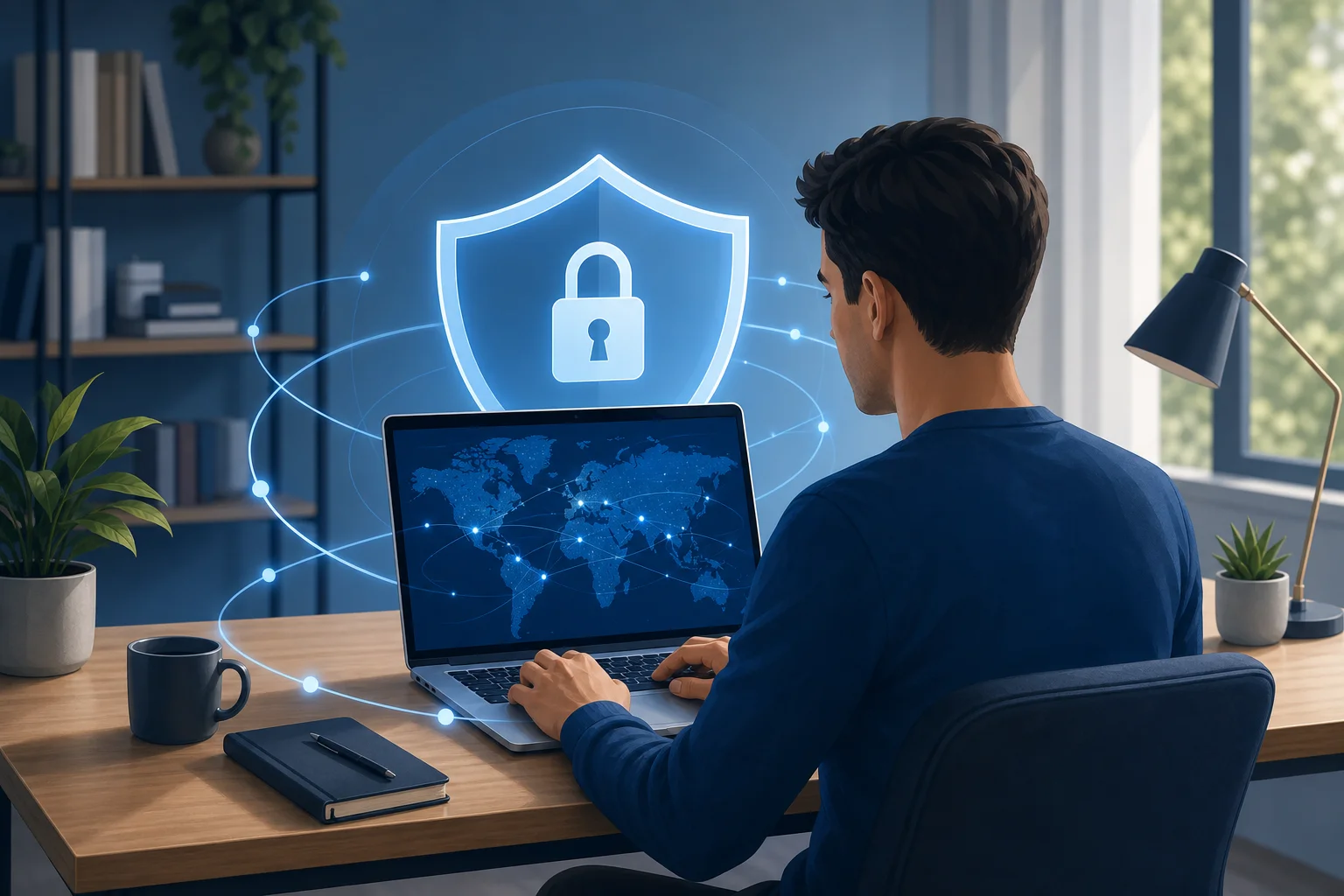
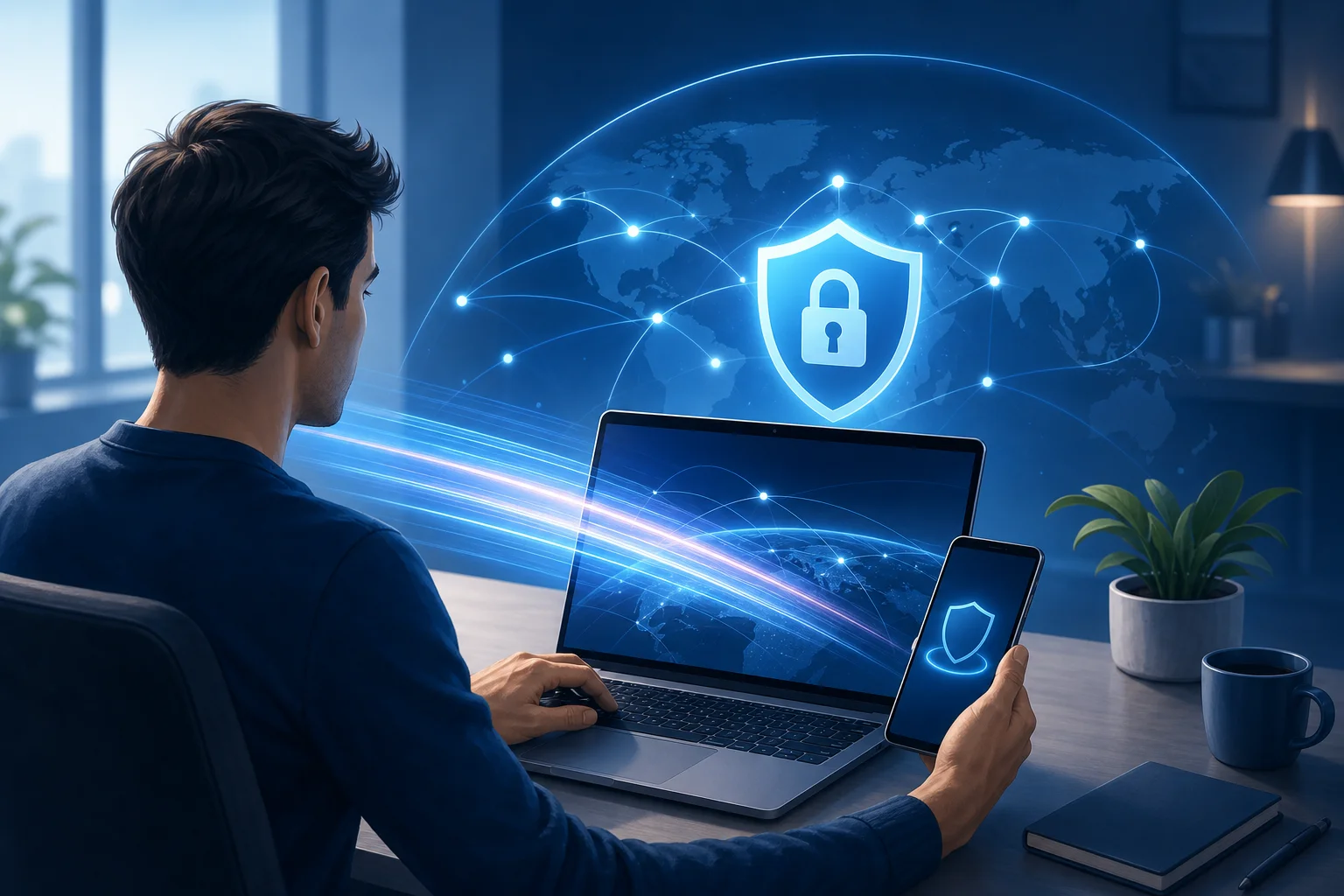
Are you working from home and worried about the security of your phone? Here’s why using a private VPN can be a game changer for your remote work setup. A private VPN for phone use helps protect your mobile connection when you check email, join work chats, open cloud files, or connect from cafés, airports, and shared networks. In simple terms, it adds a safer layer between your phone and the internet, helping keep sensitive work data away from prying eyes.

Remote work is not only about laptops anymore. Many people approve documents, answer clients, use collaboration apps, and access company systems from a smartphone. That convenience is useful, but it also creates risk. Let’s break down what a mobile VPN does, why it matters, and how to get started without making security complicated.

The ultimate guide to private VPN without registration: save money with BeFreeVPN

· 15 min read

Why spend money on a VPN when you can enjoy premium privacy features absolutely free, with no registration needed? If you are looking for a private VPN without registration, this guide explains what that means, why it matters, and how BeFreeVPN can help you protect your browsing without creating an account, sharing personal details, or committing to a paid subscription.

Online privacy should not feel complicated. Yet many VPN services ask you to choose a plan, enter an email address, add payment details, and manage renewals before you can even connect. A no-registration VPN changes that experience. It focuses on fast access, fewer data-sharing steps, and simple protection for everyday browsing.

Below, you will learn how VPNs work, why paid plans are not the only option, how BeFreeVPN removes signup friction, and how to get the best results across devices.

private VPN without registration

Your guide to choosing a private VPN for home use

· 8 min read

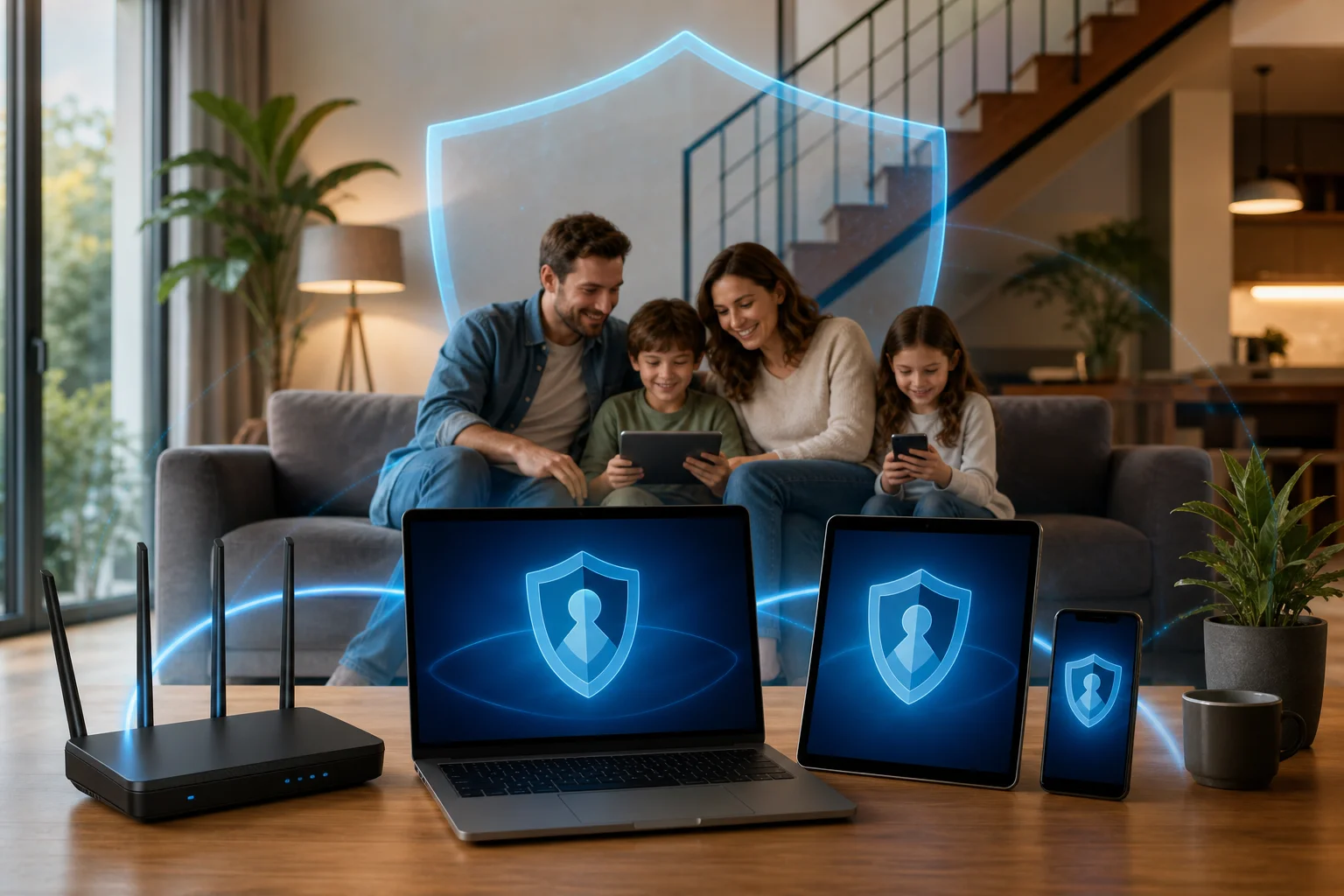
Is your family's online safety a priority? A private VPN for home can protect your household's devices from prying eyes, helping create a more secure internet experience for everyone. Whether your family streams movies, studies online, plays games, shops, or uses public Wi-Fi while away from home, a VPN adds a privacy layer that is easy to manage across phones, tablets, laptops, and smart devices. This FAQ explains how home VPN services work, why families use them, and what features matter most when choosing one.

Your guide to choosing a private VPN for home use

· 9 min read

Is your family's online safety a priority? A private VPN for home use can protect your household's devices from prying eyes, helping create a safer internet experience for everyone. Whether your family uses laptops for school, phones for social media, tablets for streaming, or smart devices around the house, a VPN adds a privacy layer that keeps online activity more secure and harder to track.

For families, the right VPN is not just about privacy. It is also about simple setup, multiple device support, safer browsing for children, and clear controls that everyone can understand. This FAQ explains how home VPNs work and what to look for before choosing one.

Understanding private VPN for internet access: bypassing censorship in restrictive regions

· 14 min read

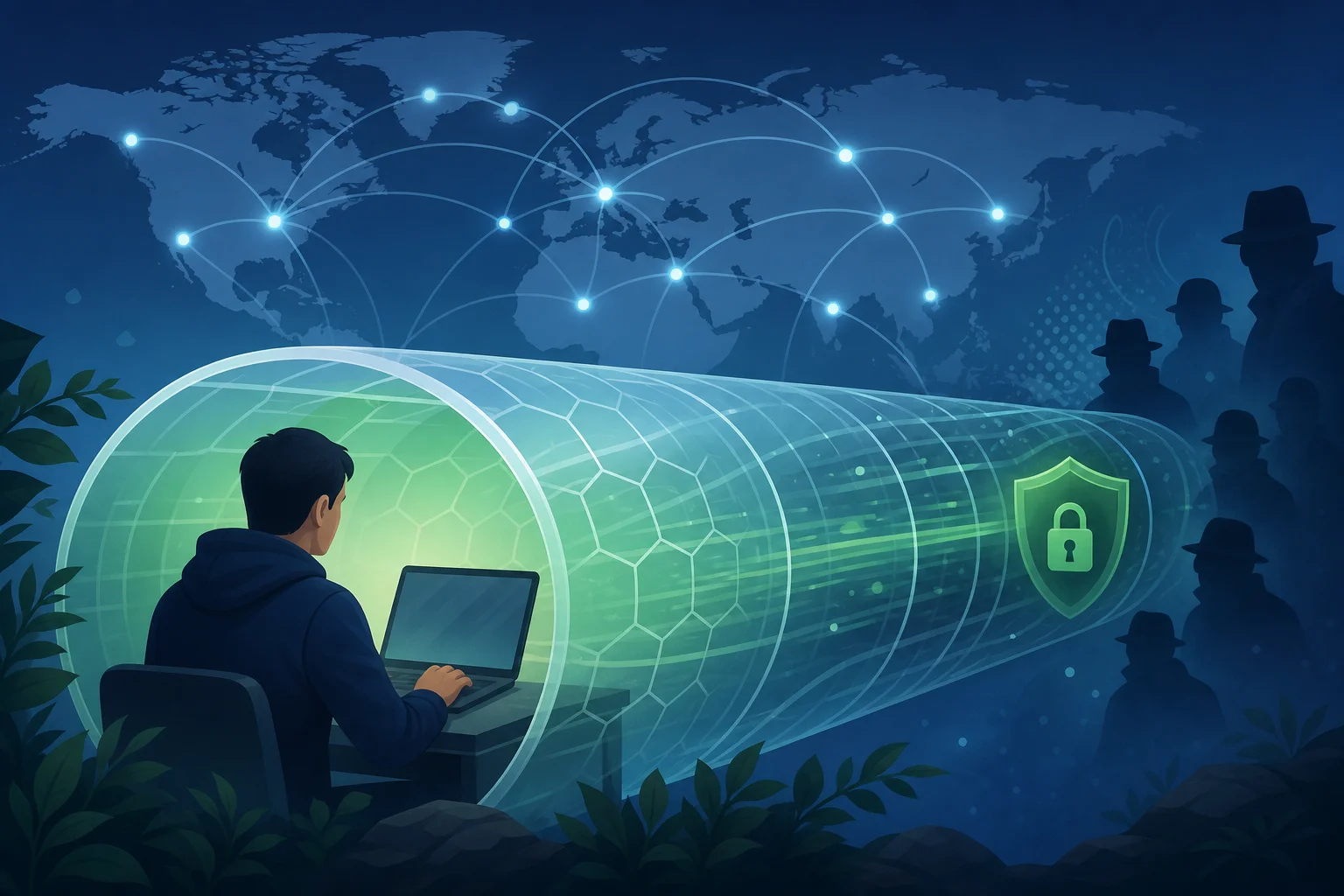
In regions where online freedom is limited, a private VPN can be your lifeline, enabling access to uncensored information and enhanced privacy. A private VPN for internet access creates an encrypted path between your device and a remote server, helping shield traffic from local network observers, internet service providers, and some censorship systems. This deep dive explains how private VPNs work, how protocols differ, what censorship-circumvention strategies matter, and what advanced users should consider before relying on a VPN in restrictive environments.

Understanding a private VPN for internet access: bypassing censorship in restrictive regions

· 14 min read

In regions where online freedom is limited, a private VPN can be your lifeline, enabling access to uncensored information and enhanced privacy. A private VPN for internet access creates an encrypted path between your device and a remote server, helping protect traffic from local network observers, reduce censorship exposure, and reach services that may be blocked by location or policy. For advanced users, the key question is not simply whether a VPN works, but how it works, where it fails, and how protocol, routing, DNS, and operational security choices affect real-world privacy.

How to find a secure VPN without registration: the ultimate solution

· 9 min read

Are you tired of slow internet speeds whenever you use a VPN? You're not alone in your frustration—many users face this dilemma, especially when dealing with registration requirements. But what if there was a way to enjoy both speed and security without the hassle? A secure VPN without registration can help you protect your online privacy, reduce setup friction, and get online faster—especially when you choose a service built for quick, account-free access.

VPNs should make online privacy easier, not more complicated. Yet many people install a VPN expecting peace of mind and end up dealing with login screens, email confirmations, limited servers, and sluggish browsing. This guide explains why that happens and how BeFreeVPN offers a simpler path: download, connect, and browse securely without creating an account.

Debunking the myths: which secure VPN for computer is best for you?

· 10 min read

Are you confused about which secure VPN to choose for your computer? Let's separate myths from facts and find the right solution for you. A secure VPN for computer use should protect your traffic, be simple enough to run every day, and fit your budget. However, not every VPN service offers the same balance of encryption, speed, privacy, and convenience. In this comparison, we will look at common VPN myths, compare BeFreeVPN, NordVPN, and Surfshark, and help you decide which option best matches your needs.